
Vámosbalog (Alsóbalog)
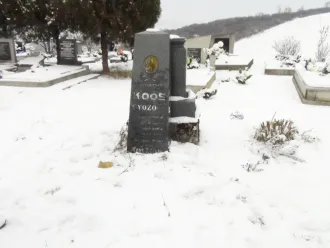
Tomb of István Koós, founder and teacher of the Nagybalog choir (Balogvölgy)
Cemeteries, tombstones, graves
Teacher István Koós had versatile knowledge, but he was never proud of it. He taught the children the basics, respect for each other, faith, patriotism, and even paid great attention to culture. As a cantor teacher, he founded the four-part choir, which participated in almost eve...
Read More

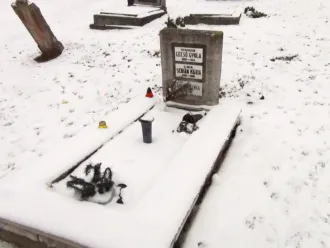
Tomb of Gyula Lecső, machinist from Nagybalog (Balogvölgy)
Cemeteries, tombstones, graves
Gyula Lecső (1880-1966) was an excellent blacksmith, not only locals but also people from other villages came to his workshop to have their tools repaired. He always wore a gold signet ring on his finger, even while working.
Read More
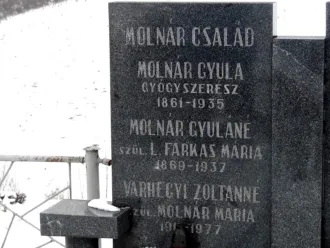
Tomb of Gyula Molnár and Ferenc Volánszky, pharmacists from Nagybalog (Balogvölgy)
Cemeteries, tombstones, graves
The tomb of the pharmacists of Nagybalog, Gyula Molnár (1861-1935) and Ferenc Volánszky (1904-1979) (Balogvölgy) ; ; Ferenc Volánszky was born into the pharmacist Molnár family. He worked in Nagybalog until the end of his life. Uncle Feri, as the locals called him, knew nothing w...
Read More
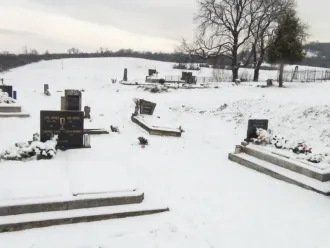
Tomb of Dénes Pál Id., the poet of the prisoners of war from Nagybalog (Balogvölgy)
Cemeteries, tombstones, graves
Dénes Pál Id. was born in 1911 in Alsóbalog. He completed his studies in the Reformed school in Balog. Among his teachers, István Koós stood out, who had versatile knowledge, but was never proud of it. The other notable teacher was István Gál, who taught every child to plant tree...
Read More
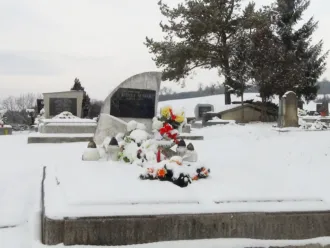
Tomb of Rudolf Šeszták, a doctor from Nagybalog (Balogvölgy)
Cemeteries, tombstones, graves
Dr. Rudolf Šeszták (1914-1979) was the village doctor for a long time. ; ; &nbsp,
Read More
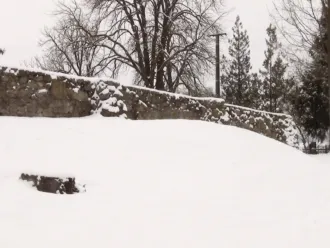
Nagybalog mass grave from 1790 (Balogvölgy)
Cemeteries, tombstones, graves
In 1790, a huge plague and rinderpest decimated the village. 204 people died, leaving only 36 serf families. There was no time to dig graves, so they just dug a large pit and threw the dead into it. The corpses were covered with lime to prevent further infection. The huge hill ne...
Read More
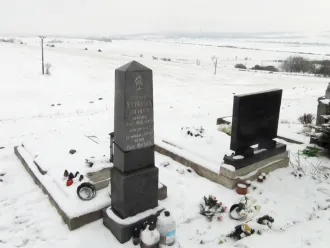
The tomb of István Vitárius, the namesake of the Ózd hussar regiment (Balogvölgy)
Cemeteries, tombstones, graves
István Vitárius died on January 5, 1915 at the age of 47. He participated in the First World War, caught a cold at the front, was discharged home with pneumonia at Christmas, but was unable to recover from the illness. ; Egon Vitko named the traditional banderium he founded in 20...
Read More