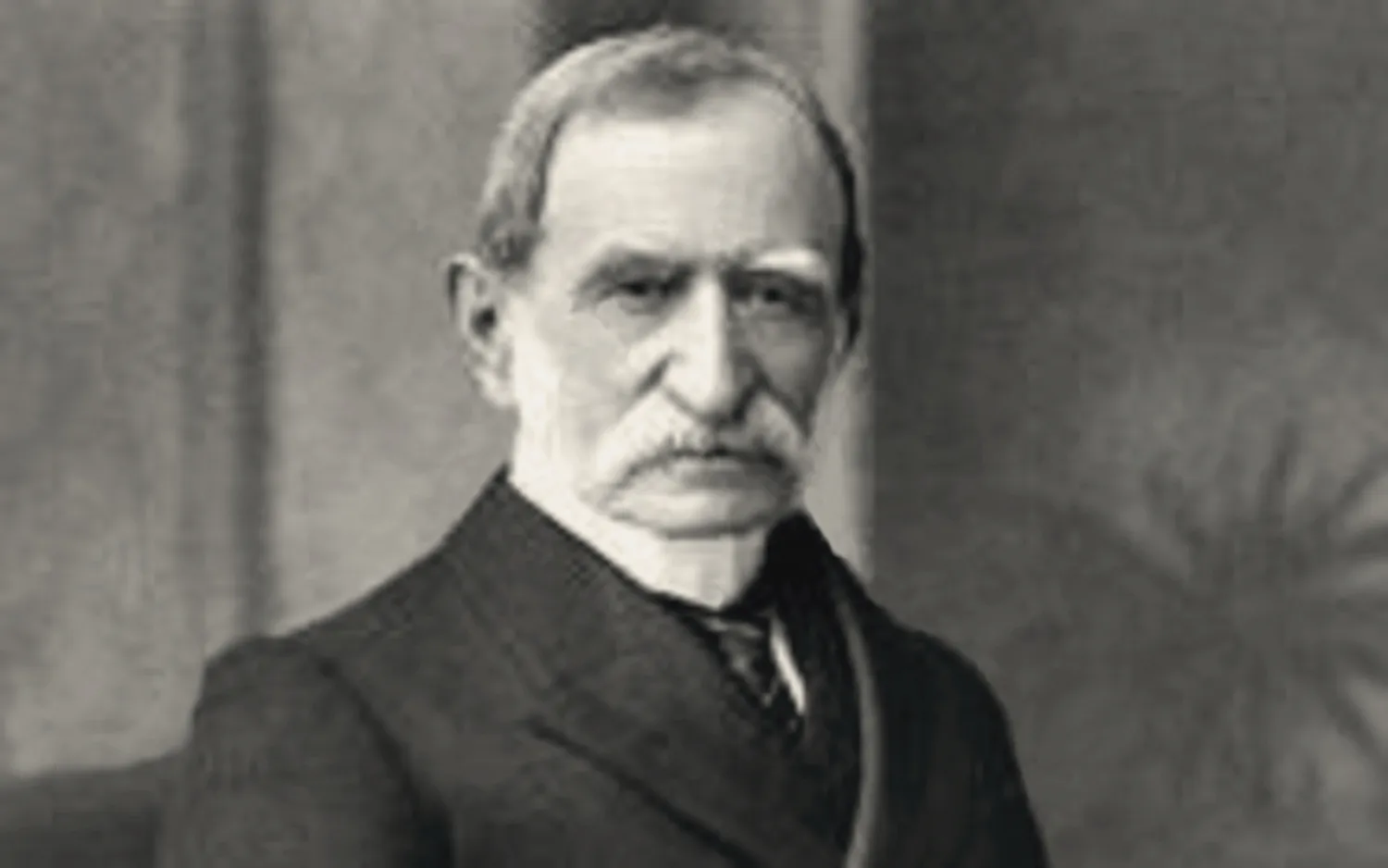
Tivadar Duka
Other - other
* Dukafalva, 22 June 1825 – † Bournemouth, 5 May 1908 / physician, army captain, honorary member of the Hungarian Academy of Sciences ; ; He completed his secondary school studies in Sárospatak and Eperjes, and studied law at the University of Pest. In 1846 he passed the bar exam, in 1848/49 he was first a draftsman at the Ministry of Finance, then a lieutenant-general, and later a captain in the army. In this position he was the secretary of Artúr Görgei and an officer of the command guard. After the surrender of Világos, he escaped from Russian captivity and lived in exile in Dresden, Paris, and then London. In London, he obtained a medical degree in 1853, the first Hungarian. From 1854 he became a military physician of the British army in Bengal, later the chief physician of one of the areas, and began to deal more deeply with India. He published informative articles about the country, its customs, natural and climatic conditions in various Hungarian newspapers (Vasárnapi Újság, Budapesti Szemle). In Calcutta he met the official of the Asiatic Society of Bengal, Rádzsa Rádzsendralála Mitra, who became the successor of Sándor Csoma Kőrösi (1784–1842) as a Tibetologist and orientalist in the Society. Duka Tivadar became interested in Kőrösi's work and over the years collected documents related to him and his legacy. He donated the collection, supplemented by about a thousand other valuable objects collected in the East Indies, to the Hungarian National Museum in Budapest and the Transylvanian Museum in Cluj. From 1874 he lived in London and devoted most of his time to processing the Kőrösi legacy. His book about him (Life and Works of Alexander Csoma de Kőrös, 1885, London – also published in Hungarian under the title Kőrösi Csoma Sándor dolgozatai in Budapest in 1885) is the basic source for Kőrösi researchers. The Hungarian Academy of Sciences elected him a corresponding member in 1863 and an honorary member in 1900.