
Vága's Pukanci
Other - other
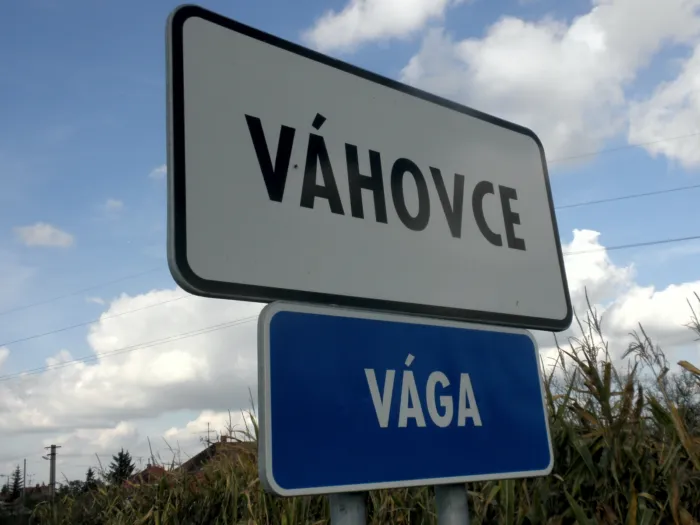
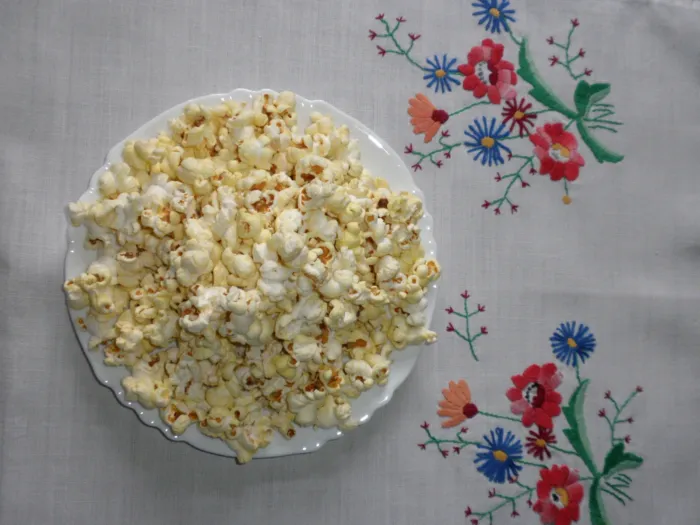
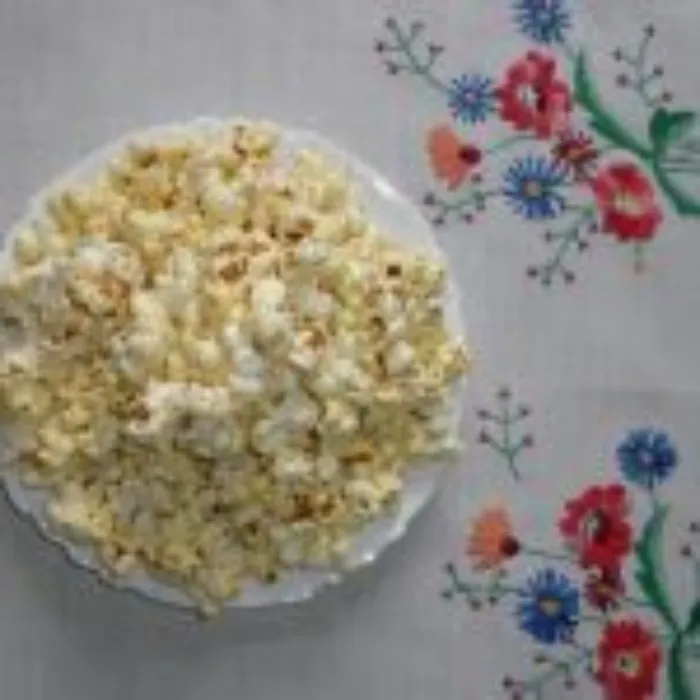
Vágai pukancisos ; ; Every village has some unmistakable characteristic and characteristic. Of the surrounding Mátyusföld villages, the Kajali people are horse thieves, but also lavkós and lavkós (oily lavkó = oily, salty, four-folded leavened dough cake), the Királyfai people are morványok, the Taksony people are pumpkin farmers, the Mácsédi people are kásás, kanyok and we could list more. ; We, the people of Vágai, were famous for the cultivation and sale of popcorn (called pukanci, pukancó in Vágán) until the end of the 20th century. The sale of this food has long ensured a higher standard of living. That is why the hardworking people of Vágai were called pukancisos everywhere. ; According to local oral tradition: Christopher Columbus, the discoverer of the American continent, bought popcorn from the people of Vága in 1492, during the mapping and colonization of the previously unknown continent, who had been selling it there for a long time... ; The cultivation of the long-grain white corn (called Vágán cverglin) involved a lot of work, but the local residents' attachment to the land was also a guarantee of survival. It is also well known that the village's arable land, embraced by the Vág River, is among the best-quality agricultural soils. ; Local tradition also places the most favorable time for sowing corn around St. George's Day (April 24). They always tried to finish sowing by the beginning of May. The corn was then hoeed in the fertile, flat border. The purpose of hoeing was to weed and loosen the soil. Then came the hoeing, which meant removing the side shoots, because they sucked nutrients from the main shoot. Then, after a certain time, hoeing and harrowing followed again. Hoeing loosens the soil to a depth of 8-15 cm, which helps aerate the soil and promote root growth and plant development. Harrowing only breaks up the surface of the soil, kills weeds and helps preserve the water reserves in the soil. Then came another hoeing. Nature itself took care of the sunlight and irrigation. ; The Vága farewell is held on the Sunday following the feast of St. Michael the Archangel, and the harvest usually took place after St. Michael's Day (September 29). When the corn was broken, the ears were broken off with a csuhe and placed in two-eared wicker baskets made of willow. Which in the old days were loaded onto a horse-drawn cart (later onto a truck) and transported home. This method of harvesting was everywhere associated with social work, the corn husking, which was a form of entertainment. In the evenings, relatives, neighbors, and acquaintances gathered together, helping each other, and cleaned the corn cobs of the leaves. The work done together was a good opportunity for conversation, storytelling, playful banter, singing, and solving riddles, to the greatest joy of the children. Some of the leaves were left on the corn cobs because they tied a knot of the gathered leaves, which they neatly braided with a willow twig, and thus carried them to the attic. The corn cobs (10 - 20 pieces), hanging in a knot on a willow twig inserted between the tile and the tile batten, were dried in this way until late spring. After drying, the corncob was crushed and the corn kernels were cleaned, which was already done with the help of machines in the second half of the 20th century. ; The well-dried corn kernels were popped on a sieve over an open fire, and the unpopped corn (called sulkó in Vágán) was enjoyed by children as a snack. In the past, acacia wood (called agacs in Vágán) was used for the fire, which gave the popular delicacy a more delicate taste. In the second half of the last century, almost every family house in Vága had such a sieve hanging on a slingshot (or chain), and a football match in the village was unimaginable without a popcorn vendor. They tied the fresh popcorn popped at home into a large white bundle, which they attached to the rear rack of their bicycle (it was called a Vágán saragla), and then, riding their bicycles, they began to offer and sell their fresh goods in all directions of the compass. Every family had a place to sell it in the country. Later, the bicycle was replaced by the car. ; It happened that one rainy afternoon, in a roadside barn in one of the settlements of Csallóköz, the following nine Vága bicycle popcorn vendors with strange nicknames met by chance: Csúcsi, Csucsár, Oka, Búvár, Bóhás, Obluda, Spalek, Örzse Lajó and Kecske Lajosa. ; ; As a reminder, here are some settlements and larger cities (the list is not complete) from what was then Czechoslovakia, where at the end of the 20th century, the people of Vága sold the delicious popcorn: ; ; Bakó Sándor's family – Bratislava; Czakó Mária's family – Hlohovec, Piešťany; Czakó Sándor's family – Topolčany, Slušovice; Dubnicska Ilona's family – Žarnovica; Éliás Julianna's family – Zlaté Moravce, Hlohovec; Farkas Sándor's family – Prešov, Trutnov; Forró Borbála's family – Ostrava; Forró Dániel's family – Vlčany, Neded, Žihárec, Tešedíkovo; Forró Ferenc's family – Horné Orešany, Trstice; István Forró's family – Big Mac (Veľká Mača), Little Mac (Malá Mača), Gány (Gáň); István Forró and Partners – Košice; János Forró family – Košice; Julianna Forró family – Ostrava; Klára Forró family – Košice; Lajos Forró family – Trstice; László Forró family – Komárno, Dunajská Streda; Milan Forró family – Karviná; Tibor Forró family – Čierny Brod, Mostová; Ferenc Fördős family – Žilina, Bánovce, Čadca; Erzsébet Greznár family – Piešťany; Ilona Horváth family – Bratislava, Žilina, Martin, Privigye; Ernesztína Jalsovszky family – Galgóc (Hlohovec), Nové Mesto nad Váhom, Pieštany; Ilona Jalsovszky's family - Topolčany, Nitra; József Jalsovszky's family - Štúrovo, Jahodná, Vlčany; István Józsa and Company - Rožnava, Ostrava, Znojmo, České Budějovice, Vranovská přehrada; Ilona Kamenár's family - Příbram, Ostrov nad Ohří; László Kamenár's family - Simony, Duchonka-vodná nádrž; Erzsébet Karácsony's family - Nitra, (Handlová); József Karácsony's family - Dražovce, Lužianky; Julianna Kotrba's family - Sládkovičovo; Kozmér Gizella's family – Bratislava; Mária Kozmér's family – Dunajská Streda, Šamorín, Bratislava; Zsigmond Kubica's family – Jelka, Mostová, Jatov; Gyula Lukács's family – Vlčany, Trnava; Lajos Majerník's family – Prievidza, Bojnice; János Merva's family – Havířov; Frigyes Mészáros and his brother – Velký Krtíš; Gyula Rampák's family – Trstice, Hlohovec; István Recht's family – Leopoldov, Majcichov, Červeník; József Répa's family – Bratislava; József Sercel's family – Galgóc (Hlohovec), Gidrafa (Budmerice), Ottóvölgy (Dolany), Tótdiós (Orešany); Jolán Simkó's family – Sároseperjes (Prešov); János Szabó's family – Brno; József Szabó's family – Nagyszombat (Trnava); Julianna Szabó's family – Prague, Ostrava, Havířov, Most; Margit Szlízs's family – Mariánské Lázně; János Takács's family – Dunajská Streda; József Takács's family – Galgóc (Hlohovec); Mihály Takács's family – Olomouc, Karviná, Šumperk, Opava; Ferenc Turza's family – Trenčín; Tivadar Vedrődi's family – Karlovy Vary; István Zsákovics's family – Nemeskajal, Vágsellye, Szered (Sereď), Vágpatta (Pata) ; ; Another story is welcome here: In the 1980s, the postman brought a letter to the Vága Local National Committee (today's Municipal Office). The recipient: Miestny národný výbor Pukanec. (The Hungarian name of the village is Bakabánya, and it is located north of Léva). In Vága, the office workers turned the envelope over, looked at it, and did not understand why the post office had sent it here... ; ; Unfortunately, today no one in the village is involved in the cultivation and sale of long-grain corn, currently the production and sale of Christmas wafers has taken over its role. ; ; Village researcher Róbert Farkas