
Vága dialect
Other - other
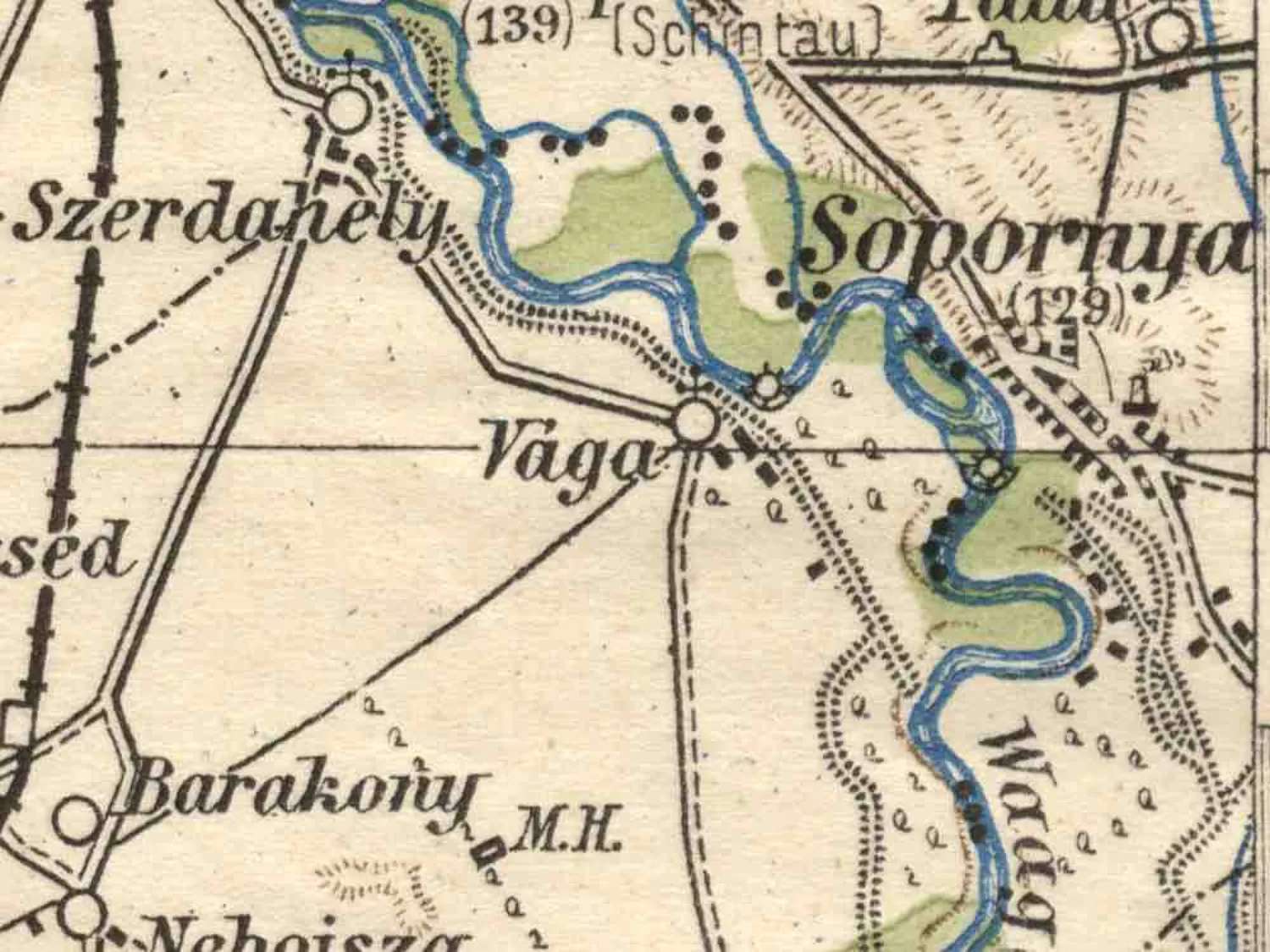
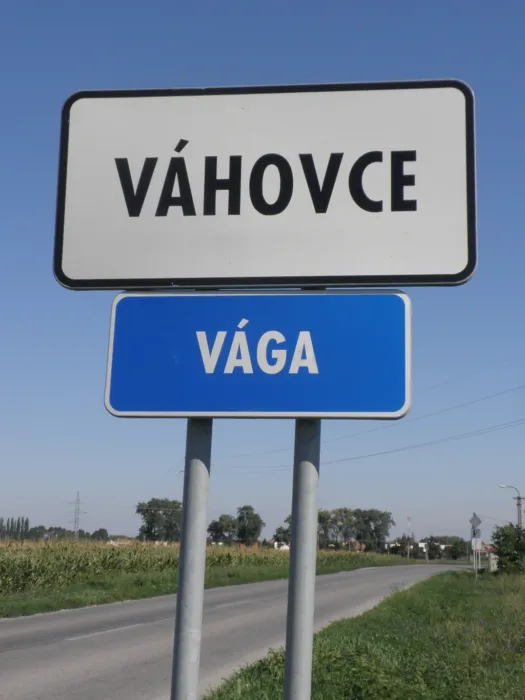
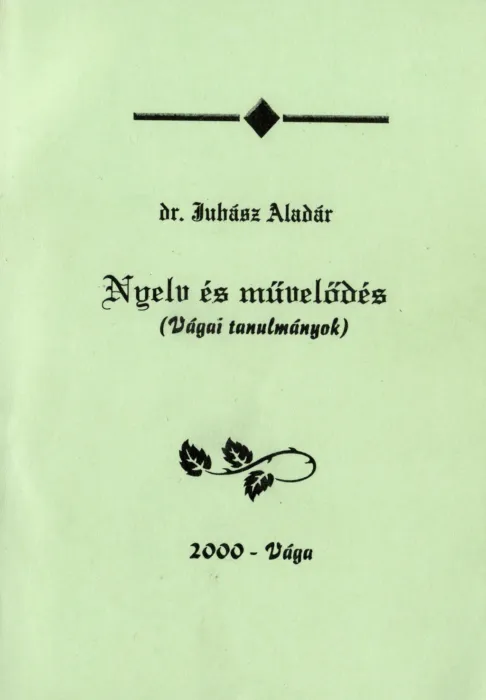
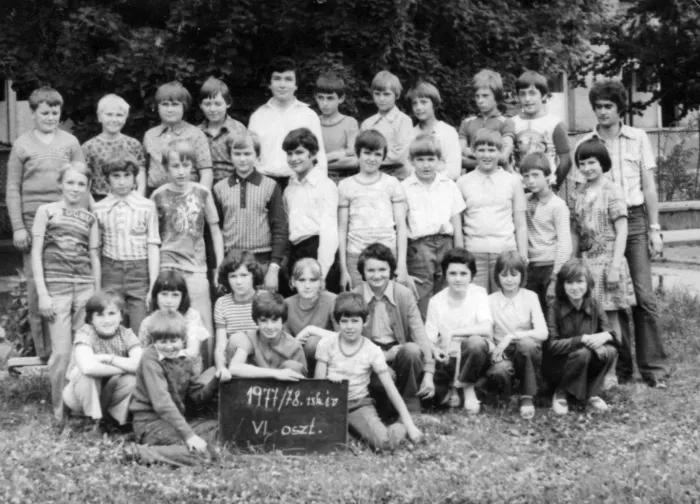
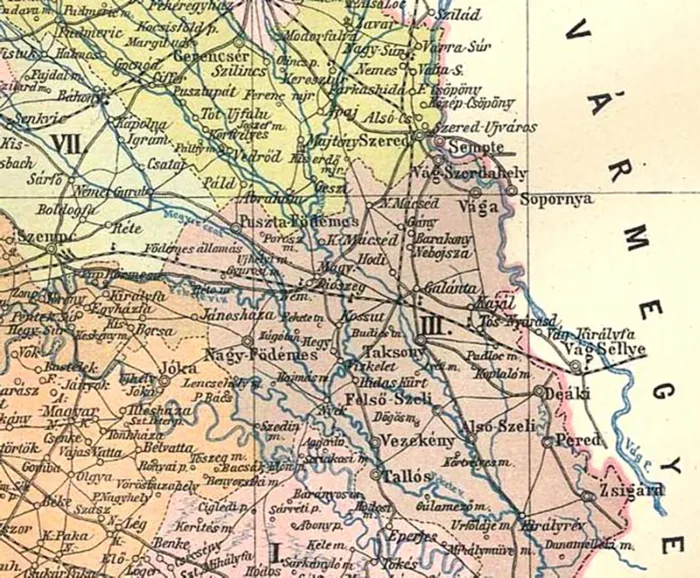
THE VÁGA LANGUAGE IS A VALUE THAT MUST BE PRESERVED. ; ; Vága is located in the north-eastern part of Mátyusföld, on the Hungarian-Slovak language border. According to oral tradition among the residents, our village was founded by Székely fishing families from Háromszék who had fled here from Transylvania, namely the Nagy, Józsa, Puskás, Forró and Szabó families. ; It is well known that our characteristic Vága dialect reveals the most about our origins. This was also noticed by our former class teacher, Aladár Juhász, back in 1978, when he began his 15-year teaching career in Vága. The man who came from afar was strange and did not understand our dialect. After the first few months, a bulletin board was displayed on the wall of our classroom, which announced in large letters: "This is how you spoke!" and below it were the words that our grandparents and great-grandparents from Vága left behind. ; And we had a good laugh about it, because it was natural for us, and we brought the additional words from home... ; The collected material was also published in the form of a book, in which Aladár Juhász, the author, wrote about the beginnings: ; ,,Education, culture are most closely related to the cultivation of the mother tongue. And the language of the Vága people prompted me to investigate it more deeply. I could not do anything else, because without knowing the local dialect I would not have been able to do my daily work at school. To understand why the child says and writes "my bag", what he is talking about when he mentions "ömêcső, kostrunkó, kohó, sulkó", what he does when ,,kåcskãl, motolog, telëget, lecåpníl". ; The Vága dialect occupies a special place among dialects, with its uniqueness, seemingly strange structure, and vocabulary, it has attracted the attention of linguists from across the border." ; ; For a taste, from the dictionary of the most frequently used Vága dialects: ; åbålé = name of cured meat, ågyusztãl = slap, slap back, åndung = strength, mood, åzsåg = ash rake for the furnace ; båbråncó = jam diluted with water, bådårãk = useless, clumsy, båmbusz = cuckoo, bånkå = one-eared basket, bêzdêr = spring onion, ; bolog = visit, borsó = bean, bóhå = type of children's toy, brënyúkãl = to croak, brudó = big, huge, brufog = to bubble, brukó = the ; feathered case, burgungyi = beefsteak, bútoríl = stumble; càltå = braided cake, cigóri = chicory, cinduló, cillinkó or fütyüllő = male genitalia, cohajda = old lady, cvërgli = pointed corn; csãcsó = mixed pickle, csãl = lies, tsingír = wine diluted with water, csirő = foal, csóvány = nettle; döböny = enameled grease container (50 - 100 liters), dörgöncs = river perch, dubincól, dubícmálól = somersaults, dúg = talks a lot, dzúgãl = pokes, beats; êbuk = drowns in water, êlbódúl = gets lost, élêslãdo = flour chest, ênyízi mágãt = stares; farcacska = pigtail, fentő = bunch of grapes, frintorog = risál, firhang = curtain, fosnyå = supporting beam, főt bor = boiled wine, fürünnyi = to bathe e.g. in the Váh; gádor = columned eaves, (be)gãfól = drunk, gájsz = petroleum, gáncå = millet porridge, gángos = loud-mouthed, sósátyár, (meg van)gégyózva = "salted", can't find its place, gërhó = human excrement, géríny = ferret, gërsli = barley porridge, gíbëlás = lost in skill, giglányå = clumsy, glény = gum, glocå = lump in the porridge, görböget = starts to cry, grimbló = clumsy, tutyimutyi, gúzs = twisted string; gyerêkéz = give birth, gyëvír = bream; håmlãl = to catch, hãtgeréc = backbone, hétutollå = weekend, himpí(é)r = raspberry, hintő = seasoning, holotr(u)tkó = any small bird, hölle = corn husk, hömbölgő = road roller, höröget = to growl, to shout; God's bread = the seed of the priest cheese; héjvirãg = a small, velvety-leaved plant, judå = a carnival piglet; kácskál = hopping on one leg, kajmó = hook, kākorja-kukusziå = dance step, kālãsz = corncob, kāmfo = support tree, kānigli = rabbit from a cave, kānikulãz = going crazy, hebehurgya, kanyhalló = depraved person, (be)kebelez = drunk, keceráj = bag, kekk = proud, kevert = a mixture of hay and straw, kindrusz = black, kiptãk = a little pig, kisefå = a tripod used for killing pigs, klomontól = to wriggle, kohó = oven, furnace, kómmogat = to gnaw, kom = corncob, krãzli = ; brandy glass, krëcsog = squeak, krimli = harrow, kúcsos = a braided wedding cake drawn on a glass, kúrentól = to wriggle; lecåpnyíl = falls, lingus = small messy room, lendėk = vetch; madzagos = strong pálinka mixed with paprika, màskårå = 1. costume, 2. person who wants to stand out, melleszt = knocks, mihånyå = respectable member of the family, mokoló = clumsy, motóllå = idiot, clumsy, motolog = try-and-lose, motoszkãl = try-and-lose, mórvãny = sour cream cake, muruggyã = manure straw, musëc = tall, fringe-like weed, musiró = little pig; nágykeskenyő = big scarf; nyåfcså = tearful, whiny, nyehó = left-handed clumsy, nyëtrêc = herb used for ear infections, nyhelőd = nestles, nyökli = helpless, nyuktícskó = small, yellow flower; obërkäz = browse, ocëtkaleves = soup made from the juice of cooked pasta, ogërgy(h)ó = shapeless, ogromånkó = small-seeded plum, ojó = 1. tavern, 2. fool, ordung = disorder; ömêcső = lifting net, övëdző = oar; pãpo = grandfather, pãpó = brandy, pãtic = paduc, pàszos = tight, snug, pelvãsó = sopa, (ki)pengyãz = little, piliszőny = mold, pintő = women's shirt, overalls, pirosszëm = red-winged bream, pízsgyëlå = small, tiny, pokol = the pit of the oil press drive wheel, pörős = press, prëzburs = pig cheese, prillå = old-fashioned lady, pritykãl = scared, pruszlik = vest, pukånci = popcorn, punkinådrãg = knee-length trousers, sweatpants, puruttyå = disgusting, unbearable; råjcóljå = something excites, råmpås = not sweet must, rékli = blouse with pleats at the bottom, rëkszëndãl = to wander, rentyűl = to dance, ropka = to wander, róstat = to wander, rőfől = to wander, rüfke = vagabond; (el)såbråkól = to disappear, to go away, såråglå = luggage rack on a bicycle, sifonír = wardrobe, sindő (sindël) = shingle, sintöllő = to shake, skëró = new walnut separated from its green shell, skucskó = cunning, sotisz = type of dance, södrő (sodró) = whirlwind, szöprő = pressed grape skin, sőőrőkóro = scalamadé, strájfarúd = cart pole, subër = door; (in the annex), subra = Easter whip, sulkó = unpopped popcorn, surmó = helpless, gyüge, súscs(ty)í = corn husk, sútyël = thunderstorm; szálól = eat, szåpulló = wooden tub, melídbarsony = type of weed, syró = guttering, skidó = clumsy, strêkácsól = splashing, szuglå = dead end; táfó = tohonya, clumsy, tálinkó = glass cap, tellëget = waving, waving, téncs = sheaf, handful, tíståbúzå = wheat, toklåsz = grain mustache, törökszővőmàrjå = beautiful woman, tråszolå = kotnyeles, trillå = chitri, bakfis, trimpãz = tear off, cut off, tyükmony = egg; ubony = dress; vådbãrsony = weed, vålåmell = a few, vålóbå = perhaps, vekerle = small; zsëcskó = bag, zsemetnye = debris, leftovers, zsubrik = stingy, zsundrog = grumble, zsvåkotãl = wash; ; According to ethnographers, Vága is one of the most traditional villages in Mátyusföld. That is why we value local values, appreciate them, preserve them, and do the same with our delicious Vága speech, because it is also part of our local culture.