
:
:

Vága bells
Other - other
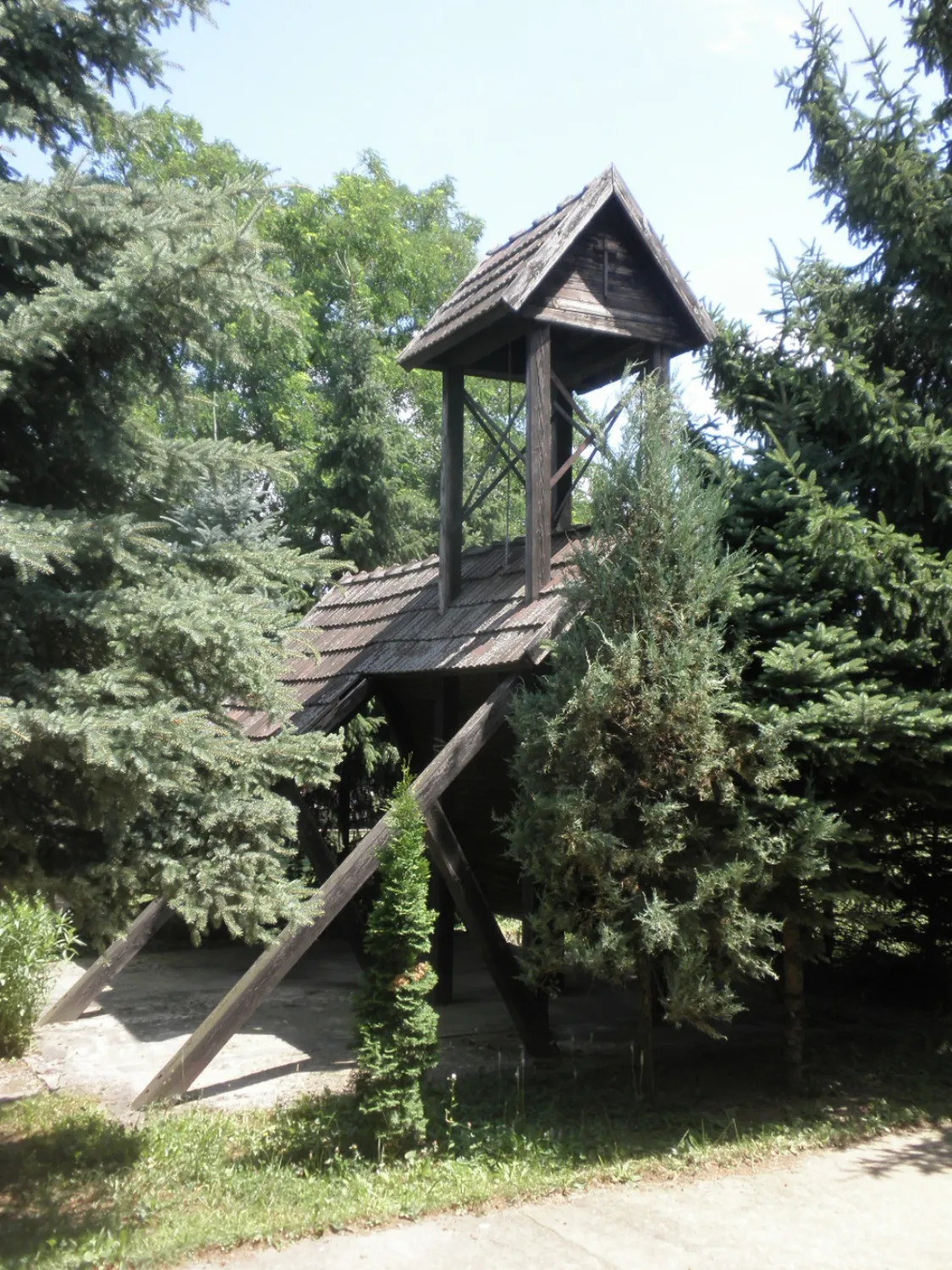
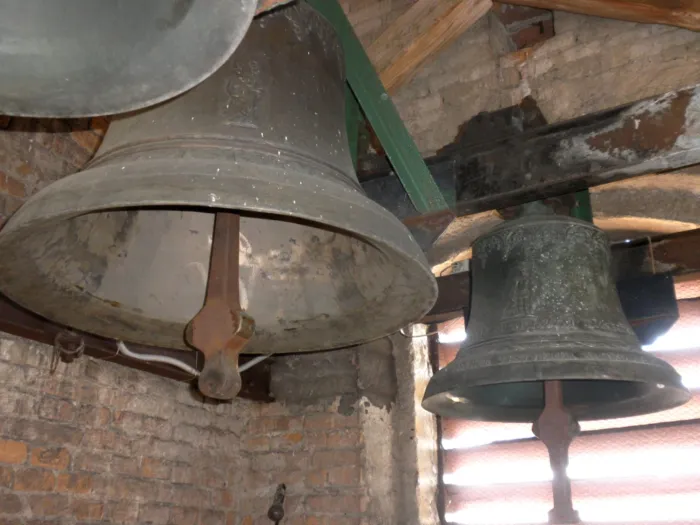
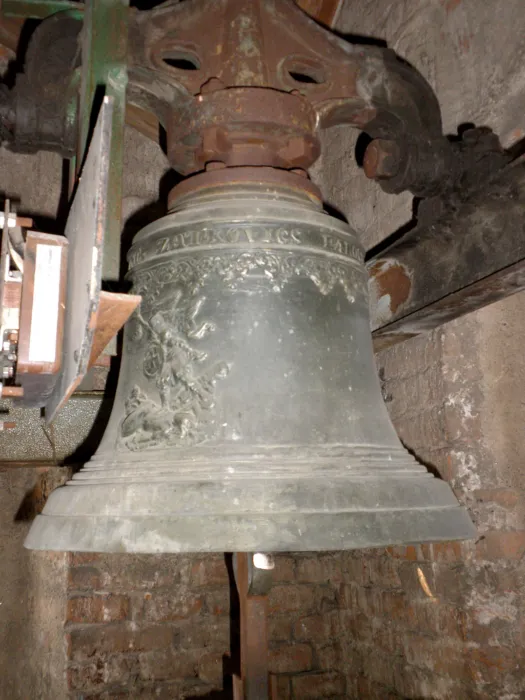
The bell and its ringing have been part of the lives of religious people for centuries, evoking deep respect in them. Their sound signifies the call and address of God, proclaiming the glory of God and calling for prayer and devotion. ; ; The people of Vága are also traditional in this regard. Regardless of ceremonies and deaths, the bell rings three times a day. The small bell rings at 6 a.m., the large bell rings at 12 noon, and the small bell rings at 6 p.m. The elderly cross themselves at the sound of all three bells and pray the Angelus; after the Angelus in the evening, they even pray for the dead. ; The bells are rung twice for weekdays and three times for Sundays. The caller rings for Sunday mass: the first and second bells ring every half hour, and the announcer rings at the start of mass. ; Even today, the bell ringing announcing a death can tell whether the deceased is a man or a woman, because "two verses are sung for a woman, three for a man". For people living far away, the bell ringing is an announcement and a funeral. ; The bell ringing, which is customary throughout the country, was also a practice in Vága when a storm was approaching. The people of Vága say: "the clouds are ringing before the storm". The memories of these occasions are vivid in the minds of the elders, as if the bell ringing dispersed the black clouds and the storm avoided the village. ; The bells are also rung twice a year at midnight. One is the bell ringing for the Christmas midnight mass, like in every other Catholic church, with all three bells for 10 minutes. The other is at midnight on St. Peter and Paul's Day, with all three bells rung for half an hour. This custom is still alive today. People say when they hear the midnight bell: now the corn is tearing up the roots (the bell). Others say: the corn is popping. After all, both refer to the ripening of the corn. That is, the harvest can begin. ; In recent years, on June 4, from 4:30 p.m., the bells have been ringing for 10 minutes with all three bells, as a reminder of the unjust Trianon peace treaty. ; ; There are three bells in the tower of the Catholic church in Vága. In the middle of the 15-foot-high tower is the large brass bell, which was made with the intercession of the Benedictine Father Sándor Teodóz Jáki from Győr, Hungary. ; ; The lower diameter of the St. Nicholas bell is 79 cm. The upper pediment of the great bell is surrounded by a rich floral decoration, and on its mantle is the cast inscription: "BISHOP SAINT MICHAEL, BE OUR PROTECTOR IN GOD! MADE FROM PUBLIC DONATIONS, 1926". On the lower part: "CUT - RE-CAST 2002". Thus, the voice of our church's patron saint resounds over the village every day. ; ; The middle bell is located on the western side of the church tower. The lower diameter of the St. Florian bell is 64 cm and was made in the bell-casting workshop of Nagyszombat. The saint, who protects against floods and fires, is depicted on the mantle of the middle bell, in Roman military uniform, with a burning house, on which he pours water from a jug. Under the relief, the bell is inscribed: "SAINT FLORIAN, PROTECT OUR COMMUNITY!" The inscription on the lower part: "CAST BY THE FISCHER BROTHERS ON NAGYSZOMBAT". ; In the village called Csincsa, in memory of the great fire and flood of 1824, a statue of Saint Florian was erected in 1827 as the patron saint of our village. ; ; The third bell is the small bell, which has been rung in our village for 160 years, at dawn and in the evening, and is also used for evening prayers and religious gatherings. In the old days, the bell was pulled from the choir by hand, on a rope, but since the 1980s, all three bells of the church have been electrically powered, controlled from the sacristy. The lower diameter of the small bell is 49 cm and is located on the east side of the tower. On one side of the mantle of the small bell, the scene of Golgotha can be seen: the crucified Christ, under the cross his mother Mary, and the apostle John. On the other side: Saint Michael the Archangel, the leader of the heavenly hosts, slaying the dragon. ; The Latin inscription on the upper part of the bell reads: “FRANC ZATKOVICS PAROCHO A. 1853. RUPTA, REVIXI, SUB”. Its Latin inscription in Hungarian reads: “It cracked, then renewed in 1853, under the parish of Ferenc Zatkovics”. ; Ferenc Zatkovics was the pastor of Vága village from May 20, 1851 to 1886. ; ; The hand-cranked funeral bell in the cemetery is designed to accompany the deceased on their last earthly journey with its sound from the funeral home to the grave. ; The lower diameter of the funeral bell in the Vága cemetery is 44 cm. On its mantle is the cast Latin inscription: “REQUIESTANT IN PACE”. Its Latin inscription in Hungarian reads: “Nyugodjék békében”. The mantle of the soul bell depicts the archangel Saint Michael with wings, in battle attire, with a sword and shield, and with the defeated dragon (the embodiment of Satan) at his feet. In Hungarian folk tradition, Saint Michael is by the side of the dying, helping them leave this earthly world and accompanying souls to the afterlife. ; The Saint Michael bell was made in 1949 by the then parish priest, Ödön Andrásfay, in the bell-casting workshop of the Fischer brothers in Nagyszombat. It was not used during socialism, and was consecrated on the bell base in the autumn of 1990. ; ; The origin of the dawn bell goes back to the 15th century. The ringing of the evening Angelus was already mentioned as an old custom by the Council of Udvard in 1309. It temporarily went out of fashion in the 16th century, but was revived by the Jesuits. The midday bell ringing commemorates the Hungarian victory over the Turks in Nándorfehérvár in 1456 throughout the Catholic world. ; ; That is why we should not let our bell culture be lost, but rather love these special, resounding creations of our national and Christian heritage. ; ; Vága bells: ; ; 1. Dawn bell ringing ; At 6 a.m., the small bell rings for two minutes. ; Sound recording: August 20, 2018. Recorded by: Róbert Farkas ; ; ; ; 2. Midday bell ringing ; At 12 noon, the large bell rings for five minutes. ; Audio recording: August 17, 2018. Recorded by: Róbert Farkas ; ; ; ; 3. Evening bell ; At 6 p.m., the middle bell rings for two minutes, then the small bell rings for two minutes. ; Audio recording: August 17, 2018. Recorded by: Róbert Farkas ; ; ; ; 4. Bell ringing for a deceased woman (Borbála Forró, born: Lancz, lived 80 years) ; The large bell rings for four minutes, then all three bells ring for 2+2 minutes. They say in part: they will sing two poems for the woman. ; Audio recording: August 22, 2018. Recorded by: Róbert Farkas ; ; ; ; 5. Bell ringing for a deceased man (István Józsa, lived 60 years) ; The great bell rings for six minutes, then all three bells ring for 2+2+2 minutes. They say in part: they sing three poems for the man. ; Audio recording: August 22, 2018. Recorded by: Róbert Farkas ; ; ; ; 6. Trianon 100 ; Bell ringing on the occasion of the 100th anniversary of the Trianon Peace Dictate, on the National Unity Day with all three bells. ; Audio recording: June 4, 2020. 4:30 p.m. Recorded by: Róbert Farkas ; ; ; ; 7. Peter and Paul Day Bell Ringing ; At midnight, all three bells ring for 30 minutes. People say when they hear the midnight bell: now the roots of the grain are being torn up (the bell). Others say: the grains of grain are popping. After all, both refer to the ripening of the grain. That is, the harvest can begin. ; Audio recording: June 29, 2020. Recorded by. Róbert Farkas