
Clearings Nature Reserve (Colonial Salt Meadows)
Other - other
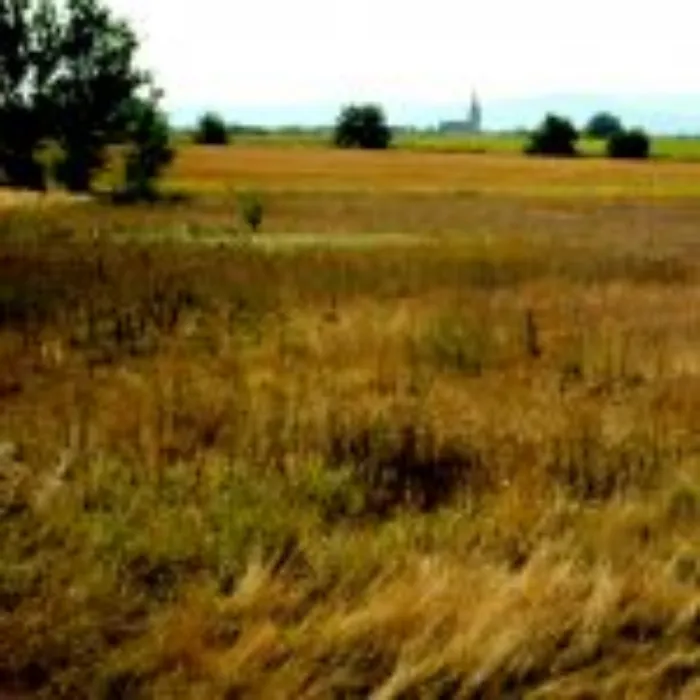
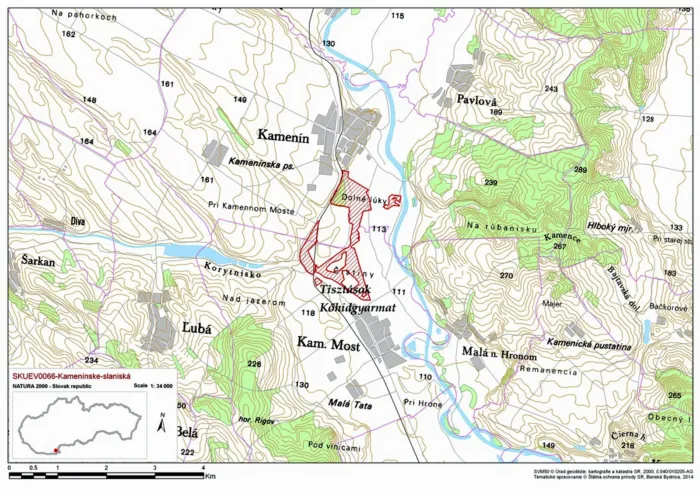
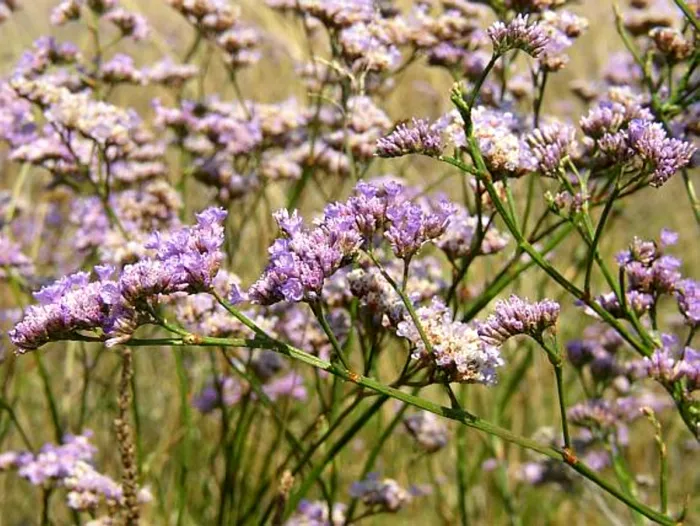
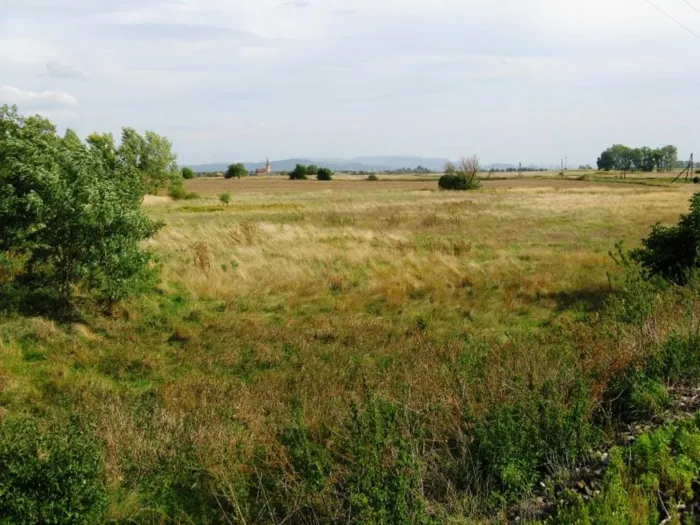
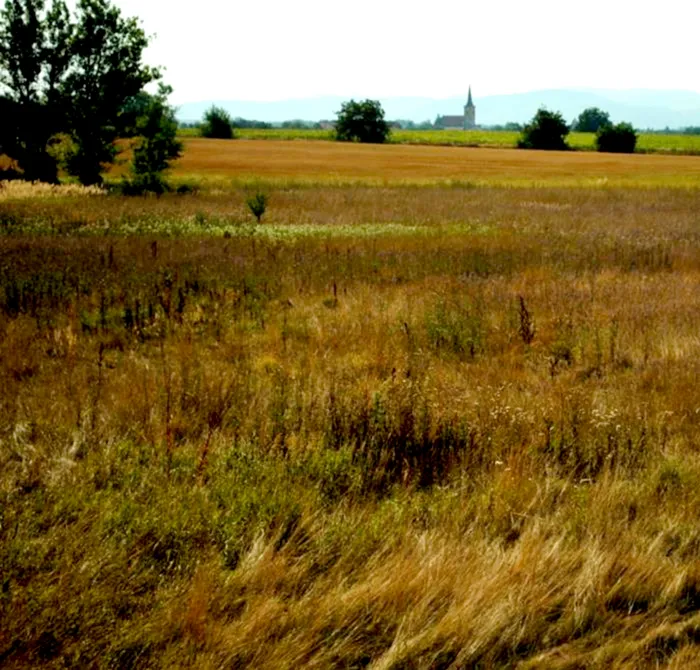
The meadows in the valley of the Párizs stream are considered the only remaining site of warm-loving plant communities that tolerate salty soil well in southern Slovakia. This area was first covered by the Tortona inland sea and then by the Sarmatian inland sea. The existence of these seas and lagoons is evidenced by the salty and saline soils that can still be found today, which are most pronounced in the area between Kőhidgyarmat and Kéménd. ; On the Kőhidgyarmat - Kéménd section of the railway line connecting Párkány with Léva, at the Libád branch of main road no. 76, on the lower section of the Garam filled with alluvial sediments, north of the mouth of the Párizs stream, on the border of the two neighboring settlements mentioned above, is the area that is called the colonial saline meadows (in the vernacular, salty meadows) in the direction of our village. In 2002, the Nitra District Office declared the 17.85 ha area as a nature reserve under the name Tisztások. The Vakszík – where the presence of the “sikőr” (barkweed) and chamomile dominate – is one of the former, large halophyte vegetation that stretched between Kéménd and Kőhidgyarmat. From a phytogeographical point of view, it is the site of the richest halophyte vegetation of the Pannonian Plateau in Slovakia today. ; The area is similar in terms of flora and vegetation to the Kéménd salt marshes. Extremely beautiful parts of the area are the open areas created by the “salt blooms”, which are bordered by the solitary association of the lamb’s parr, and in some cases completely covered. The high number of certain annual plants that determine the spring appearance of the vegetation is very typical of the colonial salt marshes. The dominance of common honey grass is very significant, which forms a more or less closed vegetation with several significant annual plants. Another significant annual plant species of the colonial salt marshes is the Szik barley or Gypsy wheat. ; The Szik honey grass association is interspersed with the salt grass – Szik wormwood association, a typical halophyte plant association of the lower reaches of the Garam. Experts have so far recorded the locations of nearly 200 plant species here, including such a highly endangered, protected species as the Szik salt grass, also referred to as the “iron flower”, which dresses the field in a beautiful bluish-purple color at the end of summer. The forked buttercup, the Szik sedge and other typical Szik and other salt-tolerant plants also have a dominant character. The valuable species of the area are the Szik sedge, the steppe sedge or bodorka, and in drier areas the banded testicle, but the Szík or steppe yarrow can also be found in this association. ; The Szík scyttyó – small-flowered pozdor association is significant from the point of view of colonial salt marshes, the distribution of which is linked to deeper, wetter areas, such as along the Párizs stream. In addition, the coastal snake grass is also widespread. One of the valuable species of this association of colonial salt marshes is the battle sedge. ; Next to the stream and in the deeper southern areas filled with water, we can also encounter such marsh and aquatic species as the valuable representative of wet meadows, the marsh sedge. ; In the lower part of the area and in the direction of the railway line, where the continuous vegetation zone has been damaged for some reason, such important, endangered species as the half-flowered cress and the mousetail also bloom in spring. In the slightly elevated areas, new species have also been recorded by experts, such as the seed-bearing sedge, the willow-leaved sedge, or the Banat sedge. ; The scientific and conservation character of the area is also enhanced by the presence of halophilic (salt-loving) organisms, primarily valuable representatives of the beetle family. A rare Mediterranean species, the stream dragonfly, occurs in this area. It occurs very rarely in Slovakia, this is only the fifth place in the country where it has been observed.