
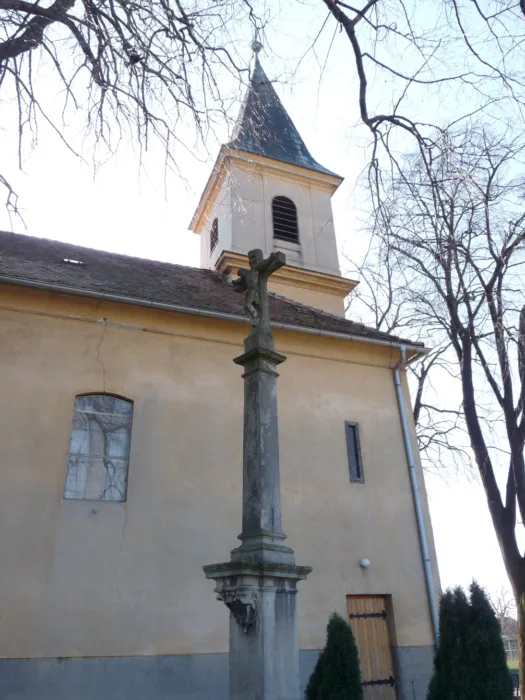
St. Mary Magdalene Roman Catholic Church
Building, structure
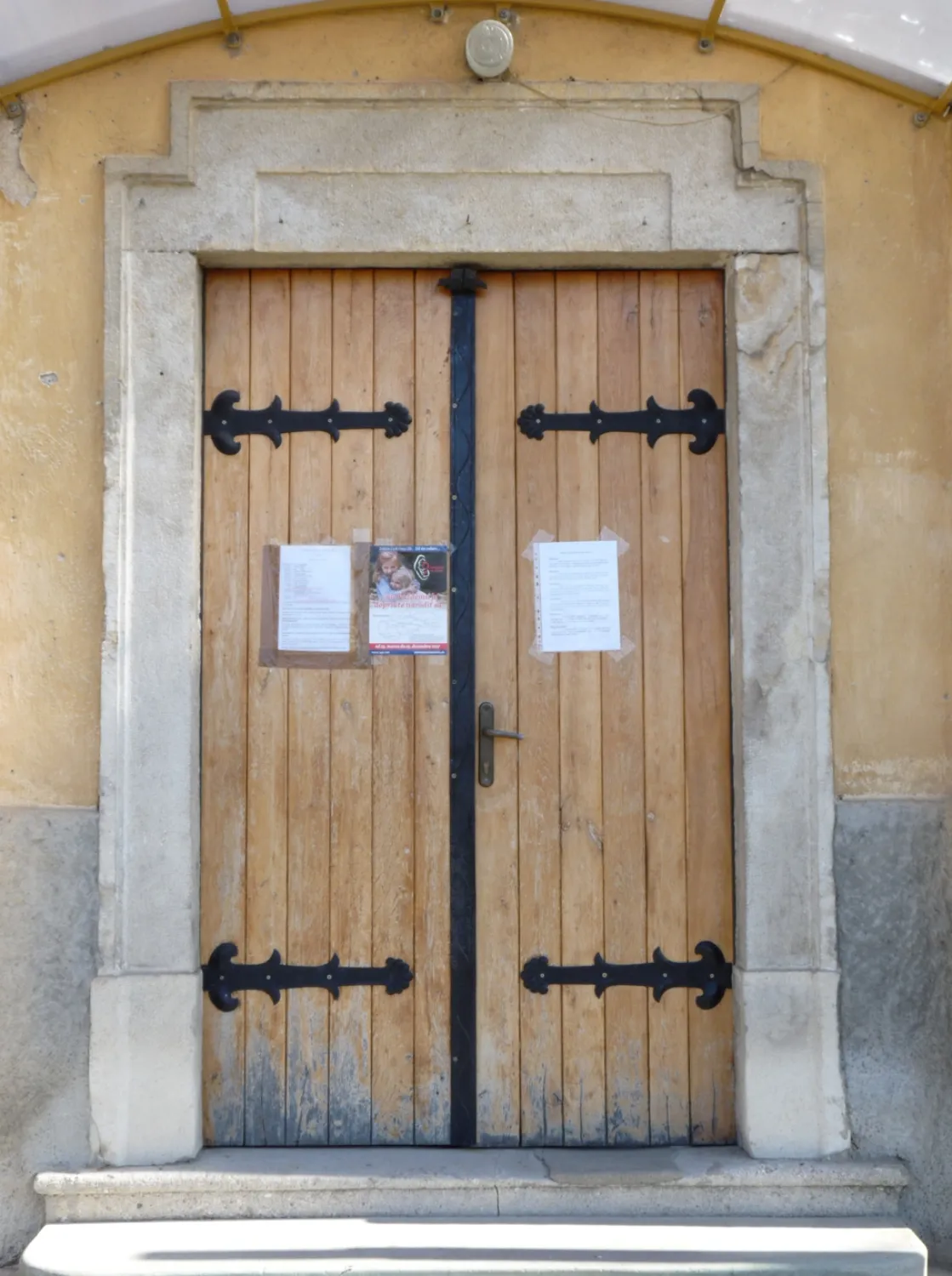
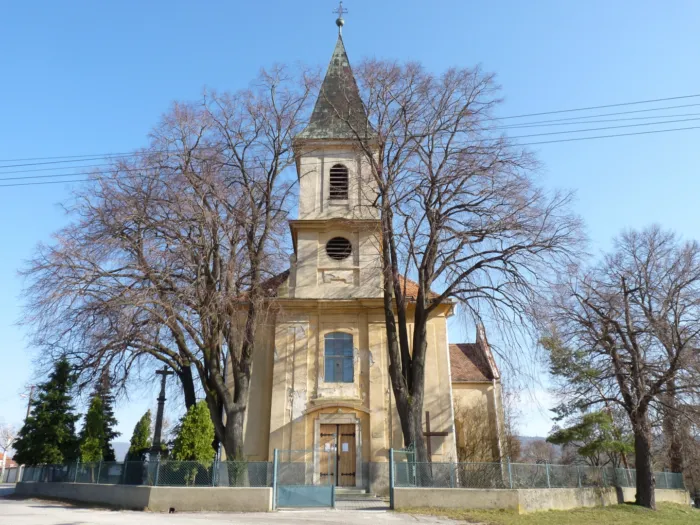
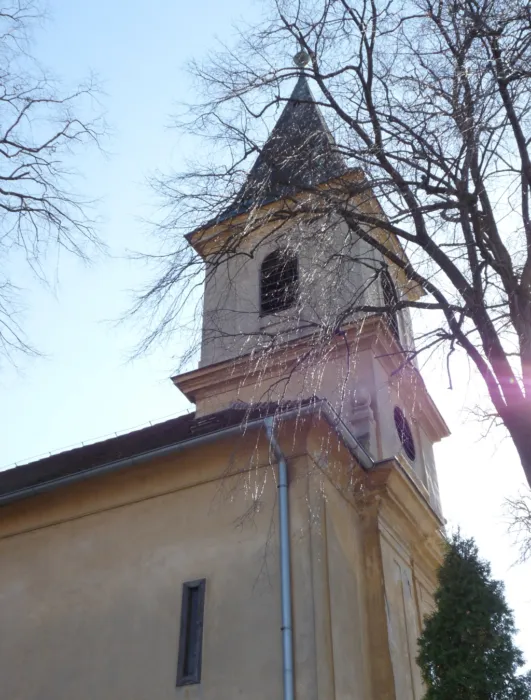
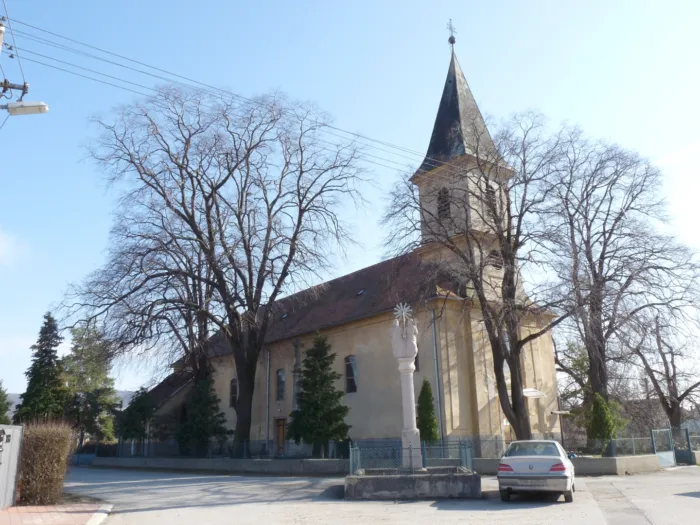
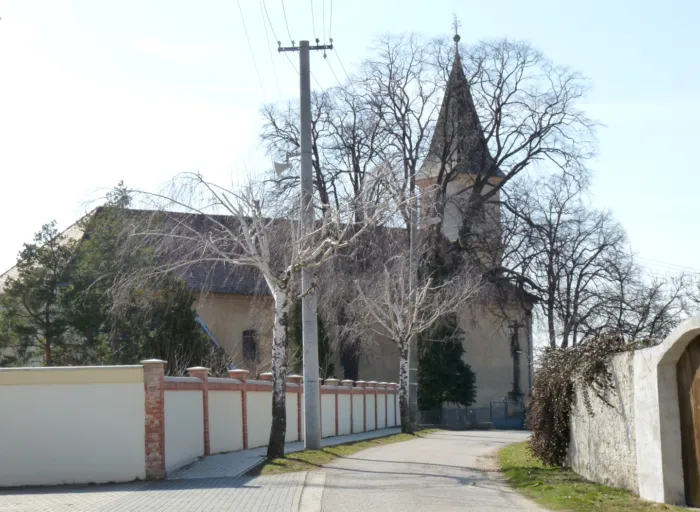
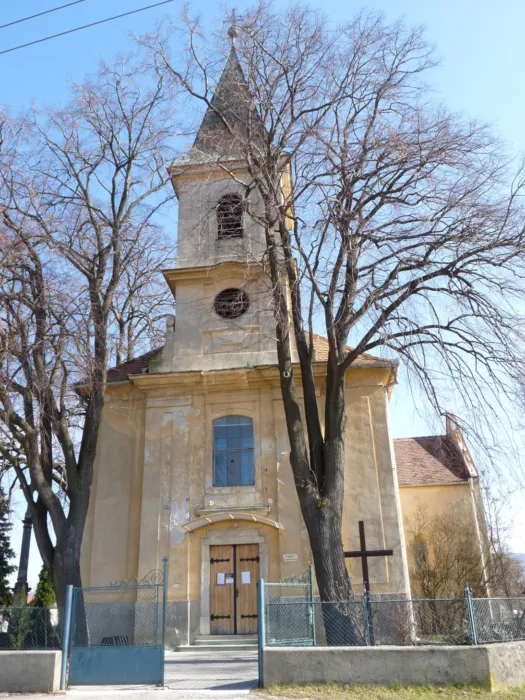
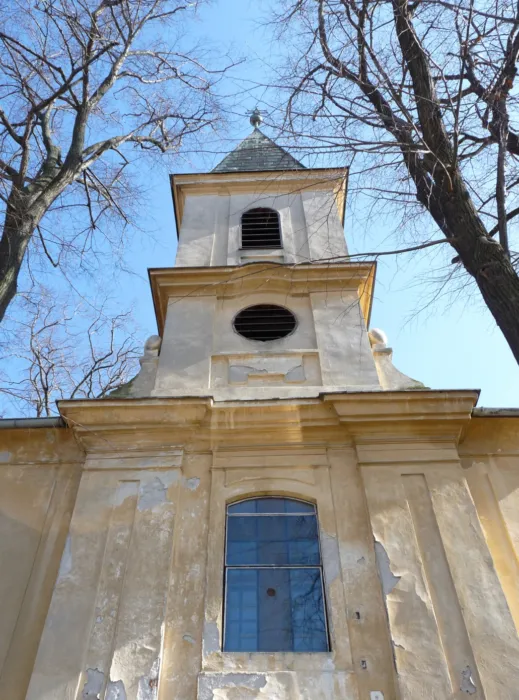
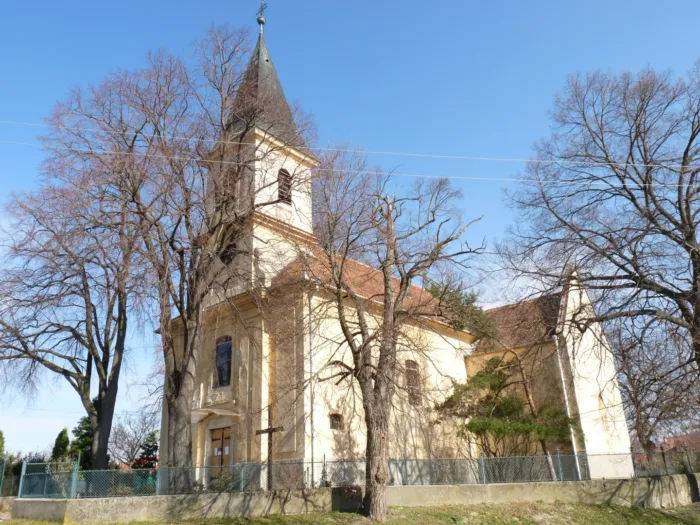
The most significant monument of the village is the Roman Catholic Church of St. Mary Magdalene. Originally built in Gothic style, it was significantly damaged during the Turkish wars and the spread of the Counter-Reformation. During the canonical visitation of 1559, it was written that the church was in a dilapidated state, it had no cemetery, altar, or consecrated stone, but the priest had the sacrament of the altar. At that time, the church had two chalices, but the baptismal font was missing. The Gothic building was renovated as a chapel around 1600 by the military officer János Lissender out of gratitude for having survived the Turkish war. In this way, he fulfilled his promise to St. James. In 1733, the provost of Esztergom, Imre Eszterházy, expanded the original building with a new nave and tower, and thus it became the side chapel of the new church. Renaissance and Baroque architectural elements were used in the reconstruction. It is a single-nave building, the sanctuary has a straight closure, with a tower built into the gable facade, an attached sacristy on the north side, and the side chapel of St. George on the south side. The plain facades of the church are only divided by the semicircular-ended windows, the tower is divided by wall strip frames. In 1913, the original Baroque tower fell victim to a natural disaster, after which the current tower was built. The portals of the church entrances are paved. The vault of the sanctuary has a comb vault, on which there are paintings depicting the four evangelists. They were painted in 1926 by a painter named Juhari. The chapel and the nave have a mirror vault. The inscription on the first arch is: Sacred Heart of Jesus, come Thy kingdom. The ceiling paintings of the nave: Come to me, the Holy Trinity and the Assumption of the Virgin Mary date from 1926, the works of the painter Nógrády. The mural above the entrance, the Holy Family, dates from the 1920s and was repaired in 1976. The mural in the chapel, the Resurrection, also dates from 1926. The original Gothic, broken windows have survived here. On the west side of the nave is an organ choir supported by two pillars. On the sides of the pseudo-Gothic high altar, there are gilded sculptures of two cherubs and in the middle a central image of Saint Mary Magdalene from 1890, by György Ferenczy. The pulpit dates from the beginning of the 20th century. On the altar of the chapel, we see the sculpture of the Pietà, on both sides there are statues of Saint Alagius and Christ, the Good Shepherd. The Lourdes Grotto with the statue of the Virgin Mary of Lourdes and the kneeling Bernadette was built in 1972. The statues were originally placed in the nave. Other statues decorating the church are the Virgin Mary with the Child, Saint Anthony, Virgin Mary, Queen of the World, the Most Sacred Divine Heart of Jesus and the Most Sacred Heart of the Virgin Mary, and in the sanctuary there are statues of Saint Joseph and Saint Teresa. The 14 paintings depicting the Stations of the Cross date from the beginning of the 20th century. The hanging painting Virgin Mary with the Child was made in 1945, a gift from the Hungarian soldier P.G. Szer. The chalice and the chalice date from the 18th century. The organ is made by the company of Viktor Moszny from Bratislava and was made at the beginning of this century. There are four bells in the tower, the two larger ones were cast by the Fischer brothers' company in Nagyszombat in 1931 and were dedicated to Saint Wendel (from donations from believers) and to the Assumption (a gift from the local credit union), the two smaller bells are uninvited.