
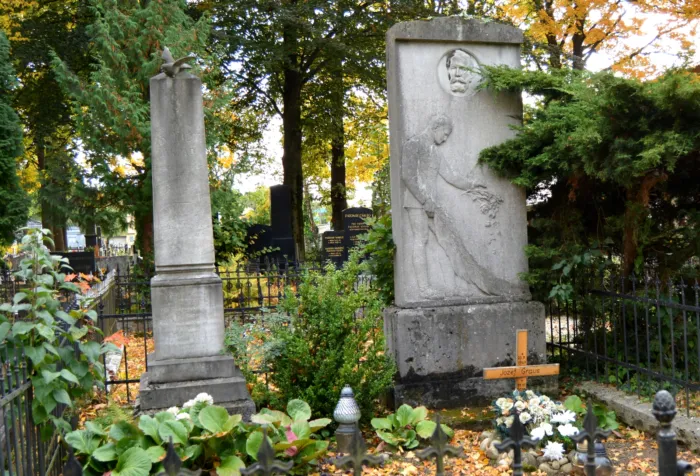
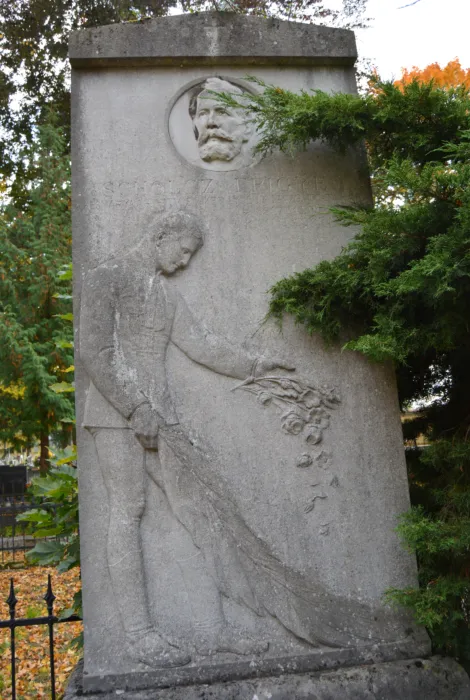
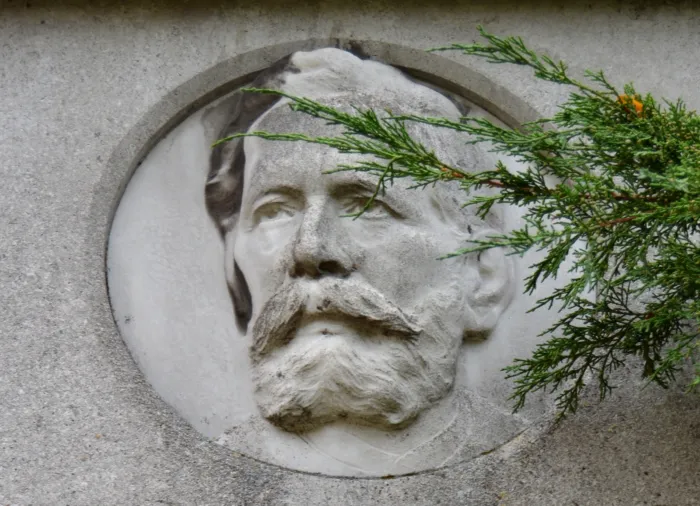
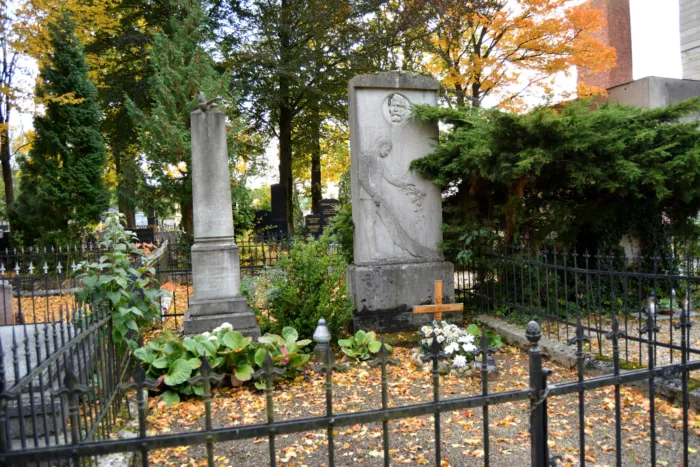
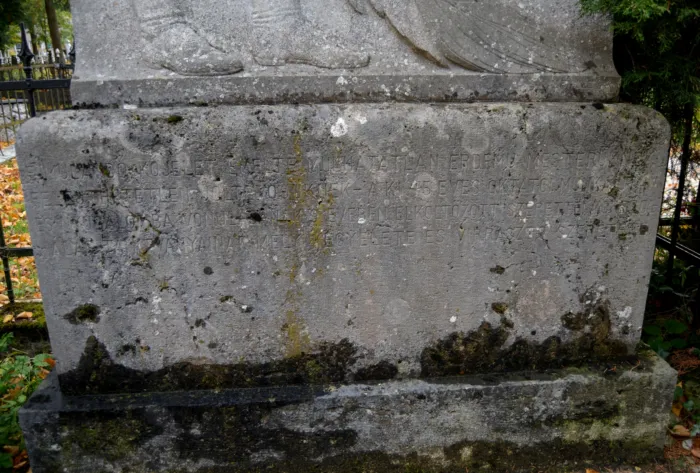
Grave of Frigyes Scholcz, lyceum principal and teacher
Cemeteries, tombstones, grave sites
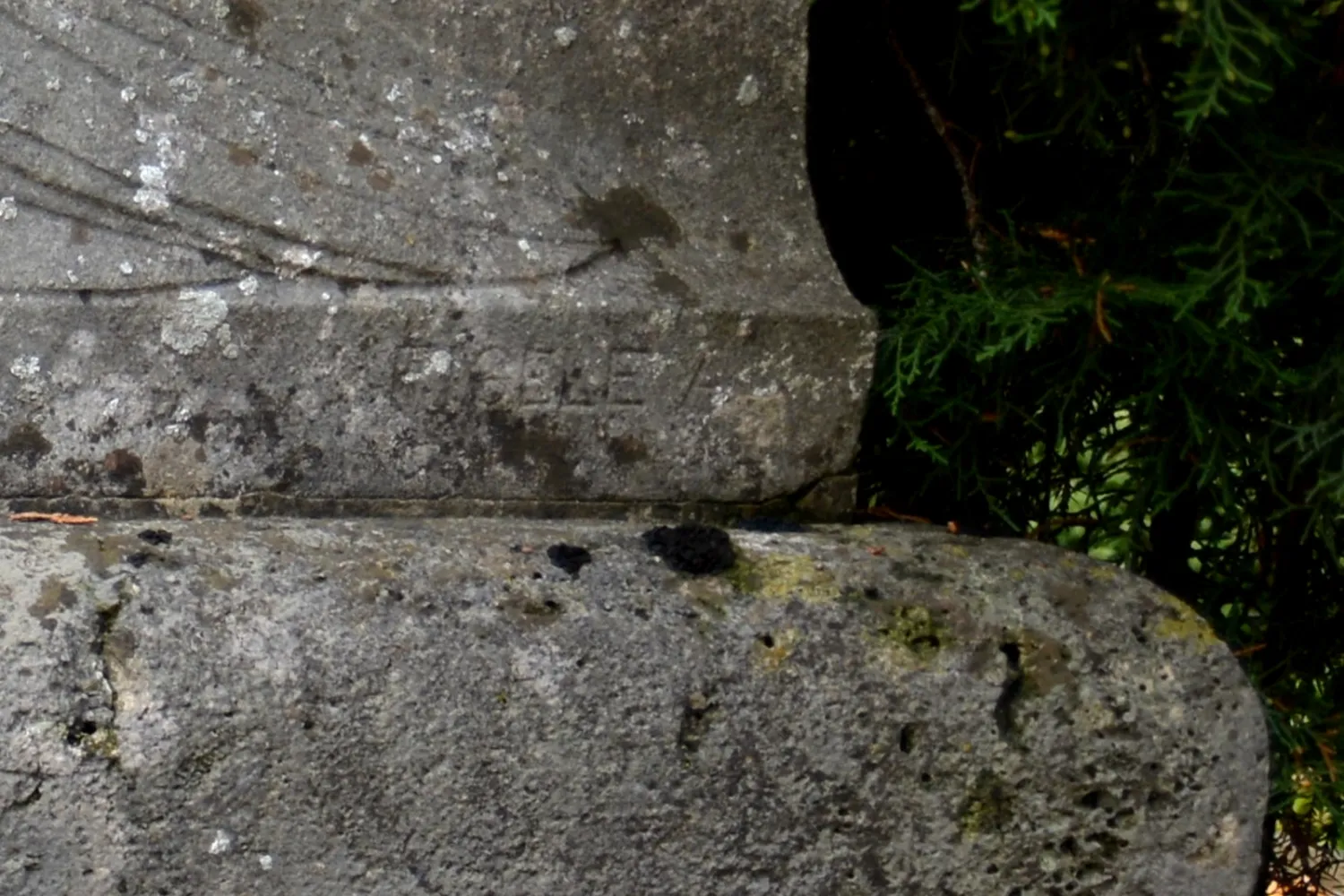
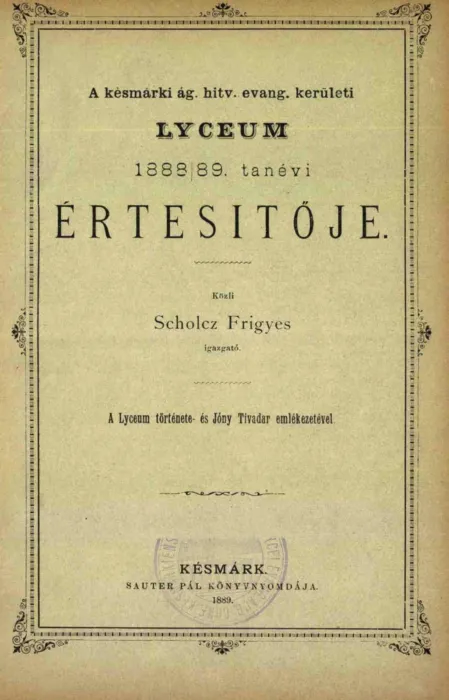
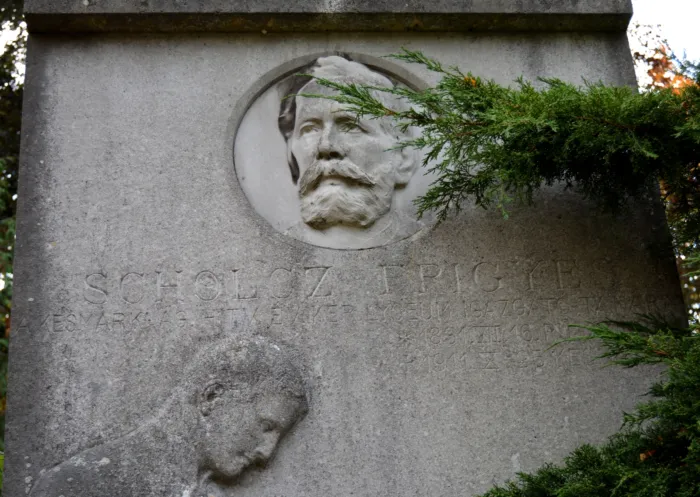
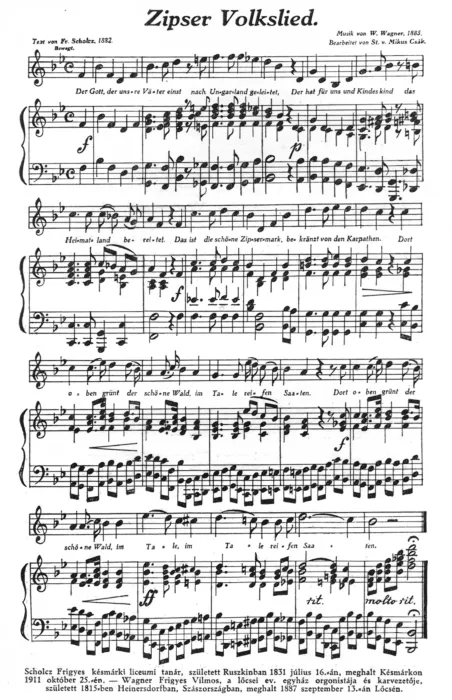
Frigyes Scholcz, abbot of the Roman Catholic Church, lyceum teacher, son of János Scholcz and Katalin Schmidt, born on July 16, 1831 in Ruszkinócz (Szepesm), he completed the gymnasium in Késmárk and the philosophy and theology course in Prešov. After passing the exam for a ministerial teacher, he was a tutor for two years at the house of Septemvir Ernő Hedry. During this time, he studied especially the masterpieces of Hungarian and German poetry. In 1857, he went to Jena, where he studied world history, history of philosophy and exegesis. Returning to his homeland in 1858, he received a teaching certificate in Hungarian and German language and history and accepted the invitation of the Késmárk lyceum, where he taught for 45 years. He was the director of the institute for twelve years. He retired in 1903. ; Czikkei in the Golden Wreath of John (The two Hun legends of the Spiš people), in the Bulletin of the Evangelical Lyceum of Keszmárk (1872. Memorial speech about György Rajner, 1876. On the immigration of the Saxons of Keszmárk, 1877. Biography of György János Mayer of London, 1879. The Tökölyek in the legend, 1891. Memory of Tivadar Jony and György János Rajner, the benefactors of the Evangelical Lyceum of Keszmárk), in Hazánk (1888. The Protestant patent), in the Egyet. Philologiai Közlöny (1904. The Kazinczy memorial tablet of Keszmárk). ; One of the songs written by Frigyes Scholcz in 1882 became the anthem of the Germans of Keszmárk (zippers). ; ; Works: ; 1. Study trip of two school clubs from Spree-Athen. Késmárk, 1882. (A humorous poetic story.) ; 2. Under the Tatra Mountains. Novelistic historical pictures in three sections. Késmárk, 1903. ; He edited the Karpaten-Post from 1882 to 1897, and was its collaborator from then on. ; ; The tombstone created by Alajos Rigele, a sculptor from Bratislava, shows the teacher's portrait and a picture of a student from Késmárk commemorating him, the inscription is now quite difficult to decipher. ; Let us pause in thought before the memory of this great person of the Zipszer, recalling the poem "Friedrich Scholz" by Frigyes Lám (Friedrich Lam), written in 1933 (Friedrich Lam: Unvergessene Heimat, 1966, 107): ; ; An deinem Grabe bin ich heut gestanden, ; Der du uns alten Zipsern wie den jungen ; Der Heimat heilge Hymne hast gesungen – ; Heim zog dein Lied uns aus den fernsten Landen! ; ; Was wir im Geiste einst für dich empfanden, ; Das, Meister, können künden keine Zungen. ; Nie ist dein Wort in unserm Herz verklungen, ; Du lebst für uns, ob auch Jahrzehnte schwanden. ; ; Mild schaut’ auf mich dein Marmorbild hernieder, ; Als säss ich froh zu deinen Füssen wieder – ; Mir war's, als whispered dein Mund im Laub. ; ; Hoch oben jauchzten Lerchen ohne Ende, ; Ich aber musse falten fromm die Hände; Und beten still: "Gesegnet sein dein Staub!" ; ; ; Free translation of the poem in Hungarian: ; ; Today I was a visitor to your grave, ; Who for us, old and young, ; You sang a holy hymn from the native land, ; And whom this song called home from a distant land. ; ; What we once felt for you in our minds, ; Master, our tongue cannot express. ; Your word has never passed away in our hearts, ; you live in us, in the decades that have passed. ; ; Your marble face looks down on me gently, ; As if I were happily sitting at your feet again, ; and it seems to me as if you were whispering something from the leaves. ; ; While above the lark sang endlessly, ; Below I folded my hands in devout prayer, ; quietly murmuring: Blessed be your dust!