
Bratislava croissant
Hungarian
There are two opinions about the history of the product. One connects its production with the Bratislava bakers' guild established in 1376. In 1559, influenced by urban consumption habits and demands, the guild decided to bake and sell horseshoes with walnuts and poppy seeds. The success of the famous Bratislava patkó (kifli) spread to other regions as well. According to others, the history of the Bratislava patkó is linked to an anonymous Bratislava confectioner who made a smaller version of the Christmas bejgli on St. Nicholas' Day before Christmas and gave it to children as a gift. The name bejgli only appeared in written form in Hungarian in 1932, and there it is an adaptation of the Bavarian Austrian beugel, bäugl. (The German beugen = to bend.) It is also possible that it was the name of a type of pastry known since the 16th century and spread from Silesia, or that it was adopted earlier. The recipe for the preparation was brought to urban-bourgeois and then rural cuisine by cookbooks and pastry books from the late 19th century. This somewhat reduced its festive character, but today it is still sold most at Christmas.
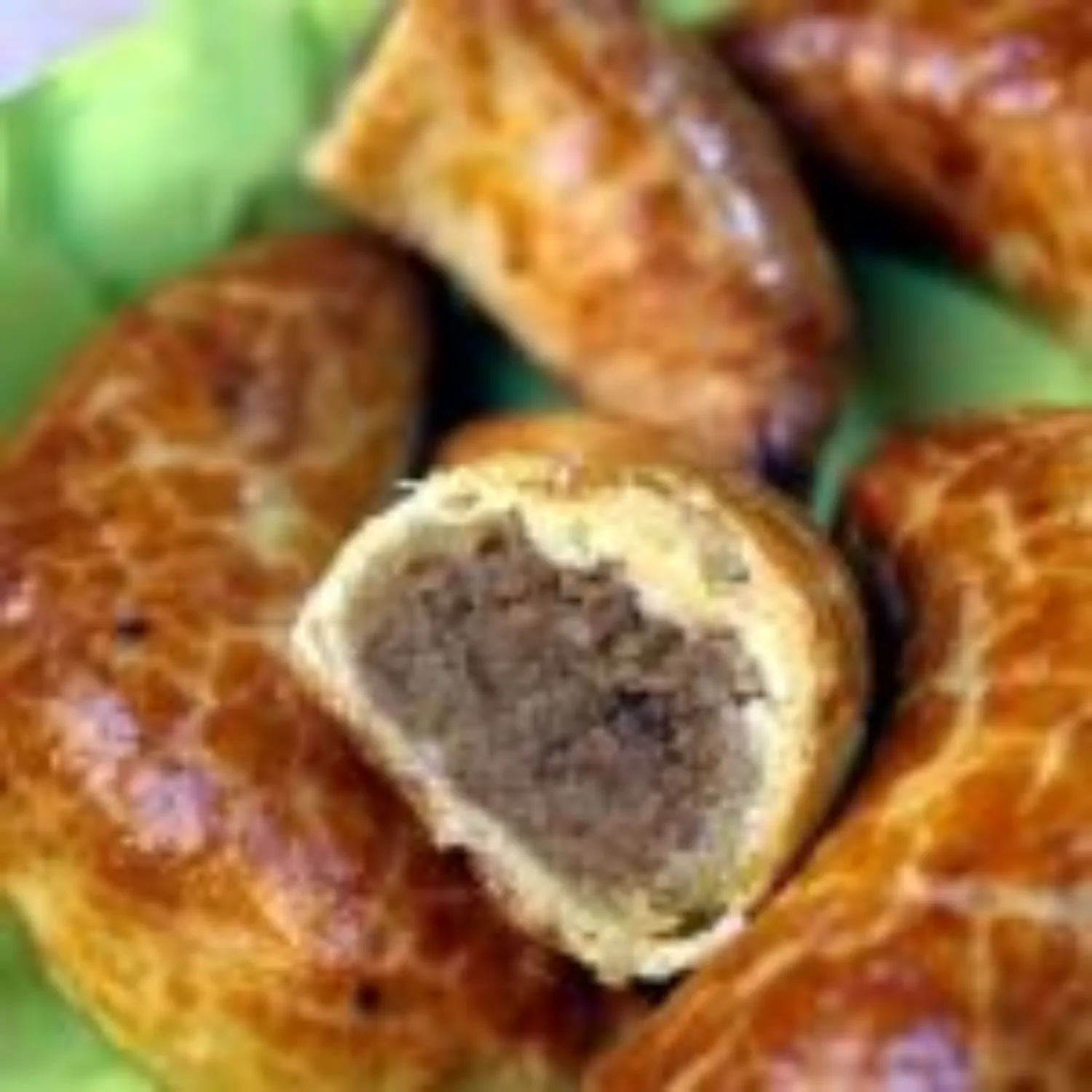
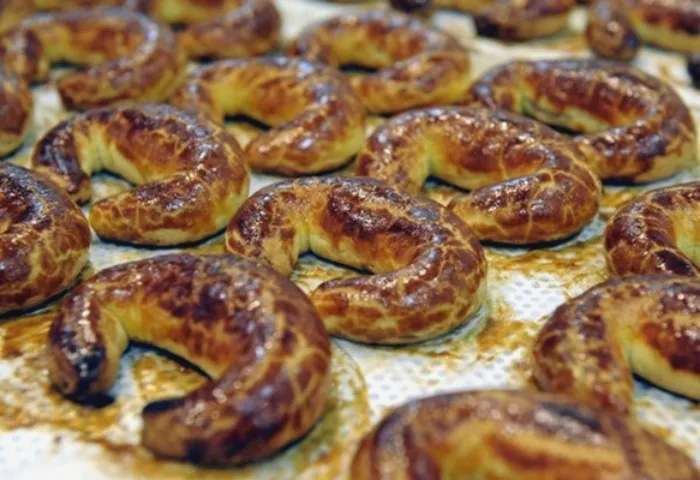
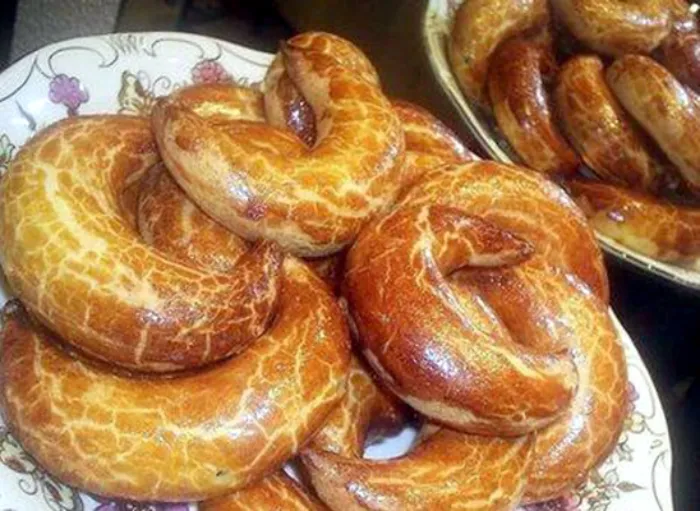
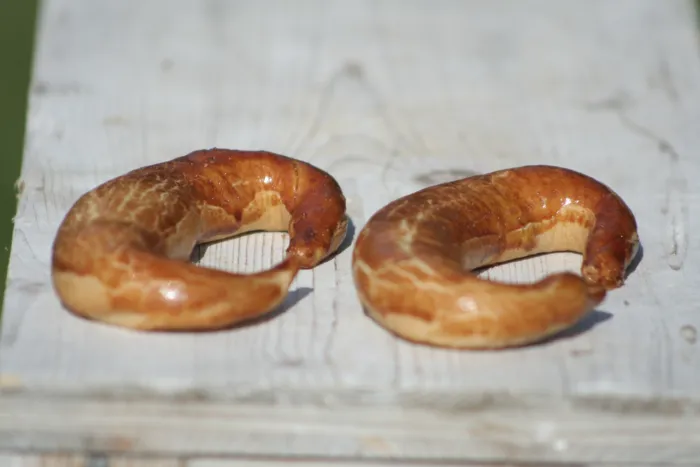
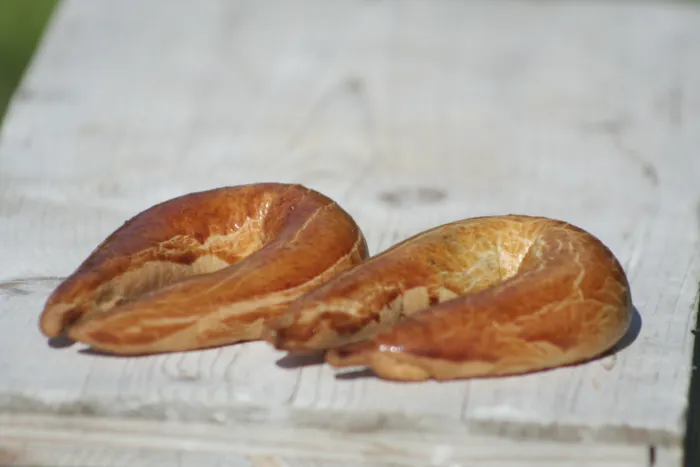
Since the Bratislava croissant was baked in several places, there were naturally small differences in the methods of preparation. However, there were and are rules that, if not followed, are not Bratislava croissants. The filling must be cooked, and the almost-finished horseshoes must be coated with egg foam to give them a marbled surface. Since 2012, the traditional Bratislava croissant has also been protected by EU rules, meaning that a product that is not made according to the specified procedure cannot be officially sold under this name. Vojtech Szemes, head of the West Slovak Confectioners' Guild, has repeatedly stated in the press that the secret of Bratislava croissants lies mostly in the exact ratio of dough and filling. If there is not enough poppy seeds or nuts, the croissant is too dry, while "overfilled" horseshoes break very easily. Incidentally, one of the secrets to the softness and crumbliness of the dough is duck fat, which is also among the mandatory ingredients. Another rule is that the poppy seed and walnut versions must be bent into different shapes (regular semicircles or horseshoes) for easier distinguishable.
Recipe: (approx. 60 pieces):
Dough: 1 kg of fine wheat flour, 60 g of yeast (the yeast is activated in approx. 0.1 l of lukewarm milk for 20 minutes), 10 g of salt, 130 g of sugar, 300 g of fresh butter, possibly lard, 0.2 l of whole milk
Let the dough rest for half an hour, then knead it again. After another 15 minutes of resting, divide it into approx. 30-gram portions and form small balls from them.
Filling: 0.5 kg of ground walnuts or ground poppy seeds, 400 g of powdered sugar, 1 sachet of vanilla sugar, 0.25 l of whole milk
Tip: The poppy seed filling can be made fresher with a pinch of cinnamon. The filling should be at least as thick as the dough. For the glaze, you need at least 4 egg yolks. Bake at a temperature of around 200 0C for approx. 12 minutes.
Prepare the dough: Pour the yeast that has been activated in 0.1 l of lukewarm milk for 20 minutes into the flour, then mix in the sugar, salt and remaining milk. Gradually add the butter and knead a non-sticky dough. Form it into a ball and let it rise for 30 minutes, then knead it again. After another 15 minutes of resting, divide it into approx. 30 gram portions and form small balls from them.
Prepare the filling: Heat the milk with the sugar while stirring continuously. Add the poppy seeds or walnuts and heat until thickened, also stirring continuously. Then remove from the heat, add the vanilla sugar and let it cool completely. You should get a thick mass that can be shaped into cylinders.
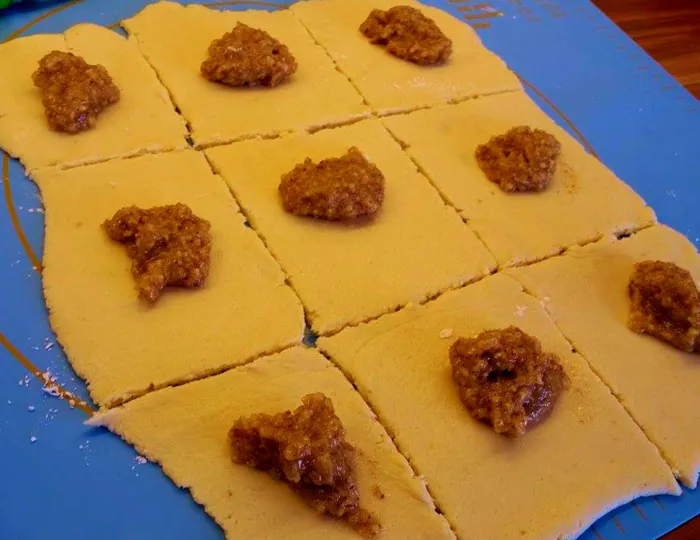
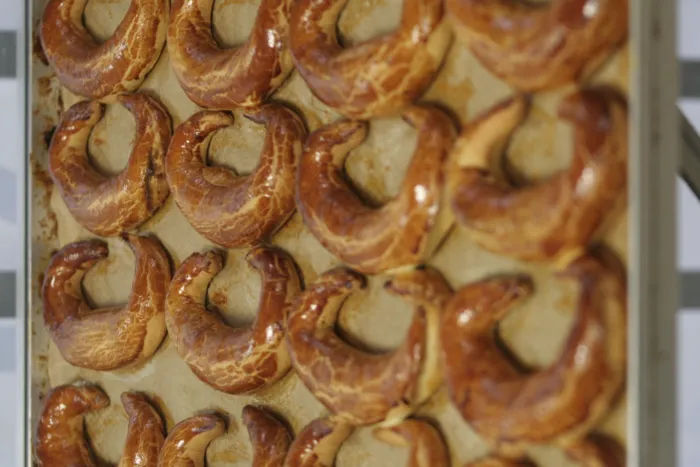
Shaping the croissants: Roll out the dough balls into an oval shape and place the cylinders formed from the filling in the middle of them. The filling should be at least as thick as the dough. Shape the croissants and place them on the baking sheet and bend them into a horseshoe or “C” shape.
Tip: The part where the dough is joined should be at the bottom of the croissant so that it does not open up when baking.
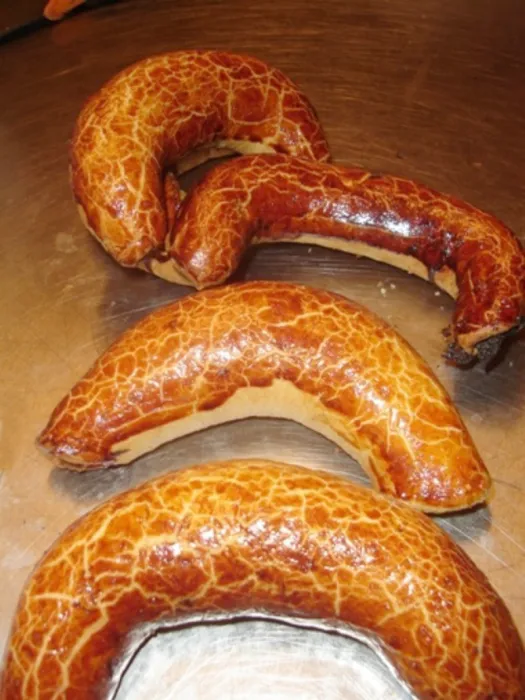
Brushing the dough: Brush the surface of the croissants generously with the beaten egg yolk, then place them in a cool place so that the egg glaze dries. When it is no longer sticky, place the baking sheet with the croissants in a warmer place for 15-20 minutes so that the glaze cracks (becomes marbled) as the dough rises. To increase the marbling, this procedure can be performed 2-3 times. Bake the croissant at a temperature of around 200 0C for about 12 minutes.
Tip: It is worth placing the croissant smeared with egg yolk in a well-ventilated place, for example in a draft, so that the glaze dries faster.
Basic principles:
In the dough recipe, at least 30% of the flour must be fat or butter in the right amount.
The filling can only be poppy seed or nut, and it must account for at least 40% of the total weight of the croissant.
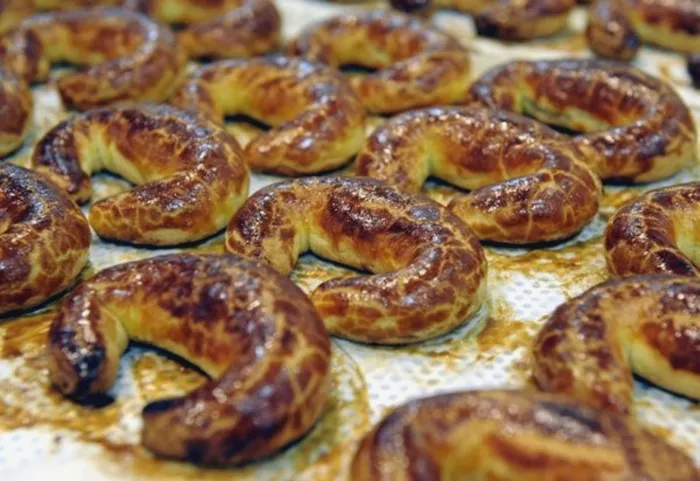
Amákos croissant is horseshoe-shaped, adiós C-shaped.
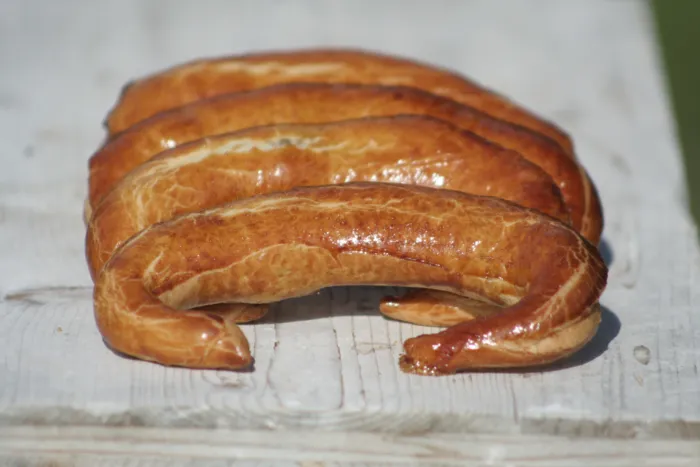
The surface of the croissant must be shiny and marbled.
Apozsony croissants must be made by hand, without chemical preparations.
Bratislava croissants have been baked for several centuries and are available in Vienna and Budapest. Although its current form only became established in the 18th century, it is said that in Central Europe, filled sweet dough was baked as early as the 14th century, among the Silesian Jews. According to another tradition, the first bent sweet croissant was baked by a Viennese baker in 1683 in honor of the Polish King János Sobieski, who defeated the Turkish armies besieging Vienna. In any case, walnut and poppy seed croissants were widespread in this part of Europe, and the people of Bratislava baked them on the occasion of every important holiday or event. Its name comes from the German (more precisely Austrian) word Beigel, Beugel, which means: bent. In the Hungarian national cookbook published in 1830 by István Czifray, it is listed as “Posonyi finom mákos kaláts”. This leads to the conclusion that the adjective “Potsony” stuck to the name of the walnut and poppy seed cake at the turn of the 18th and 19th centuries. Ágost Schwappach was the first to protect the Bratislava poppy seed and walnut horseshoe as a product and made the Bratislava croissant very popular abroad. He won gold medals with them in Amsterdam, Lyon, London and Chicago. Schwappach also promoted his products on postcards. “You can come east or west, walnut croissants are the best in Bratislava” – the slogan can be read in the four corners of the postcard, on which a large Bratislava croissant rises above the city panorama. The Bratislava croissant is a pastry registered as a traditional speciality by the European Union.
Year of Hungarikum qualification 2023
Since the Bratislava croissant was baked in several places, there were naturally small differences in the methods of preparation. However, there were and are rules that, if not followed, are not Bratislava croissants. The filling must be cooked, and the almost-finished horseshoes must be coated with egg foam to give them a marbled surface. Since 2012, the traditional Bratislava croissant has also been protected by EU rules, meaning that a product that is not made according to the specified procedure cannot be officially sold under this name. Vojtech Szemes, head of the West Slovak Confectioners' Guild, has repeatedly stated in the press that the secret of Bratislava croissants lies mostly in the exact ratio of dough and filling. If there is not enough poppy seeds or nuts, the croissant is too dry, while "overfilled" horseshoes break very easily. Incidentally, one of the secrets to the softness and crumbliness of the dough is duck fat, which is also among the mandatory ingredients. Another rule is that the poppy seed and walnut versions must be bent into different shapes (regular semicircles or horseshoes) for easier distinguishable.
Recipe: (approx. 60 pieces):
Dough: 1 kg of fine wheat flour, 60 g of yeast (the yeast is activated in approx. 0.1 l of lukewarm milk for 20 minutes), 10 g of salt, 130 g of sugar, 300 g of fresh butter, possibly lard, 0.2 l of whole milk
Let the dough rest for half an hour, then knead it again. After another 15 minutes of resting, divide it into approx. 30-gram portions and form small balls from them.
Filling: 0.5 kg of ground walnuts or ground poppy seeds, 400 g of powdered sugar, 1 sachet of vanilla sugar, 0.25 l of whole milk
Tip: The poppy seed filling can be made fresher with a pinch of cinnamon. The filling should be at least as thick as the dough. For the glaze, you need at least 4 egg yolks. Bake at a temperature of around 200 0C for approx. 12 minutes.
Prepare the dough: Pour the yeast that has been activated in 0.1 l of lukewarm milk for 20 minutes into the flour, then mix in the sugar, salt and remaining milk. Gradually add the butter and knead a non-sticky dough. Form it into a ball and let it rise for 30 minutes, then knead it again. After another 15 minutes of resting, divide it into approx. 30 gram portions and form small balls from them.
Prepare the filling: Heat the milk with the sugar while stirring continuously. Add the poppy seeds or walnuts and heat until thickened, also stirring continuously. Then remove from the heat, add the vanilla sugar and let it cool completely. You should get a thick mass that can be shaped into cylinders.
Shaping the croissants: Roll out the dough balls into an oval shape and place the cylinders formed from the filling in the middle of them. The filling should be at least as thick as the dough. Shape the croissants and place them on the baking sheet and bend them into a horseshoe or “C” shape.
Tip: The part where the dough is joined should be at the bottom of the croissant so that it does not open up when baking.
Brushing the dough: Brush the surface of the croissants generously with the beaten egg yolk, then place them in a cool place so that the egg glaze dries. When it is no longer sticky, place the baking sheet with the croissants in a warmer place for 15-20 minutes so that the glaze cracks (becomes marbled) as the dough rises. To increase the marbling, this procedure can be performed 2-3 times. Bake the croissant at a temperature of around 200 0C for about 12 minutes.
Tip: It is worth placing the croissant smeared with egg yolk in a well-ventilated place, for example in a draft, so that the glaze dries faster.
Basic principles:
In the dough recipe, at least 30% of the flour must be fat or butter in the right amount.
The filling can only be poppy seed or nut, and it must account for at least 40% of the total weight of the croissant.
Amákos croissant is horseshoe-shaped, adiós C-shaped.
The surface of the croissant must be shiny and marbled.
Apozsony croissants must be made by hand, without chemical preparations.
Bratislava croissants have been baked for several centuries and are available in Vienna and Budapest. Although its current form only became established in the 18th century, it is said that in Central Europe, filled sweet dough was baked as early as the 14th century, among the Silesian Jews. According to another tradition, the first bent sweet croissant was baked by a Viennese baker in 1683 in honor of the Polish King János Sobieski, who defeated the Turkish armies besieging Vienna. In any case, walnut and poppy seed croissants were widespread in this part of Europe, and the people of Bratislava baked them on the occasion of every important holiday or event. Its name comes from the German (more precisely Austrian) word Beigel, Beugel, which means: bent. In the Hungarian national cookbook published in 1830 by István Czifray, it is listed as “Posonyi finom mákos kaláts”. This leads to the conclusion that the adjective “Potsony” stuck to the name of the walnut and poppy seed cake at the turn of the 18th and 19th centuries. Ágost Schwappach was the first to protect the Bratislava poppy seed and walnut horseshoe as a product and made the Bratislava croissant very popular abroad. He won gold medals with them in Amsterdam, Lyon, London and Chicago. Schwappach also promoted his products on postcards. “You can come east or west, walnut croissants are the best in Bratislava” – the slogan can be read in the four corners of the postcard, on which a large Bratislava croissant rises above the city panorama. The Bratislava croissant is a pastry registered as a traditional speciality by the European Union.
Year of Hungarikum qualification 2023