
Piarist Church and Monastery, Podolin
Building, structure
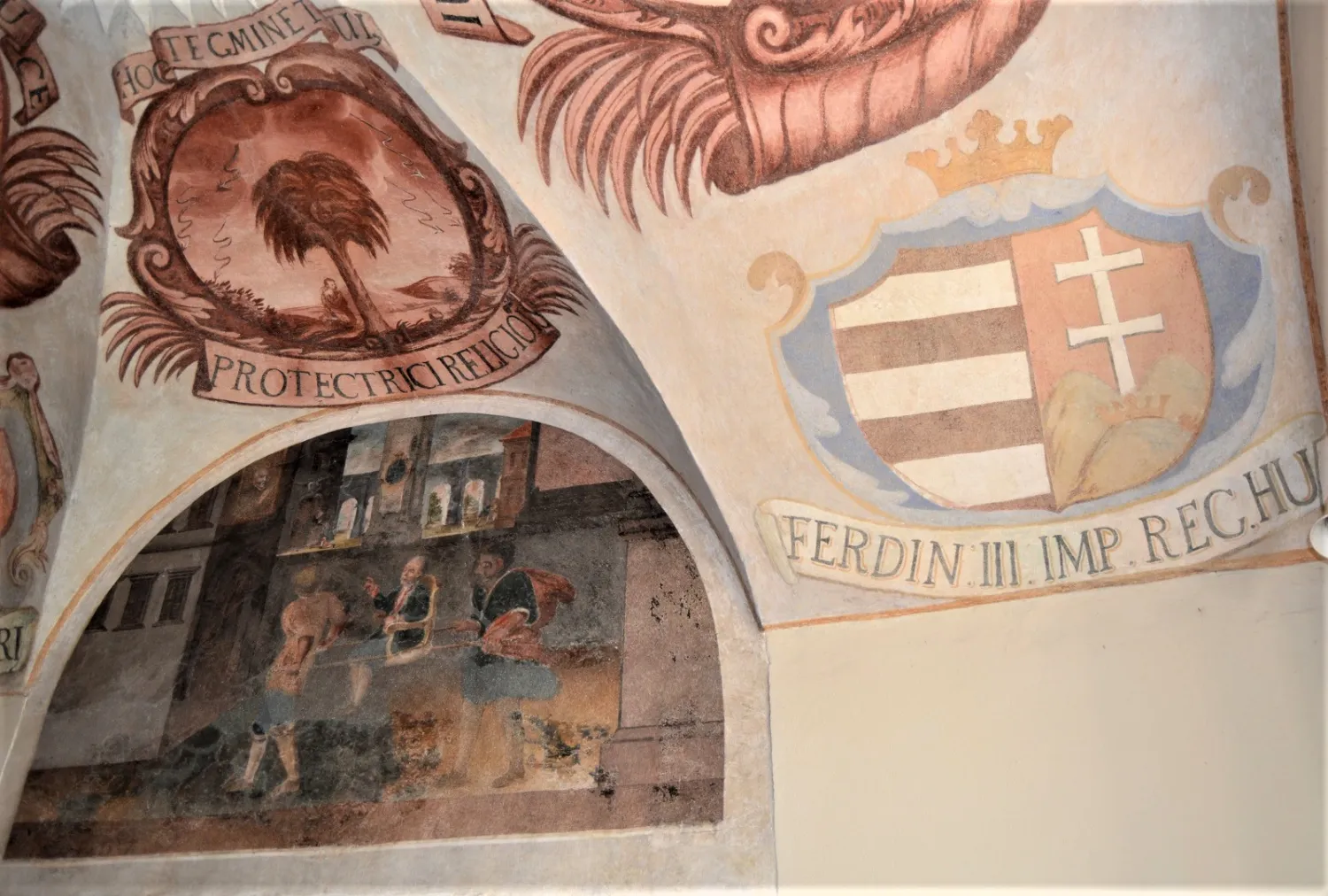
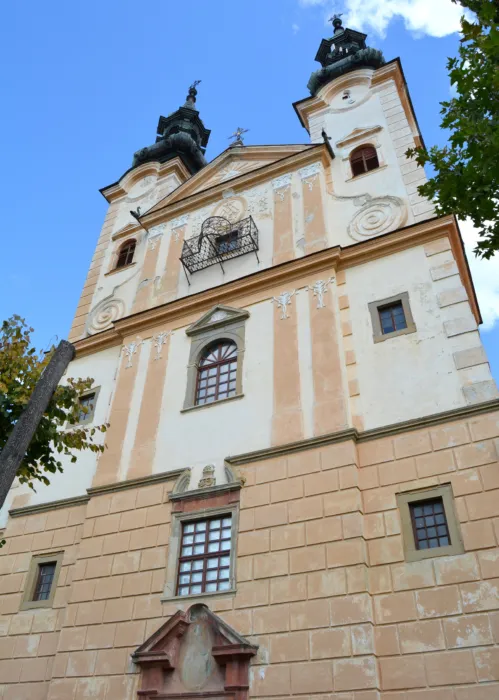
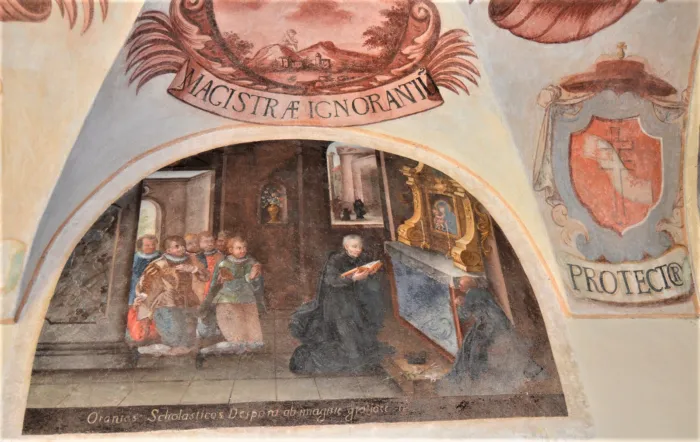
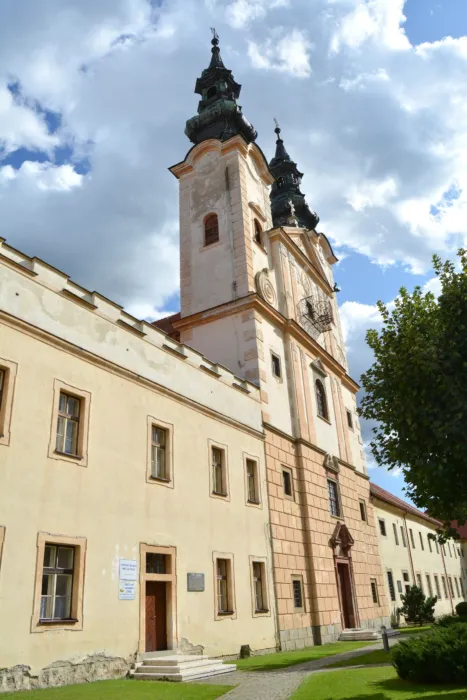
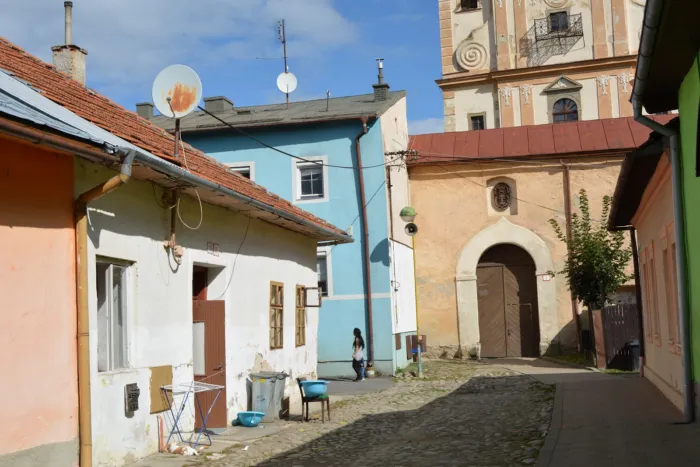
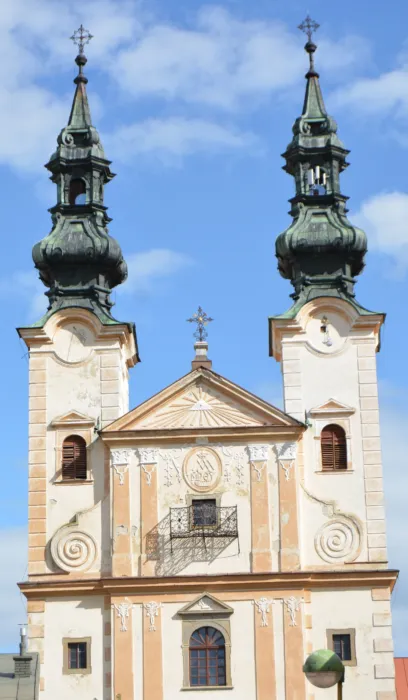
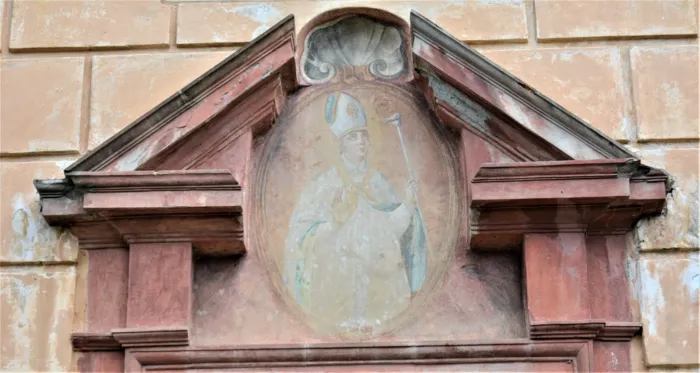
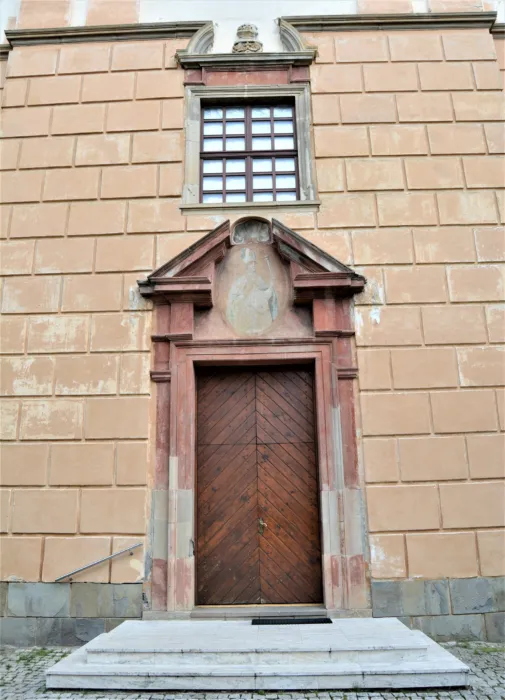
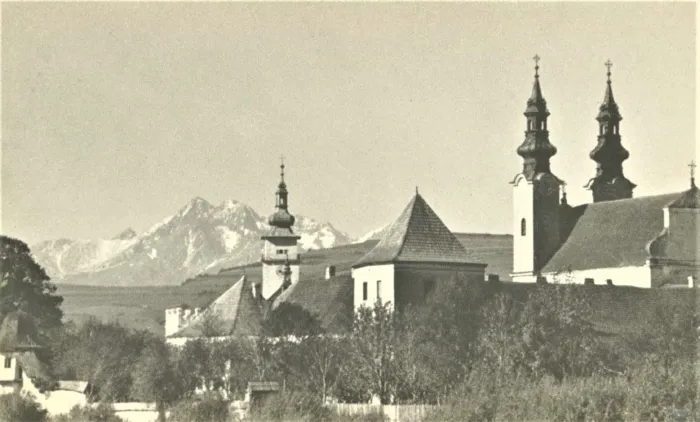
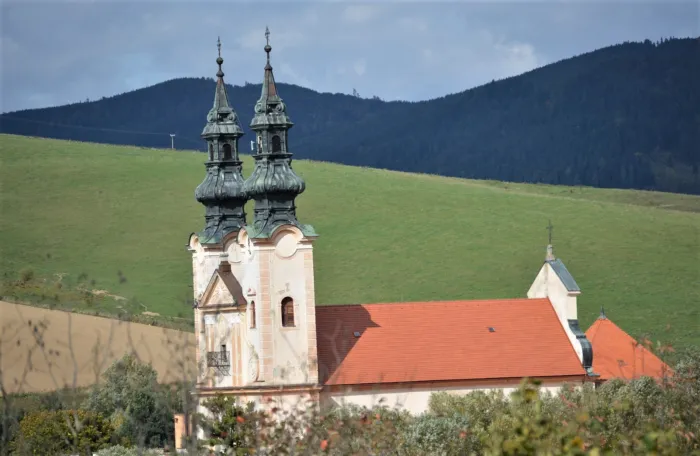
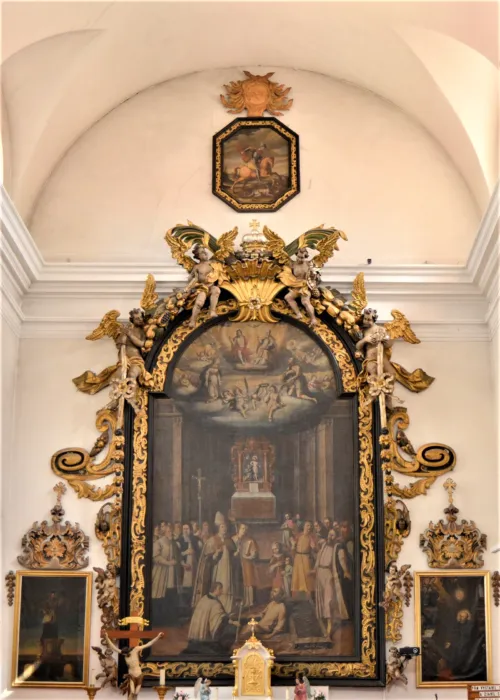
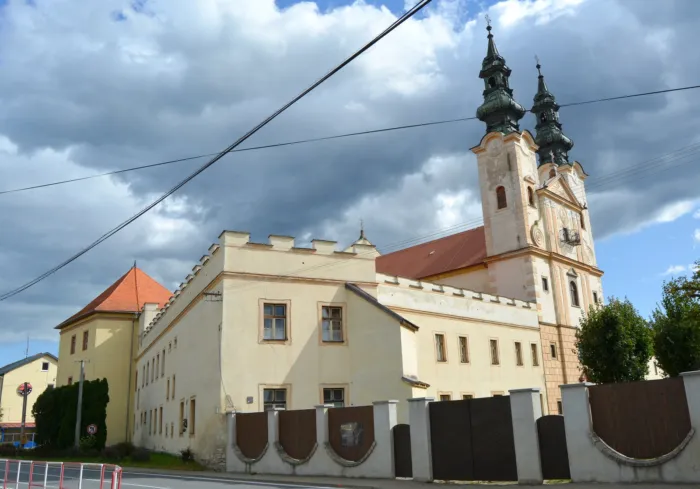
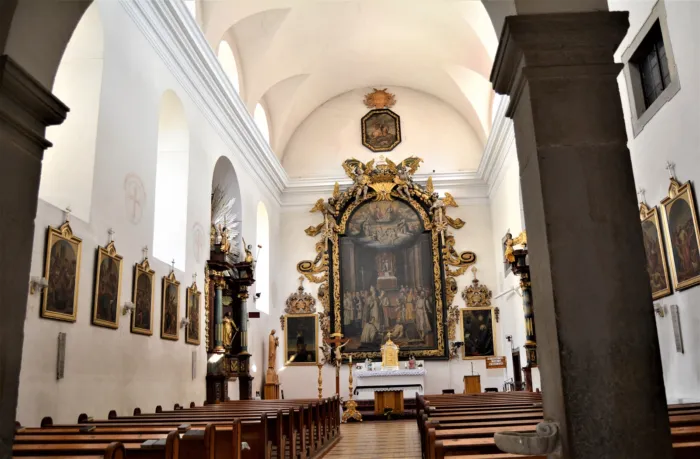
The Hungarian Piarist province considered Podolin, located in the Poprad Valley, its cradle, although in 1642, when the first Piarist appeared there, the town, together with the towns of Spiš that had been mortgaged during the reign of Sigismund, belonged to Poland. The founder, Szaniszló Lubomirski (he also founded the parish of Spišbéla in 1674), was a Polish prince, and there were no Hungarians among the Piarists at that time. However, the land was Hungarian, and there were already Hungarians among the first students in Podolin. This school was, in a way, the signal and the start for further Hungarian foundations. ; The buildings were built between 1647 and 1651 according to the plans of the Viennese architect Pochsberger and under his supervision in the Baroque style. The church with two 44-meter-high towers and the monastery surrounding it have a beautiful spatial effect. The nave is connected to a rectangular courtyard on both sides. The painting above the entrance to the church depicts Saint Saniszlo (Szczepanów, 1030/1035 – Kraków, April 11, 1079), a Polish bishop and martyr, patron saint of Poland), the patron saint of the church. ; The main altar is interesting because it combines three altars: the central altar is surrounded by a smaller altar on each side. Another special feature of the church is the wrought-iron balcony above the entrance facade. ; Gyula Krúdy studied at the Piarist gymnasium for four years, and the atmosphere of the city inspired him to write the novel The Ghost of Podolin. Krúdy is also commemorated by a bilingual plaque placed on the wall of the monastery building.