
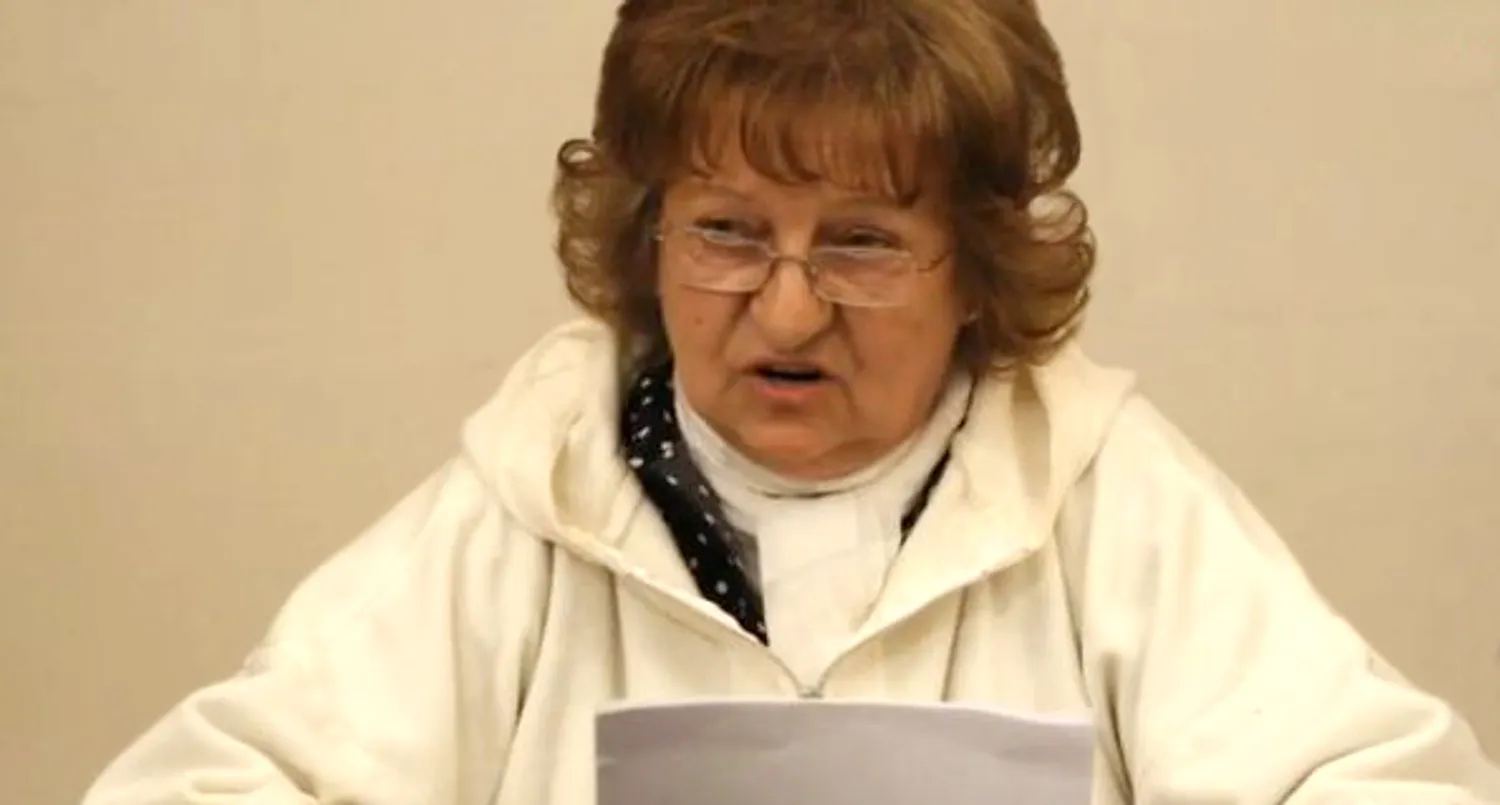
Petőcz Sárszögi Csilla
Other - other
* 1943, ? - 2013. November 27., Somorja / folk educator, public figure ; ; In her girlhood, she was known by the locals as Csilla Görcsös Sárszögi in Torná, near Košice. Her mother was from here, but she married in Diósgyőr during World War II, and then fate brought Csilla's daughter back to Torná. The girl, who had grown up, went to Bratislava from Szepsi Gymnasium to study Hungarian language and history at the Komenský University. However, after completing her studies, she did not return to Torná – she became a Bratislava resident. ; She became a member of the Young Hearts Song and Dance Ensemble, worked in the Ethnic Department of the Folk Culture Institute, organized programs in the József Attila Youth Club, edited the Hungarian-language administrative magazine, was present at our folk art festivals, the Jókai Days, and was a midwife at the launch of the Danube Spring for children. ; She collaborated with Miklós Duray from the sixties: she was a member of the Minority Rights Protection Committee, which resulted in house searches and police surveillance, but he was not intimidated. ; After the change of regime, she worked in the management of the new “Hungarian intellectual island” called the Bratislava Casino, and she was the “everyman”. ; In 2012, she received the József Eötvös Press Award of the Hungarian Pan-European Union. ; ; “The fact that the Szőttes is still alive today is due to the merits of Jancsi Quittner. But he was not the one who founded the Szőttes, or only him. The originators were two: Csilla Petőcz Sárszögi and Gábor Bilek, the two solo dancers of the Ifjú Szivek at the time. In 1969, Csilla was already a dance lecturer at the Institute of Folk Culture, and both of them were sure that a folk dance ensemble should be established alongside the Szivek, which would not follow the Mojszejev “tradition”, but would stage Hungarian peasant dance and music culture. At that time, the choreographer of the Csallóközi Song and Dance Ensemble, János Quittner, was the only choreographer in the country who was suitable for this task. It was not known whether it would become something, but it was worth an attempt: we met in the ballroom of the Csemadok in Bratislava, perhaps in May 1969, the two originators, the future choreographer, were there, a few from Szerdahely, some were nice. Zsóka Bungyi, Gyuszi Banyák, Öcsi Csóka, Laci Gútay and myself, Géza Sebők. We started dancing the next time, when Éva Gál, Duci Varga and Dani Donáth also joined,” Géza Sebők said after the show to the current dancers of the Szőttes, more precisely to those who may have forgotten the names of the founders from the text about the group, or did not look up who were the ones who started the group on the path of folk dance, whose shows were accompanied by János Vontszemű and his band (Sándor Vontszemű, Károly Vontszemű, László Vontszemű, Géza Vontszemű).