
Mali slope steppe
Other - other
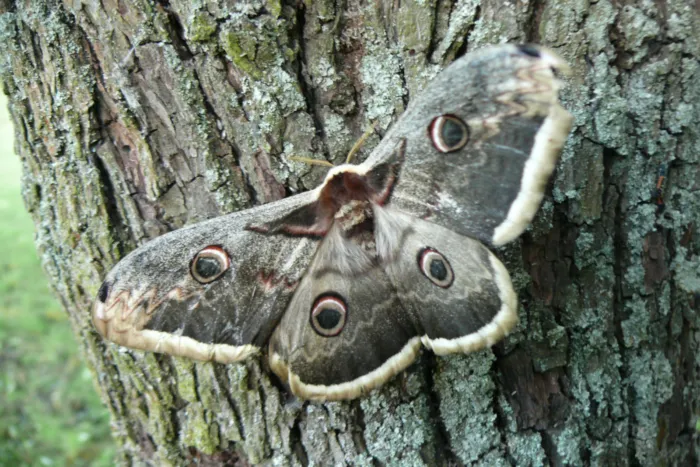
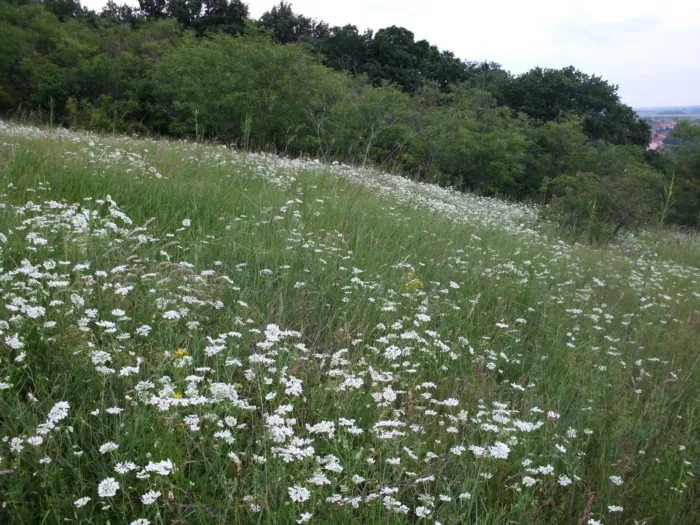
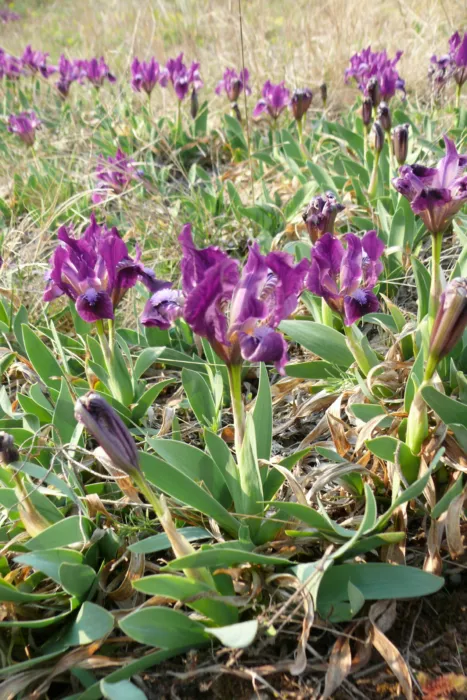
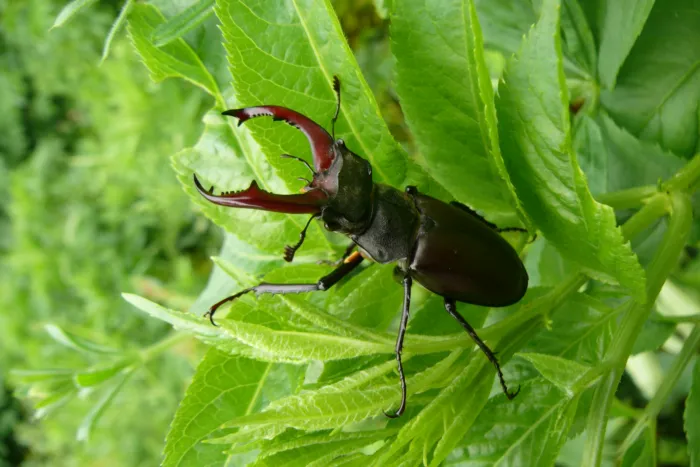
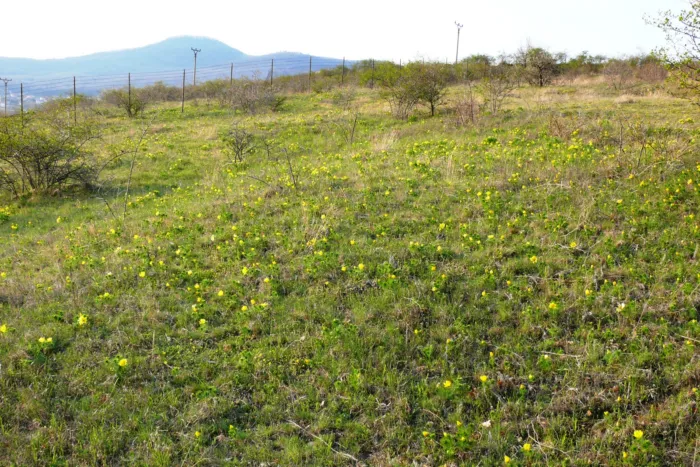
The Mál in Pográny is the foreland of the 356 m high Koloni-hegy. It is made of Jurassic and Triassic limestone, which is mined. Its surface is covered with karst phenomena, as well as collapsed dolines, deep chimneys, karst cracks, cave-like cavities and abandoned mining and lime kilns. In spots, the thin soil layer formed by the rendzina is mosaicked by the red soil typical of the Mediterranean – terra rossa. Steppe meadows have developed on the dry, gently sloping hillside with a southern slope, the dominant grass of which is the curling maidenhair and various fescues. The flora, which is related to the steppes of Inner Asia, can boast twenty legally protected plant species, supplemented by southern species. Among these, there are two species that only occur in 2-3 places in the entire Felvidék (hempgrass, round-leaved sedge). Here we find the largest spring population of the Tribecs Mountains. Other rare plant species are the orchid-related grey-bellied woodruff and the sword-shaped bird's helmet, the silky buttercup, the sad evening primrose, the stemless lady's-stool, the Orlay turbot, the great sádorgó and others are common. Our only semi-shrub relative to citrus, the great ephedra, adorns the veil associations. The shrub patches are made up of wild rose species, fleshy dogwood, Turkish cherry and flowering ash. The main representatives of the forest are the secondary occurrence of oak forests and heat-loving pine forests formed by planted black pine. There are also vineyards at the southern foot and slopes of the mountain slope, where grapes are mentioned for the first time in the entire Felvidék (we have recommended them as a special value). The insect world of the mountain is also rare, we meet protected butterflies, praying mantis, stag beetles and ants here. The common ibex was first found here in the Highlands a few years ago. A significant part of the mountain serves as a military training area, and its visit is restricted or prohibited. The tank training area, noise, trampling, ditches and other disturbing factors impair the appropriate use of the natural value, and its recreational functions are very limited. Of its two large quarries, one is active, the other is now abandoned.