
Madari folk costume
Other - other
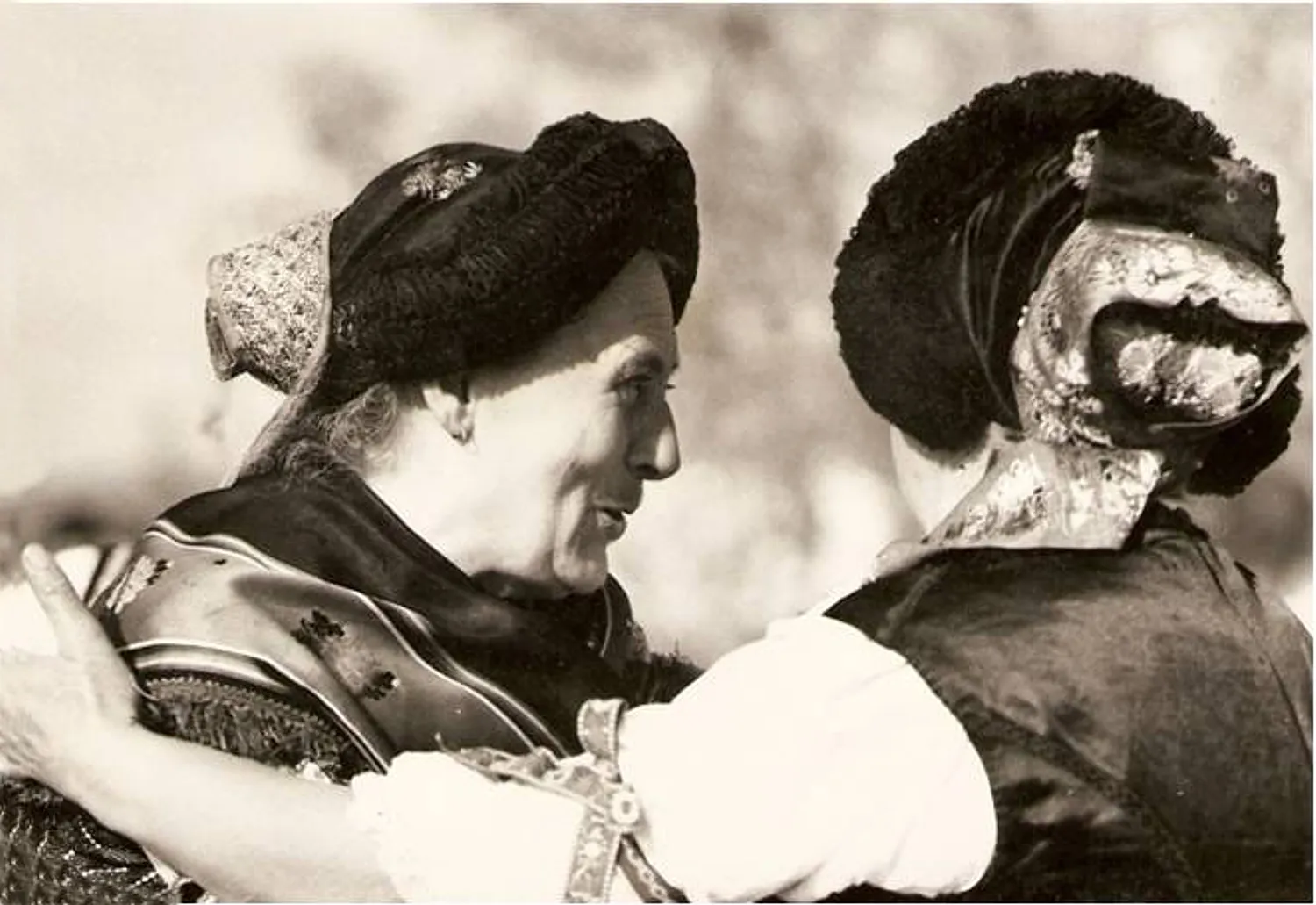
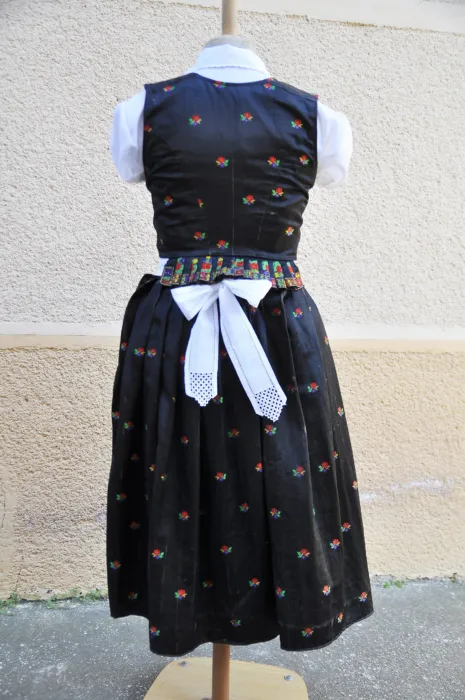
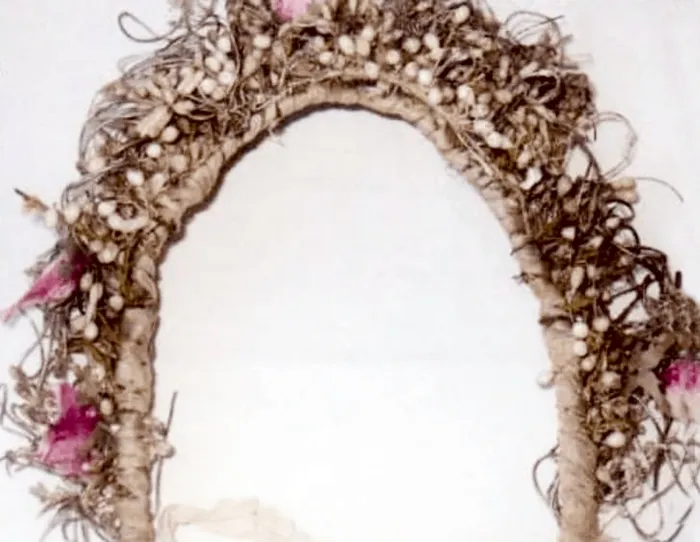
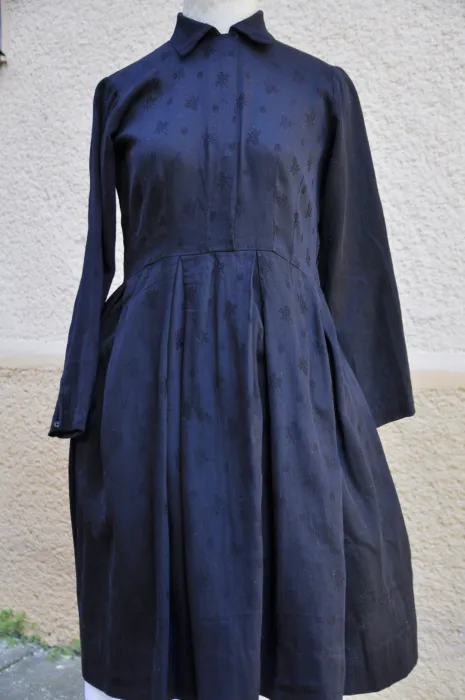
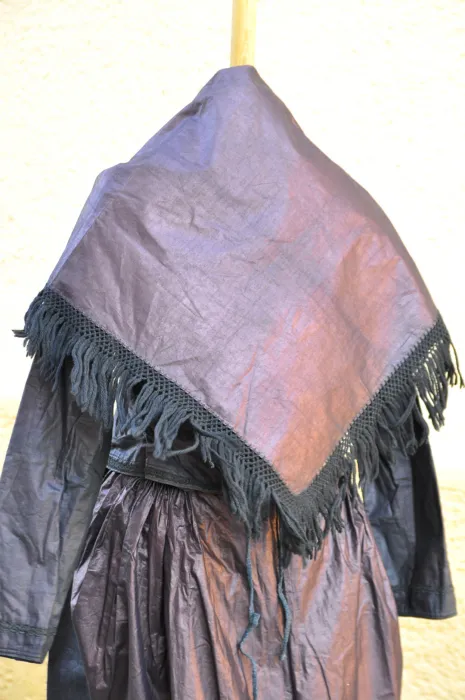
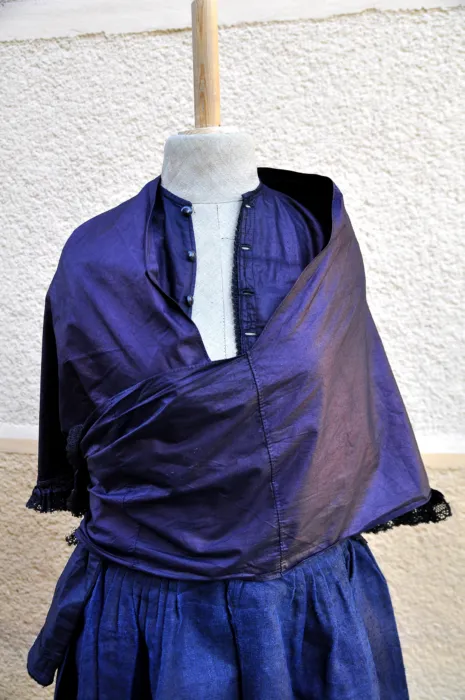
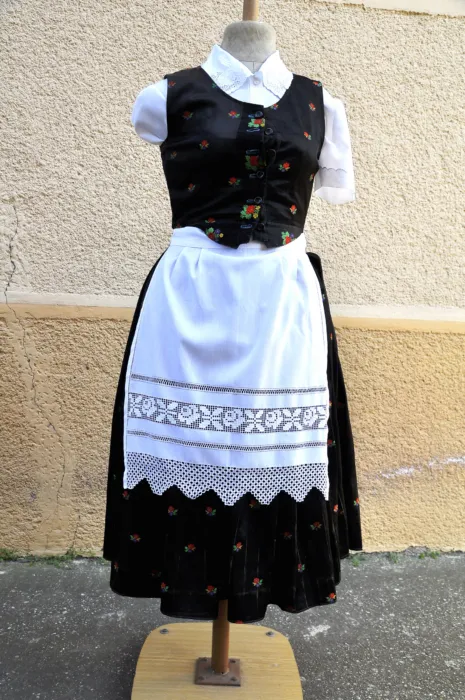
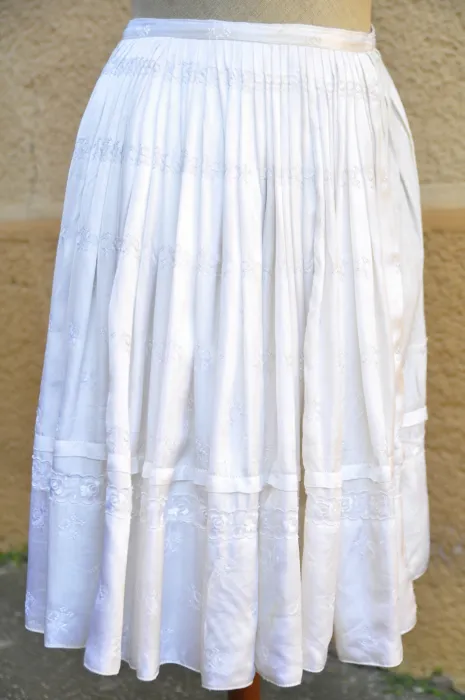
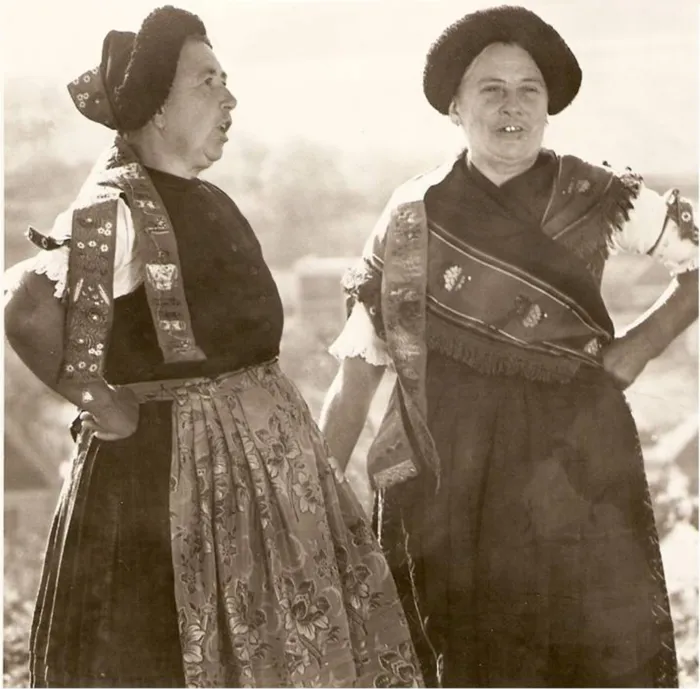
In Madar, both men and women wore two types of clothing: a cloth dress and a linen dress. The cloth dress was worn in winter and on holidays, and the linen dress was worn in summer. ; The men's cloth dress was tight trousers with a knight's collar. They wore a ködmön, or double-breasted, black coat with gülü buttons on top. In Madar, the round button was called a pityke. The gülü button stood out like a tower, not spherical. The cloth dress also included a flat, perforated, ribbed, metal-buttoned vest and Hungarian-style boots. Their linen dress consisted of loose, wrinkled trousers, a wide-sleeved shirt and a vest with gülü buttons. Among the Reformed people of Madar, the linen and loose trousers were called lengemagyar, which were worn with boots. ; In winter and on holidays, women wore 8-10 densely gathered or pleated skirts, reaching to the ankles. The bottom of the skirt was held up with fur trim for the younger women, and with black velvet for the older ones. This included the lipityő, a blouse made of cardboard or fabric. The half-scarf, or also known as the neck scarf, was placed over the lipityő at the back of their necks, crossed in front and tied at the back at the waist. The women tied their hair in a bun, over which they pulled a lace cylinder woven with gold thread, pintni, from the lower part of which two wider ribbons hung down to the bottom of the skirt. These ribbons were decorated with red and blue flowers. In winter, they wore soft, double-stitched boots with a thin red stripe in the seam. In summer, they wore stockings or shoes instead of boots. On weekdays, women wore a pleated skirt made of cardboard and a short-sleeved, Hungarian-style shirt. They tied a colorful ribbon at the end of the sleeves and put on red or black velvet pruszlik. Slippers completed the clothing on the feet. On weekdays, there was neither a pintni nor a ribbon on the bun. ; Women's summer clothing was the pendely (pendely) made of linen. This was a loose, pleated skirt, which was hung on the shoulder with a kurc. A shirt was worn under the pendely, and from the waist up the pendely was complemented by a lipityő. They usually wore slippers with all this. ; The color of the dress gradually darkened according to age, and a woman of 30 usually wore black clothes.