
Birding
Other - other
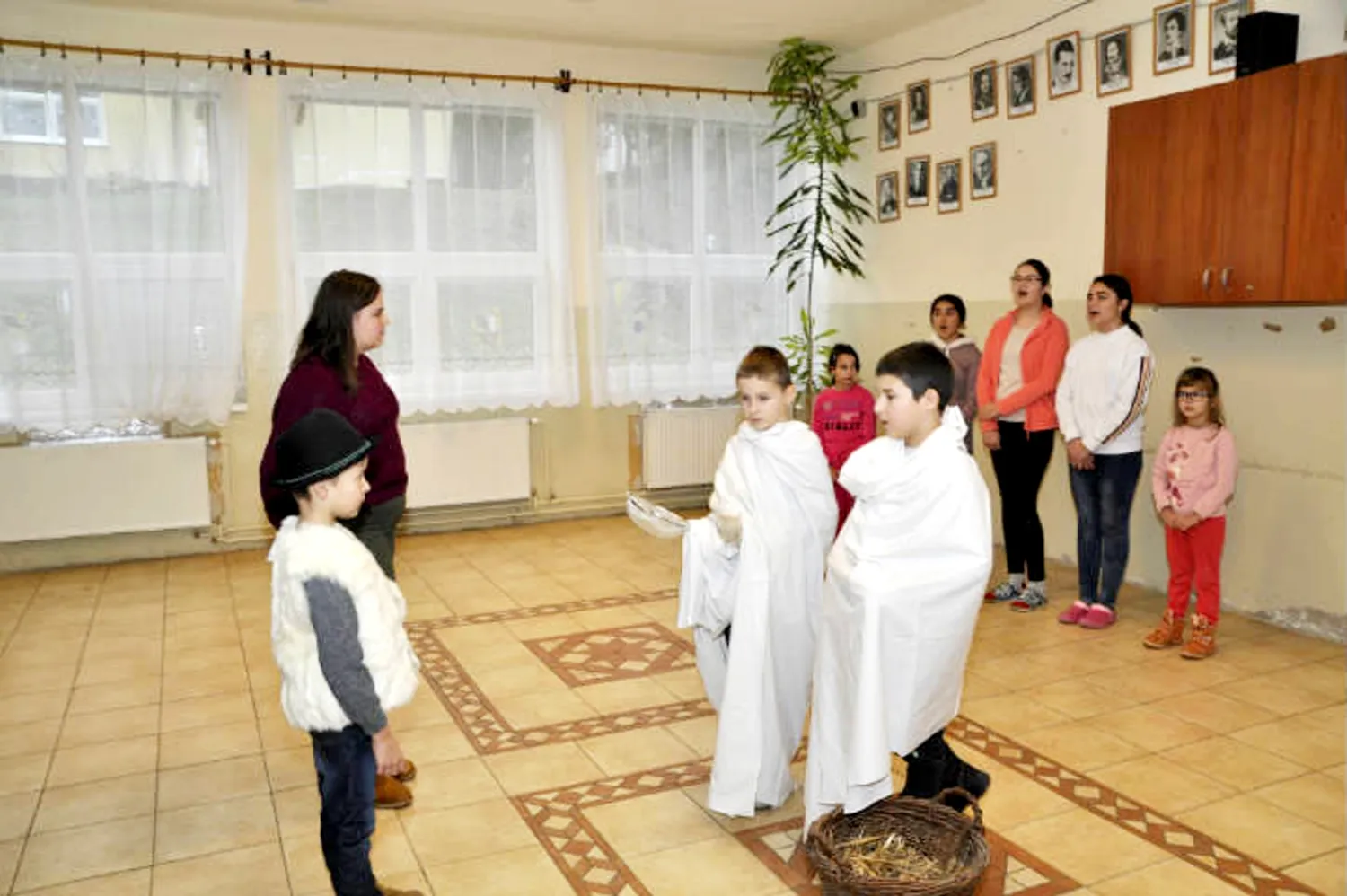
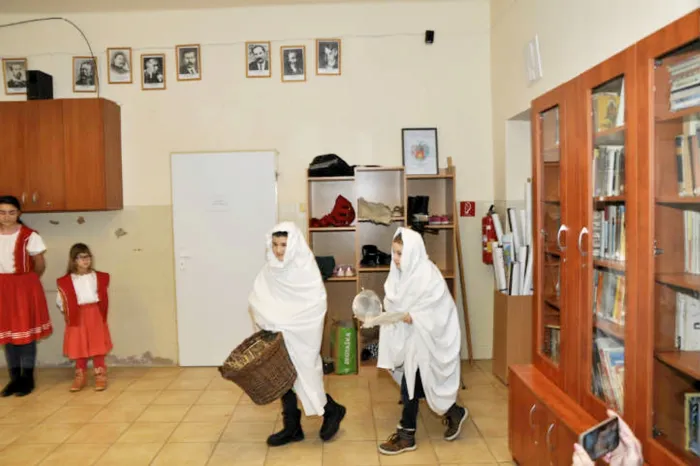
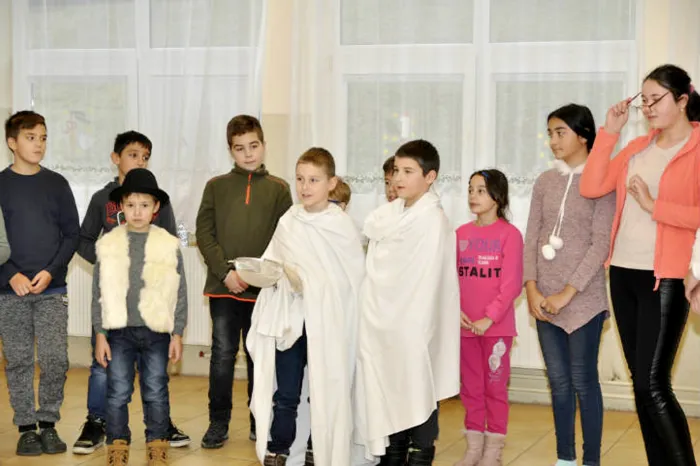
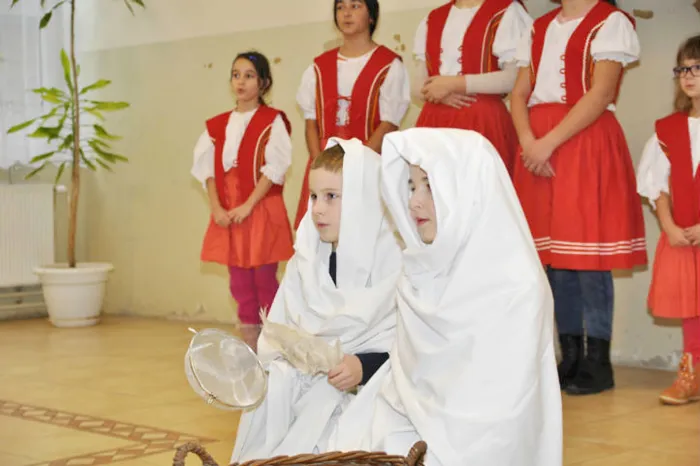
St. Luke's Day is on December 13th in the calendar. It is one of the darkest days of the year, as it is already close to the winter solstice, when the Sun is known to be in the sky for the shortest time. So it is no wonder that the identification of witches can also be linked to this day, namely in such a way that on St. Luke's Day, if a chair was started to be carved, if it was brought into the church at Christmas and stood on it, then they saw who the witch was. According to other sources, young girls saw their future husband in the church if they stood on St. Luke's chair. ; Since there are eleven days left from St. Luke's Day until Christmas, which is quite a long time to carve a small chair, the birds still say to this day that the slow work is made like St. Luke's chair. That is, for a long time. ; On the eve of St. Luke's Day, there was always great preparation in the village and in the Sutyú Valley, which belonged to the village, where small cellars closely related to winemaking were located. The women baked scones, dried pumpkin seeds in the rendlib (oven), the men went out to the vineyard to prepare the ground for the lucaza. ; The grandfathers carved the luca-day pumpkin lantern so that their grandchildren would have something to light when they went out to lucaza in the evening. The scarier the head carved from the pumpkin was, the greater the joy of the children. Even when the candles were lit in them, and the yellow flame conjured up scary shadows on the wall. ; Then in the evening, when it got dark, the children set off. They dressed up as Lucák, that is, they put on all kinds of hairy, large, frightening-looking clothes, held jack-o-lanterns in their hands, and went from house to house in the street, knocking and shouting to scare the residents. The older children, the sly lads, did not hesitate to lift the gate from its heel or pull the street bench out of the ground, much to the annoyance of the farmer. ; The adults' fun began later. The cellars of the Sutyú Valley filled with life as the evening progressed. Here and there the characteristic cry was heard: "Kukurikú, vak a kokastok!", to which the answer came from all directions: "Bak a tyetek!" ; In the cellars, singing, revelry, and anecdotes continued until dawn, and no guest who came in was denied a glass of fine new wine, some food, or a small flaky scone. ; The next day, on St. Luke's Day, it was forbidden to sew, so as not to sew up the hens' bottoms and prevent them from laying eggs the following year. Furthermore, a cross had to be drawn with garlic on the entrance doorpost and on the door of the henhouse, so that witches would avoid one's home.