
Bird wedding
Other - other
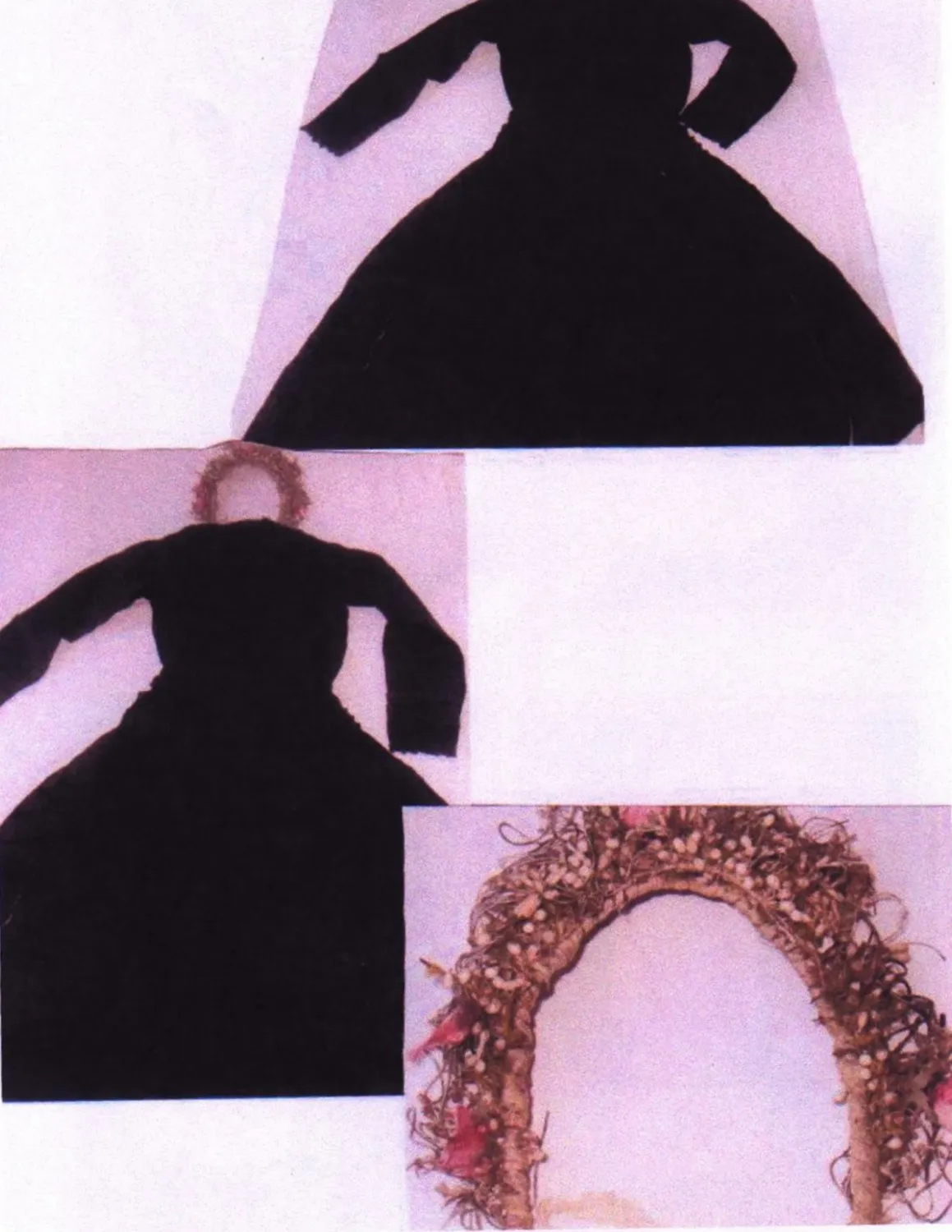
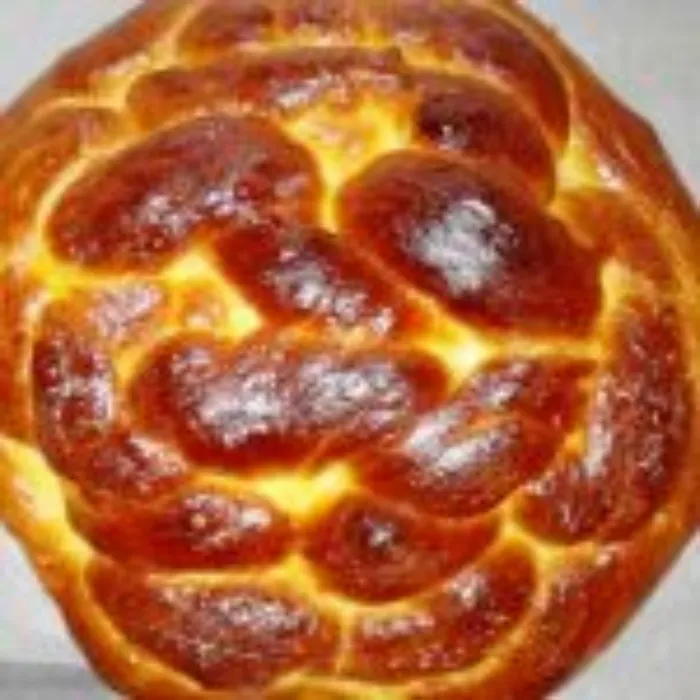
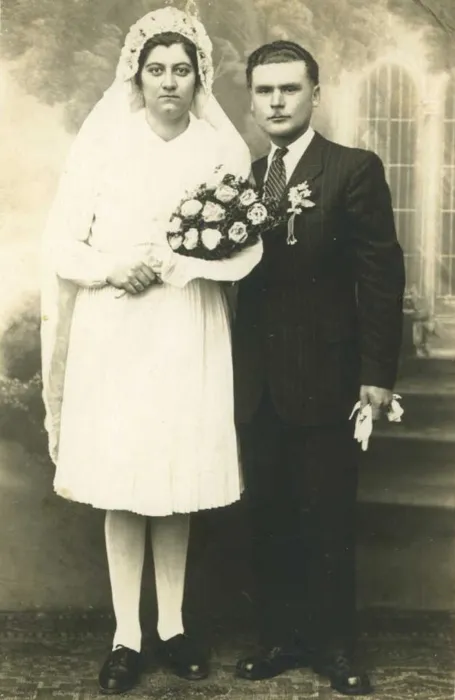
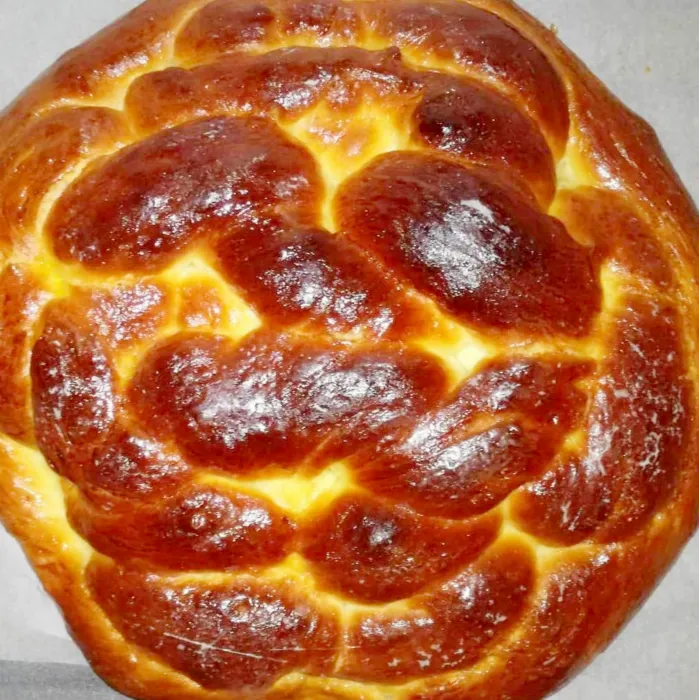
Wedding preparationsstart earlier in the minds. Where there was a young person of marriageable age, more pigs and poultry were raised in advance, which preserved the wine harvest better. But the activities peaked during the lagzi week: ; On Wednesday, the good women of the family made soup dough. ; On Friday, the strudel, cake and kúcsos were baked. This is made from sweet yeast dough, which is woven into a ball. Others took part in skinning the chicken for the evening hospitality. Meanwhile, the men were busy slaughtering the pig. ; In the evening, the guests who brought gifts were received with chicken paprikash, sausages and sweets - at this time, visitors also return home with richly packed trays of cakes. ; Saturday is the wedding day itself. ; The next day's "Tyúkverő" at the lagzi house. ; (The hen party took place at dawn the day after the wedding. Some of the guests, while returning home, tried to wake up the guests who had gone to sleep earlier with a huge noise and tried to lure them back to the wedding.) ; ; The wedding day is full of excitement. ; The groom and his groomsmen went to get the gypsies – musicians – at noon, and they returned to the house with a song. ; After the many preparations, the ceremony itself begins with the laying of the wreath, which the bride’s bridesmaids performed at both wedding houses, accompanied by a poem: ; ; I ask permission to enter with such great courage ; I ask for a little silence from the esteemed wedding guests ; And I present my maiden loyalty ; I have been released like Noah’s dove, ; Which returned to the ark with a green branch.... ; ; The bouquet was a sprig of rosemary, which the guests rewarded with money. ; Before collecting the money (Réka) ; ; My dear master of the wedding should pay now, ; So that he can set a good example before the people here. ; Give me a banknote, a hundred... ; Then the lunch could come. ; ; Before the wedding, the groom's best men went to the priest to announce that the wedding party was getting ready. They brought wine and kúcsó as a gift. ; ; I am a dismissed ambassador from this honorable house …….. ; Which through me honors and requests our Honorable Lord, ; to deign to open the door of the holy church, ; and to appear there with us. ; And to bind this couple together with the chain of love. ; ; The wedding party set off for the bride's house to ask for the bride, at which time the groom also handed over the bridal bouquet. Bride's request: ; ; We have now come for this notable day, ; To swear in the house of God. ; The hour has come, ; In which their child must step to the altar, ; As a beautiful bride. ; Therefore, we kindly ask the dear parents, ; To let their dear child go on their way. ; ; The wedding procession distributed wine and kúcsó to the onlookers - the gaziks on the street. The procession was accompanied by gypsies playing music, the wedding party sang wedding songs. After the ceremony, everyone returned to their wedding guests. ; The dinner began at around 7 pm, where before each course the best man recited a poem addressed to the best man. (chicken soup, boiled meat, cabbage, soup): ; ; Worthy guests, I have not come empty-handed, ; both my hands are loaded with food. ; But before you reach for the spoon, ; give thanks to the Lord with a fervent heart. ; But so that I do not talk too much here, ; I do not get wounds from the hot dish, ; Take this hot dish from me, ; which my 10 fingers can no longer stand. ; There are 5-6 women behind me, ; their hands are also very hot. ; Let no one stagger in front of me, ; Because I can easily scald their necks. ; Here you go, best man - ; Bon appetit! ; ; To the rooster: ; I brought the rooster in with its whole comb, ; nicely roasted with both legs. ; It will no longer go to the straw pile, ; nor to the neighbor's courtyard door. ; It no longer crows for anyone, ; except for my groom and the others. ; ; To the cabbage: ; I have just arrived from the garden of Paradise; I have grown plenty of beautiful cabbages. ; I have traveled most of Great Hungary, ; But I have not found such a cabbage anywhere … ; Look for its ears, its tail; ; Then the poem related to wine followed and the generous offering. ; Around 11 o'clock in the evening, the groom with his groomsmen, the bridesmaid and a few young people went to the bride's house to ask for the bride. The escort was only allowed in when the bride went out to meet them. The best man said goodbye to the girl from her parents, siblings, girlfriends, and all her relatives in a long farewell poem. Farewell poem: ; ; Dear master of ceremonies and guests!... before we take away the flower of this house, I will say his farewell in his place… ; My farewell words ring, my tears fall, Because I am leaving you, my dear good parents… ; First, my good father, I turn to you, I begin my farewell speech sobbing. ; Forgive me, my good father, if I have offended you or if I have repeatedly upset you. ; Thank you, my good father, for your providence and that final love of yours. ; My dear mother, I now turn to you, my loving good nurse, I now bid you farewell. Oh, how can I begin, when I can't even speak, that I am parting from you, I sob so much. ; I know how you loved me, ; like a weak flower you nurtured and raised me, ; you taught me what was good, you warned me against what was bad. ; My dear mother, now I am saying goodbye, ; but even with tearful eyes I will remain your faithful daughter. ; ; At the groom's house, the best man led and introduced the bride to the accompaniment of another poem. Then the bride accepted her father-in-law - ipá, her mother-in-law - napá and the relatives: ; ; “May God grant that I may be a good daughter-in-law (relative, goddaughter). Let us respect and appreciate each other.” ; ; Before midnight, the groom's best man went to the girl's house with a couple of young men to invite the bride's parents to the banquet after the wedding - to eat the leftovers. The guests also followed the bride with singing and took the wedding dress with them. ; Before the wedding dance, the groom walked the "Árgyélus procession" with his bridesmaids, and the bride with her own best man. The men held candles between their fingers. Between the verses, they sang a song beginning "The little Árgyélus bird does not fly to every branch". Árgyélus: ; ; Behold, here stands before me the beautiful bride, ; with the crown on her head, ; may God bless her with her loving partner. ; May God grant that the headdress may bear roses of joy ; May happiness last for many, many years…. ; Why are there candles in my hands? ; Why am I holding this maiden in my hands? ; To walk with her on a path ; On which a young man has recently walked. ; My long speech is an end of charity, ; Let husband and wife go to the floor. ; Where her heart is, there her loyalty is, ; My poem ends with the night. ; ; Then the bride changed into her wedding dress, her hair was braided, tied in a bun, her head was tied with a scarf: they “excited” the new bride. The best man began the dance, after which the bride went to everyone and after the dance the honored ones put the money intended for it in a covered bowl. ; Wedding dance: ; ; Here, here stands before me the beautiful bride, ; so that the bride can have her first fun, ; just be careful not to step on the heels of her shoes, ; remember that they were sewn for a lot of money. ; Then everyone should fill their hands with banknotes. ; There is an empty plate in the middle of the table, ; I will start the dance, and the rest will follow. ; And you, gypsy, pull it on for the new couple. ; ; After the wedding dance, they lit pálinka, which everyone was offered. The best man's last poem was sung at the last serving (sausage, sausage), after which the only thing left was the informal fun: ; ; I brought sausage, sausage, and the good kind, ; Therefore, everyone should sharpen the edge of their knife… ; Bon appetit! ; ; The next day, close relatives gathered at the wedding house for the “hen party”, where they ate, drank, got together and prepared the bride’s staff. ; ; Clothes ; At the beginning of the last century, the bride’s dress was still black, with a wreath. Later, it was a knee-length white dress with a wreath and a veil. In later years, the bride’s dress always followed the current fashion. The groom’s was also shaped according to the tastes of the times. ; The most characteristic attire of the groomsmen was the almost floor-length ribbon, the groom’s stick decorated with a handkerchief and ribbon, which the young man tapped on the ground several times before the verses to attract attention. ; In the past, the bridesmaids actually wore wreaths, but nowadays they wear evening dresses. ; ; Traditional dishes ; In the old days, lunch was chicken paprikash with homemade tarhonya. The wedding dinner began with chicken soup, followed by boiled meat - a whole decorative rooster served to the wedding guest - and a cabbage dish. The last dish after the wedding dance was sausage and sausage. For dessert, there was walnut and poppy seed cake, strudels and the indispensable kúcsos. As a wine-producing region, wine was the main drink.