
Bird's nest
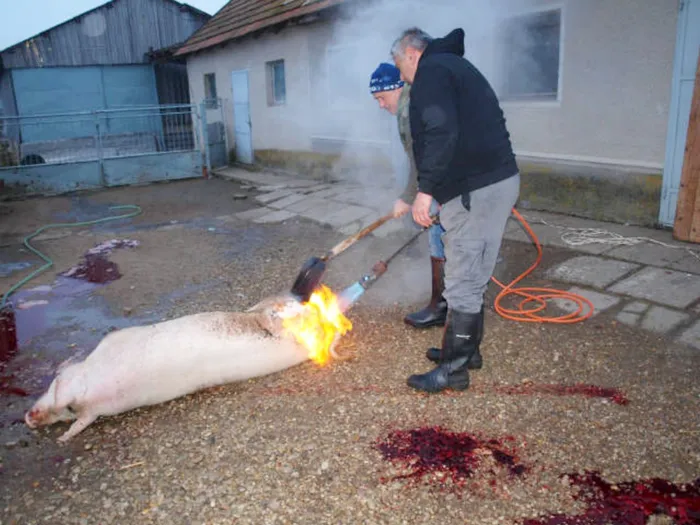
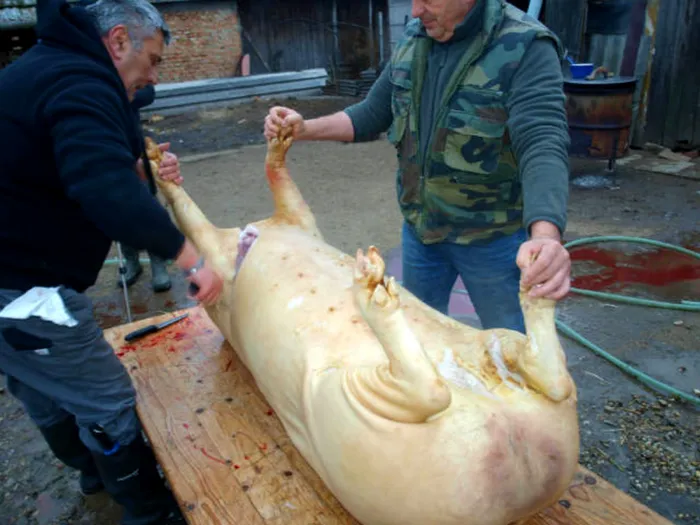
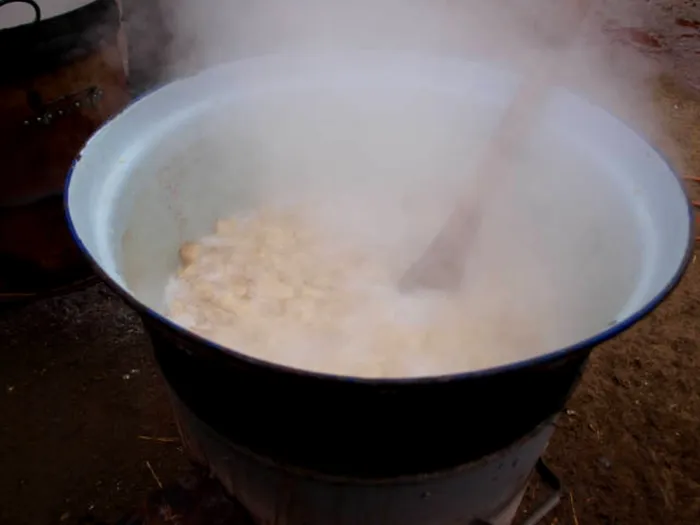
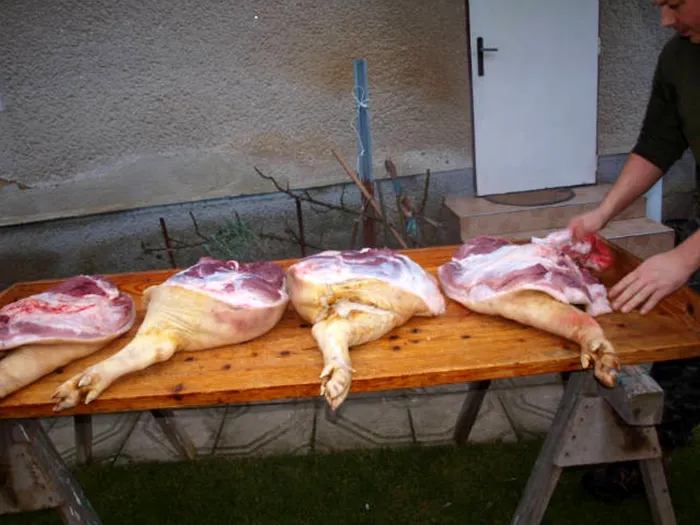
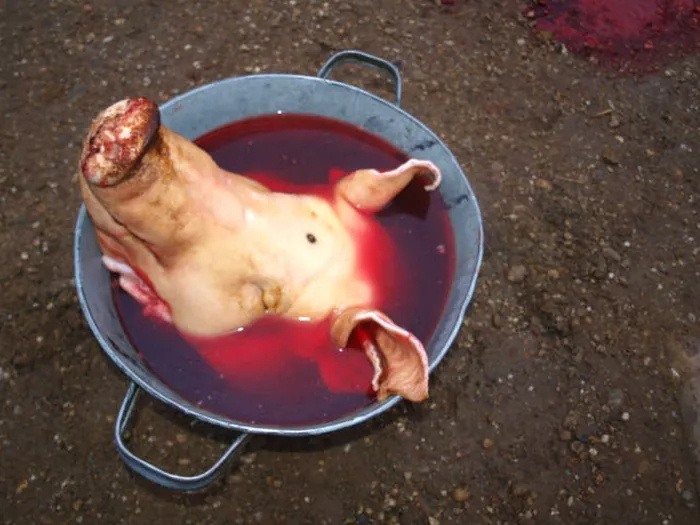
Other - other
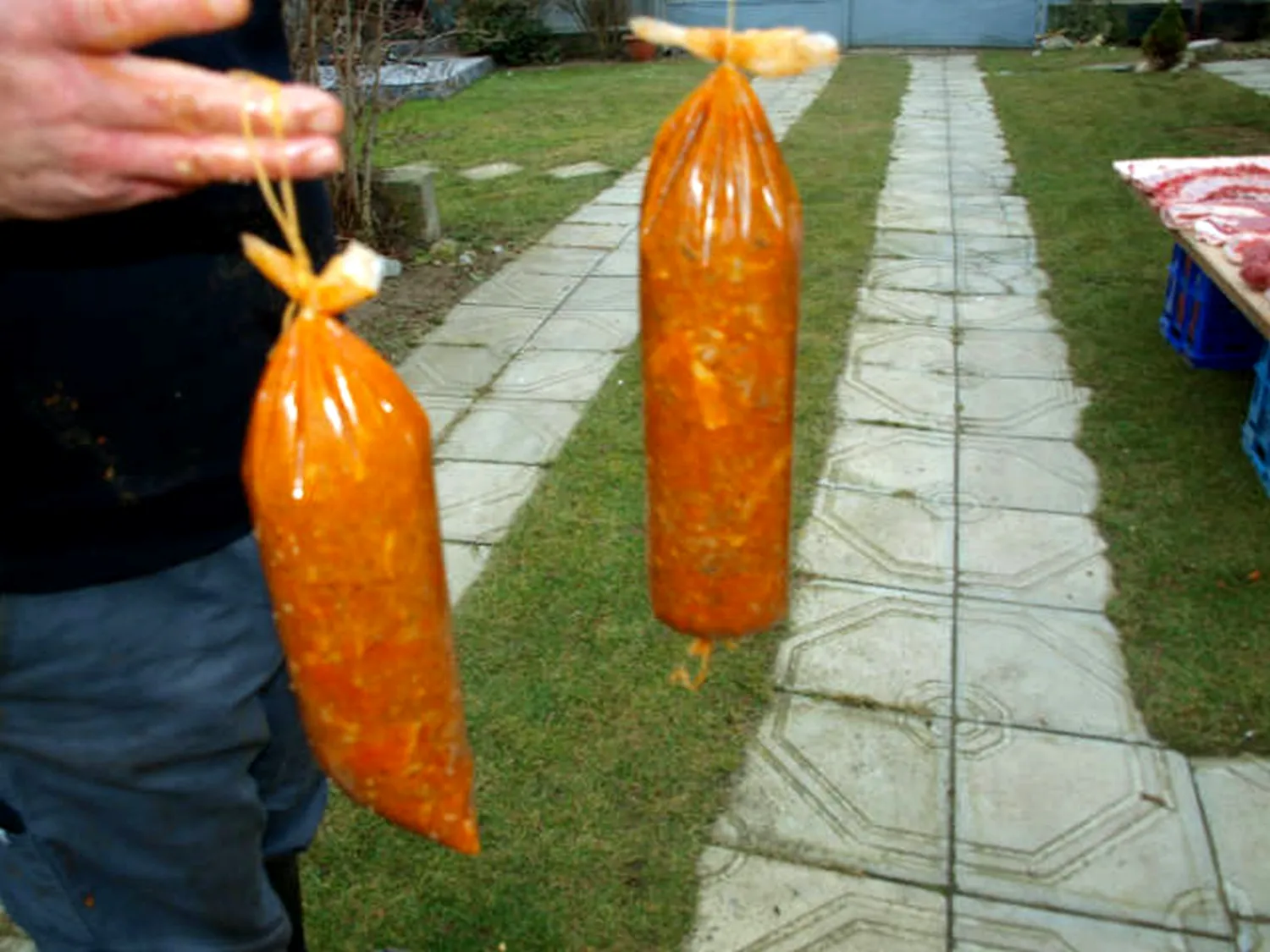
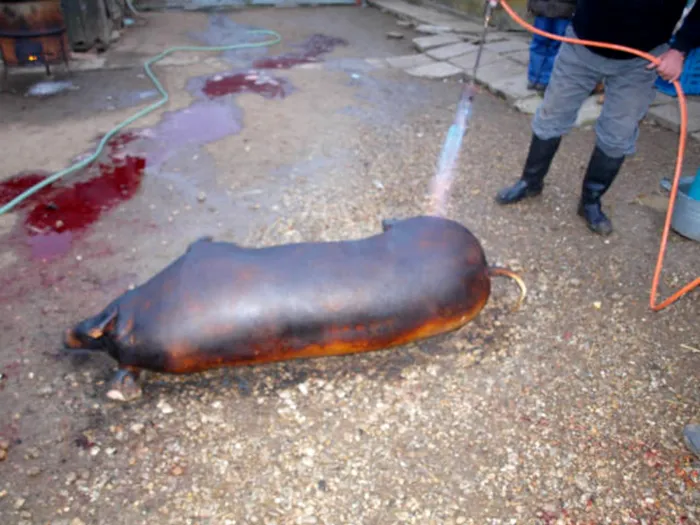
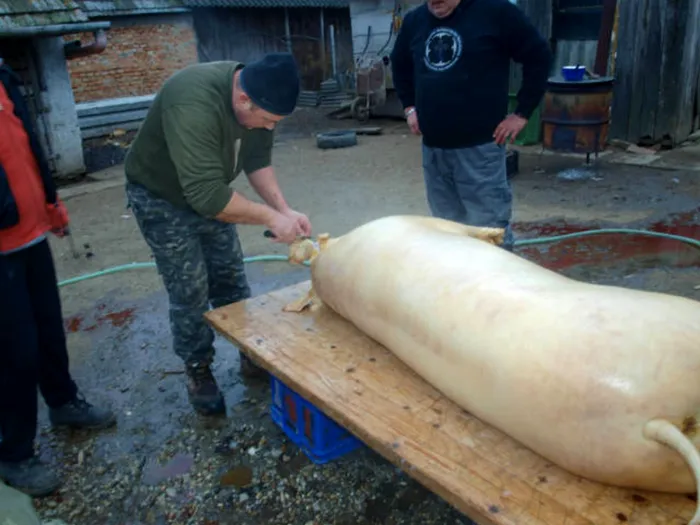
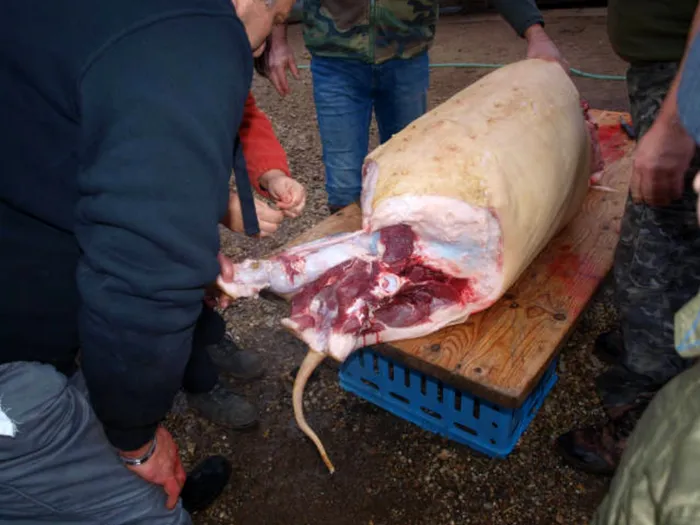
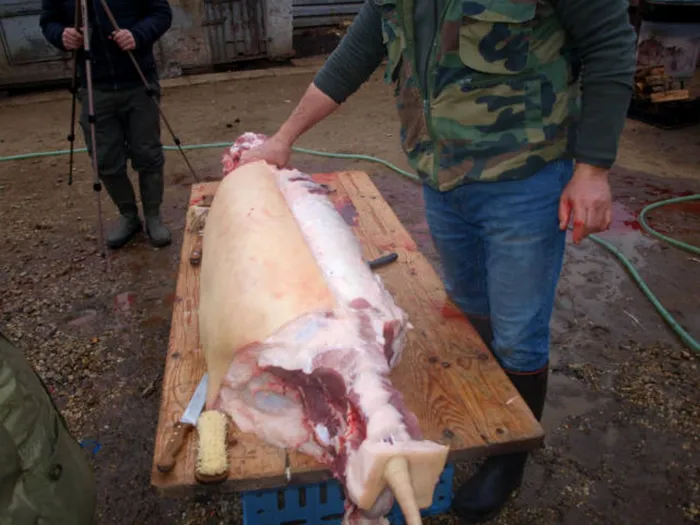
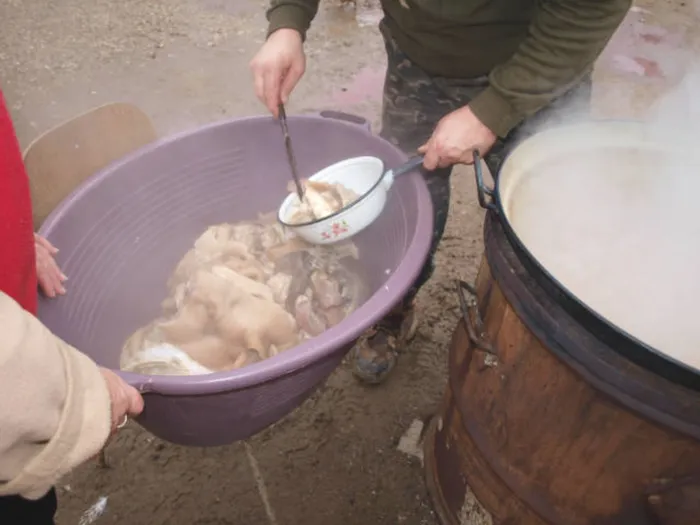
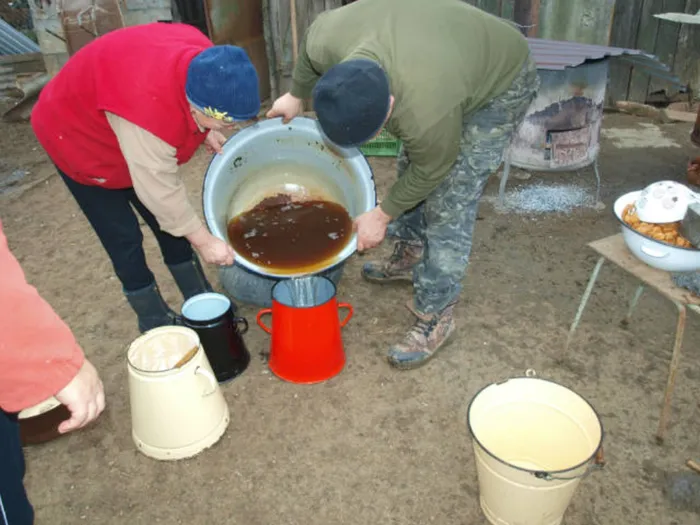
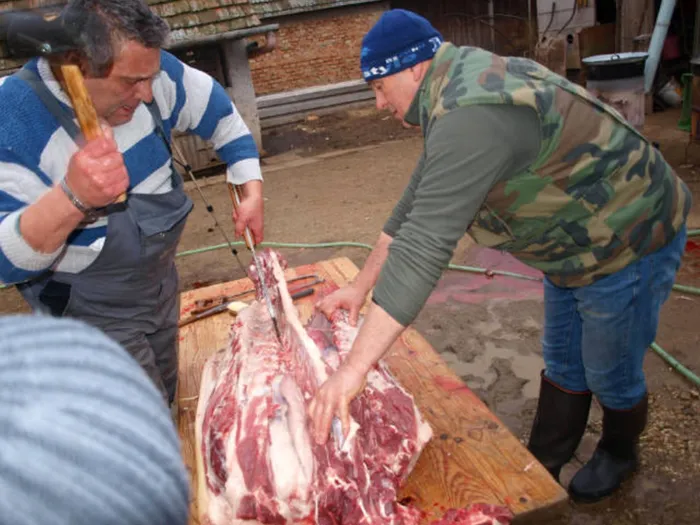
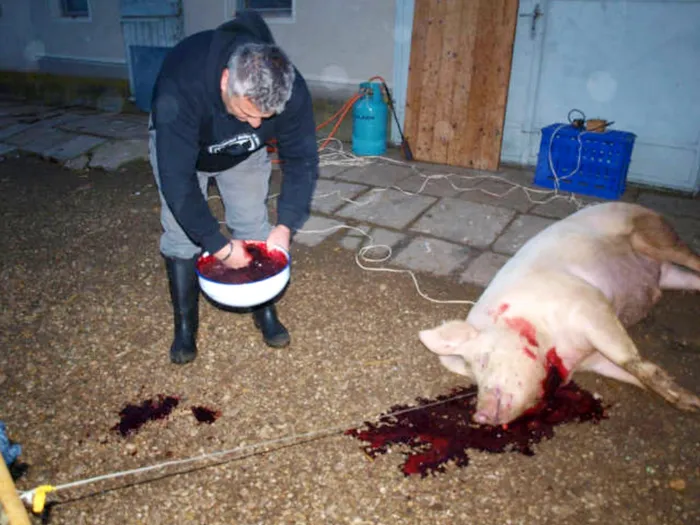
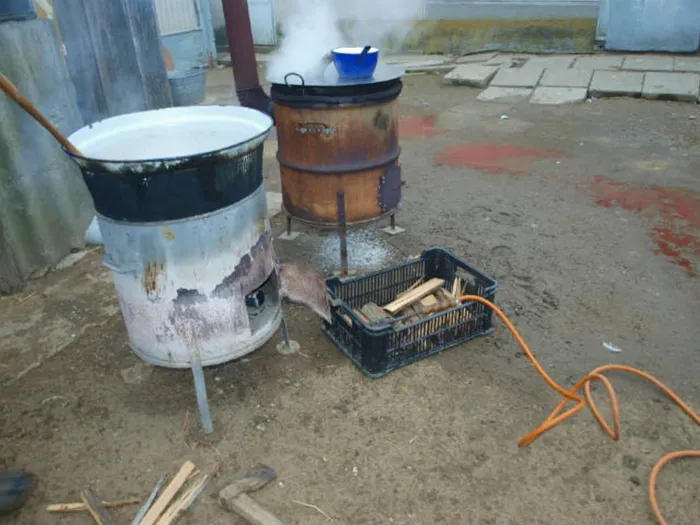
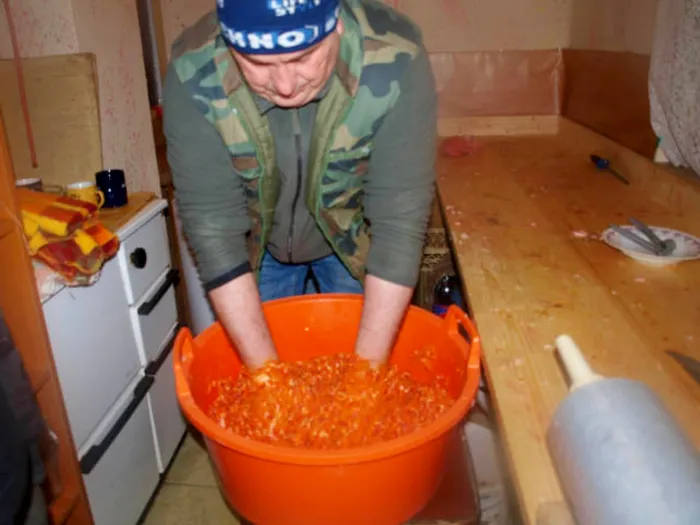
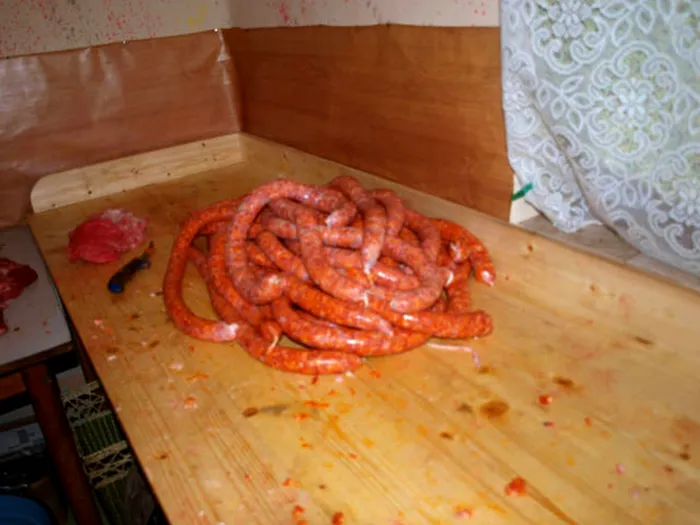
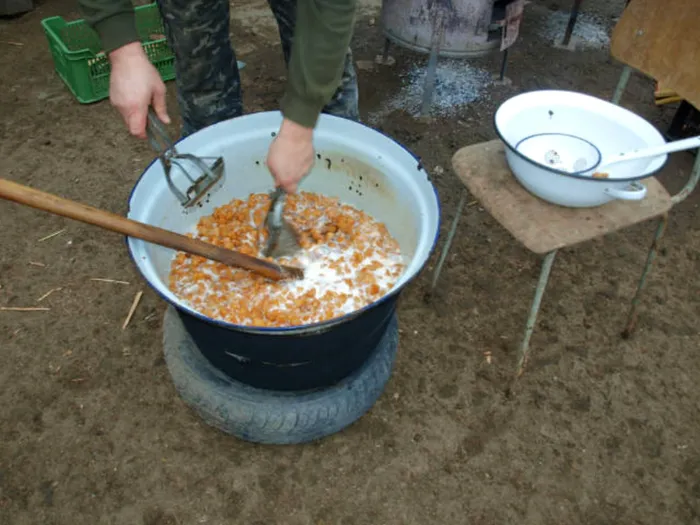
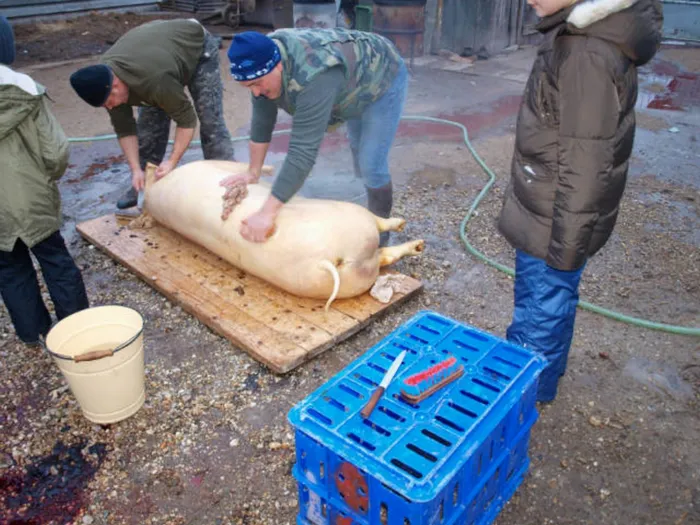
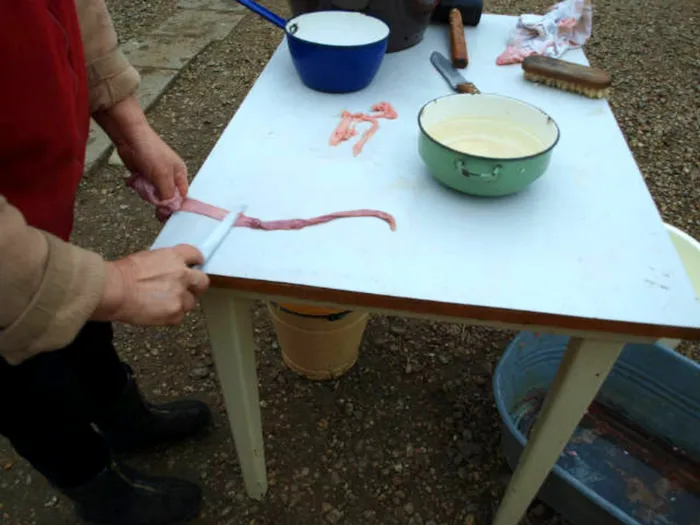
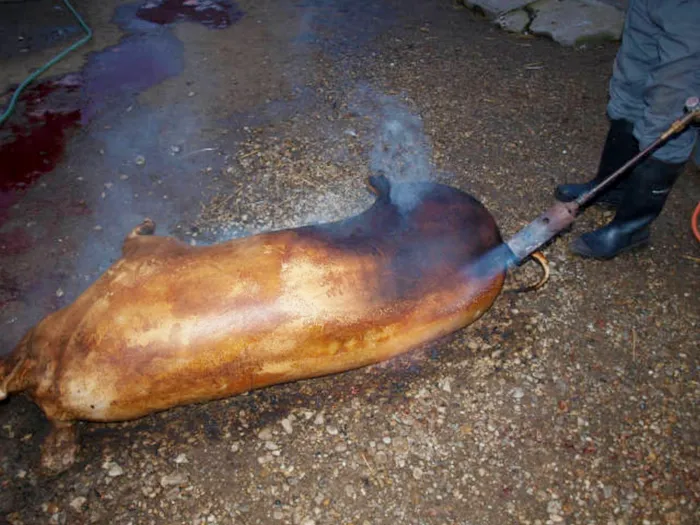
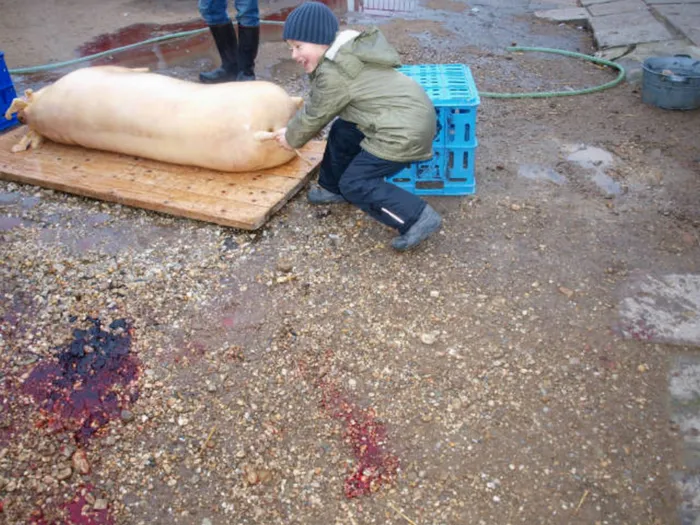
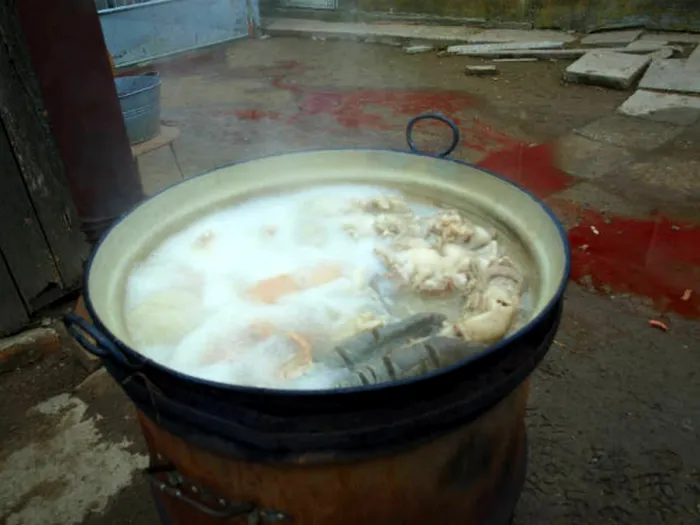
The winter of our childhood was inseparable from snow, frost, icicles hanging from the eaves and, of course, the pig roast. ; Almost every house in Madar also raised pigs so that the farmer could earn at least part of the money he would spend on food by working around the animals every day. And the homemade flavors could not be compared to store-bought meat anyway. The recipe for sausage and sausage was kept as a closely guarded secret by every family. ; The day of the pig roast was determined well in advance so that the butcher would be free that day and would have nothing else to do. The weather was also an important factor, so in most places the all-day event was scheduled for January, because it was best to work with the meat in the cold and frost. ; The housewife had already peeled, chopped and fried the red onion, which is needed for the sausage filling, and the garlic, which gives the sausage its basic flavor, the day before. She washed and prepared the large pots, assembled the cauldron for frying the fat, the farmer's task was to prepare the firewood, sharpen the knives, and of course provide the necessary alcohol content of homemade pálinka and wine to boil so that the work would go better. ; At dawn on the pig's day, the men from the neighbors and relatives gathered, because helping the pig was a man's job at its best. Before that, they offered a blessing, which sometimes consisted of two or three stampedls of good homemade pálinka. It was necessary, because it was very cold, and the fattening pig had grown quite large, and did not give up its skin easily. ; The real thing was to scream a little, to let the people on the street know that a lot of work was about to begin. The killed pig was first roasted, for which straw was used in the old days, and in more modern times, a gas flame. By the time dawn broke, the skilled butcher was already cutting up the pig. In the meantime, they lit a fire in the cauldron, and the water was heated in which they first cooked the ingredients for the sausage, then the ingredients for the pressed cheese, and finally the rice for the sausage in the abálé. ; The housewife's job was to cook onion blood for breakfast for the men from the caught blood and a good portion of red onion. ; The housewife and her helpers hurried around the kitchen, sorted and cooked the rice for the stuffed cabbage, and the first portion of meat arrived very quickly so that a roast could be cooked for lunch. ; The men's job was to process the meat, make the sausage stuffing, the sausage stuffing and the pressed cheese. The women cleaned the pig intestines and the stomach, into which the stuffing was filled. It was also the women's job to cook dinner, which traditionally consisted of meat broth, stuffed cabbage, fried sausage, sausages, and leftover roast meat from the south. Fresh white bread and pickles were served with all this. ; It was already late afternoon when the sausages were cooked in the boiling water in the cauldron, and the fat was also fried in the large cauldron. The smell of fresh sausage filled the entire area. The butcher and his helpers drank the last blessing in joy of a job well done, and then everyone went home to wash off the sweat of hard work. And so that, dressed in clean clothes, he could now sit down as a guest at the neatly laid table and, over a pleasant dinner, listening to the crackling of the fire and drinking wine, enjoy the company until late at night.