
Leleszi Premontre Abbey
Other - other
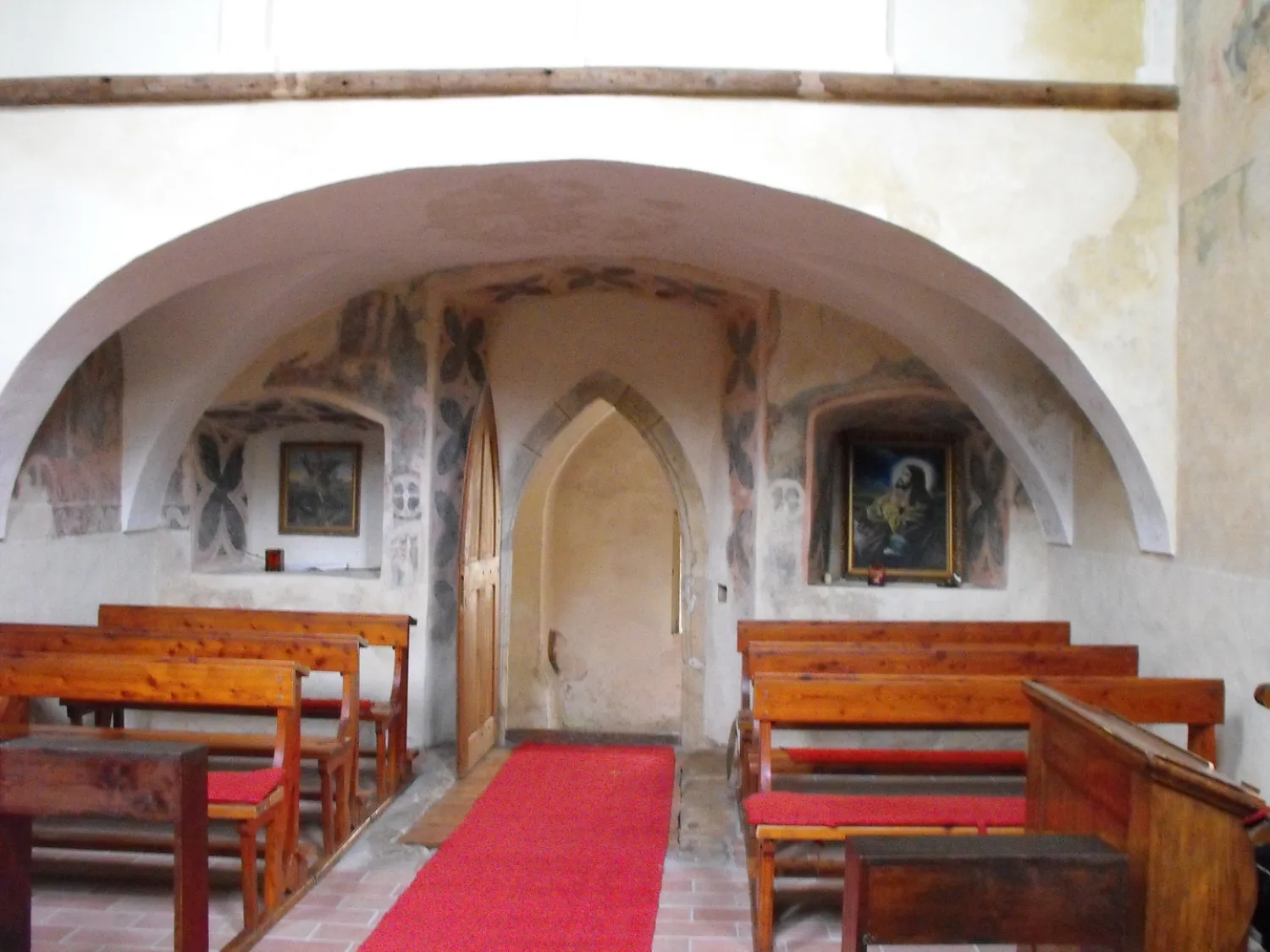
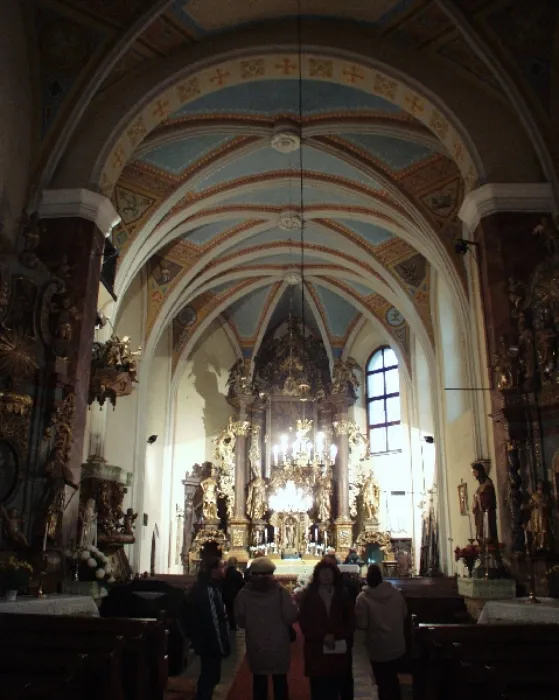
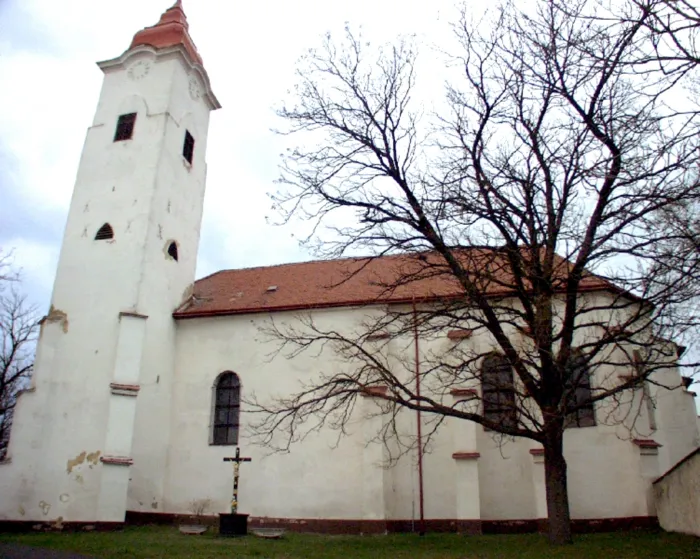
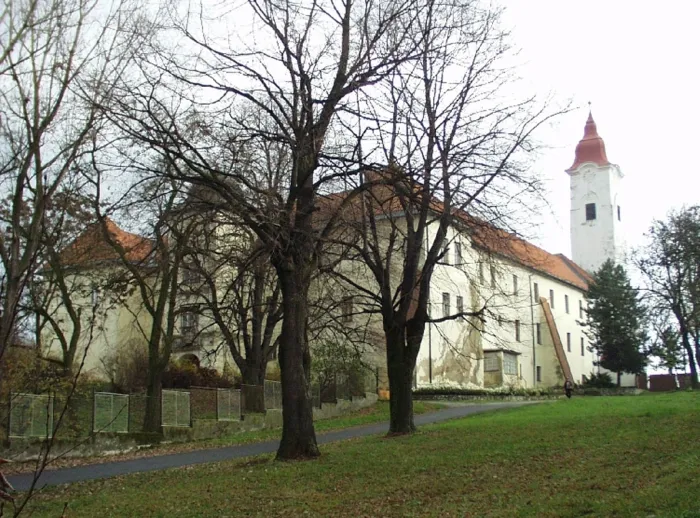
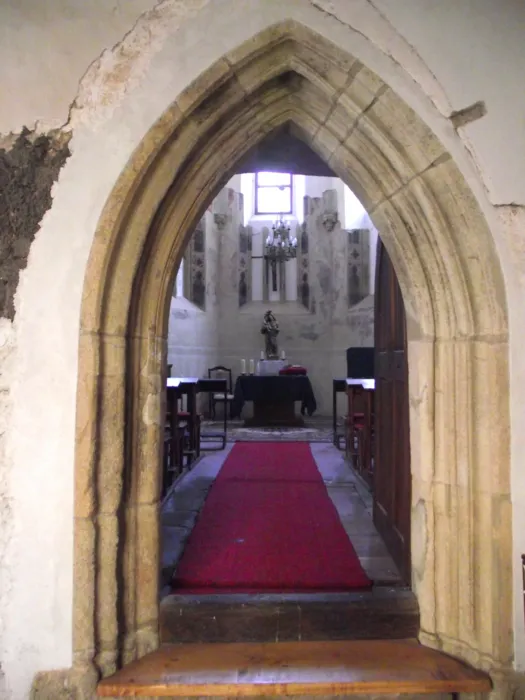
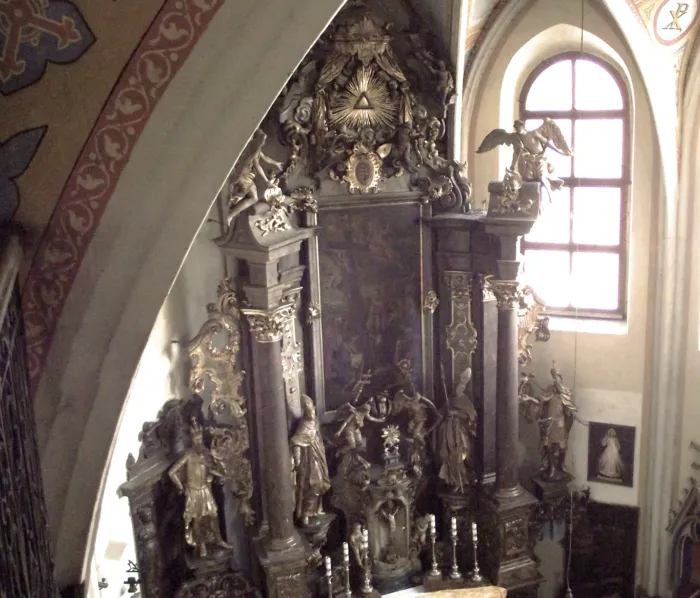
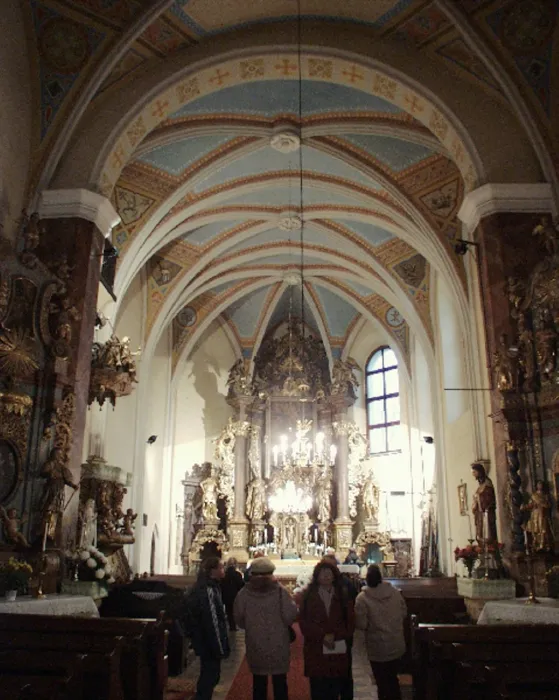
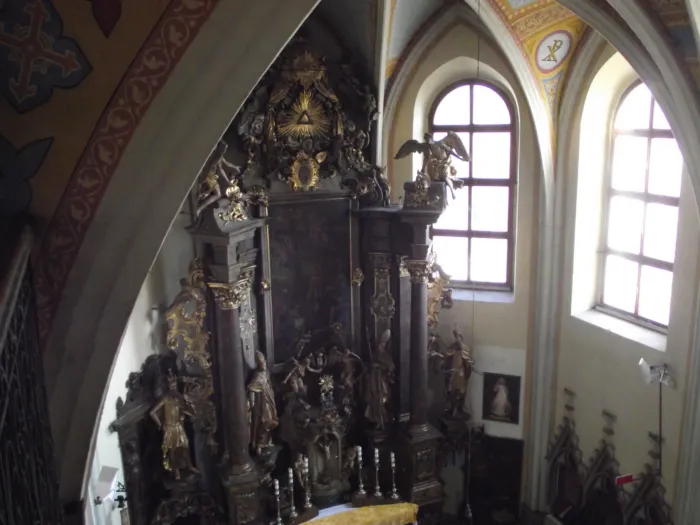
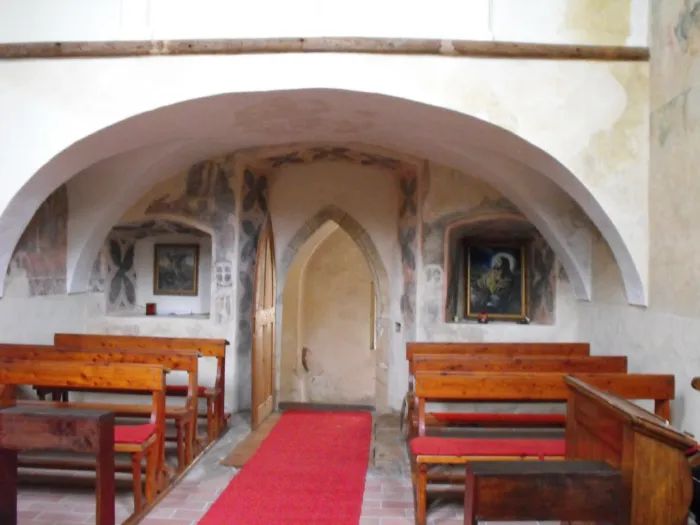
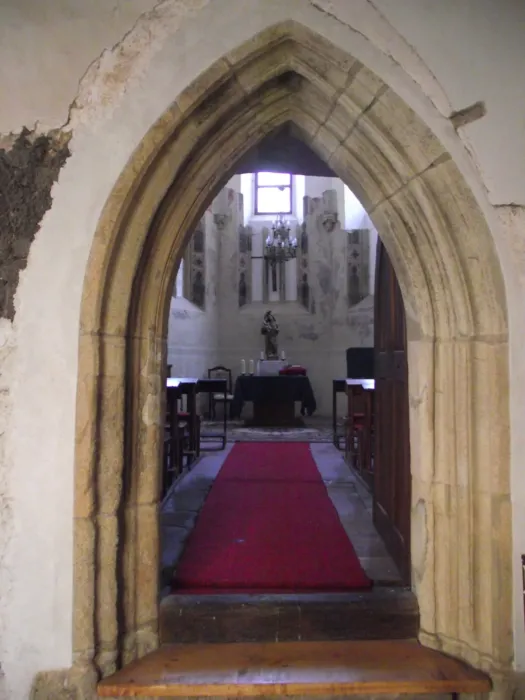
Lelesz village is an integral part of the Bodrogköz region, the former Zemplén County. The arrival of the Premontrean monks can be dated to the beginning of the 12th century. The settlement was inhabited even before that, but a real intellectual, cultural and religious heritage was left to us with the settlement of the Premontrean monks. The abbey was the intellectual, administrative and cultural center of the wide area. In 1180, King Béla II. donated the Lelesz estate and all its areas to Bogyiszló, /Bolezlaus/, who later became the bishop of Vác. He founded the abbey (provostship). In 1214, King Andrew II. confirmed the donations of his predecessors in his founding letter. This document is important in several respects. It is not only of historical and geographical significance, but also a linguistic monument, as the names and designations of the surrounding settlements appear for the first time. ; In addition to the (confirming) founding charter of the Leles Abbey, there are many priceless values associated with the place. One such spiritual heritage is the stay of the Árpád kings here. According to legend, King Andrew II (father of Saint Elizabeth) rested here in Leles while on his way to the Crusades. This is where he learned of the death of his wife, Queen Gertrude of Merania. The story is also recounted by Ban József Bánk of Katona. According to legend, the queen's heart was buried here. The monks kept the queen's remains in a silver vessel for a long time. The king ordered that a mass be celebrated in the royal chapel for the spiritual well-being of his wife forever. ; The unique frescoes of the royal chapel date back to the 14th century. The foundations of the chapel named after Saint Michael the Archangel are one of the oldest parts of the monastery complex. Its stylistic features also bear the alternations of artistic and historical eras. The chapel frescoes reach their current form in the 14th century. The blue (royal) colors, which are rare in the Carpathian Basin, dominate the paintings. At that time, this colorant was extracted from precious stones. The frescoes suffered serious damage during the communist era. In the early 2000s, certain parts were restored and saved. ; The frescoes also depict scenes known from the Bible. Christ as a judge - the last judgment, as well as: biblical figures, saints, and not least the Árpád kings who ruled until then. ; In addition to their monastic and canonical duties, the Premontre monks were assigned tasks in royal Hungary that fulfilled the role of the current notary and legal offices, as well as the tasks that are now called courts. From the 13th century onwards, it certainly fulfilled its role as a local archivist and authenticator, as the documents that have survived to us support this. From the authenticator's documents, we know that documents from several Hungarian royal counties (from Bárta to Ungvár, to Kolozs-, Borsod-, Gömör- and Bihar counties) have survived, which were sealed or signed in Lelesz on behalf of the king.