
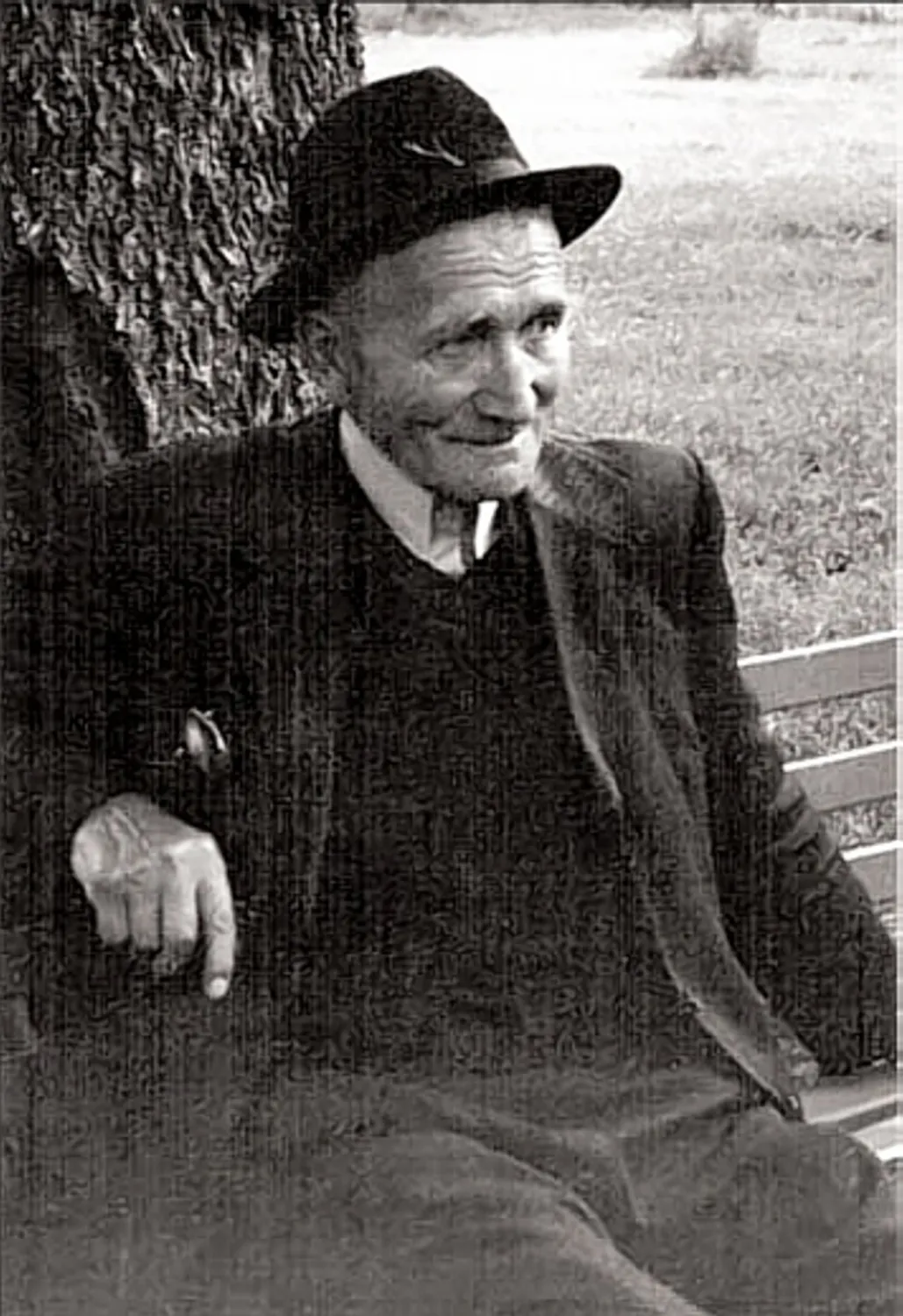
Sándor Lebó's life journey rich in human values
Other - other
* March 3, 1907, Naszvad – † 1990, Bácsbokod / public figure ; ; When researching the famous people of our region, it is almost obligatory to get acquainted with Sándor Lebó, born on March 3, 1907, who lived the first forty years of his life in Naszvad, and then the other forty or so, putting down new roots, in Bácsbokod, where his earthly career ended in 1990. ; Although he was a very bright child, the peak of institutional education, like his peers, was his completion of the village elementary school. However, unlike his peers and contemporaries, constant, self-taught education became an elementary necessity for him. When a posthumous portrait film was made of him, almost all of the people featured in the film said that his lifelong thirst for knowledge, and the constant self-cultivation to satisfy it, made him almost a village polymath. Even at a young age, he was one of the leading figures in the intellectual life of the village of Naszvad. He acted in plays, then taught and directed, founded and led a choir and a brass band, was a best man at weddings, and also worked as a military instructor. Before the war, he was a member of the village council, he played an initiating role in the introduction of spice paprika cultivation in the village, he participated in the management of the consumer cooperative, and when the Uplands were annexed to Hungary again and the profitability of vegetable cultivation fell sharply in the village, he was the one who taught the girls and women of Naszvad the tricks of weaving corn husk bags, and also organized their sale. He was the “Sándor” in Naszvad. To everyone. When the deportation also threw him to Hungary, he slowly became Uncle Sándor. There, everyone was Uncle Sándor. When the deportation was already a known fact, he escaped to Hungary with a third person to “conduct a field inspection”, and then back, so that he could provide at least a little comfort to those waiting to be deported. He ended up in Bácsbokod with his wife. And if anyone, he has truly significant merit in the fact that the displaced people of Nassau, albeit at a long time, found a new home and put down new roots in the settlements of South Bácska, Somogy and Baranya. His house in Bácsbokod was almost a place of pilgrimage for the displaced people of Nassau for a very long time. They came to him for advice, help, a word of comfort, a handshake. And he did not deny himself in his new home either. He was one of the founders of the local Áfész, director of the cultural center, TSZ accountant and handyman. And until his death in 1990, he was an advocate and steward of the relationship between the displaced people of Nassau and those who stayed home. The former best man, Sándor Lebó, also played a significant role in organizing the Nassau wedding, which took place in South Bácska, Csávoly. Later, another Maráz piece, “To Live for Others”, established a worthy memory of Sándor Lebó’s respectable life path. ; The Csemadok’s basic organization in Naszvad, In Memoriam, inducted Sándor Lebó into the Honorary Csemadok for their role in the meaningful, successful cooperation between the sister and friendly settlements of Bács-Kiskun County (2014). Sándor Lebó, who died in Bácsbokod in 1990, was awarded the title of Honorary Citizen of Naszvad Municipality. ; Sándor Lebó’s life was rich in human values, he became a symbol and a leading figure for the Naszvad people who were resettled to Bács-Kiskun, Somogy, Baranya and the farm world around Nyíregyháza at the time. Nota bene! - Note well! - says the Latin, more than two and a half thousand resettled Naszvad people, more than two and a half thousand people are involved! Yes! Sándor Lebó's life, which lasted a little over eight decades, was truly a life rich in human values. It is rich in human values such as a sense of responsibility, humility, compassion, honesty and respect, appreciation, a commitment to others and the community without personal interest, and I could list even more. These are human values whose universality and eternal validity are unquestionable, yet in today's fast-paced world their significance often seems to be devalued. Yet Sándor Lebó, in the modern, classical sense of the word, was not even an educated person. He did not graduate from college, he did not even go to a middle school. But he always educated himself and attended the school of life until the end of his life. By the end of his life, he had become a village polymath. And many people came to him: doctors, teachers, trade union presidents, folk artists, journalists. For advice, for a human word. And they learned from him. Few people are born like this!