
Memories of quarrying
Other - other
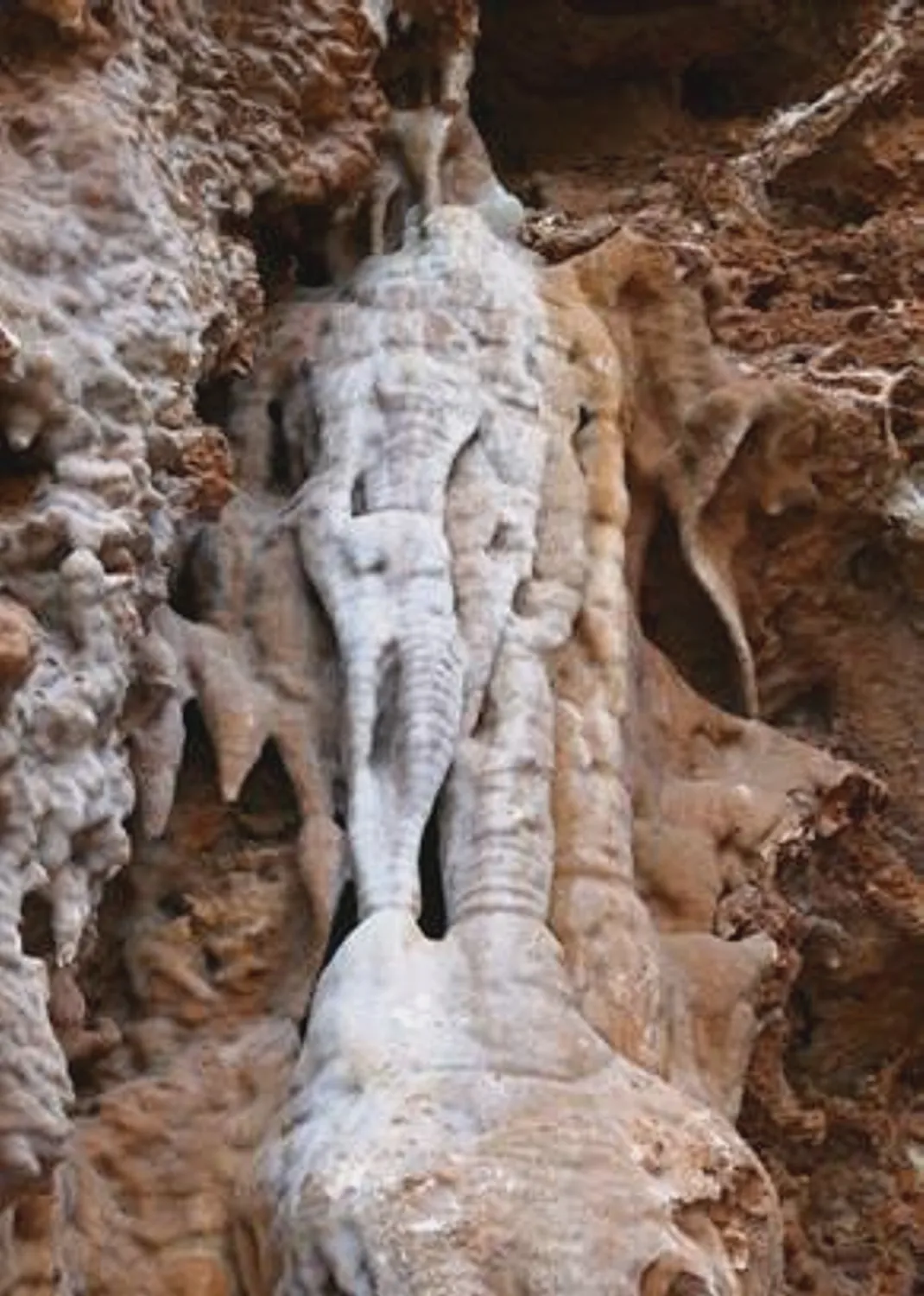
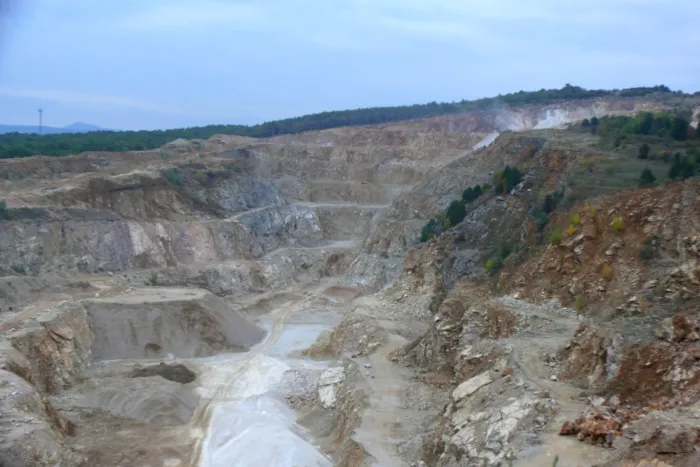
Pográny is rich in mineral resources. In the past, there were several significant mining and quarrying activities on Mál Hill, and quarrying is still ongoing here today. Its Triassic and Jurassic limestone provided excellent building stone for decades. In the parts bordering Kolon, marble and marbled limestone suitable for ornamental stone also occur, the Márványkő (Maruankeő) boundary marker was mentioned as early as 1626. Lime was also burned from the Pográny limestone (a kiln is mentioned in the region as early as the beginning of the 12th century). The petty nobleman Imre Tarkó operated a local limestone quarry here as early as 1824. Later, Gusztáv Rogge and then Samu Engel also produced lime on the same site. Gusztáv Braun, who was otherwise operating in Csitár, also burned Pográny lime. According to the contemporary Nyitramegyei Szemle, “the lime of Pográny is known to be unparalleled in the far countryside, white and greasy.” Lime burning ceased in 1938, and local quarrying was nationalized in 1948. A smaller quarry was used by the local agricultural cooperative from 1957 for its own purposes and for sale, but it is no longer in operation. In 1888, local engineer Gusztáv Rogge discovered an iron deposit, for which he received permission from the mining institutes to explore further. The press of the time enthusiastically reported on this, which had already predicted the ironstone mines of Pográny. Brown ironstone (limonite) still occurs in the limestone environment today, but its extraction is not economical. Quarrying is still carried out in the village, and one of the largest stone crushers in the area is located here. The stone is crushed and graded, and then used mainly for building houses and roads. Caves, stone caverns decorated with stalactites and fissures often open in the quarry, which are not protected. In the quarries, collectors also find showy and rare minerals (calcite, apatite, lublini, etc.). A small part of the village border is affected by the thinner brown coal and lignite layers of the Bélád coal basin, which contains more than ten million tons of coal.