
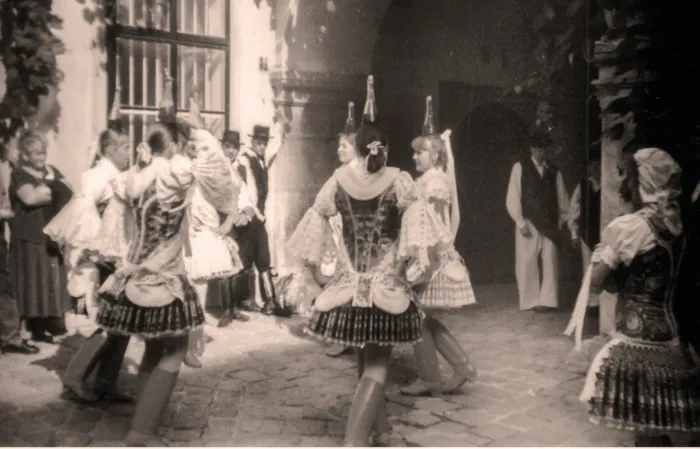
Small colonial dances
Other - other
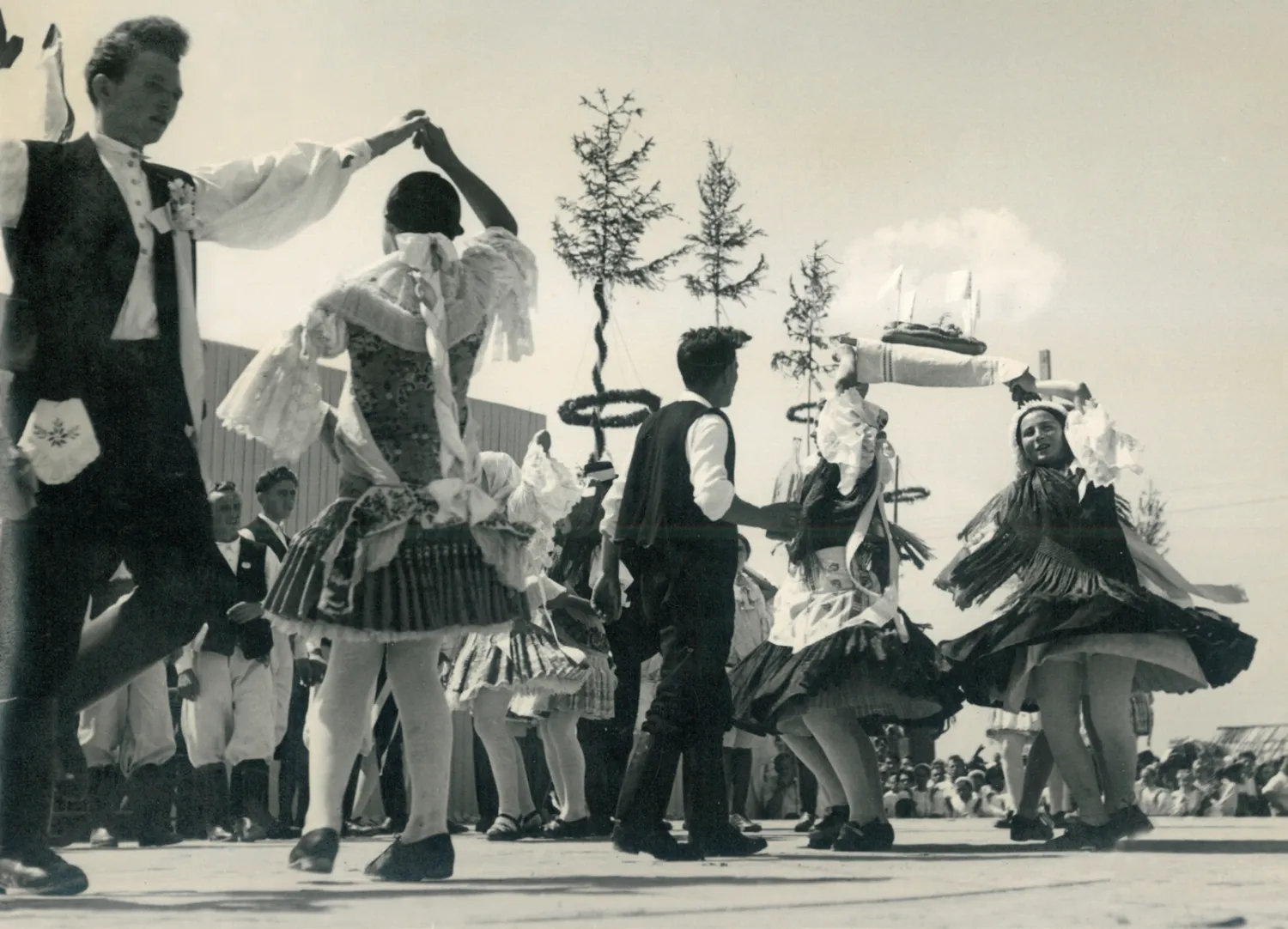
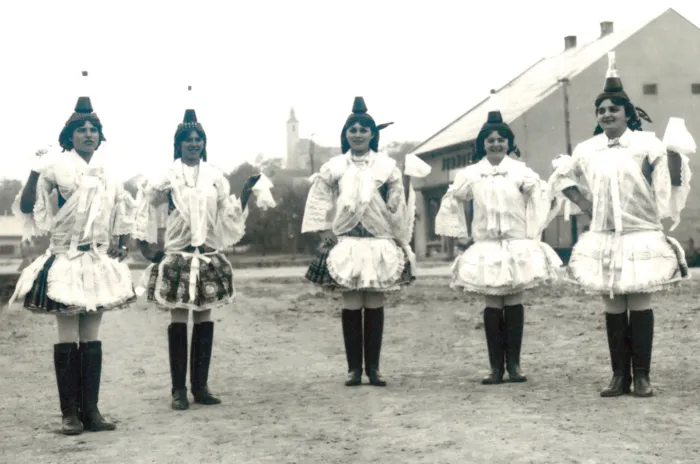
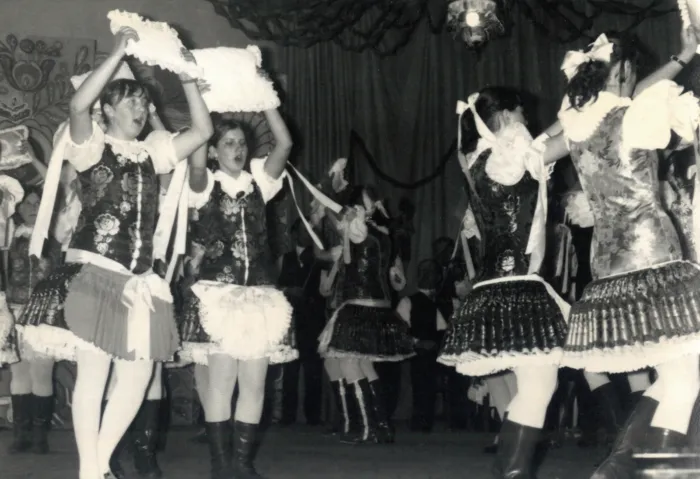
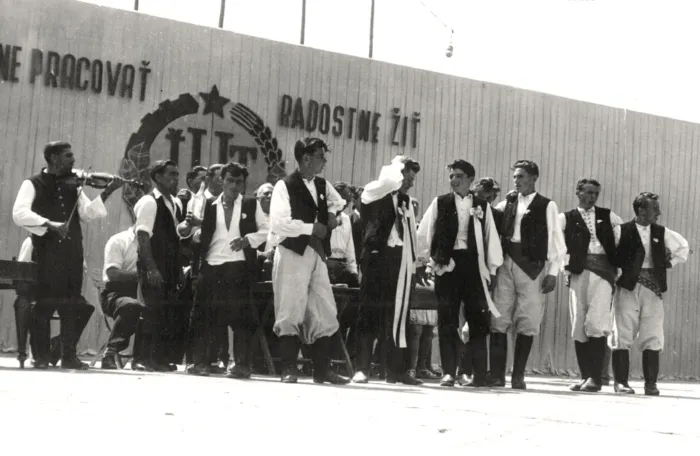
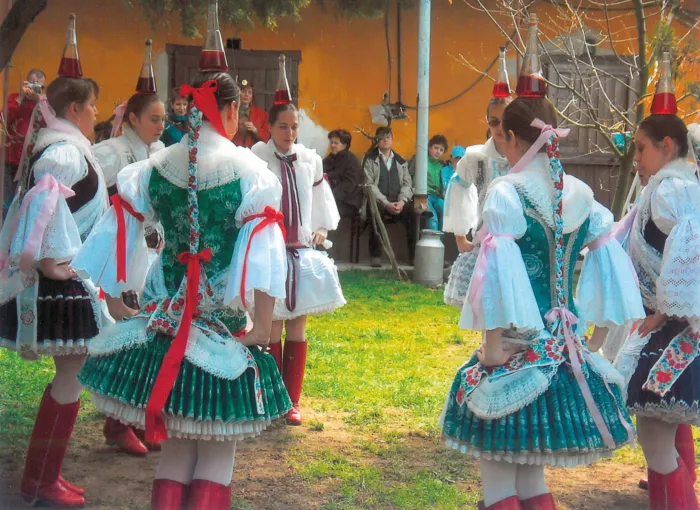
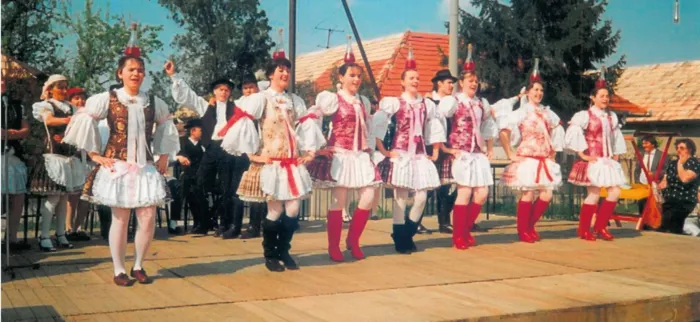
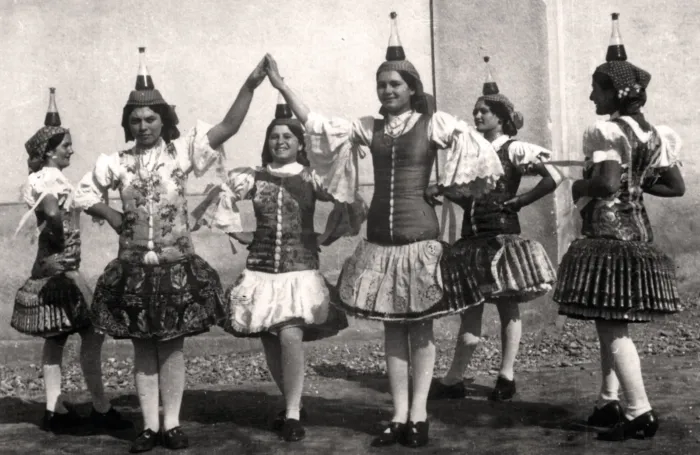
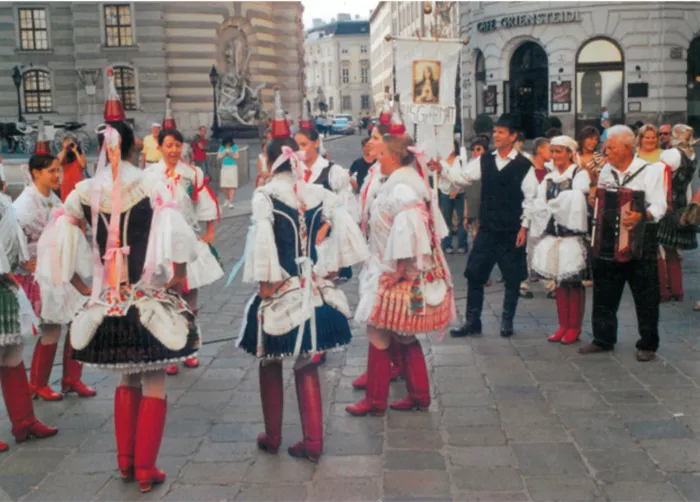
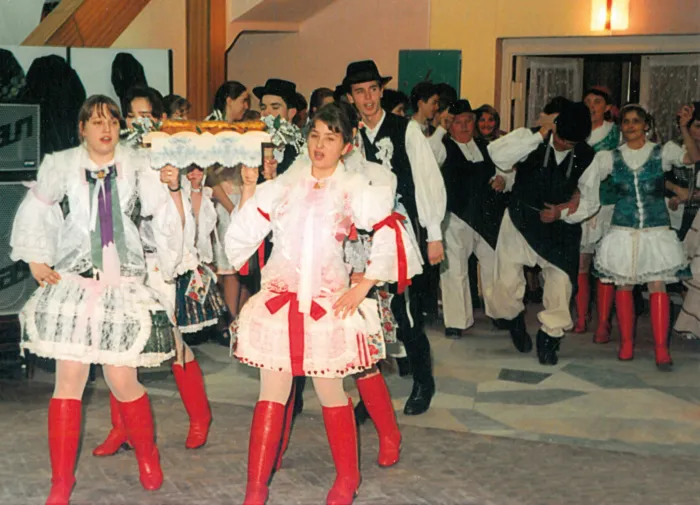
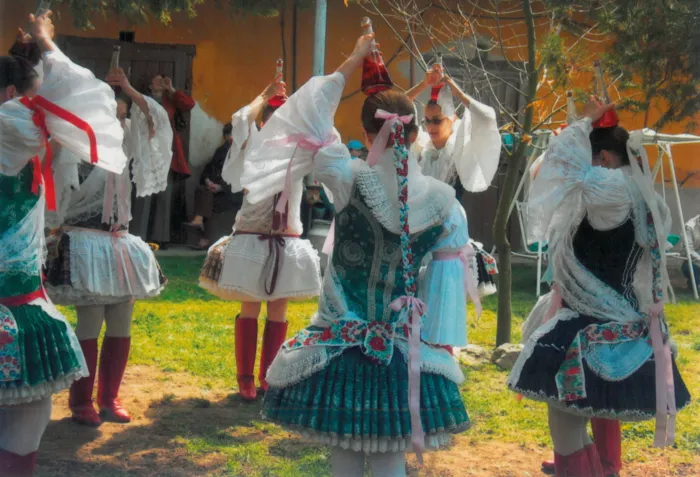
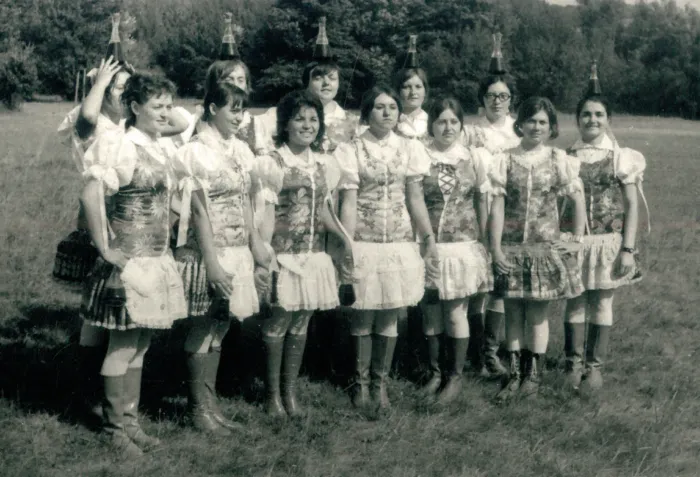
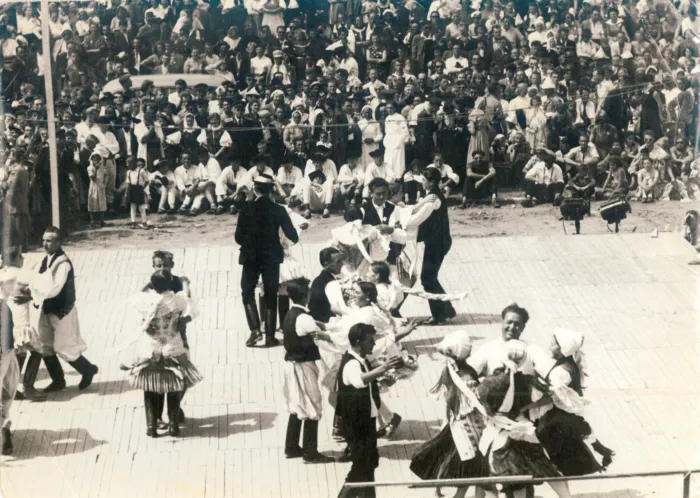
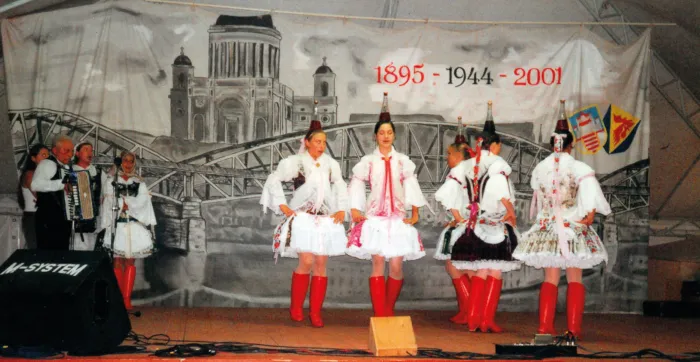
Our great-grandparents and grandparents created a unique culture according to their lifestyle, which was present in their lives as a necessity and a vital element. After the daily stressful physical work and the solving of tasks in many areas of life, it made the busy everyday life more beautiful, more cheerful, livable and bearable for them. They lived their everyday lives with their unique customs and according to the unwritten laws of a local nature. With the responsibility of belonging together, they became a strong community, adhering to its values, strengthened in self-awareness. With their characteristic dialect, they created a very valuable and interesting cultural circle, which we continue to live and proudly consider our own. ; The harvested fruits of diligent, productive work were always followed by well-deserved joy. ; Thanks to this, the following themes were developed: such as local dances, funny scenes related to certain jobs, songs with their own text and melody, verses related to actions - rhymes, wine greetings, so-called shouts (csujjogatók) were born. They experienced the holidays and entertained themselves by applying the listed cultural values. ; ; Presentation of local dances ; We consciously consider the history of our local dances and offer them to our readers, so that they do not forget the fact that the culture of our ancestors is of enormous importance in our fight for survival. ; ; Grouping: ; A.) Glass dance ; B.) Wedding dances: housewives' dance, pillow dance, cake dance, candle dance ; C.) Girls' dances: hoop dance, tap dance, flower garland dance (wreath dance). ; D.) Men's dances: lad dance, hussar verbunk, stopolo, broom dance. ;