
Kesmark Castle
Building, structure
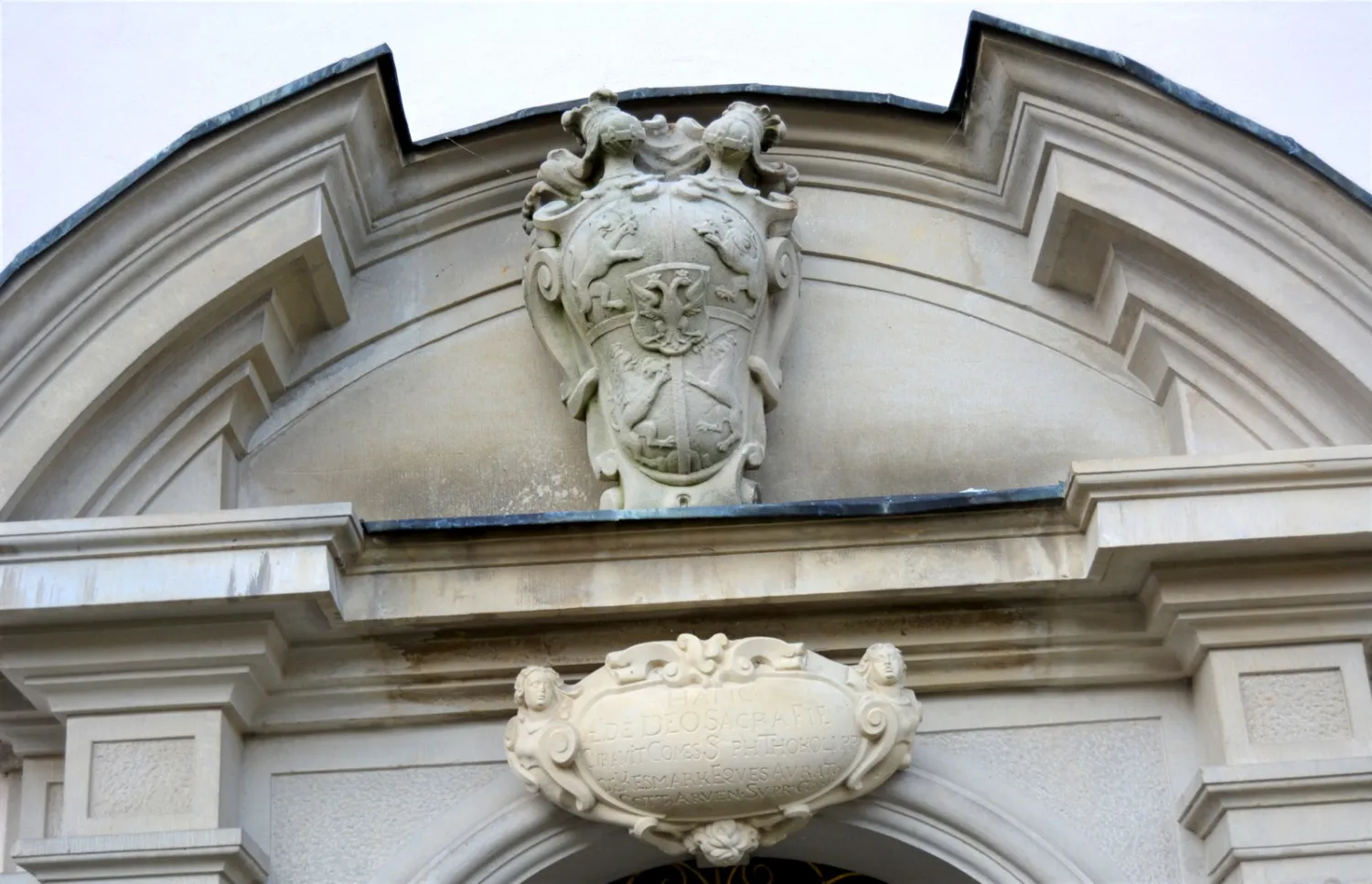
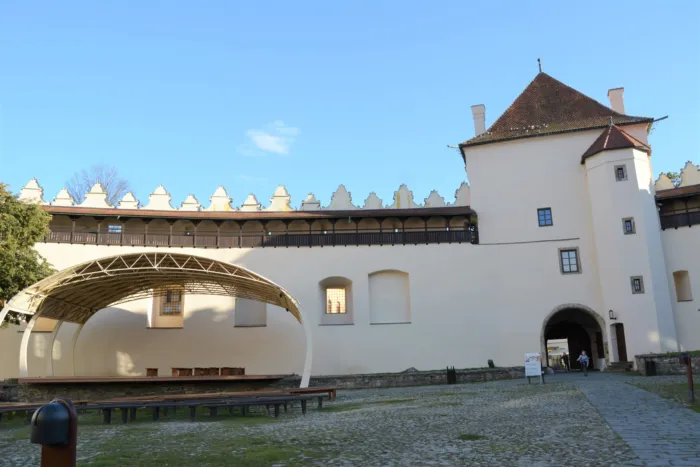
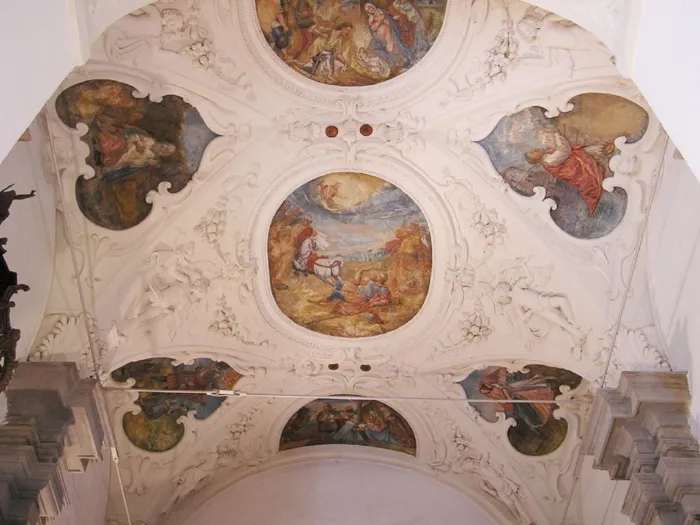
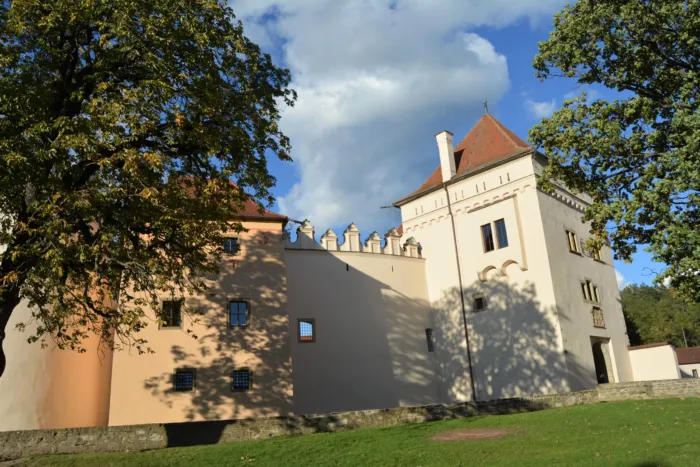
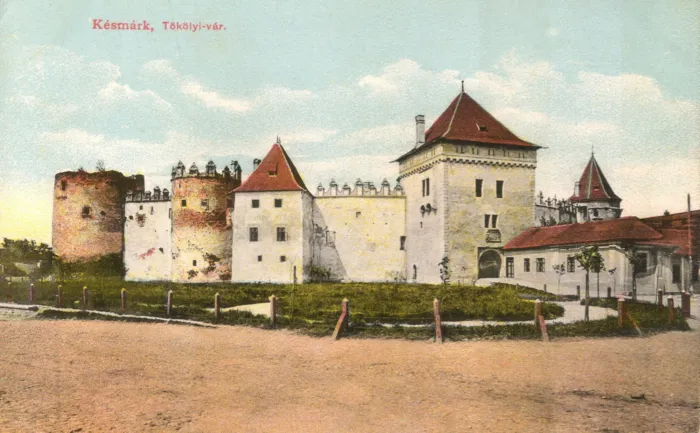
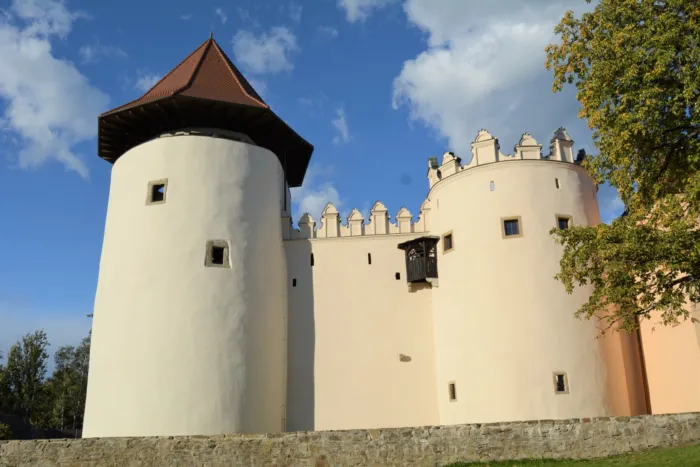
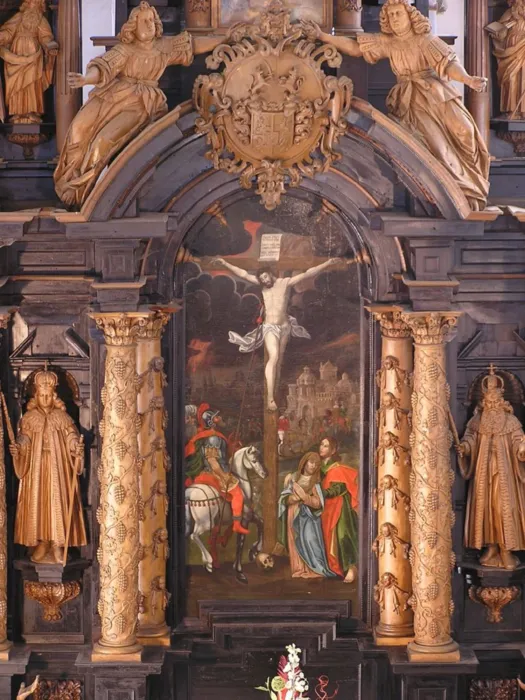
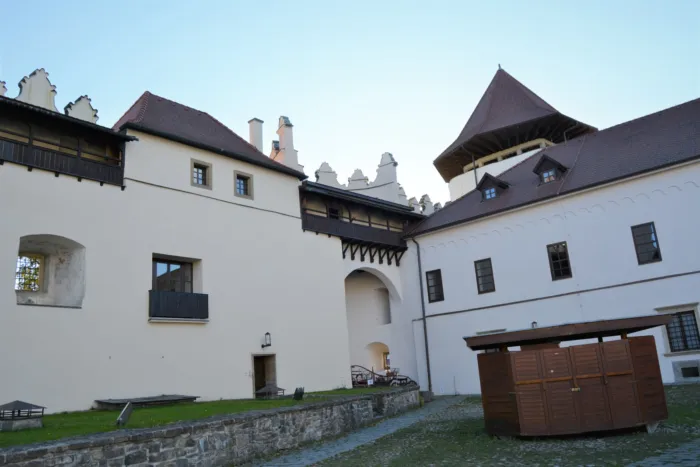
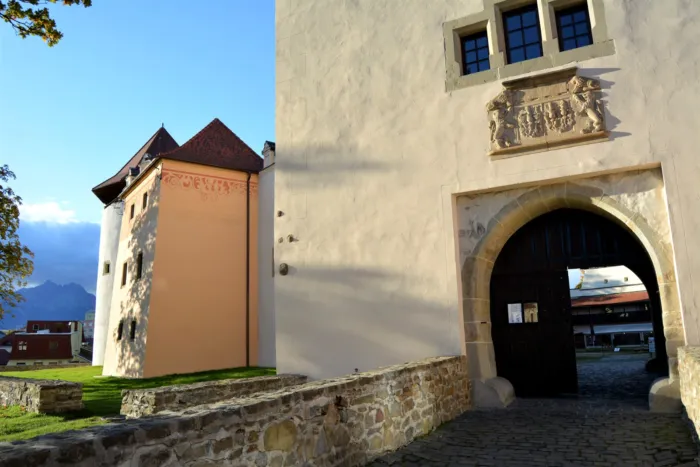
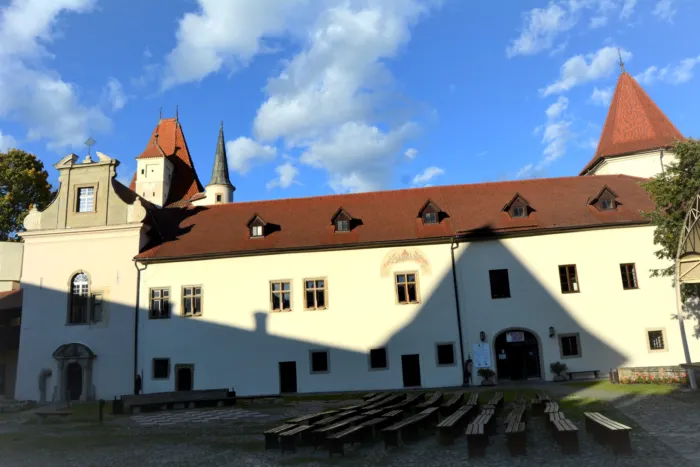
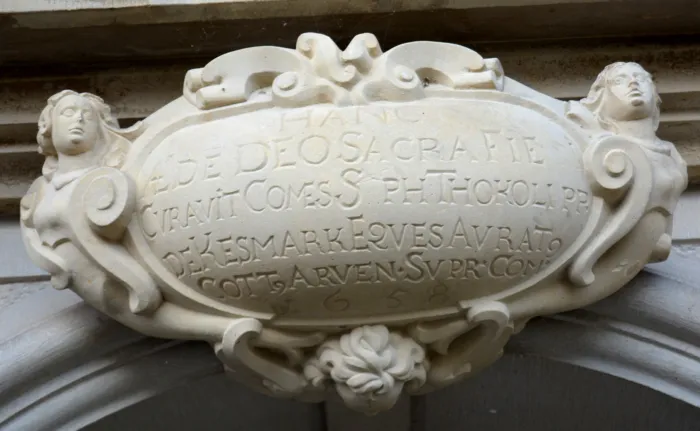
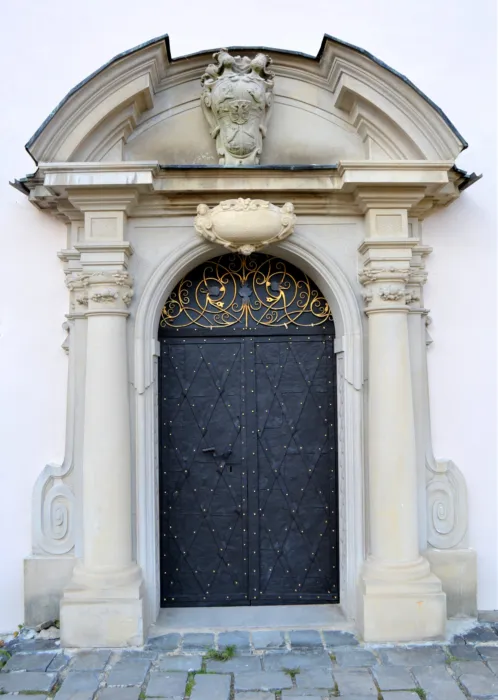
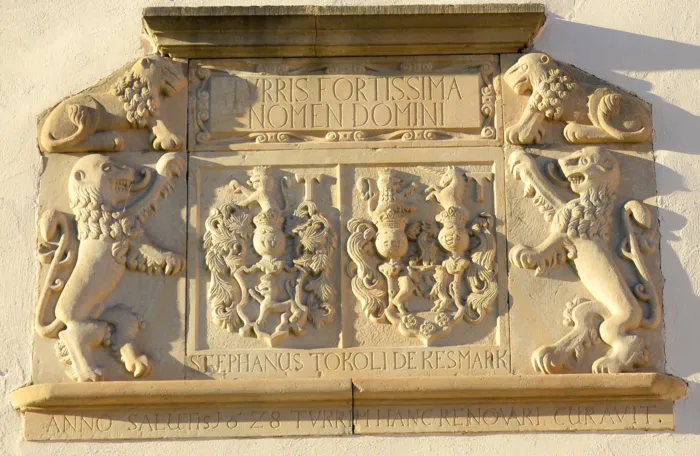
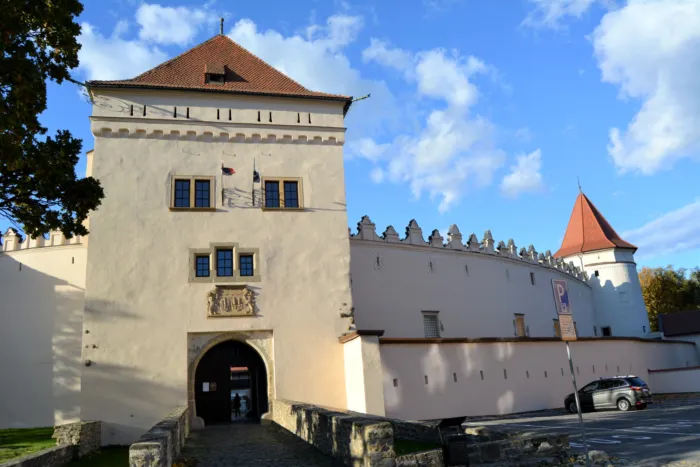
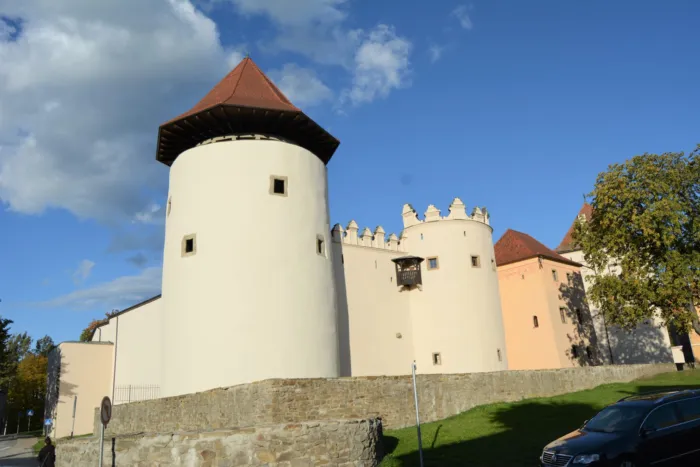
During the reign of King Géza II of the Árpád dynasty (1142–1162), German-speaking settlers (“Hospes”) arrived in the northern regions of historical Hungary, which had been sparsely populated by Slavic people until then, and soon established a series of settlements. The new population, referred to in history books as “Saxons”, was well-versed in trade, mining, and with their diligent craft industries, developed cities soon emerged from the primitive villages, among which Levoca and Késmárk stood out. We know from a document from 1190 that a nunnery operated on the site of the castle that still stands today. The Tatar invasion of 1241–42 also caused significant destruction in this area, but new settlers invited by the ruler rebuilt the necrotic ruins. In the 14th century, the new inhabitants of the area, known as the “Saxons”, were well-versed in trade, mining, and their industrious crafts. In the 14th century, Késmárk received a series of privileges essential to urban life, so in 1380 Louis the Great helped its development, while in 1400 it was granted the right to stop goods by King Sigismund of Luxembourg. The rich, and therefore envied, town was probably surrounded by a strong stone wall as early as the 15th century. The hardworking Saxon citizens were in more serious danger after 1440, when, at the invitation of the widowed Queen Mother Elizabeth, the armed forces of the Czech Hussite mercenary leader Jan Giskra invaded the central areas of the Highlands. At that time, the inhabitants of the Saxon settlements of Spiš were also forced to pay taxes, which was only ended by the 1462 campaign led by the general of King Matthias Hunyadi, the treasurer Imre Szapolyai. Then another blow was struck to the population, as the ruler donated the Keszmárk estate to the victorious lord, who demolished the nunnery in the eastern corner of the city and built a stone castle, which later served as the landlord's estate center. (The first written mention of the castle dates back to 1447.) This, in turn, led to a centuries-long feud between the free royal city and the landlord living next to it. After the losing Battle of Mohács with the Turks, King János Szapolyai, in order to increase his followers, gave the Keszmárk castle to Jeromos Laszky of Polish origin, who represented him several times before the Turkish sultan in Istanbul. However, the mercenaries of the Austrian Archduke Ferdinand of Habsburg, who was attacking the Highlands and later also the Hungarian king, occupied this area in 1527. The following decades were spent in a civil war with the city of Levoča, during which bloody battles took place for the benefit of trade with Poland. Levoča finally emerged victorious in 1558, as King Ferdinand of Habsburg forbade the Keszthelys from further hostilities. In 1579, a new landlord moved into the castle, Sebestyén Thököly, who had amassed his vast fortune through cattle trading. First as a pledge, and then from 1583 as an eternal possession, the castle became his, which was built into a Renaissance noble residence by members of this noble family. Above the square gate tower, which was spanned by a drawbridge in the Middle Ages, a marble tablet with the following Latin inscription has survived to this day: "The strongest bastion is the name of the Lord 1628", which gives the final year of the reconstruction carried out by the Thököly family. ; Késmárk never had any major military significance, it shared the fate of the Spisség, the center of which was the city of Levoca. In 1605, the troops of the Bocskai hajdú, and then around 1619, the Transylvanian prince Gábor Bethlen, marched into the rich trading city that opened the gate without firing a cannon. In 1671, the Késmárk estate was confiscated from István Thököly, who was involved in the Wesselényi-like conspiracy against the Habsburg emperor; according to contemporary sources, the treasures of the noble family were taken from the castle to Vienna in 16 carts. Imre Thököly, who had fled to Transylvania, launched successful campaigns in the Uplands from the 1680s, during which Késmárk also came under his rule. However, since the lucky star of the powerful Turkish ally had fallen, the “Kuruck King” was also forced to flee this region. The city and the castle played their last military role during the War of Independence led by Ferenc II Rákóczi, when they resisted the army of the imperial field marshal Heister for five days in December 1709. In revenge for this, despite his promise, the chief officer had six citizens and six soldiers executed, including Chief Justice Jakab Kray, Márton Lányi and Sebestyén Toperczer. ; On the N side of the small castle courtyard, we can visit the castle chapel, originally Gothic, then rebuilt in Baroque style. Its last renovation took place in 1658, the stucco was created by Italian masters. At that time, it received its altar decorated with twisted columns, on which the statues of Saint Stephen, Saint Gellért, Saint Imre and Saint Ladislaus can be seen. The part under the castle chapel hides the tomb of the Laszky and Thököly families. The defensive works, which had lost their significance, were gradually demolished by the expanding population in the 18th century, in some places the city walls can still be seen built between the houses, while a part of it has been restored. A weaving factory and a series of warehouses still operated in the Keszmárk castle, while in the 1970s, monument protection experts restored the centuries-old walls and created a Castle Museum there.