
Memory of the disappeared settlement of Kernye
Other - other
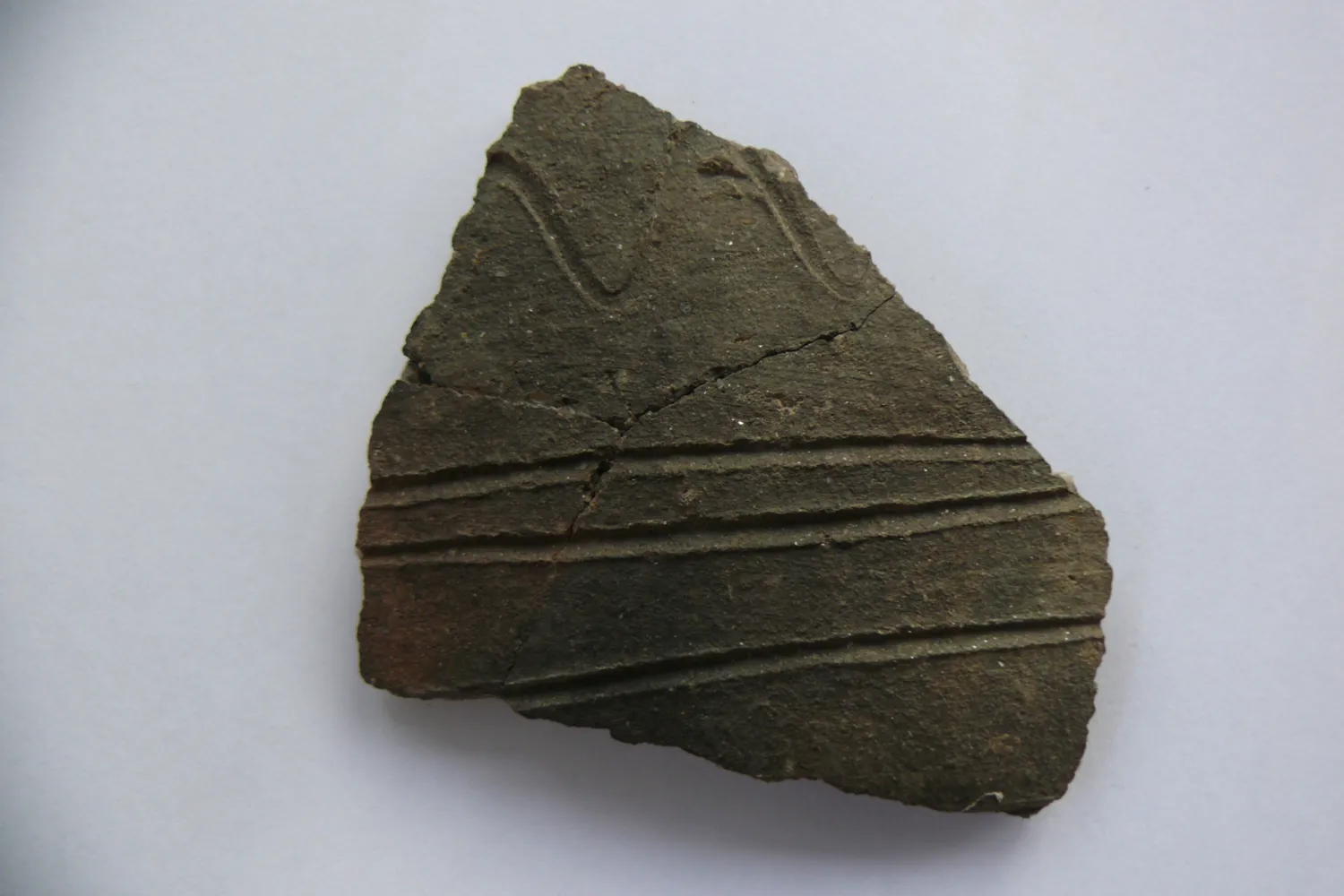
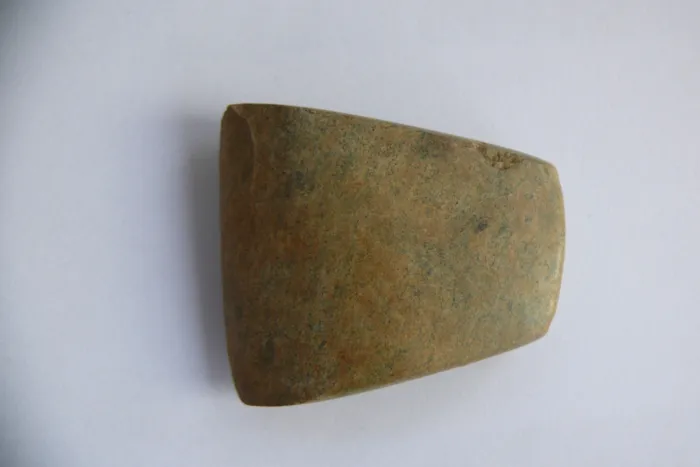
The oral memory of the disappeared medieval settlement of Kernye still lives in the village. Its first written record dates back to 1248. Miklós, son of Zochud, from the Ludány clan, received the land of the Nitra castle called Kernye from Béla IV for his heroism in the battles against the Mongol Tatars. However, archaeological finds at the site of the settlement testify to much older times, proving that people had settled here much earlier: it was inhabited in the Bronze Age, the Roman Age and the Middle Ages. Among the finds, a copper axe found in 1968, which was placed in the Slovak Agricultural Museum in Nitra, and a coin of Sigismund of Luxembourg (denar minted between 1390-1427) found nearby, stands out. There were two other disappeared settlements in the area, Berény and Zsigárd, but these were no longer included in the Alsóbodok cadastre. The second mention of Kernye dates back to 1287, when it was still owned by the Ludány family. Several land lawsuit documents have survived from the period between 1490 and 1514, when several people fought for the settlements of Geszte, Kernye, Család and Zsigárd (the Családak, Zerdahely family, Forgách family and others). In 1576, Kernye surrendered to the Turks, but was returned to the Hungarian crown several times. The continuous devastation led to the disappearance of the village. The Turkish tax census of 1663-1664 also mentions it, but the tax collected on the uninhabited settlement amounted to only 250 akcs. In 1696, when the Finta estate was demarcated, it was still mentioned as a settlement, and then in 1736, in the urbarium of the Bishop of Nyíregyháza, it was only listed as a manor, with arable land and small vineyards on its borders, from which the people of Bodo paid the tithe. The border of Kernye was shared by Alsóbodok and Család, a smaller part may have also been given to Hind. The extent of the annexation of the estate is clearly visible on today's Bodok cadastral maps. The vineyards survived for a while, today there is arable land in their place, but their memory is preserved in the border name Puszta szőlők. Numerous surface pottery finds can still be seen in the Kernye area. According to oral tradition, a "castle" stood here, which may refer to a medieval palanquin castle or fortress. There was a toll booth at the nearby "Szómás-híd", which is also somewhat confirmed by writings. A stylized reconstruction of part of the medieval Kernye castle is included in the long-term program of the Alsóbodok Village Defenders Association.