
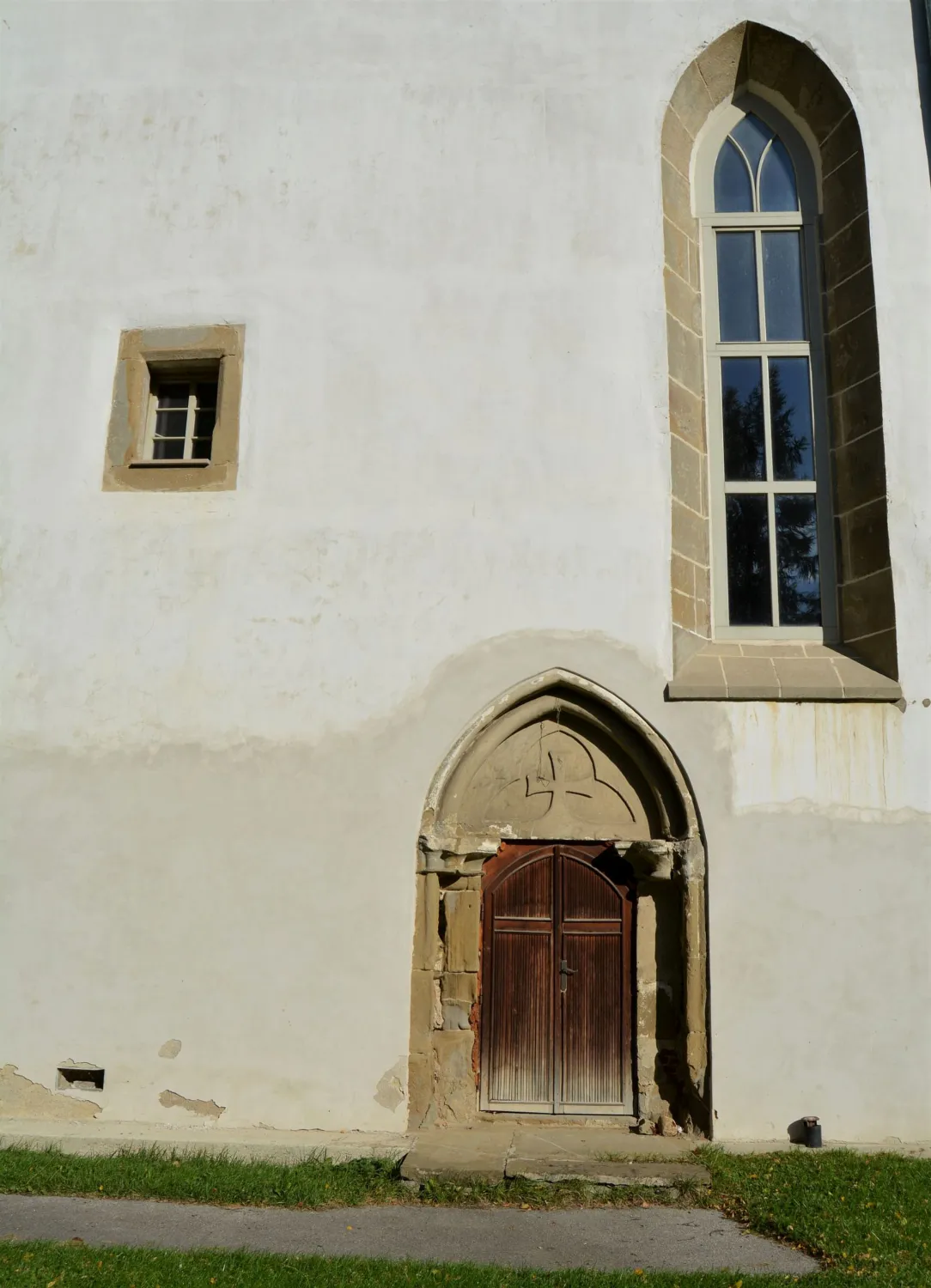
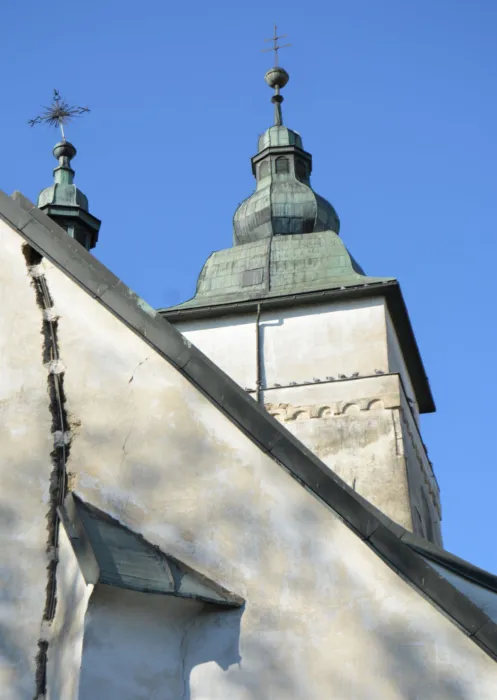
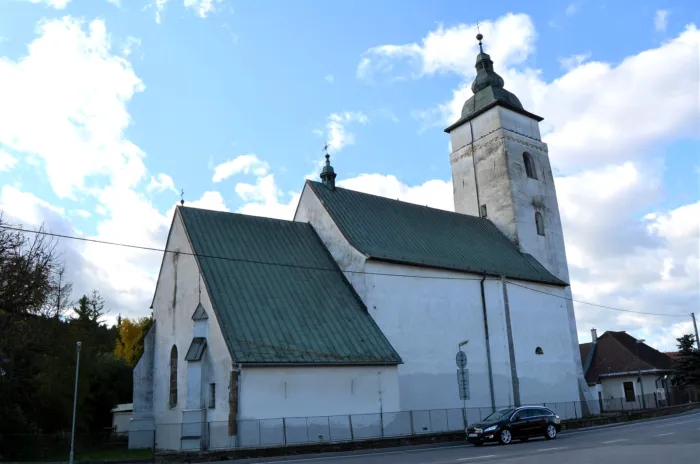
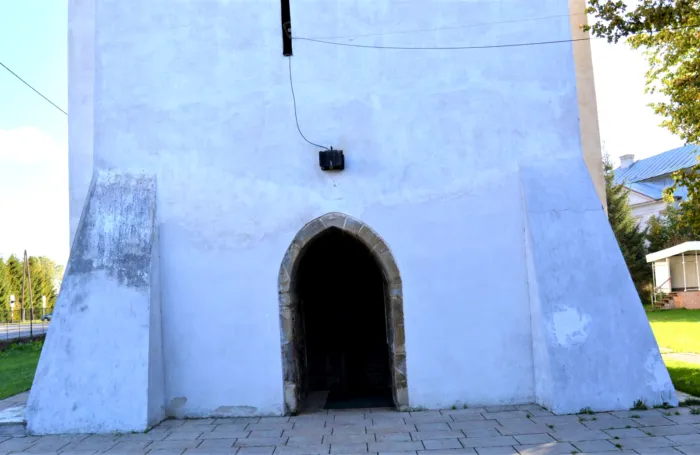
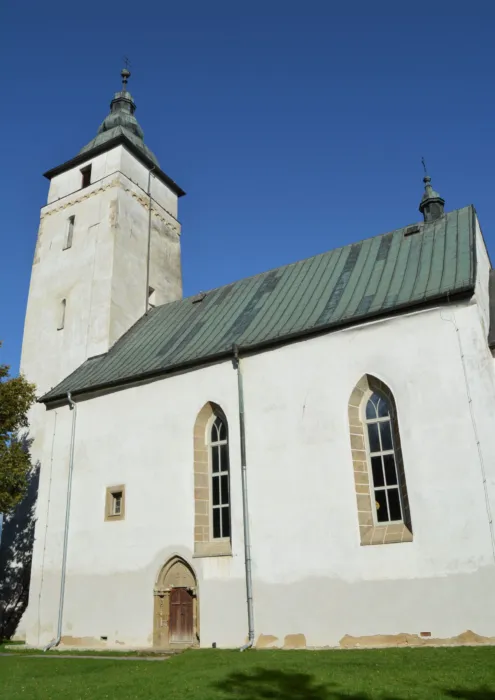
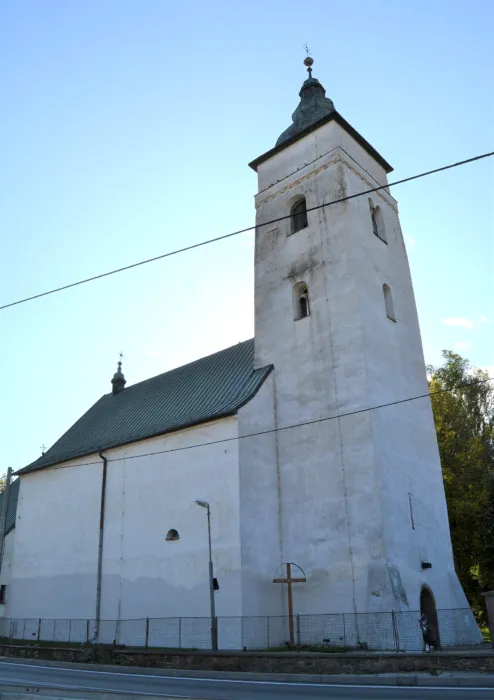
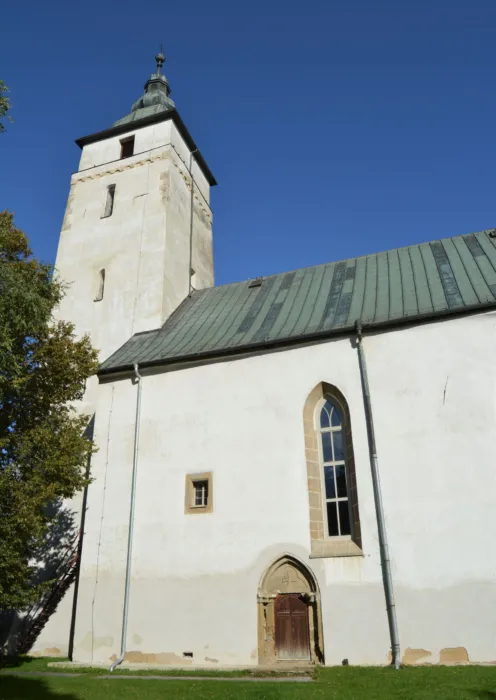
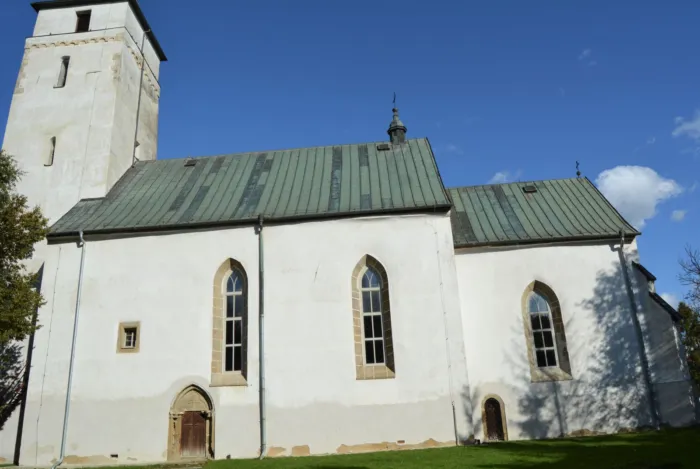
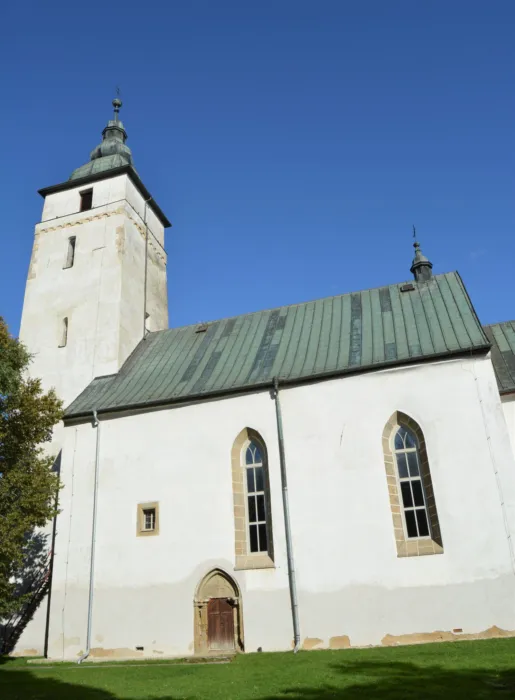
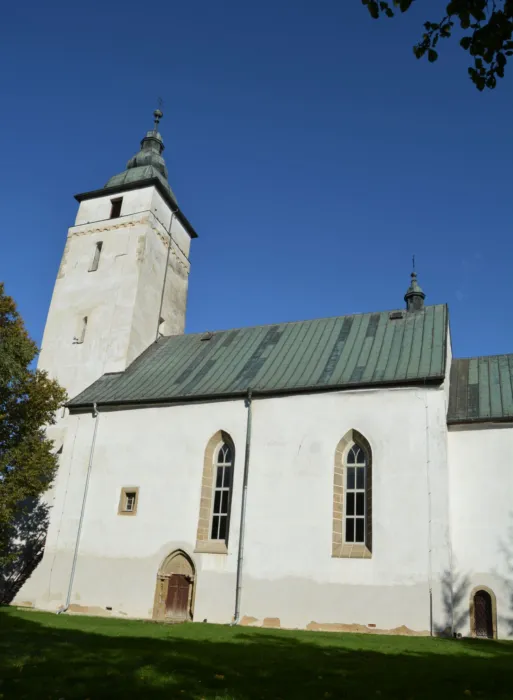
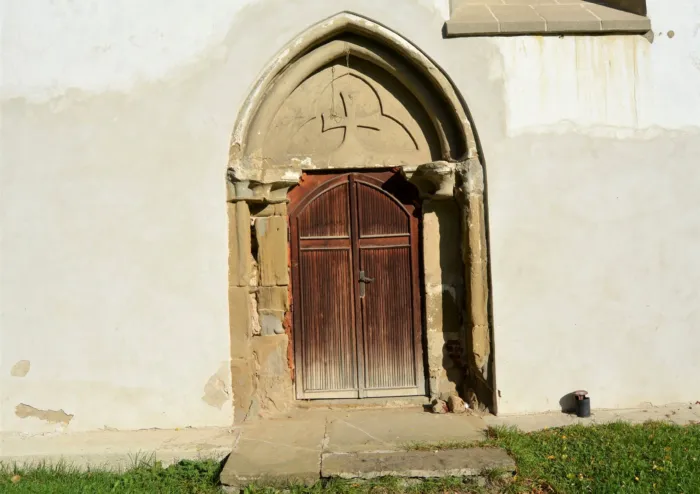
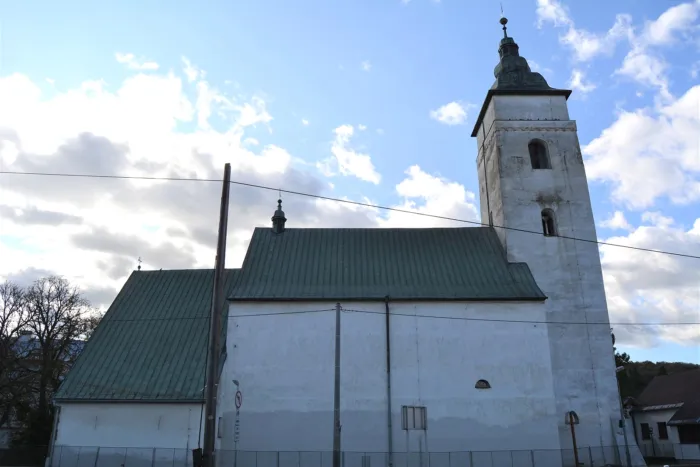
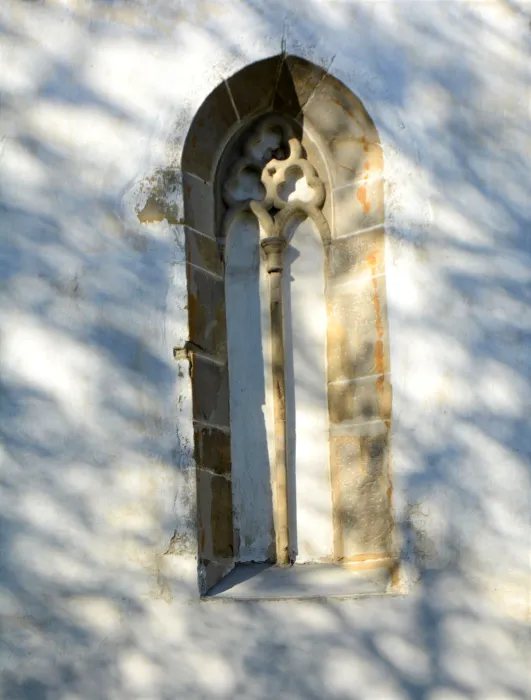
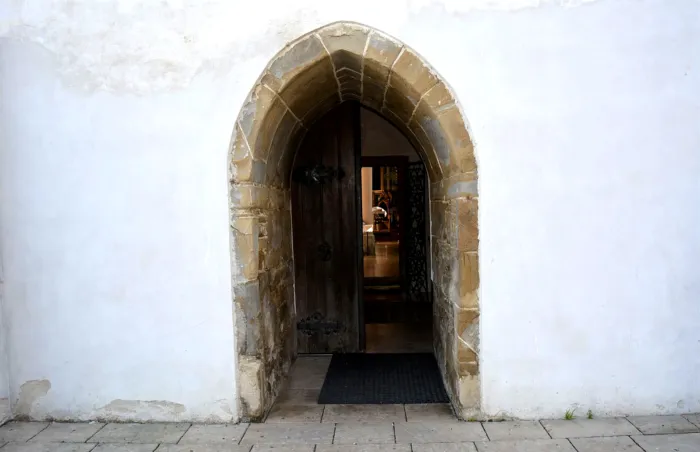
Church of St. Catherine of Alexandria in Kakaslomnik, exterior
Building, structure
An oriental church from the 13th century, rebuilt in the Gothic style at the beginning of the 15th century. The most important value of the church is the wall painting cycle of Saint Ladislaus, made around 1317, preserved on the northern wall of the sacristy, which contains scenes of persecution, wrestling and beheading. The frescoes of the sanctuary date back to the 14th century. ; The title of the church is unusual for today's people - even Catholic believers: this saint is hardly known today, and in fact, she belongs to those whose figure is lost in the darkness of legends, and it is highly likely that she did not exist historically. However, her veneration was very significant from the early Middle Ages: according to research by András Mező, the third most common church title among female saints in medieval Hungary - after Saint Margaret of Antioch and Saint Elizabeth - was Saint Catherine. She also belongs to the four virgines capitales and the 14th group of helping saints – she was primarily revered as the patron saint of the dying. According to some data, her popularity rivaled that of the Virgin Mary in the early Middle Ages, and for example, she is the most frequently depicted female saint on Hungarian medieval panel paintings: with a sword and a wheel, which refers to her martyrdom. ; Saint Catherine of Alexandria is the wise woman who defeats pagan scholars in debate and proves her true faith in the test of martyrdom, standing at the crossroads of truth and falsehood, at the gate of death that weighs life, and she calls us to move forward in this direction in the interpretation of the Saint Ladislaus legend seen in her church.