
:
:

The life journey of Mihály Karasz Sr. and Jr., the guardians of pastoral traditions
Other - other
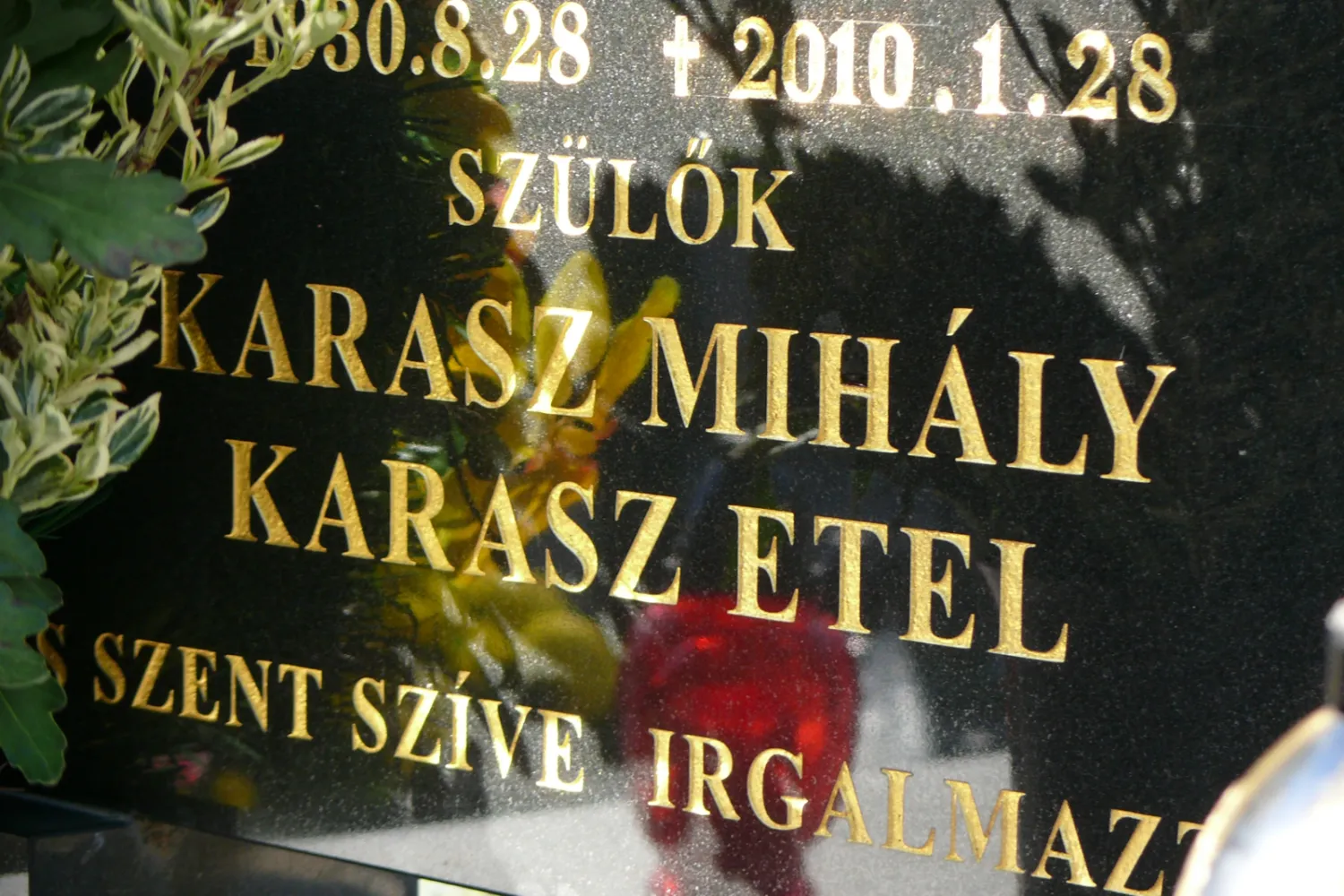
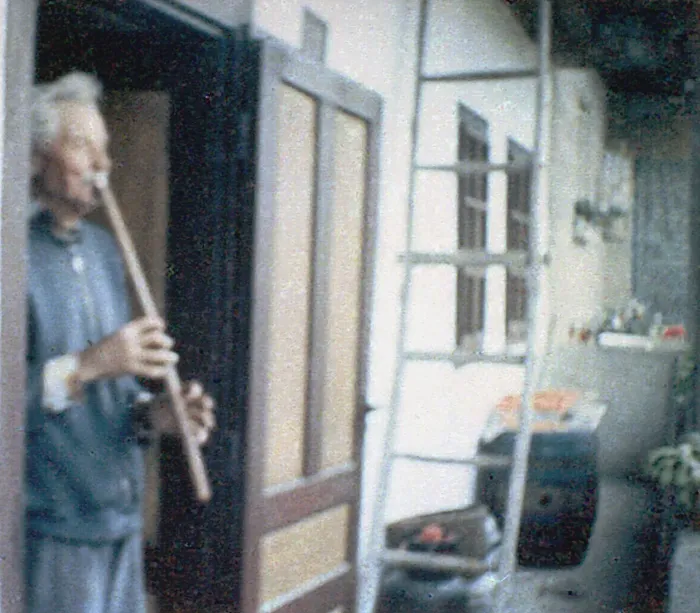
They were the last representatives of the Zoboralja shepherd culture. Mihály Karasz Id. (in some sources Kárász or Karas Mihály) came from Sarlókajsza near Nitra, which is now mostly inhabited by Slovaks. He was born around 1860 and worked as a shepherd in the also mainly Slovak Szalakusz and Elefánt, but also in the Hungarian Kolon and elsewhere. They finally settled in Alsóbodok. Mihály Karasz Id.'s ornate, richly decorated shepherd's staff, shepherd's hook, is presented in the Zoboralja Museum in Alsóbodok. Its carved ornaments flash the shepherd's life during hunting, his meeting with his brother in the World War, and the shepherd's work. His employer and his own name were also included, along with the year 1916. The lower part of the staff is decorated with a snake symbolizing the lower world. This is the only shepherd's staff found in Zoboralja. He was a connoisseur and nurturer of traditional folk music. He died on April 1, 1935 in Alsóbodok. His son, Mihály Karasz Jr., was born in the village of Elefánt on March 8, 1906. He also partly carried on his father's legacy: he sang, played the zither and was one of the last flutists in Zoboralji. His traditional flute playing was collected by several people, e.g. Gergely Agócs, so it has survived for posterity and is still played by several people today, although no one in Alsóbodok anymore. His material has also been published on a recording medium under the care of the House of Traditions. Mihály Karasz Jr.'s six-hole long flute was 63 cm long, a unique transition between five-hole and six-hole, and between long and small flutes. The long flute is now in a private collection in Budapest, but unfortunately its recovery from Zoboralji was not successful. The now damaged zither of “Uncle Mihály” is kept in the Zoboralja Museum. Mihály Karasz Jr. also had a short flute, which was unfortunately lost at the end of the last century. The last known bagpiper of Zoboralja was József Elgyütt from Zsérei (“Kura Josko”), but his bagpipe unfortunately did not survive. The wooden carved goat-shaped bagpipe head found in the Karasz estate, which was sent to the Zoboralja Museum from the private collection in Fülek by Norbert Varga, is all the more valuable. Unfortunately, we do not know the original clothing of the shepherds around Nitra, but a depiction from 1897 has survived from nearby Appony, which was also preserved by the aforementioned museum. A relative of the Karasz family is Ilona Holec, a folk singer from Alsóbodok, a folklore group leader, and the holder of the title of Master of Folk Art. Mihály Karasz Jr. died on May 27, 1989 in Alsóbodok, and is buried in the local cemetery with his wife Etel.