
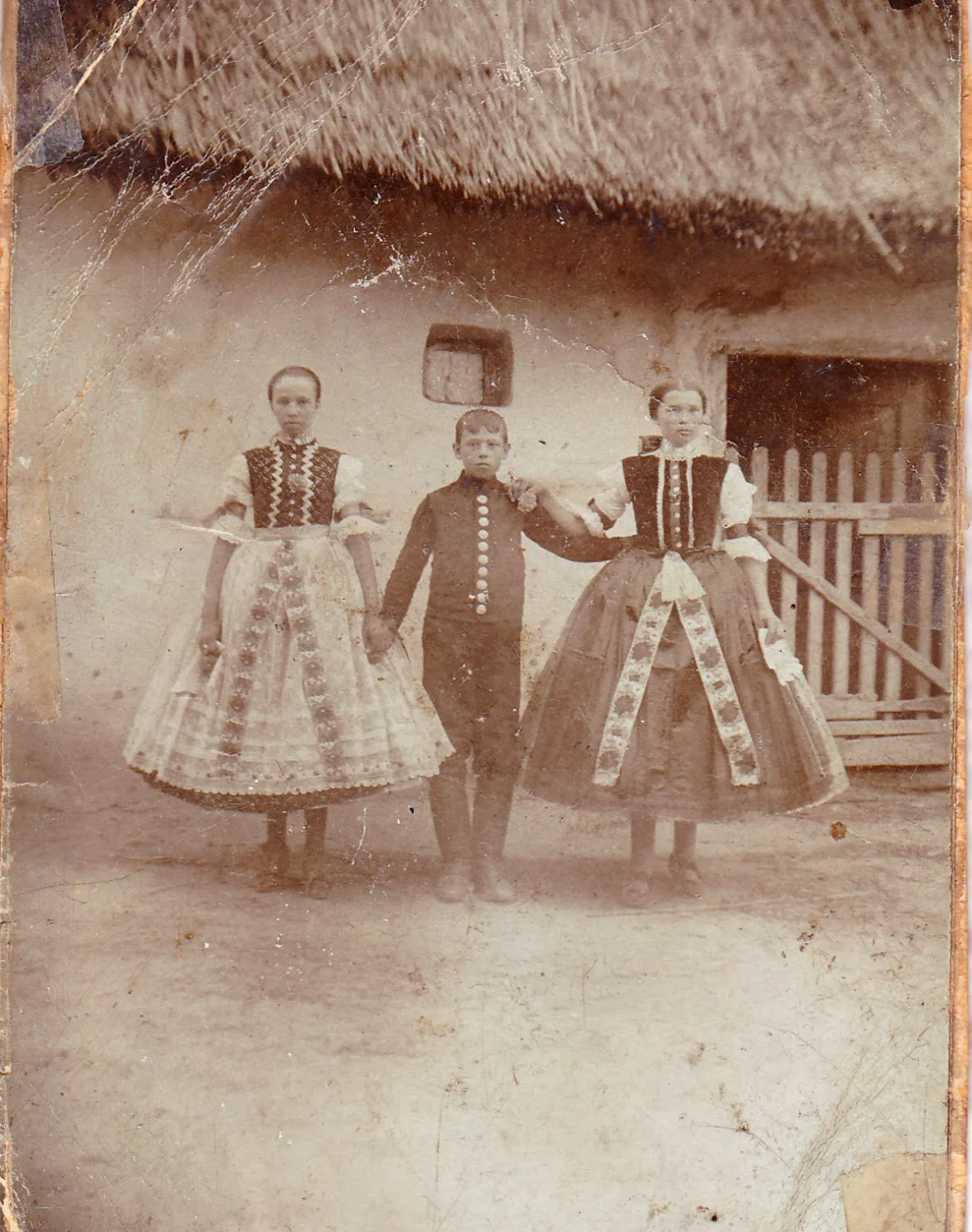
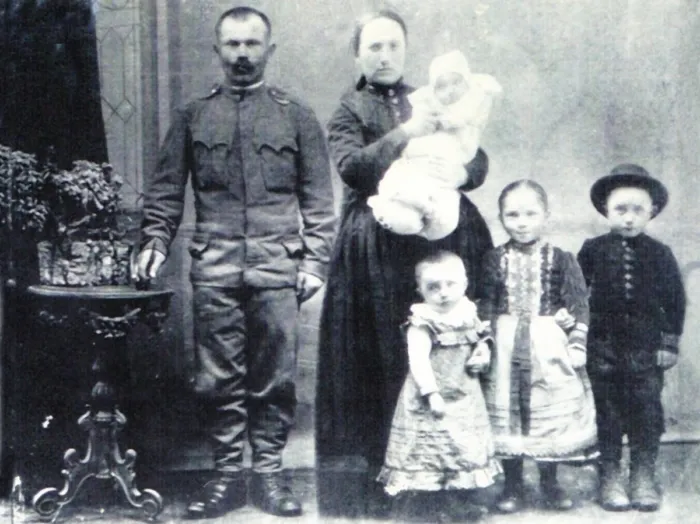
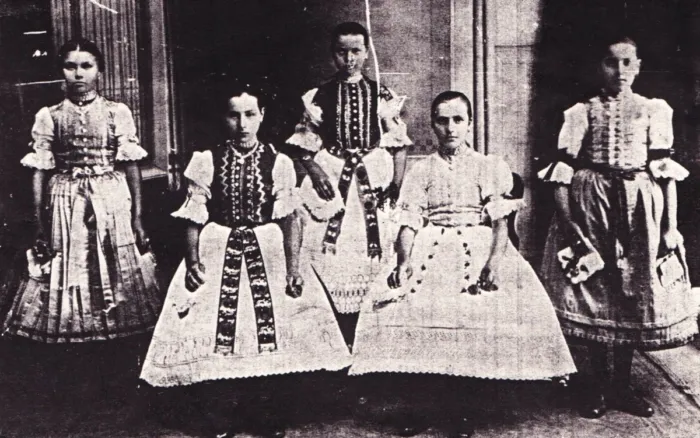
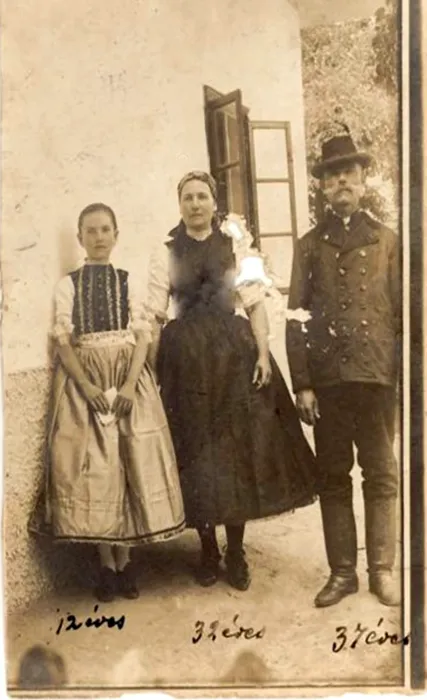
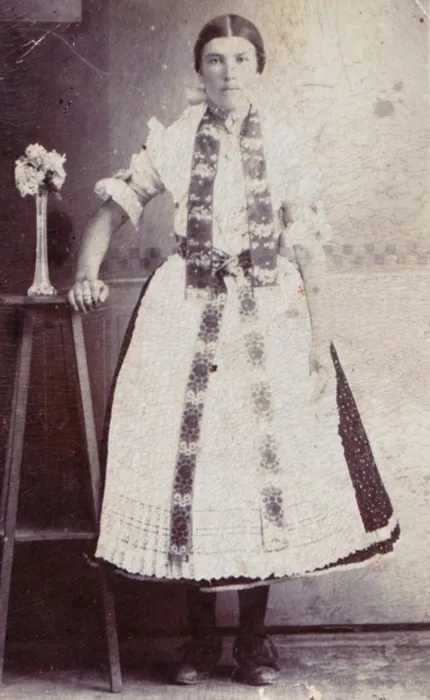
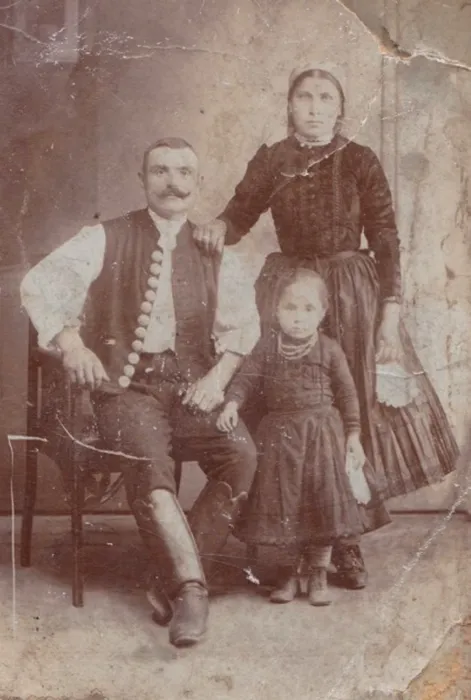
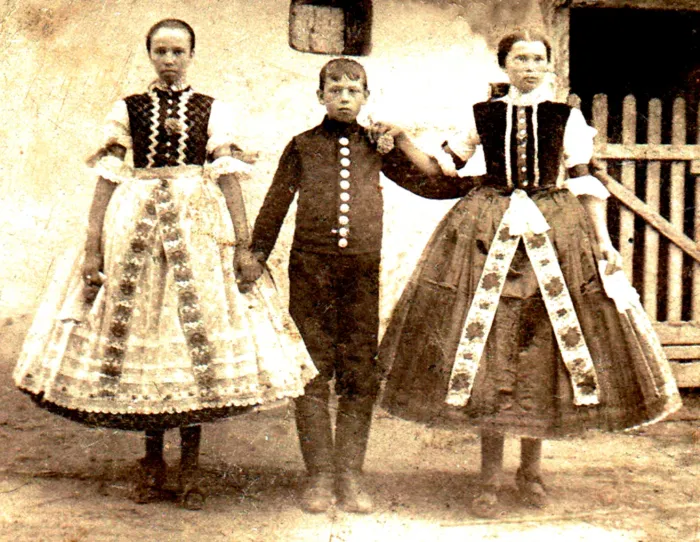
Hetényi folk costume
Other - other
In the past, the people living in certain villages were distinguished by their clothing, even from the residents of neighboring villages or regions. By studying folk costumes, we can better understand the thinking and customs of a given village community. For a very long time, we believed that Hetény did not have a truly distinctive costume, compared to the costume of Martos or even Izsa. Compared to the richly decorated Martos costume, the costume of Hetény may seem very poor. ; The development of traditional peasant costume was influenced, among other things, by local customs and individual taste. The oldest costumes – which were still used in Hetény in the first decades of the 20th century – were made of homemade hemp canvas. Hemp was grown on the two large fields of the village – the Lower Hemp Field and the Upper Hemp Field. Almost every family had a hemp plantation in this area, as much as they could cover the family's linen needs, since the family produced whatever it could on its own. This was also the case with linen made from hemp. ; The finished linen was then used to sew household sheets, tablecloths, towels and certain pieces of clothing, such as the péntő (bedspread), women's shirts, men's linen shirts and linen trousers. ; Hemp linen was slowly replaced in everyday wear by factory linen, cardboard, barket, and klott. Silk, brocade, blush, and satin appeared in festive wear. ; ; Sarolta Rancsó: The Hetényi folk costume in the 20th century, a presentation that achieved a gold bar at the conference of students researching local values, in Dunaszerdahely: