
Mr. Hetényi
Other - other
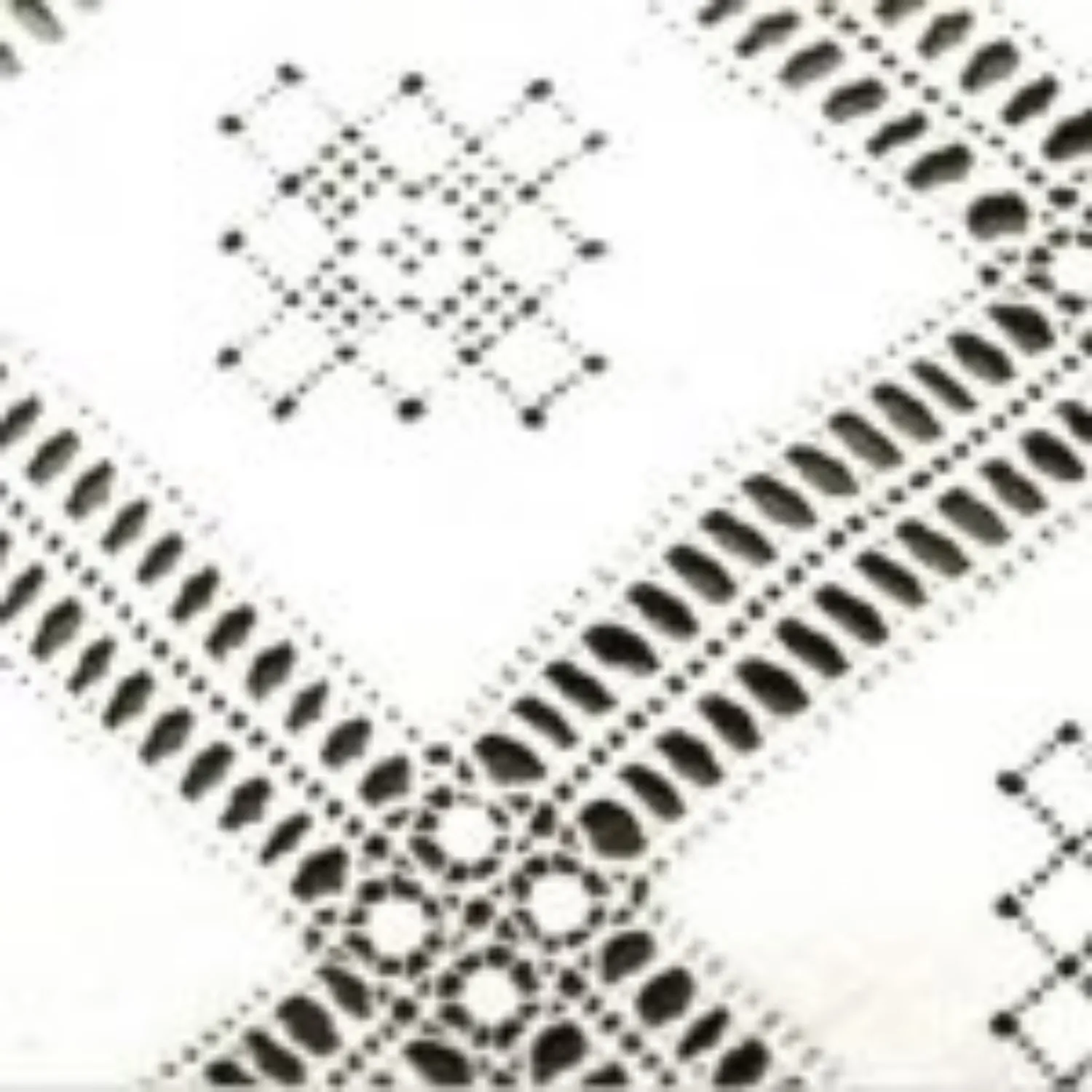
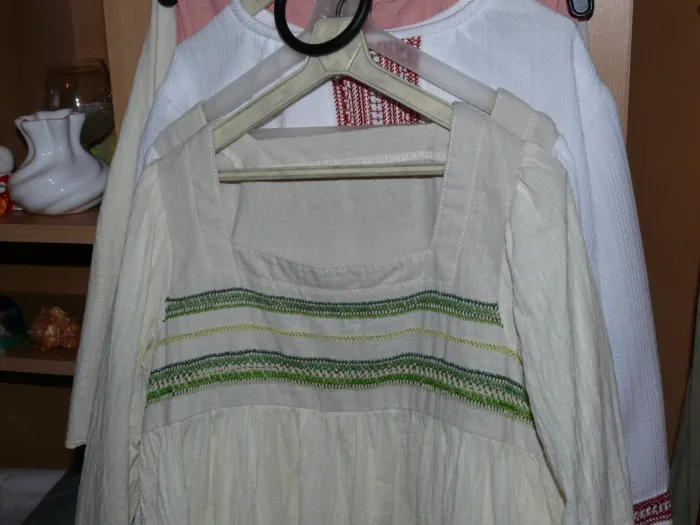
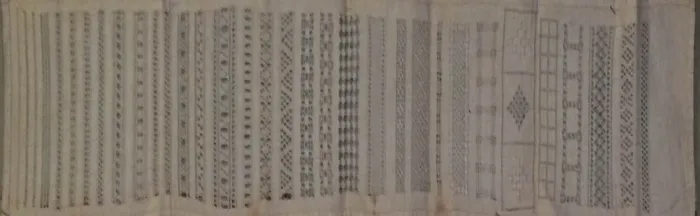
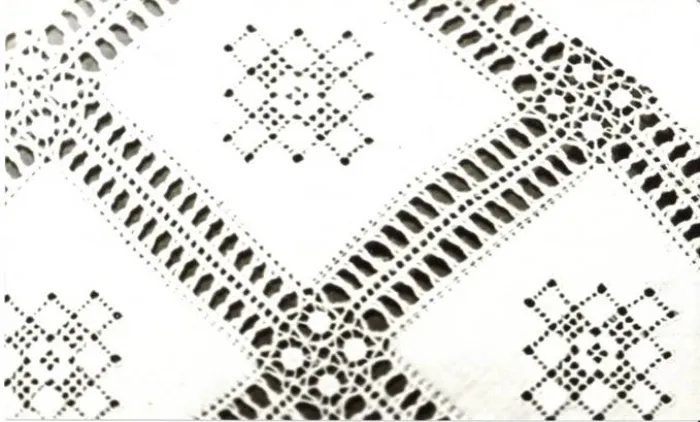
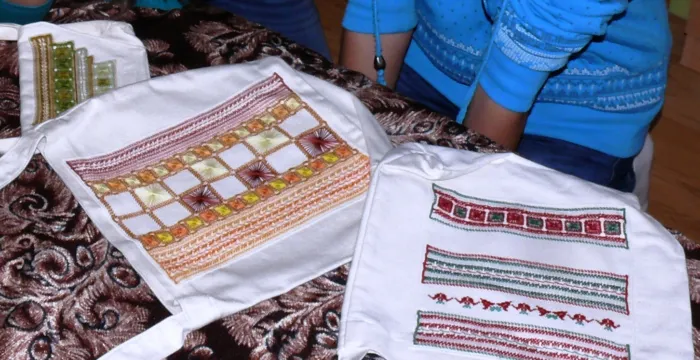
In his publication, Samu Borovszky's County Towns and Cities of Hungary, they write about Hetény: "The most significant branch of the cottage industry of Komárom County is the Subrikálás of Hetény. In the village of Hetény, about 25 years ago, a new and very profitable handicraft industry was established, which is still developing today, and if properly managed and spread, it promises a bright future!" In the 1870s, handicrafts were a flourishing cottage industry in Hetény, as evidenced by the 7 cm diameter bronze commemorative plaque donated to the Hetényi by the judging committee of the Millennium Exhibition, made by Ödön Fülöp Beck. What makes the azsúr special is that the pattern does not have to be printed on the material, but rather calculated. Initially, it was sewn on white linen with white thread. Later, sewing on pink, light brown and yellow panamas also came into fashion. Its decorative nature lies in the fact that by pulling out the unidirectional threads, the transverse threads are “bundled” in different ways by crocheting. The pattern is formed by the grouping of the threads. The basic rule in azsúrózás is that we work on the back of the material, moving from left to right, always sewing under the same thread at the bottom of the base fabric and never tying a knot on the thread: at the beginning, we introduce the end of the thread from right to left into the edge of the azsúr. In the 1895 issue of Komáromi Lapok, they praise Mrs. Margit Szelle, the postmistress of Hetény, who collects and presents the home-made products of the poor women of Hetény at the Millennium Exhibition. The Millennium Exhibition was considered the dress rehearsal for the Paris World Exhibition held in 1900, which brought great success and fame not only to Margit Szelle, but also to Hetény. Margit Szelle was awarded a certificate of appreciation for her lace embroidery. The contemporary press also covered the Hetény sewing a lot. In their October 1906 issues, they wrote about the preparations for a Christmas fair, and later that the needlework at the exhibition caused a great stir, which was presented by “…two skillful, eye-catching Hetény brides and their beautiful attire caused a stir, so much so that they came home with orders”; The article goes on to say that Hetény has such a large market that it can barely keep up with the ever-increasing orders. By then, thanks to the courses, not only the azúros, but also the toledó works were being made in the neighboring villages. Linen and panama were gradually replaced by the nobler materials, for which the toledó was made. ; The high demand for needlework in the 1950s caused a deterioration in quality. Due to the establishment of agricultural cooperatives, there was less and less time to accurately develop each piece of work, and this could be seen in the usability and durability of the needlework. However, quality work was still produced then. ; Ernő Zajos and the women who were still sewing revived the sewing in Hetény in 1982. They introduced the young people of that time not only to the technique of sewing on a drum, but also revived the old traditions. In 2012, thanks to the support received from the Office of the President of the Slovak Republic, a sewing club was started in Hetény, the aim of which is to introduce the art of azsúrózás (a type of embroidery) to young people. The sewing education was undertaken by Katalin Geleta, who is now a recognized expert in this needlework technique. A sewing club is also operating in the local elementary school, led by teacher Ildikó Keszegh.