
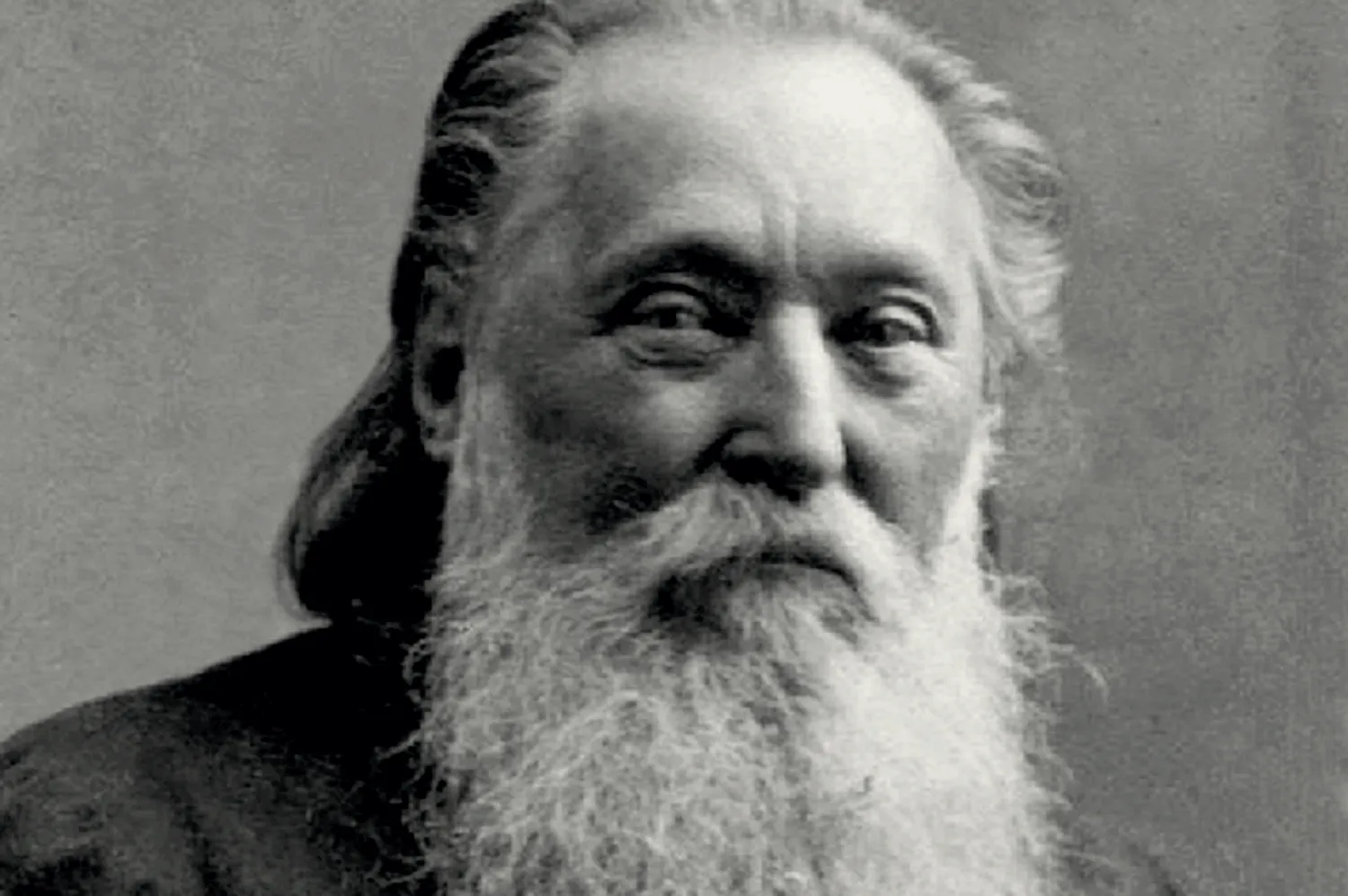
Otto Herman
Other - other
* Breznóbánya, June 26, 1835 – † Budapest, December 27, 1914 / naturalist, ethnographer, archaeologist, ornithologist, politician ; ; His parents were native German speakers, his father was a doctor in Breznóbánya. The family moved to Alsóhámor near Miskolc in 1847, where the 12-year-old Ottó learned Hungarian. In 1848, at the age of 13, he enlisted in the Hungarian army, but was sent home because of his young age. In 1853–1856, he studied machine mechanics in Vienna, but he was more interested in natural sciences. In 1857, he was drafted into the army, from which he managed to be discharged 6 years later. He worked as a photographer in Kőszeg, while traveling the country on behalf of Sámuel Brassai, he collected data on the spiders and birds of Hungary, and became acquainted with folk crafts: the work of fishermen and shepherds. In 1877, he launched and edited the journal Terzemétszetrajzi Füzetek for ten years. The domestic scientific public considered his work so important that the Hungarian Natural History Society awarded him a scholarship for several years, as long as he did not accept an Austrian invitation to participate in an international African expedition. He was a self-taught person who gradually "delves" into many scientific fields, starting with entomology, ichthyology and ornithology, through ethnography and all the way to archaeology. ; He was an excellent organizer. He was one of the initiators of the establishment of the Hungarian Animal Protection Association. In 1893, he founded and headed the Hungarian Ornithological Center until his death. At the same time, he also started the ornithological journal Aquila. He also took on a public role, and was a member of parliament for years. Ottó Herman organized several natural history exhibitions, the most memorable of which was the 1896 Millennium Exhibition. He was a very prolific author, writing nearly 30 volumes. One of his most popular books is his work On the Use and Harm of Birds, which went through several editions. [The illustrations were made by Titusz Csörgey (Nezsider, August 12, 1875 – Tapolca, December 16, 1961), a painter and ornithologist who spent his childhood in Dunaszerdahely and began his schooling there, and completed his high school partly in Bratislava and partly in Sopron. He was approached by Ottó Herman at the suggestion of his teacher in Sopron, István Fászl, who was also an excellent ornithologist, and the great scientist entrusted him with various tasks, including the arrangement of the manuscripts left behind by János Petényi Salamon (®Ábelfalva). Titusz Csörgey is considered the founder of practical bird protection in Hungary.] ; ; His main works: ; The spider fauna of Hungary I-III., 1876-1879, ; The book of Hungarian fishing I-II., 1887, ; Petényi János Salamon, 1891, ; About the landscape of the night bird hills, 1893, ; The primitive occupations. Fishing and shepherding, 1898, ; The benefits and harms of birds, 1901, ; The language library of Hungarian shepherds, 1914.