
Tertiary prehistoric animal site
Other - other
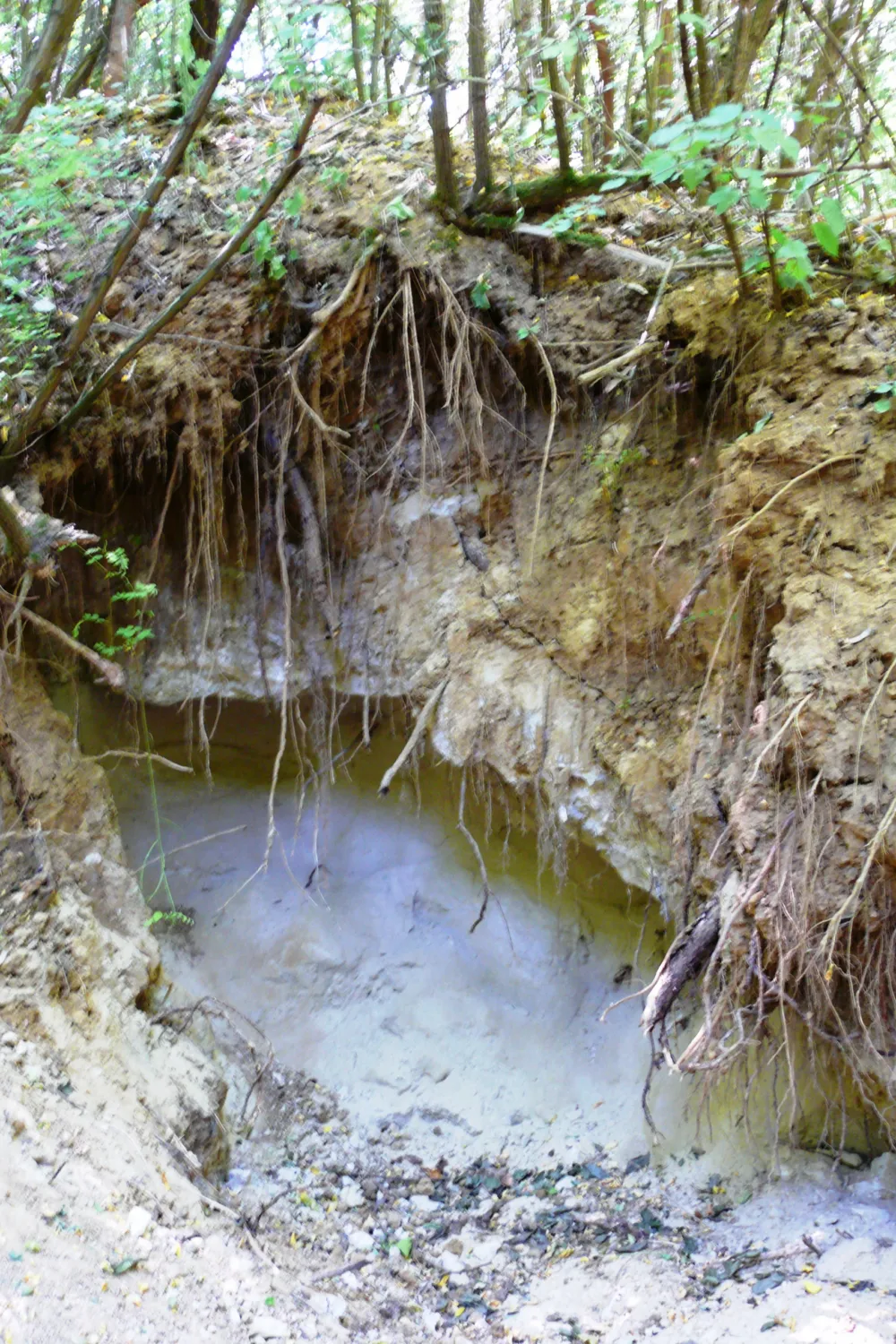
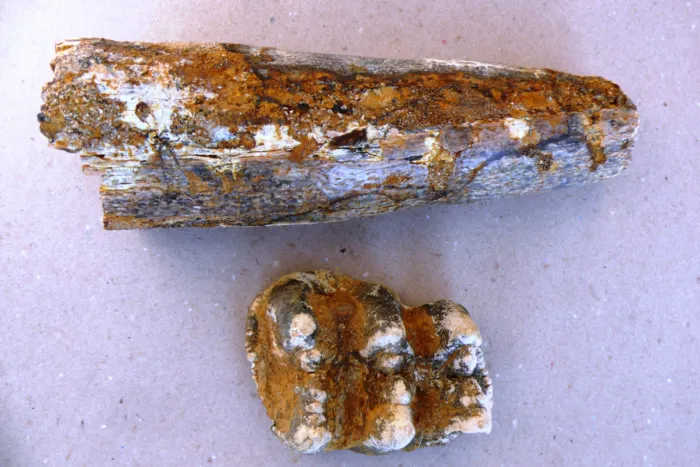
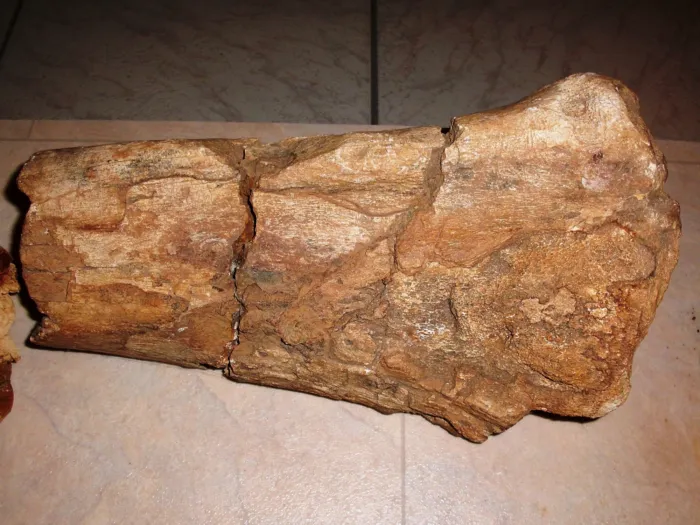
There are several geological layers in the Alsóbodok area, almost all of which were formed from water sediments. In the strip stretching towards Ragyos szőlőhegy, the Pliocene layers of the Tertiary deposited thick layers of sand and sandbanks between clay and marl. The main origin of these so-called Valkóc layers was the Garam River, the edge of whose wide fresh and brackish water delta extended so far and flowed part of its waters into the geological sea south of Nitra in this very region. Of course, many plants and animals lived in this mosaic landscape and their remains are easily found by modern man mining the sand. These finds are often in a secondary position, as water movements and floods could have moved them. Remains of prehistoric mammals (various types of deer, cave bears, wild horses, etc.) have been found, for example, in Nitra, Zsér, Kolon and Pográny. The aforementioned geological unit of Bodok was rich in finds in at least two areas, one was the old sand mine (so-called Föhenyes bog), the other was the Agacsos forest with the Száz árok estate. The most interesting finds were made by the no longer living tusk-bearers. The first known find dates back to 1958, found by local residents Péter Patai and István Ács. These were long tooth and bone remains of the ancient elephant (Anancus arvernensis), which were later transferred to the Geological Institute in Prague. Around 1977, and then in the first half of the eighties, Sándor Fehér Jr. and Lajos Gyepes found several bone finds that could not be identified in more detail, but not only from large but also from smaller mammals (they reported their finds in the nineties). Around 2000, Péter Gálik found some finds, including a tusk fragment and the lower left tooth of another mammoth species, the European mastodon (Mammut borsoni). The last known find was found in 2008, by Marián Paulisz. This was also a tooth of a prehistoric elephant. Several people participated in the identification of the Bodok finds, and later paleontologist Csaba Kiss from Bánya Bisztergom took stock of the majority of the finds. Some of the new knowledge has been published, while others are still waiting to be published. Some of the more beautiful pieces of the finds are displayed at the Zoboralja Museum in Alsóbodok, along with other prehistoric animal finds from Nitra and Bars.