
Traditional fruit trees
Other - other
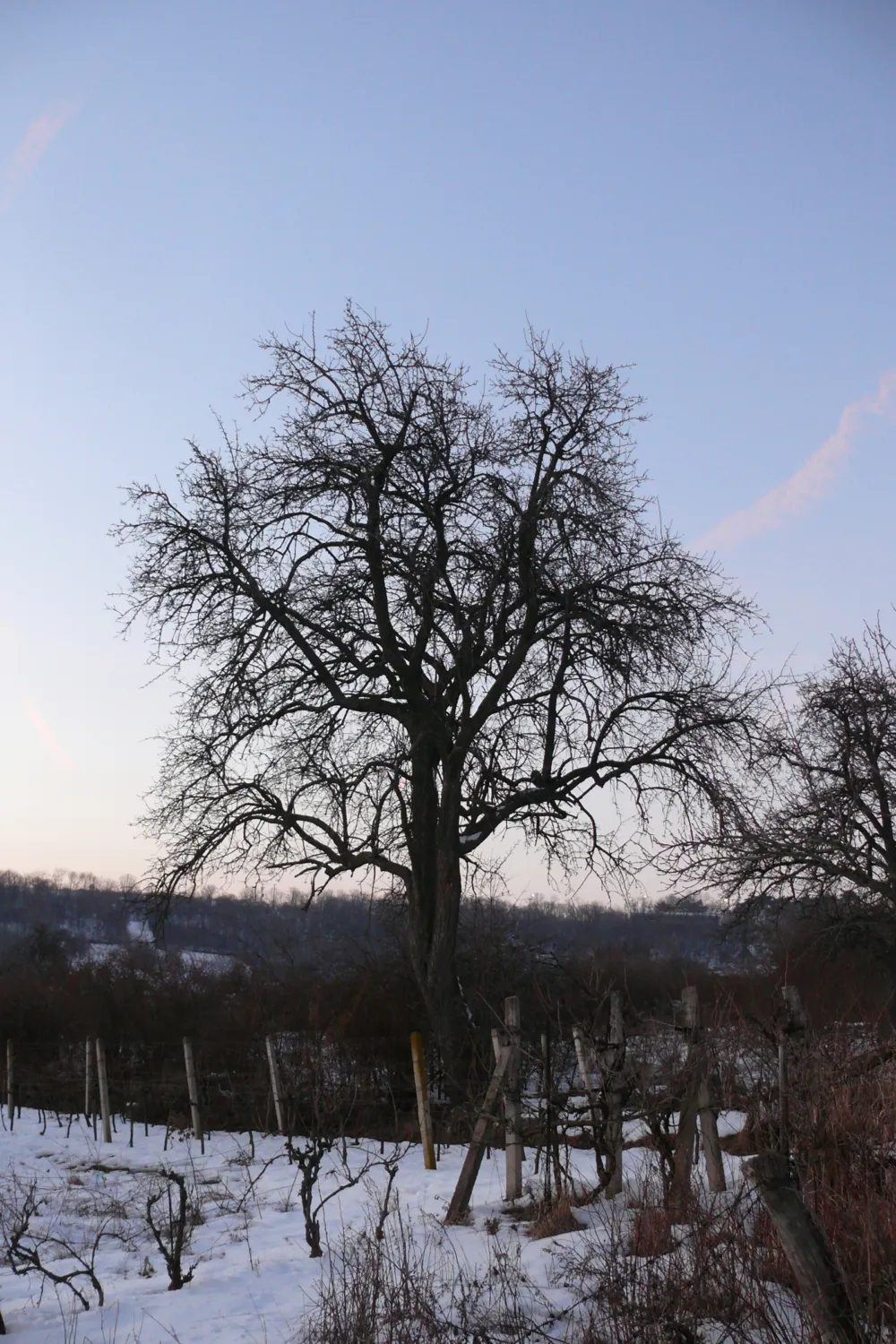
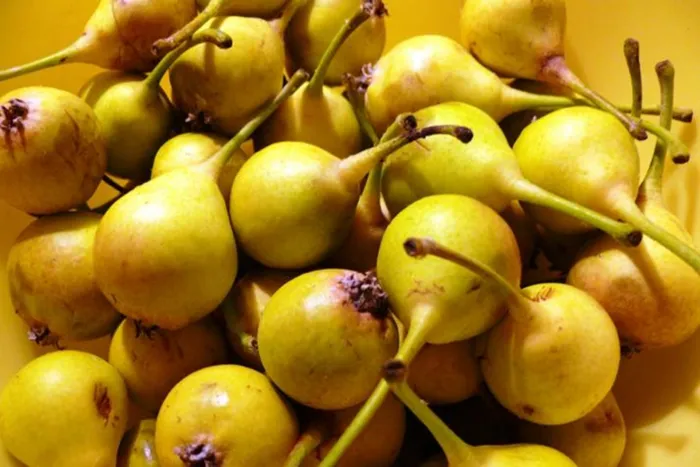
One of the documentable and characteristic features of local production and food habits are the species and varieties of various fruit trees. Fruit trees in the vicinity of Nyitra are already mentioned in the 2nd Zobor Letter of 1113, and five pears and a rowan tree also appeared during the delimitation of the estates. From Pográny, we know of three specific pear varieties as early as 1287: Bakbűzű (Bokbyzu/Bogbwzw), Telelő (teleleu/Telelew) and Gödölye (Gudula/Godola). From this period, one of the oldest known fruit trees in the entire Carpathian Basin is found. In 1626, the Szép körtvély (Czép körtuély) and an unspecified Varjasfa (Warÿasfa) occur. Even today's older people are familiar with such old pear varieties as the Hermánkörte, Búzáraírőkörte, Úrikörte, Vadkörte or Télikörte. In the village, there are still some old pear trees on the vineyard hill and in the village gardens. Among the apples, the Panyikalma, Csergőalma, Bőralma, Borízőalma, Télikörte or Vadalma were known. Plums were dried, but they were also used to make pálinka, the better-known varieties were Besztercei, Duráncai, Aprószemő, Lószemő and Fosósziva. There were also cherry trees (e.g. Fosóka), various peach trees, walnuts (e.g. Papírhajó, Olaszgyivó), etc. Most traditional fruit trees survived on the vineyard hill, often without care, abandoned, and overgrown with undergrowth. A special group are those fruits whose consumption has declined dramatically. Such were the rowan, medlar and blackberry (mulberry). The last specimens of these still exist, and their preservation in a gene bank would be really important. Old vegetable varieties (beans, garlic, poppy seeds, etc.) also deserve attention.