
Old church in Gömörpéterfali
Other - other
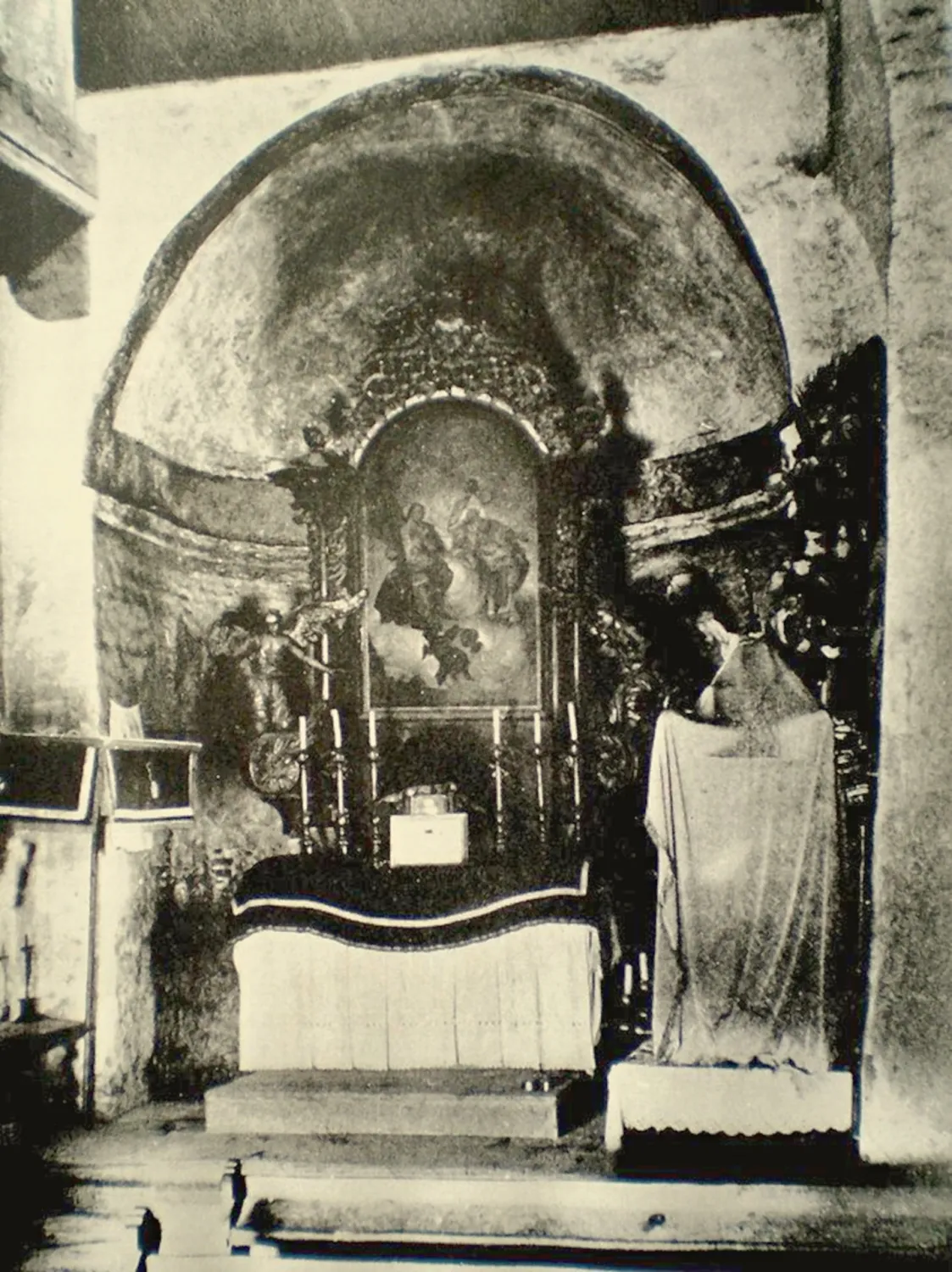
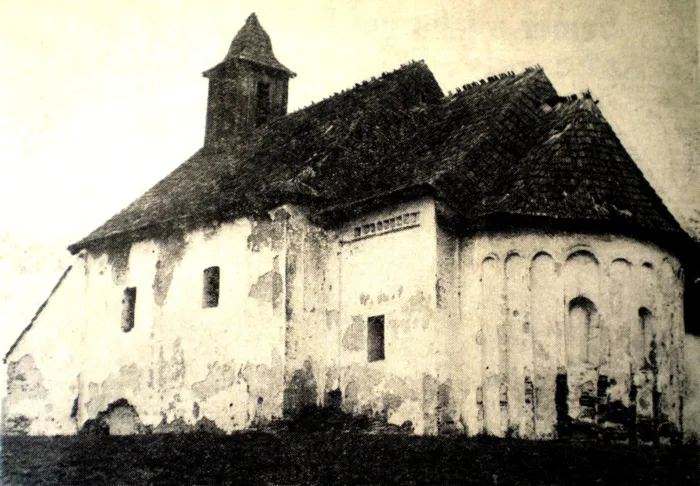
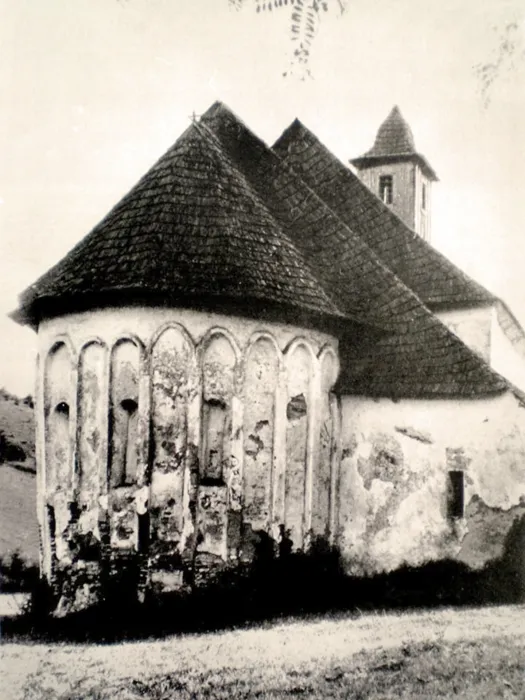
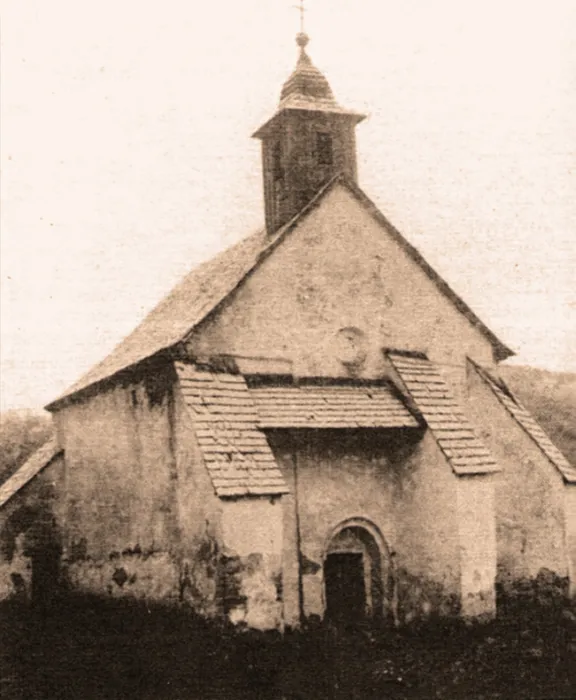
The Roman Catholic church dedicated to the Holy Trinity, the “old church”, was built in the second quarter of the 13th century, and was already mentioned in the papal tithe register in 1332. ; ; The discovered chronicle recalls the construction of the church as follows: ; “According to oral tradition, the construction of this 800-year-old church was complicated. The difficulty arose from the fact that the people of Sáros did not agree to have the church at the end of the Petri village, but inside the cemetery, where it was built. They began to lay the foundation, and what the masons laid during the day was delivered to the cemetery by unknown perpetrators at night. The people of Sáros took advantage of this and spread the rumor that angels had carried the material, because the Lord also wants the church to be at the cemetery!” ; ; In the 13th century In the 16th century, Sáros became a parish, and its inhabitants eventually moved to Péterfala. However, the inhabitants of the new village continued to consider the old church dedicated to the Holy Trinity their own and visited it. From the 16th century, the Turks, the emperors, insurgents and epidemics devastated the countryside, but the godly faithful kept the church despite all the hardships. It was restored, repaired, and even renovated in 1811, and its interior was renovated in 1909. ; Until the 1940s, the Romanesque church dedicated to the Holy Trinity, built in the second quarter of the 13th century, stood behind Péterfala. Unfortunately, after the new church was built (1929-30), both the church and the local faithful refused to take care of the old church. In 1940, the nave was first demolished, and then in 1949, the sanctuary. Later, the faithful built a funeral parlor in the place of the church. ; The church probably belonged to the later completely destroyed settlement of Sáros and was one of the most beautiful and ornately executed representatives of the brick buildings of the Highlands. It is a single-nave structure, with a square-shaped choir, a semicircular sanctuary closing it and a simple entrance on the west side, with a circular window above it and a small wooden tower extending above the roof. Its building material was 5x15x29 cm burnt brick, and the walls were coated with 5 mm thick lime mortar plaster from the beginning, which also covered the decorations of the facade. The nave had a flat, wooden ceiling, while the sanctuary ended in a vaulted, shell-like recess. The building was 16 m long and 9 m wide, similar in layout to the still surviving church of nearby Almágy. ; The sanctuary of the church was especially decorated. The facade of the apse was divided by 12 (according to some sources, 13) blind arcades, in which there were 3 slit windows on the eastern side. Similar decorative elements can be seen in the Süvete rotunda that has survived to this day. The choir and nave walls were divided by prominent pilasters (wall columns), as well as a dentil decoration in the upper part of the choir. The simply designed entrance was on the western side of the church. ; In the following centuries, only minor alterations were made, in the late Gothic period (16th century) the sacristy on the northern side was added and a door opening into the sacristy was also opened at that time. The last alteration took place in 1885, when the western wall had to be reinforced with supporting pillars due to the deteriorated statics of the church. ; In the 1920s, the condition of the church had deteriorated significantly, the roof was soaked in several places and cracks appeared in the walls. Furthermore, its capacity could no longer meet the needs of the local parish. For these reasons, the faithful decided to build a new church and no longer wanted to take care of the old Romanesque church. ; As a compromise solution, the Slovak State Monument Protection Office proposed at least preserving the sanctuary, which could have remained as a chapel, while the walls of the nave would have served as a free foyer after the roof was demolished, but the Bishop's Office of Rožňava refused to take any further action on the church. ; In 1940, the nave was demolished and the building materials obtained were used to build the farm buildings of the Parish Office (which buildings have since also been demolished). In 1949, the sanctuary was also demolished and its materials were used to build the bus garage. ; The remains of the walls were still visible in the 1970s, later the faithful built a funeral parlor on the site of the church, and the only reminder of the old Romanesque church is a plaque placed on the funeral parlor wall on August 20, 2000, which reads: "On this site stood the Roman Catholic parish church dedicated to the Holy Trinity, which served the people of Sáros and then Péterfala from the 13th century until 1930. In commemoration of Christianity in the year 2000, the 1000th anniversary of the coronation of Saint Stephen." ; The site of the old church and the area around it are cultural monuments, as a destroyed Romanesque church, with a cemetery, and an archaeological site. It was declared a monument in 1963. ; ; Flight of Béla IV ; The chroniclers wrote how Batu Khan's Tatars defeated the army of Béla IV at the Muhi steppe, and how the Hungarian king escaped great danger. Béla IV was rescued by his loyal men, but considering the pursuers, they did not accompany him on the shortest route to Buda, but headed towards the northern forests. ; The king and his loyal men slowly advanced over the difficult terrain. In an unknown landscape, on the cool April nights, only the moonlight illuminated those fleeing from the losing battle. ; The older people of Péterfalu still remember the ruins of the "old" church, in which, according to oral tradition, our king, who was chased by the Tatars, also stayed for a short time. It happened that when the tired king and his small army left the mountains of Domaháza, they heard fervent prayers descending from the trees. The Hungarian prayer came from the valley, Béla IV. Béla signaled his men to head that way. Following the sound, they saw a small village in the valley, on the edge of which stood a church. The people of the village gathered there and prayed in times of danger. ; In front of the church, our king dismounted from his horse and entered the church with his most loyal soldiers. Béla IV hurried to the altar, knelt there, prayed for his people, and asked God for help together with the locals.