
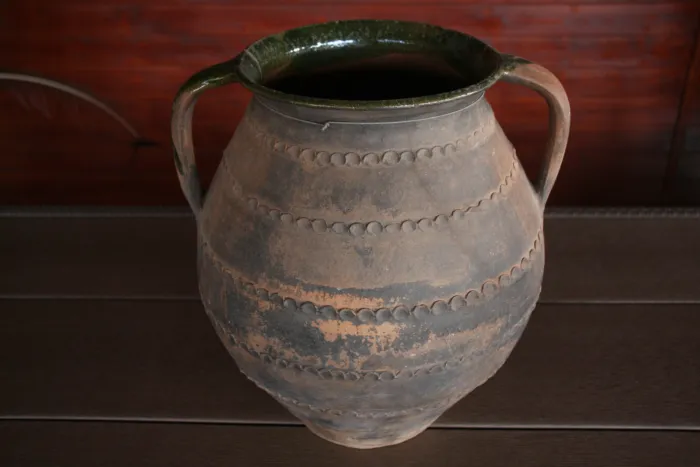
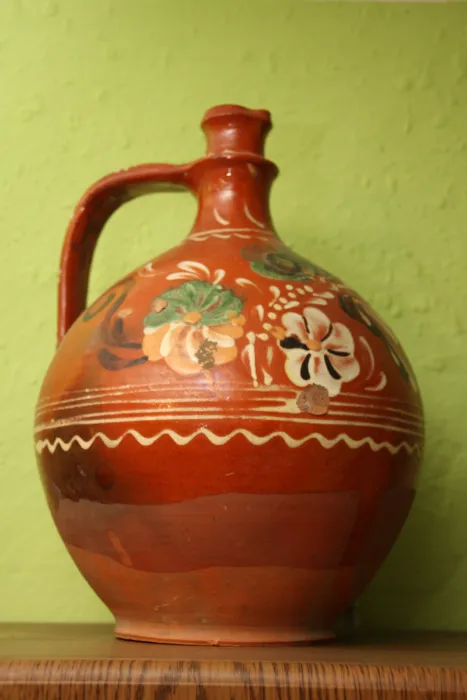
Gömör ceramics, pottery in Gömör
Other - other
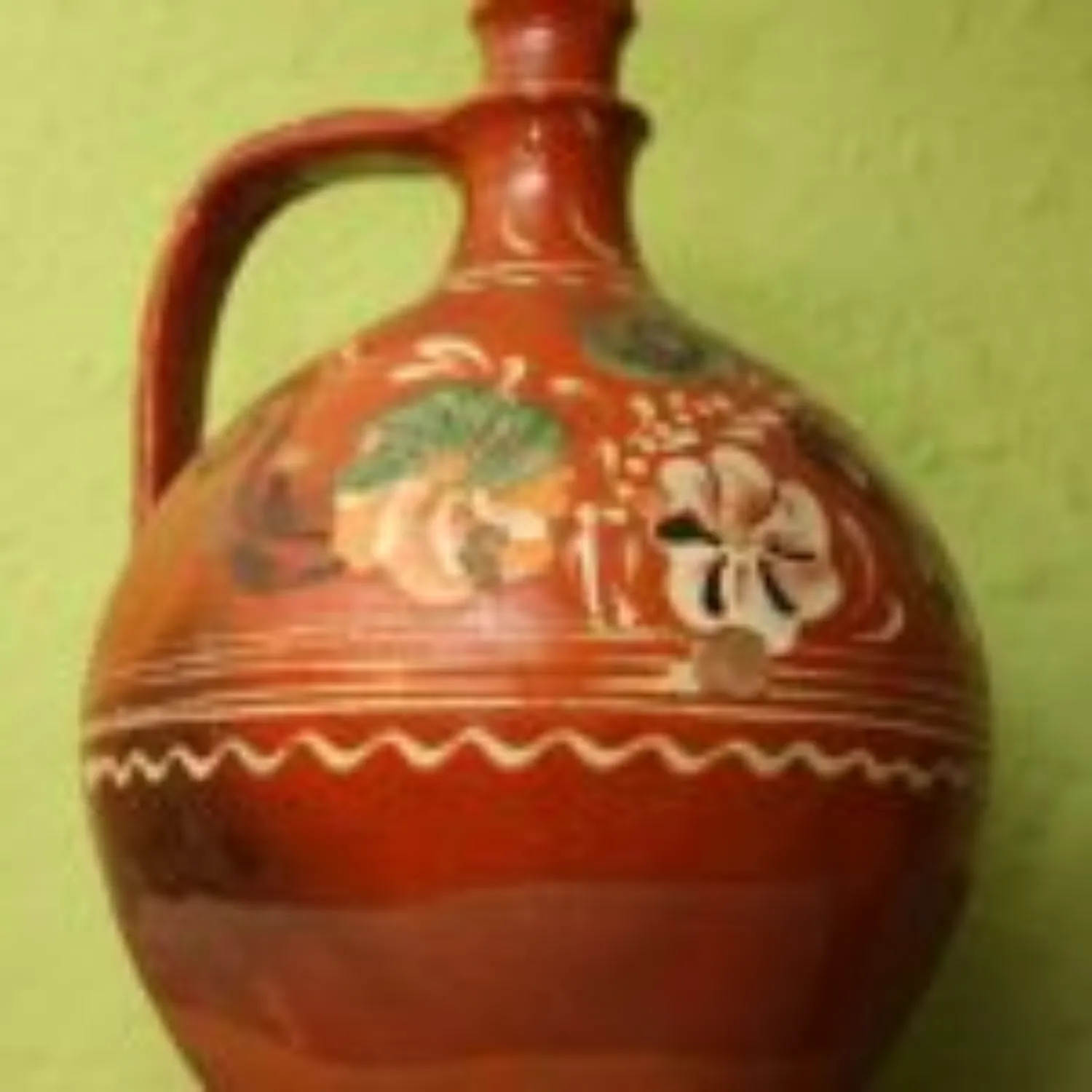
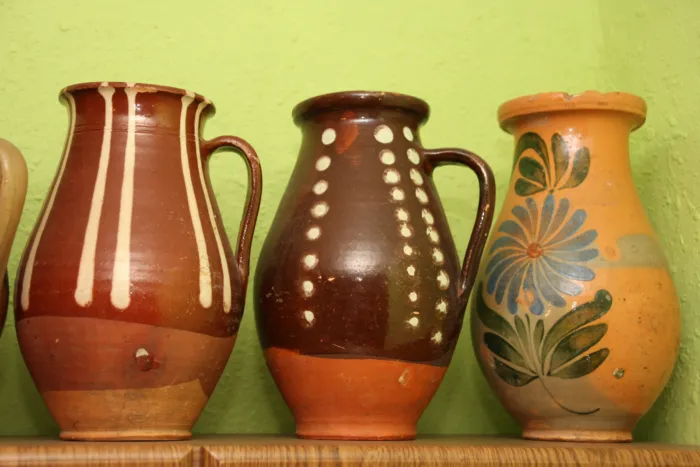
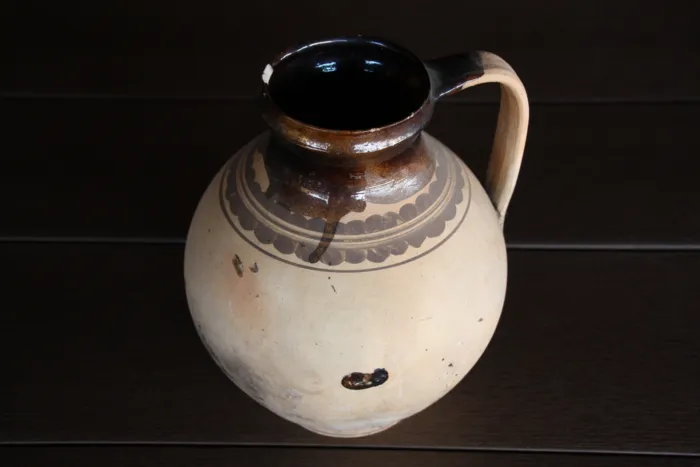
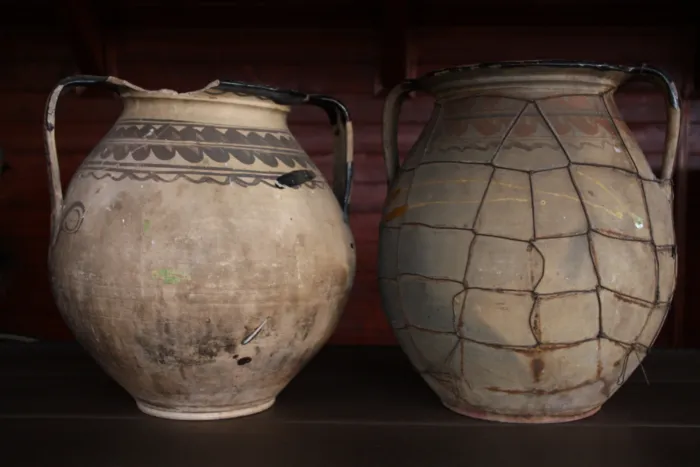
The beginnings of Gömör ceramics date back to the Middle Ages, and are mentioned in all early, significant geographical descriptions. The most important pottery centers in the Uplands is Gömör. The Gömör pottery center includes about 30 villages. These villages have Hungarian, Slovak and mixed populations. Elek Fényes mentions the following in 1837 regarding the Jolsva valley: ; "In the Jólsva valley, in Miglesz, Süvette, Mikocsán, Naszrai, Gicze, Licze, Perlácz, and by the kövi stream in Deresk, Lévárt, almost all potters live, as well as in Zsaluzsán, Pongyelok, Szuha, Cserencs, Törjék, Raho, Szkáros. Moreover, the Kishont pottery, bricks, and tiles are the best and most expensive in the entire county." ; This publication also includes two settlements along the Túróc River: Deresk and Lévárt, where pottery is now a thing of the past, but the art of potters is still alive in the minds of the Gömör people. Emőke P. Szalay and Zoltán Újváry wrote a summary about the pottery of Deresk, primarily Lévárt, under the title Two Pottery Villages in Gömör, but numerous ethnographers and historians have dealt with the history of Gömör ceramics (e.g. István B. Kovács: Clay Bread, Oľga Čomajová: Gömör Pottery, publicistic writings have been published by Károly Kövesdi, Tihamér Lacza, etc.) ; ; There are two large groups of vessels from Gömör: refractory cooking and baking vessels and vessels made of non-refractory clay, mainly used for storage and eating purposes. The most significant group of fireproof vessels is the pot, the pan and the pan, made in alternating colors, coated with brown, yellow and green glaze. Also typical products are the round and then cut in half pan, glazed and unglazed jugs and cans for carrying and storing water. However, the unglazed ones were always glazed on the inside, and on the outside they were decorated with red or brown earthenware and simple linear, geometric decorations. Those water storage vessels are very decorative, the outer surface of which was poured with brown, yellow and green glaze in an alternating rhythm, vertically, in wide bands. ; ; Deresk ; ; Along the upper course of the left branch of the Túróc stream, the last Hungarian-populated village in the valley is Deresk. It is mentioned as a place of residence in the charters as early as 1243. Pottery was also the main occupation in Deresk in ancient times. No one has yet been able to find out how long pottery making has existed in the village. In a document from 1715 we can read: "the people of the village visit distant fairs with their products". ; It is a fact that in the settlement, or in the neighboring Lévárt, pottery making is one of the ancient crafts, which "unfortunately" is no longer carried out in the aforementioned settlements, nor in Licce, nor in Süvete and nearby Melléte. ; ; From the extraction of the clay to the rolling, decorating and selling the pottery, long, persistent work was required. Raw materials were essential for making pottery, which had to be brought to the surface from deep underground. Rolling, or as they said in Dereseki, "miélés" required great precision and attention. A "focskosinas" (potter's apprentice) first made only straight mugs (mugs), then when he could perform the basic techniques and operations flawlessly and with feeling, he could start making "belly mugs" - round ones. The largest market for Gömör ceramics was the Great Plain, but they were also known and used in Abaúj, Sáros, Zemplén, Heves, Szabolcs, Bihar, Szolnok, Ung, Bereg and Pest counties. They were also popular beyond the borders of the country, in Poland and the Czech Republic. ; ; Lévárt ; ; The history of Lévárt is intertwined with the past of Deresk at many points. The same occupation - pottery -, marriage and other family ties closely linked the population of the villages located a few kilometers apart, both economically and socially. Regarding pottery, Elek Fényes also mentioned in 1837 that - just like in Deresk - almost all the inhabitants of Lévárt were potters. ; ; According to the stories, at the beginning of the last century, about 60 potters were engaged in making earthenware and roof tiles in Deresk. In the 1920s, this industry began to decline, because the market in the Great Plain was lost, and many people migrated overseas in the hope of a better living. The pucks were removed from the kitchen in many places, and in many places they never returned. After 1938, when puck-making began to revive again in Deresk, many people resumed the abandoned craft. However, the restart did not last long, because the global conflagration sweeping through all countries, then the redrawing of borders, and the years of statelessness that followed, ordered a halt. Thus, the mines and kilns made of adobe collapsed, and then the descendants even cleared the ruins from the ends of the gardens.