
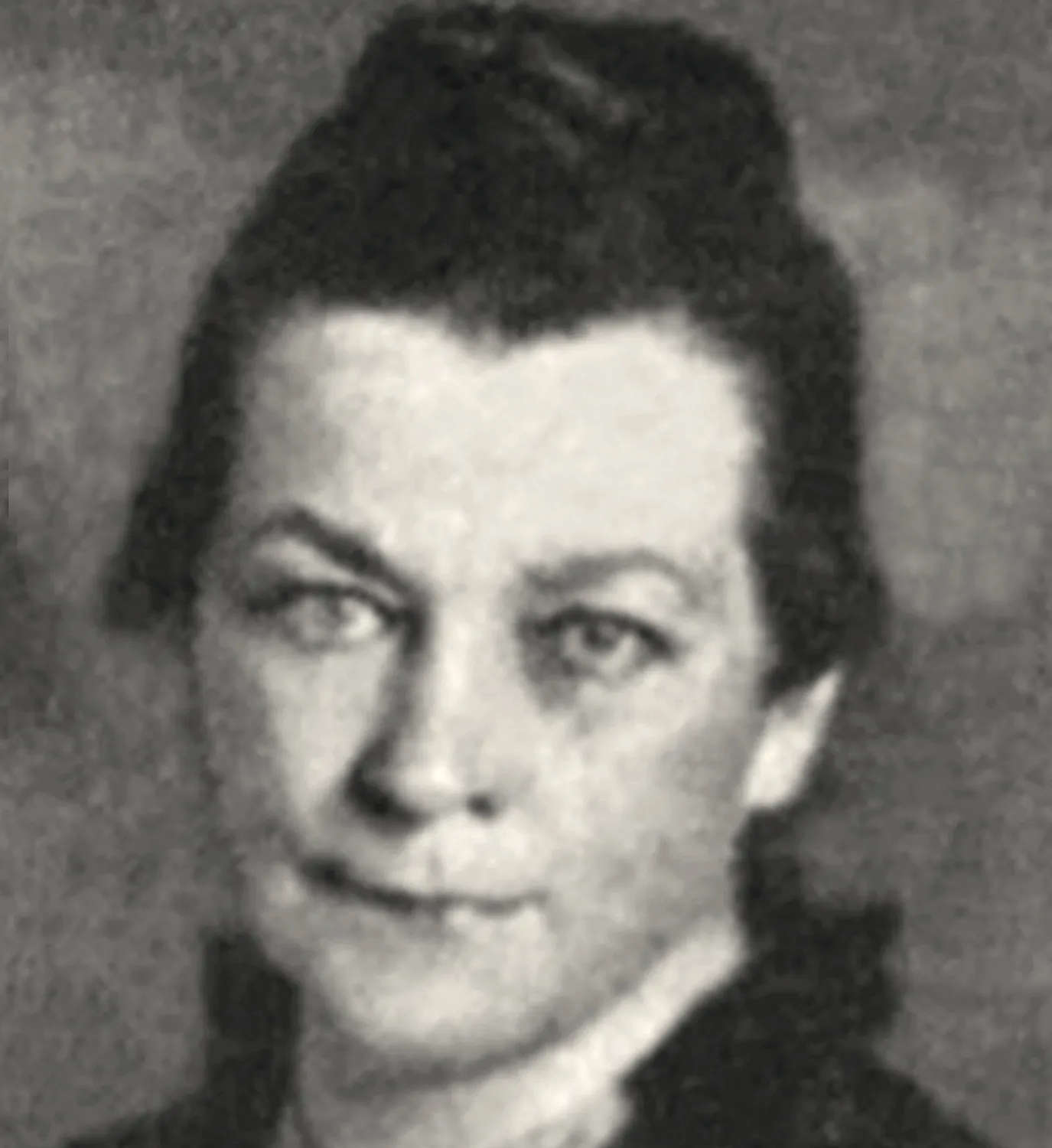
Sarolta Geőcze
Other - other
* Bacskó, December 27, 1862 – † Budapest, September 24, 1928 / sociologist, pedagogical writer ; ; After completing teacher training, he became a teacher at the state bourgeois girls' school in Brasov from 1886, and was its director between 1888 and 1892. In 1892, he was entrusted with the organization and management of the state bourgeois girls' school in Komárom. He taught in Budapest from 1898, and from 1907 he was the director of the 2nd district teacher training school. He held this position until 1916. He held ideological views close to Christian socialism, and he also tried to enforce this in the field of cultural policy. She regularly published studies on pedagogical, women's movement and sociology in contemporary journals (primarily in the leading periodical of the era, Magyar Pedagógia), but also wrote regularly for the satirical journal Borsszem Jankó. She translated the English aesthete and painter John Ruskin's (1819–1900) work The Stones of Venice I–III. (1896–1898). ; ; Main works: ; Arithmetical Knowledge in the Service of Women's Education, 1893, ; Studies from the Life of Hungarian Society, 1896, ; The Education of the Will, 1901, ; The Working Italy, 1902, ; Ruskin's Life and Teaching, 1903, ; The Indebted Country, 1907, ; The World War and the New Life, 1918, ; The Thousand-Year Country, 1920; Sociology, with Special Reference to the Ethics of Social Life, 1921; Sociology on an Ethical Basis, 1922.