
A bell-shaped, "bubbly" zither from the central part of the Felvidék region
Other - other
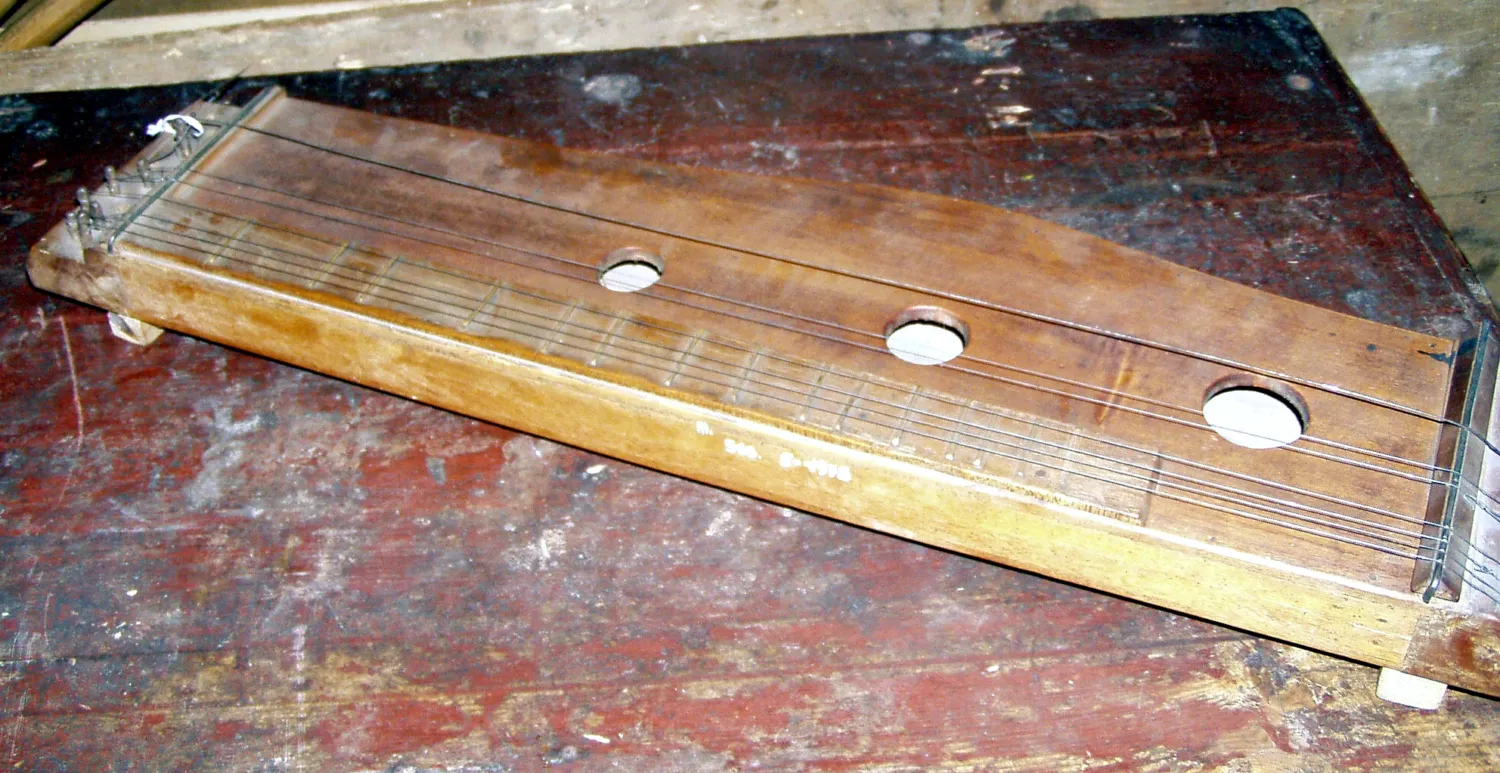
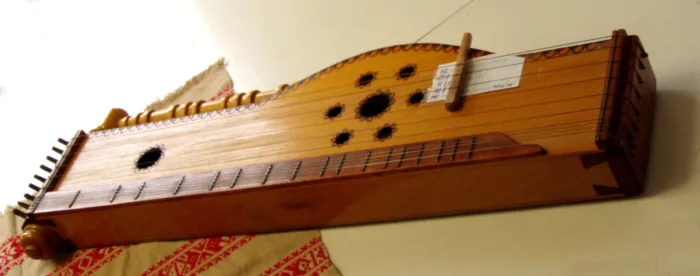
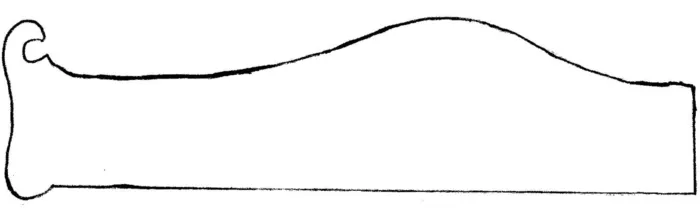
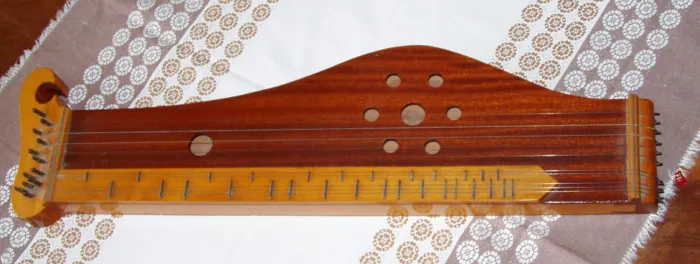
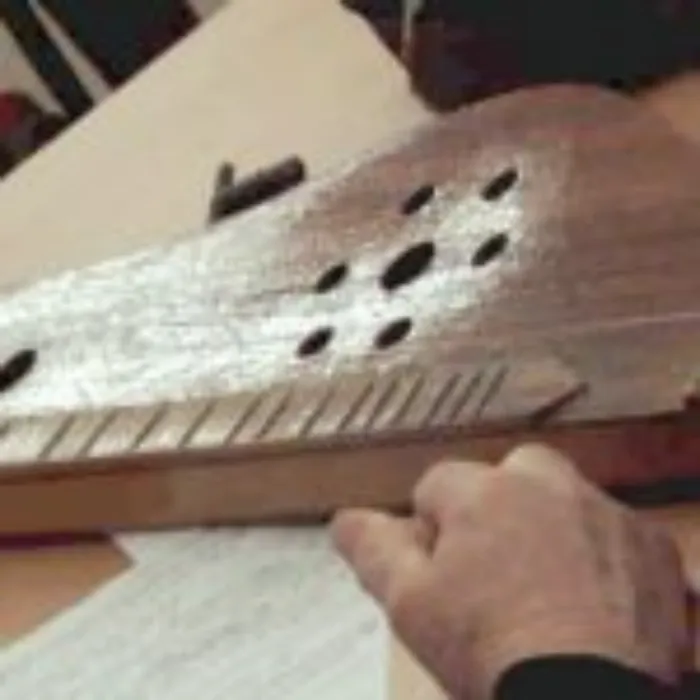
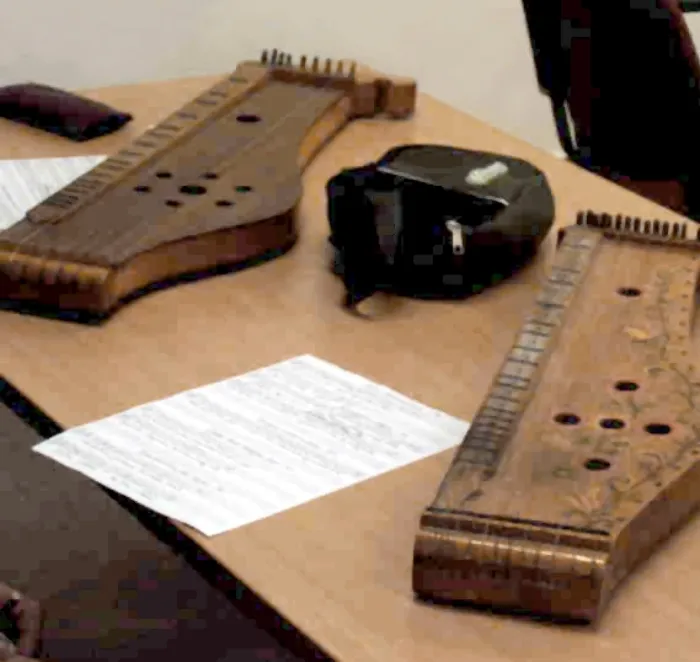
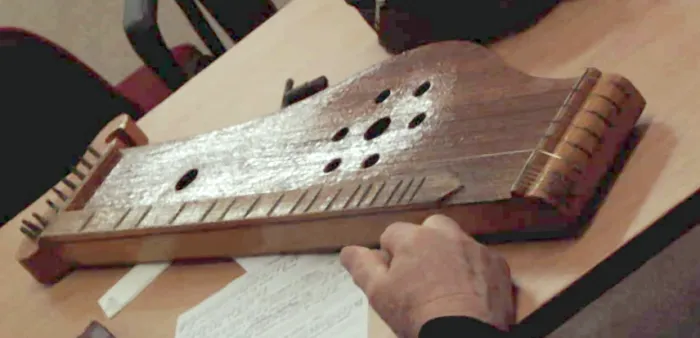
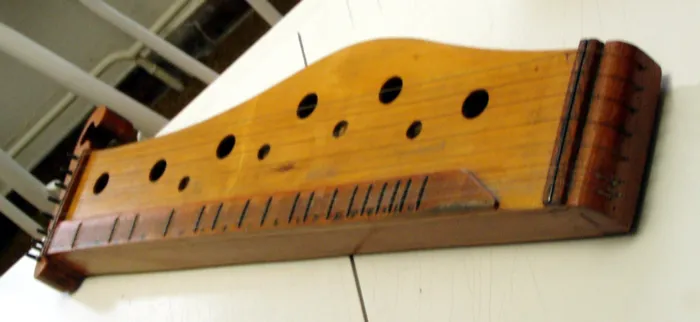
In the field of folk art, we know of countless examples when, following an idea or invention (shape, decoration, color combination), the resulting artwork, creation, became the emblem or ideological symbol of the settlement or the entire region. Such examples include the pottery of Nádudvar, Korond, or Mórágy, the embroidery of Kalocsa, Matyó, or Kalotaszeg, etc. ; In the field of folk instruments, especially table zithers, knowing the general prevalence of these instruments and the diverse mix of forms, it is not as simple and clear to define local and regional types as in embroidery, weaving, folk costume research, or pottery. ; More than ten years ago, I started a long-term exploratory research program to survey and define the forms and territories of zithers. I described more than half a thousand instruments on data sheets and documented them with photos. As a result of this research work, the middle-Bácska rimmed zithers and the highland wide-plate box zithers were elevated to the status of regional value. ; By further processing the collected data, I determined two new local and regional zither types. Both from the northern areas, i.e. the Highlands. ; One is the mid-century belly-shaped “búbos” zither from Jóka and Illésháza. The other is the “half-belly” zither typically documented from the central region of the northern dialect, the Paloc region. ; ; The búbos zithers were most likely created from the formal mixture and refinement of the alpine Stajer zither, the belly board-like shape, and the older hazáb zither. ; In the case of Austrian-Bavarian zithers, the bulge of the outer rim, the “belly”, always curves back to the end point, the “foot”, of the instrument body. (In the case of half-barrel zithers, the outer and inner rims are parallel.) ; In the case of mid-bell zithers, the belly bulges out at a height of one-third of the soundbox and curves back to the width of the head, even before the end point of the resonator, at about 1/6 – 1/8 of the length of the scale. In most instruments, this is the height of the end point of the fingerboard on the inner rim. Thus, a parallel section is created from the belly to the foot, the “waist” of the instrument. ; ;  ; ; Through this combination of proportions, the instrument body elongates, taking on a slimmer shape than the squat belly zithers and more graceful than the geometric, angular cuboid zithers. ; So far, we have registered dozens of instruments of this shape. Most of them have been proven to have been made in the workshops of József Rajcsányi and László Mikécz in Jóká and Illésháza. We found a bell-shaped zither in the instrument collection of the Dunamenti Museum in Komárom, with an unknown collection point. It is very likely that this instrument can also be derived from the Jóka region, the border between the Csallóköz and Mátyusföld regions. ; ; Detailed description of the documented instruments: Ferenc Borsi: The Hungarian Table Cither (pages 79-86)
; ; Through this combination of proportions, the instrument body elongates, taking on a slimmer shape than the squat belly zithers and more graceful than the geometric, angular cuboid zithers. ; So far, we have registered dozens of instruments of this shape. Most of them have been proven to have been made in the workshops of József Rajcsányi and László Mikécz in Jóká and Illésháza. We found a bell-shaped zither in the instrument collection of the Dunamenti Museum in Komárom, with an unknown collection point. It is very likely that this instrument can also be derived from the Jóka region, the border between the Csallóköz and Mátyusföld regions. ; ; Detailed description of the documented instruments: Ferenc Borsi: The Hungarian Table Cither (pages 79-86)