
Ferenc Dunai: The Pants, comedy
Other - other
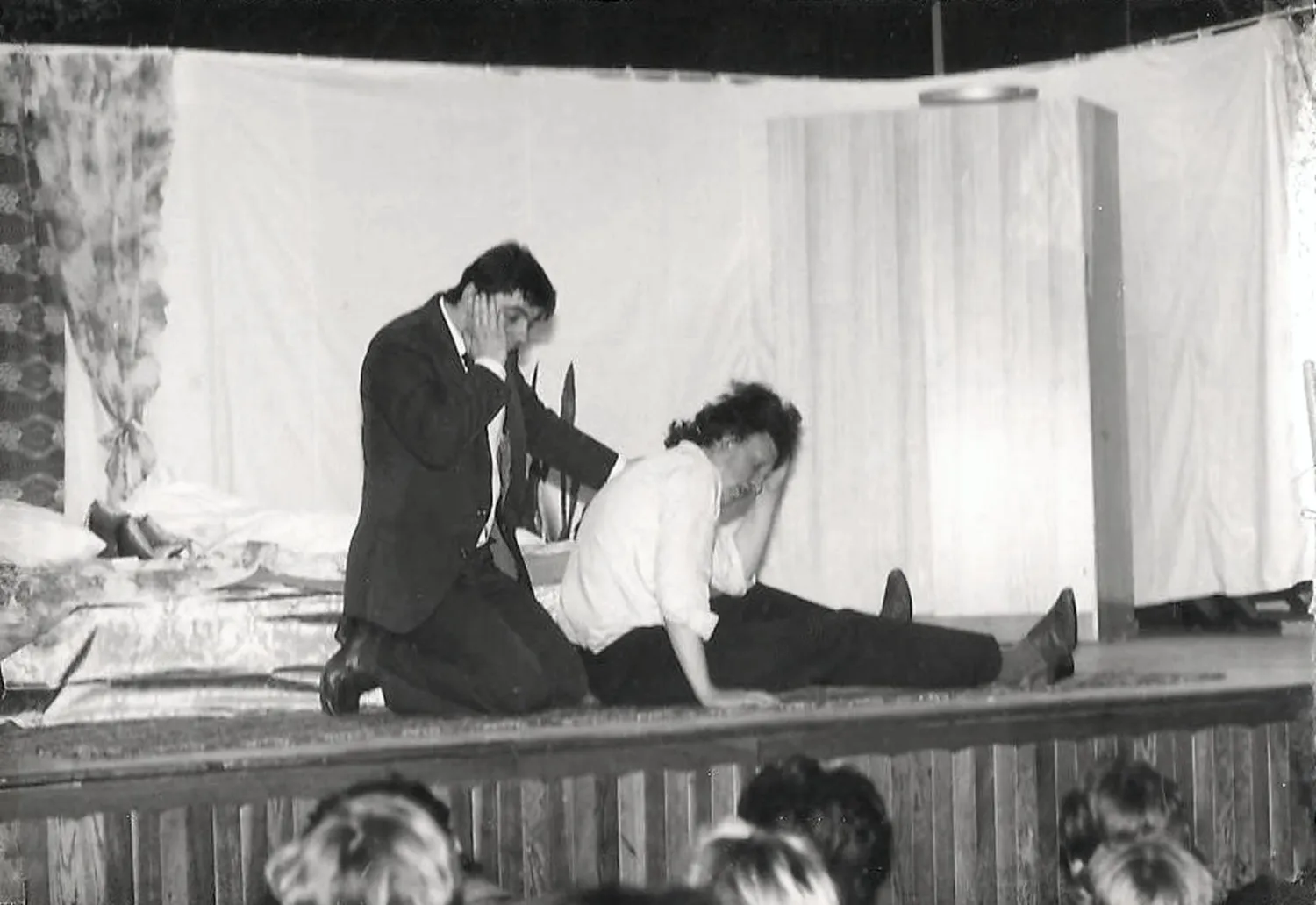
The play was written by Ferenc Dunai in 1962. György Acél asked the creator to change the ending, but the writer refused. The comedy did not even survive fifty performances, even though it was very successful with the audience… The writer’s second play did not receive the green light from the authorities at the time. Ferenc Dunai thought he would try his luck in America and defected. ; ; Let’s go back in time. The setting is an apartment in a housing estate, where Comrade Tamás Radó, the director, is preparing for a celebratory speech, in the hope that the minister will award him. His speech is about socialist morality. But the director is not at home, but at his lover, Berta’s – who is not a comrade – the apartment was allocated to the woman at the director’s request. But Berta wants more from the married director – and it is not really love that drives her – so she takes action. But the man is a characterless, petty, compromising, commanding figure, whose self-esteem is only good for ending up in the bed of his pretty female subordinates. Their relationship is based on interests. Berta is a smart woman who knows exactly what she wants. At the beginning of the play, it is morning and the city is preparing for a holiday, Radó asks Berta to remove a stain from his pants, but she soaks the pants in water to make the man stay. Radó tries to dry them over the gas, but it burns him, so he has nothing to go home to change into for the celebration. ; Laci, the fired technical draftsman (also not a comrade), appears in the apartment and confesses his love for our Berta, the boss knocks her down from behind and takes her pants, while it also turns out that Radó fired her because he is in love with Berta. The director takes the unconscious man's trousers, but he cannot leave because Mrs. Soltész, the all-knowing person in the house and the area, is cleaning green peas in the hallway. But the wife (who is a comrade) also appears, because she has found out where her husband is and wants to catch him red-handed - the woman was Berta's classmate by the way. And it's not over yet, because the Secretary of the Social Security Office Koltai (the pseudo-comrade) appears, who at first supports Laci, but his boss confronts him with his fifty-sixth past, so he sides with the director. During the second appearance of the wife, she brings her husband's suit and shirt, in other words, she forgives him because she knows what she has to lose. At the end of the play, Laci leaves resignedly, and the director, his wife and the Secretary of the Social Security Office leave in full agreement, but the director turns back to Berta and apparently they are reconciled, or rather, their relationship remains. The one who came out of it badly is Laci, who also knows that no matter what he does, those in power will close in, he has no chance. After the group has left complacently, amidst the movement's slogans and shouts filtering in through the open window, Berta looks out the window, turns around and laughs, just laughs...