
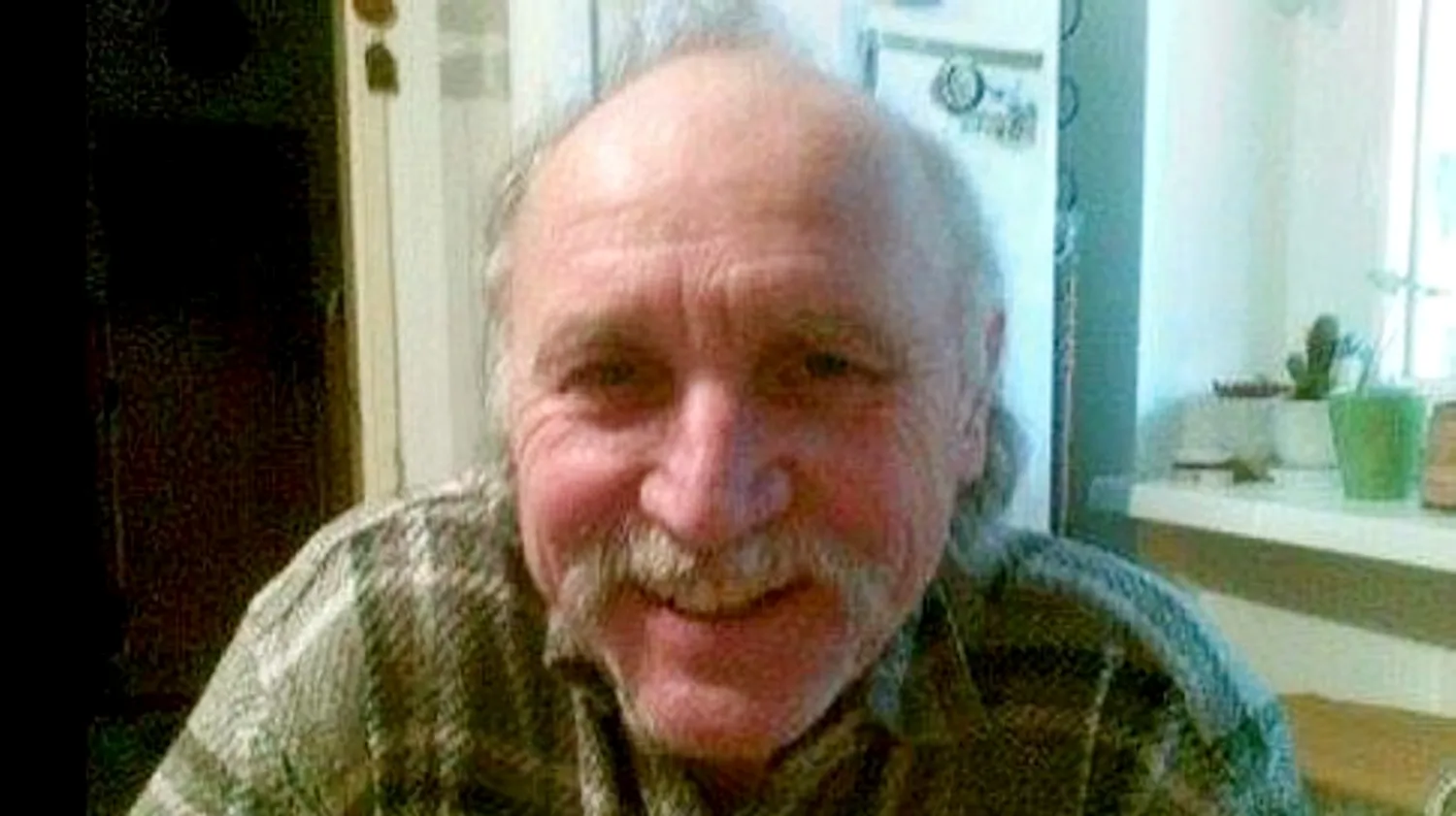
Laszlo Czingel
Other - other
* 1944, Pozsoypüspöki † 2014. February 17, / folk dance choreographer, professional dance movement organizer, former leader of several dance groups, folk dance collector, editor of dance publications, screenwriter of ethnographic films and folk art festivals, director of festival programs, school leader organizer of nationwide choreographer training courses, publisher of professional articles and I could list the areas of his activity further. ; ; His acquaintance with folk dance began as a primary school child in Pozsonypüspöki in the Hungarian school that reopened in 1950. The teacher Olga Bottlik put the skillfully moving child, born in 1944, on stage. His role model was his older brother Gyula, who studied at the Hungarian (formerly Benedictine) Gymnasium in Komárom and danced in the first Hungarian gymnasium dance group in Slovakia. He admired him so much that “I was even willing to polish his boots for his home dance lessons,” he confessed during a conversation. When he was a young boy, he was attracted to the local Csemadok organization, the Felsőcsallóközi Folk Ensemble led by Rudi Striežnec Horváth, which had already gained a national reputation in the second half of the fifties. It performed so successfully in a national competition in Ostrava in 1954 that academician Zdenek Nejdly, the then Minister of Culture of Czechoslovakia, who saw the Hungarian dances they performed and talked to the group, thanked them in a letter for their performance. At that time, this was considered a very great honor for a Hungarian ensemble from the Highlands. Then, forced by external circumstances, the ensemble moved to Dunaszerdahely, passing through Somorja. Czingel remained loyal to his village and, when conditions turned for the better, founded the Kis Duna Dance Ensemble. ; His first major choreography, János vitéz, was born here, expressed in dance. The ensemble lived in Püspöki for five years, then moved to neighboring Fel. He spent another ten years there. Czingel's choreographic talent developed and blossomed here. His work partners were the good-sounding singer Pál Fürst, the musician Sándor Papp and the dance assistant István Valacsay, later a choreographer. He also chose a wife from among the daughters of the Fel dancer, Magdolna Nyáry (Ibi). The diligent work was followed by results: with the Kis Duna Dance Ensemble, they became regular participants in the national Hungarian and Slovak festivals, Zselíz, Gombaszög, Myjava, Východná. ; Then came another migration. From 1977, in his beloved town of Somorja, where he graduated from the Hungarian high school in 1962, he and István Valacsay joined forces to become the leaders of the newly formed Csalló Folk Art Ensemble. As a result of their work, the ensemble soon became one of the leading ensembles in the country. They set such a strong tempo that in 1982 they won the shared Grand Prix of the National Folk Art Festival, and Laci was awarded the 2nd prize in the choreographers' competition there. The group gained additional excellent partners in the leadership: a musical creative partner, Tibor Ág, joined Sándor Papp, and under the leadership of Mária Ürge and Éva Bors, the group's replacement team, the Csali children's dance group, was formed, which later, because there were a lot of children who wanted to dance, was divided, and with the involvement of additional leaders: the Valacsay couple Franciska, István, Zsuzsa Miklós, Erika Bartal, two large children's groups, the Kis Csali and the Nagy Csali, were created. They still exist today, - last fall they celebrated their 35th anniversary, there were about one hundred and twenty young and young dancers on stage. Even the mayor Gábor Bárdos was among them, he was so proud of them. It could also be because the multitude of children accumulates glory, glory after glory, the "Csali" group, which was formed into one group, won the national first prize in Eperjes (Prešov) in 1983. ; ; In addition to his work at the Institute of Folk Culture, László was the artistic director of this amateur “dance factory”. For seventeen years, the high-quality and successful work continued under the auspices of the two maintainers who wanted to provide everything worthy of their strength: the Somorja City Cultural Center and the Csemadok City Organization. The results also came in the form of national awards, friendly groups, and social recognition. In 1984, the group achieved a national “B” category classification. Together with Valacsay, they created all-night programs, five of which were born: Connections, The Song of Life, The Turns of Human Life, Dances of the Peoples of the Carpathian Basin, Seven-Colored Wild Rose. He also created choreographies as a guest for other groups, about fifty of them. Several of his choreographies won awards in national competitions. He wrote scripts on ethnographic subjects for Slovak television. He organized festival programs: In 1982, at the district Slovak folk art festival in Myjaván, he organized a two-hour program presenting the Hungarian ethnographic traditions, dances, and songs of southern Slovakia. As an employee of the Nationalities Department of the Slovak Institute of Folk Culture (1973-83), he organized 2-3-year distance professional courses for Hungarian choreographers from the Highlands, wrote articles for Hungarian and Slovak newspapers, edited methodological and dance publication booklets, collected folk dances for his own choreographies, but also often participated in ethnographic collections organized by the Csemads: he was there in Tardoskedd and Kéménd in 1966, in Vásárút and Vámosfalu in 1968, in Ipolykér, Ipolynyék and Varbó in 1990, and was the manager of the collection exploring the village tradition of Jóka (1977). “In 1979, we began to process and stage the customs of our narrow homeland, the Csallóköz, with special attention.” He also undertook significant work in the filming of the half-hour ethnographic film made for Slovak television from the Malmos Tradition-Preserving Dance Ensemble, which was established in Jóká in 1981 as a result of the ethnographic collections carried out in previous years, and the Jóká dances featured on the Csalló Folk Ensemble program. László continuously learned the profession, earned a higher vocational qualification in folk culture, completed the three-year central choreographer distance learning course, and participated in the ten-day choreographer training course of the Honvéd Dance Ensemble in Budapest on several occasions. ; He cultivated a serious, mutually helpful friendship, visiting each other's celebrations, with two Hungarian ensembles, the German Nationalities Dance Ensemble of Hajós and the Tradition-Preserving Folklore Ensemble of Szijjál. And although they were in contact with several groups – as well as the Moravian ensemble of Podlužan in Břeclav – the friendship with these two was also outstanding in terms of families. ; ; He did not rest on his laurels even in his retirement, despite the fact that his paths separated from Csalló after 17 years, he did not stop there, but took on the professional patronage of the Malmos Tradition-Preserving Dance Ensemble in Jóka. He regularly participated in their rehearsals, helped to discover new dances and include them in the program. With the ensemble, they became regular participants in the “Spring Wind Pours Water”... national folk song, dance and tradition contest with dances from Jóka and Csallóköz, and participated in Zselíz, Gombaszög, as well as in the domestic central Slovak festivals, but they also went to Kalocsa, Szekszárd, Baja, and the Folklore Festival of the Peoples Along the Danube, the highly respected international folklore ensemble parade (1987), where their performance was highly appreciated. There, at the festival, they made friends with both Spanish and Turkish ensembles, which resulted in them performing as guests in each other's countries in the following years. A book (Bertóké and his colleagues, Jóka's Village Dances) and a record were made of the dance, song, and musical tradition. ; His work was recognized by our society, he was awarded the Csemadok Memorial Medal, the Silver Plaque of the Institute of Folk Culture, the Memorial Plaque of the Slovak Ministry of Culture, and the Silver Plaque of the Slovak Government. His name was included in the Book of Inheritors, where he expresses his life motto as follows... "I have been a choreographer for over forty years, I love dance. Folk dance has remained true to its truth and charm to this day, because dance is primarily the art of emotions." ; ; Work: Program consultant for Hungarian dance groups