
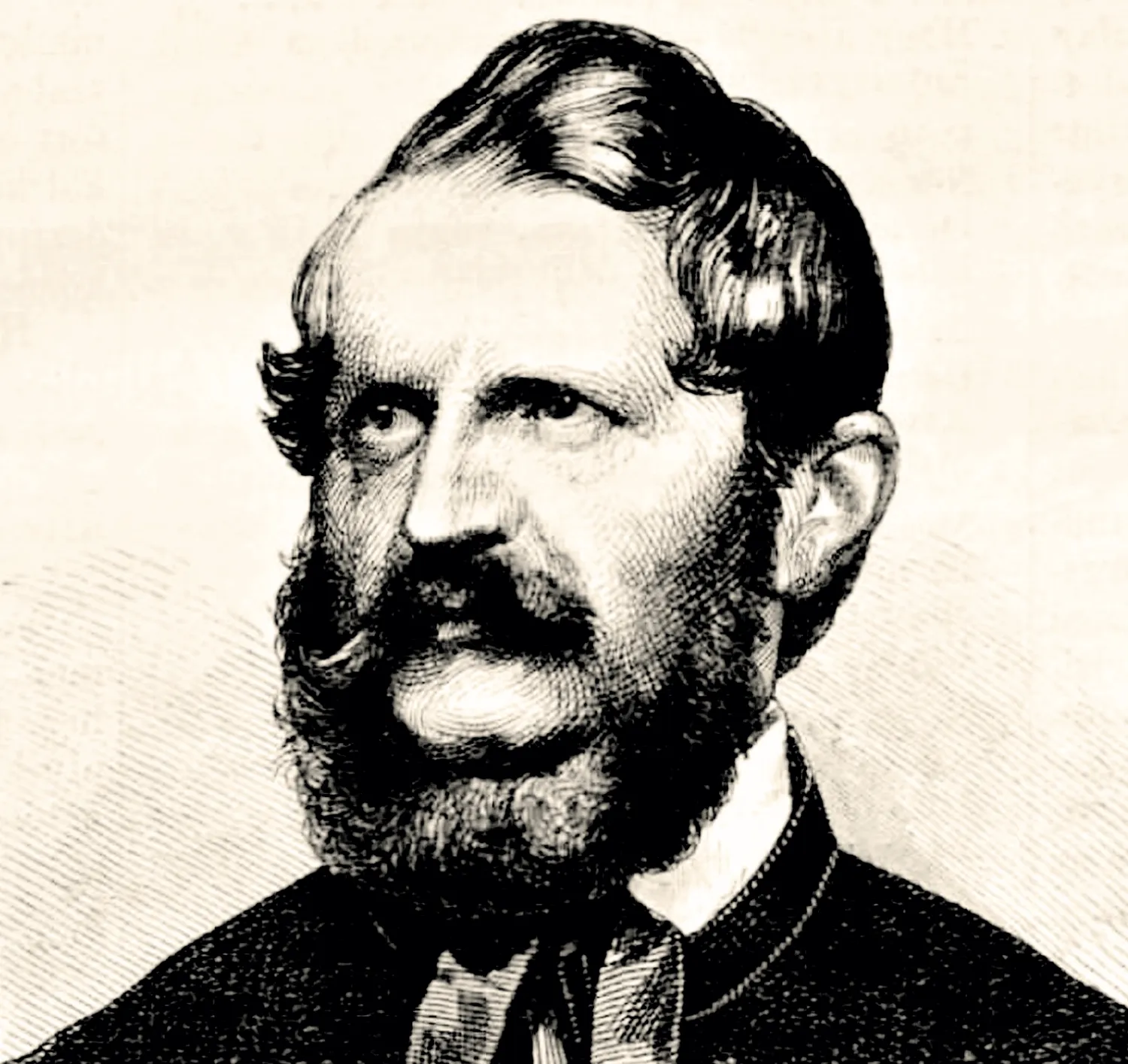
Robert Czilchert
Other - other
* Misérd, March 14, 1809 – † Gútor, February 4, 1884 / physician, animal breeder, agronomist ; ; His uncle was János Károly Lübeck, a physician (Bazin), and his father, András Czilchert, was the city captain of Besztercebánya. He began his elementary school education in his hometown, then went to the Lutheran gymnasium in Miskolc. He attended liberal arts lectures in Selmecbánya and then in Bratislava. Between 1826 and 1832, he studied medicine at the University of Vienna, and after obtaining his doctorate, he settled in Pest. Already as a medical student, he contributed to the fight against the cholera epidemic. It was then that he met Imre Klauzál (1799–1847), the distinguished agronomist who was the administrator of the Károlyi estate in Tótmegyer and later, on his recommendation, became the estate doctor there. He often wrote articles on medical topics for Kossuth's newspaper, Pesti Hírlap, and Orvosi Tár. He was one of the initiators and founders of the first medical association in the Highlands, the Nyitra County Medical Association. In the second half of his life, he turned his back on medicine and excelled primarily as an agronomist. In 1851, he established a modern sheep farm in Gútor, near Bratislava, whose "stock sheep" made his name nationally famous. He was the vice-president of the Bratislava County Economic Association, founded in 1861, and for years he was one of the editors of the association's yearbooks. In 1840–1841, he edited the journal of the Rohonczi Economic Institute, founded together with Imre Klauzál, the economic journal Rohonczi Közlemények. ; He ended his life with his own hand in Gútor. He was buried in the Evangelical cemetery in Kecskekapu, Bratislava. ; ; His main works: ; Szliács. Written for doctors and patients, 1838, ; Animal breeding ideas, in the face of the fundamentally changed economic conditions in Hungary at the present time, 1859, ; Report on his mission to Belgium for the purpose of washing wool in factories, 1866, ; Draft for a founding Actien-Gesellschaft in Pest, which would aim to wash the factory laundry of Hungarian wool, bypassing the fur washing carried out by the producers, 1867.