
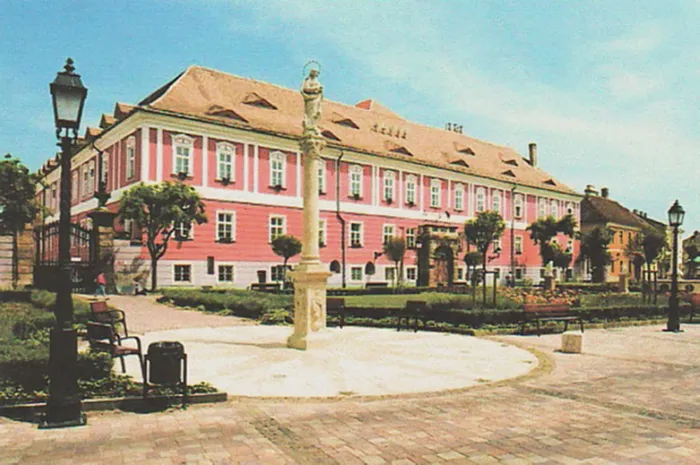
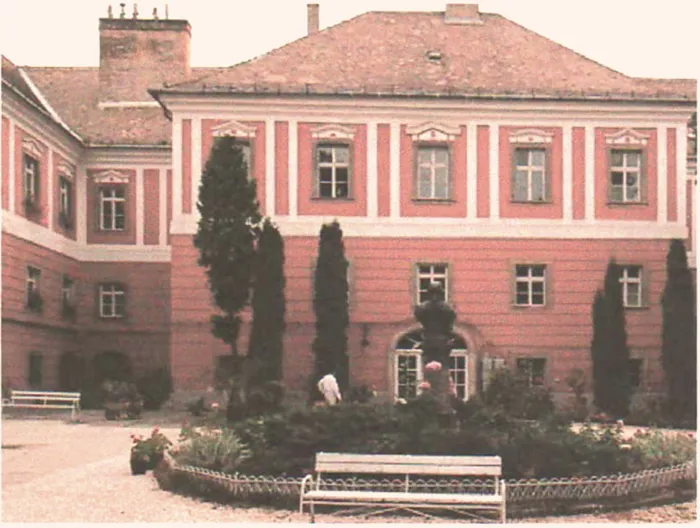
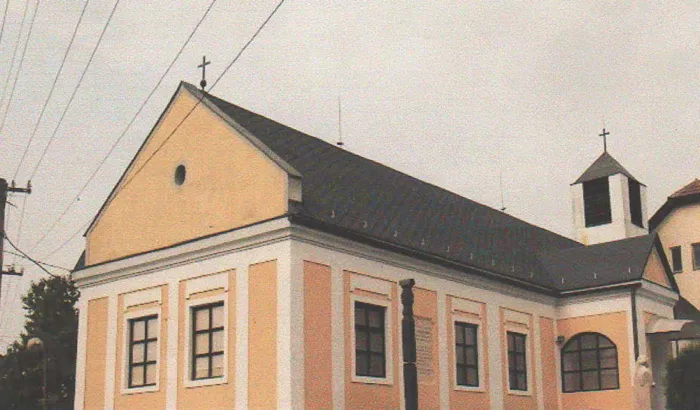
The life's work of András Cházár and the building complex of Cházár's birthplace in Jólész
Other - other
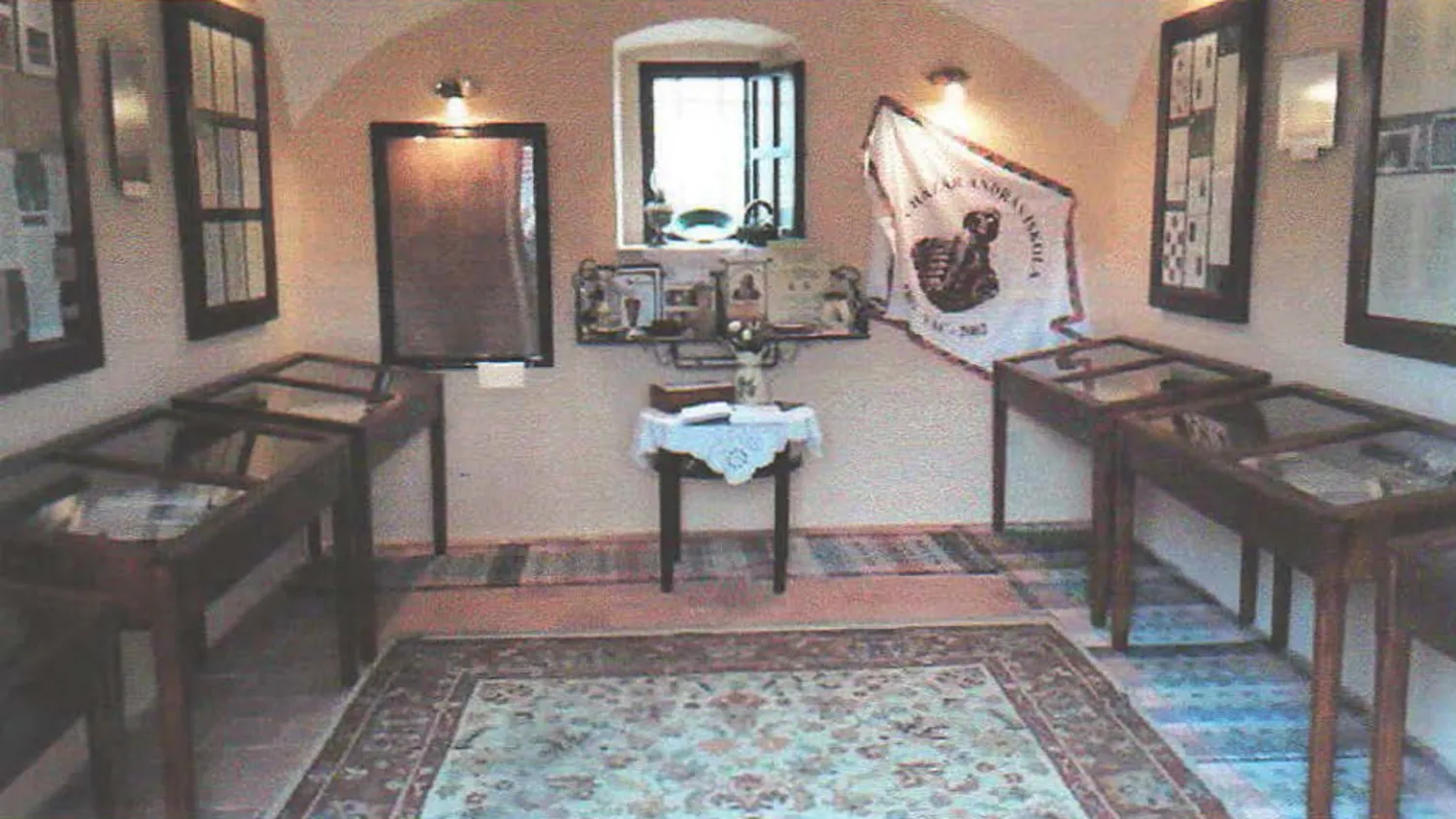
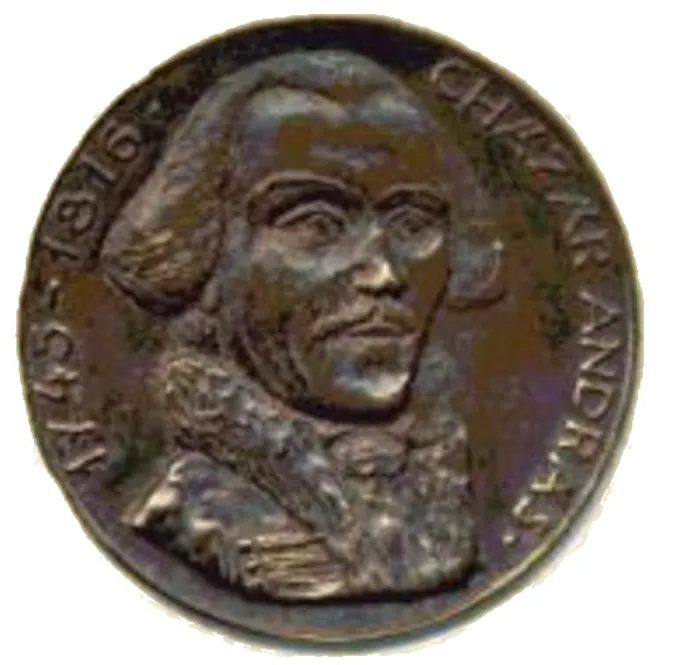
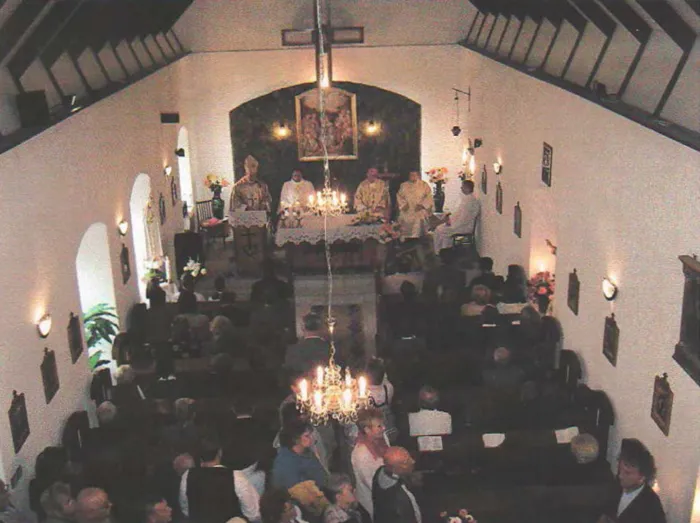
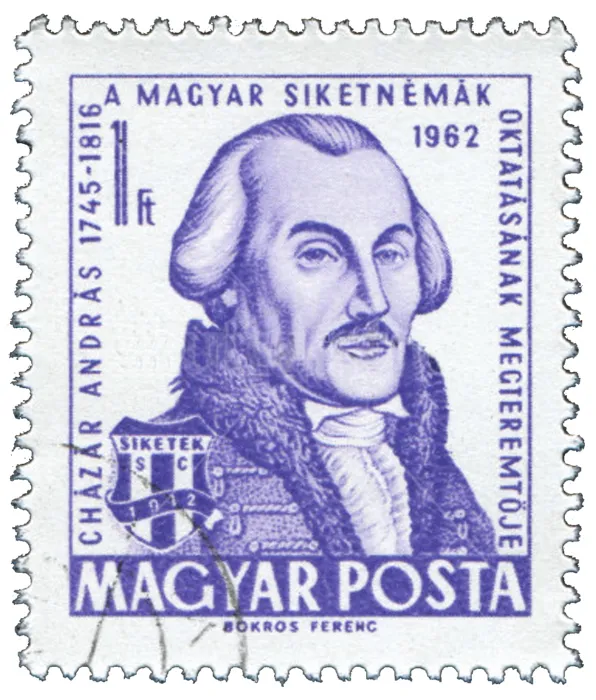
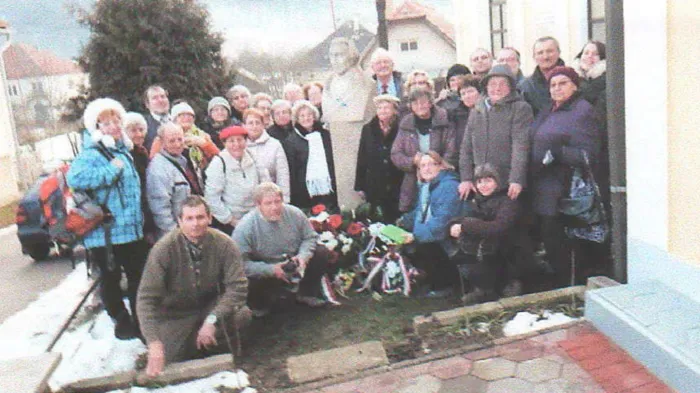
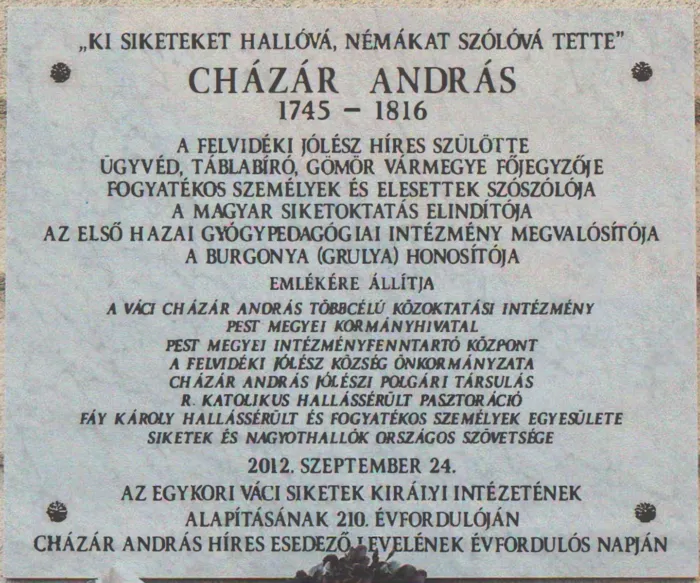
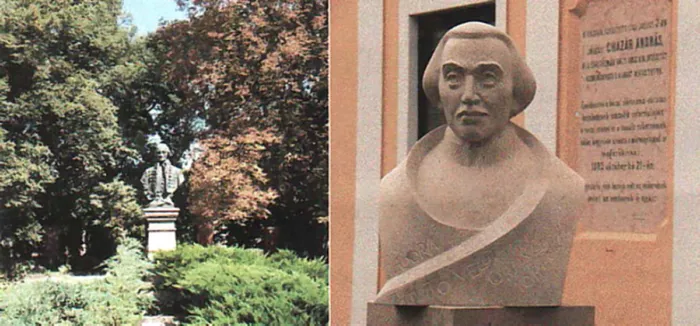
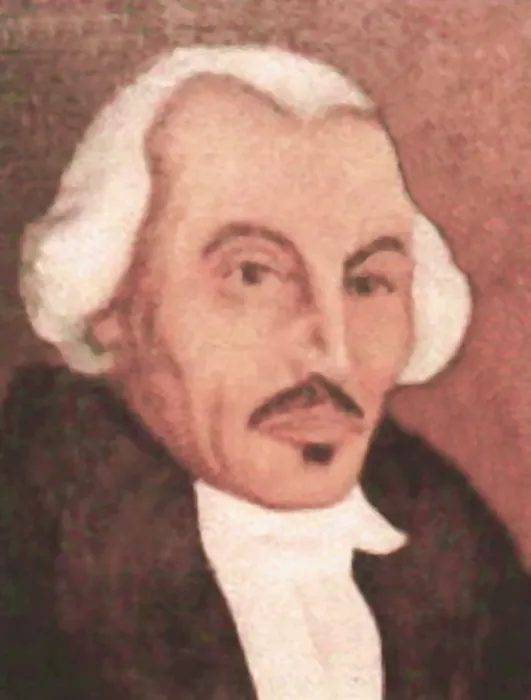
The life of András Cházár Jólészi: ; ; He came from a noble but poor Lutheran family, a lawyer, a bar judge, a county notary, a legal writer, an advocate for the downtrodden and the disabled. ; He was born on June 5, 1745 in Jólész and died on January 28, 1816 in Rozsnyó. ; As a qualified lawyer, he first became a bar judge in Torna, Hont and Abaúj, and later in Gömör county. ; In 1790, as the chief clerk of the Rimaszombat county assembly, his fiery speeches against Joseph II were extremely popular. During this time, Gömör county elected him its chief clerk three times. He participated in the 1791 Reformed Council of Pest as a delegate of the Gömör Lutheran parish. ; András Cházár realistically saw the mistakes of his time and was always outraged by unprincipledness and injustice. His name became known when Emperor Joseph II, in order to spread the German language, made German the mandatory language in law instead of the neutral Latin that had been used until then. Cházár then resigned from his position as a lawyer and continued to work as a notary or chief notary. But even from this position, he regularly spoke out against any steps taken by the authorities that he saw as curtailing the freedoms of society. ; András Cházár's humane approach is demonstrated by the letter he wrote to the orders of the Diet held in 1790 in order to improve the situation of the serfs. In it, he summarized the grievances of the serfs in forty-four articles and made proposals for their remedy. In his "pleasure letter" written on behalf of the "ploughing bourgeoisie", he proposed universal and compulsory primary education and the social embrace of the disabled ("the blind, the crippled, the lame, etc."). ; In another work, he discussed the teachability of the deaf and dumb. Thus, he can be considered the pioneer of equal opportunities in our country, the first helper of the disabled. On his initiative, the first special education institution in historical Hungary, in Vác, was established. The school, as the alma mater of special education, has been operating in its original location for 215 years to this day. Since 1990, the school has been named after András Cházár. ; The great discovery of his time was the potato. However, at first, he tried in vain to popularize the cheaply produced and nourishing plant, as ordinary people were averse to the novelty. Cházár, however, knew well: bread only exists as long as there is grain. Out of foresight, he hoarded a large quantity of potatoes at the end of the summer, and when the bread shortage set in in the winter, he led the people to the potato storage facilities. Out of gratitude, the village population named the hill on which the lawyer's house stood Grulya-vár, after the local name for the potato. ; ; Homage to the life work of András Cházár Jólészi: ; • Since 1902, the institution that bears his name has been commemorating András Cházár's activities at Cházár Evenings, and since 1990, the award named after him has been presented on this evening. The award can be given to teachers who have done/are doing particularly outstanding work in the field of education and upbringing of the hearing impaired. The winners of the award must be worthy of the spirit of András Cházár in their work and behavior. ; • A street in Budapest, Vác, Rozsnyó and Jólész has been named after him. ; • The Hungarian Post Office issued a commemorative stamp in honor of András Cházár in 1962. ; • His memory is preserved in the Cházár András Memorial Room, inaugurated in 2007 in his birthplace in Felvidék. ; • Since 2007, a civil association has borne his name. The aim of the association is to preserve the memory of András Cházár and to foster cooperation with the special education school in Vác. The association has members from both the Felvidék and the motherland. ; • On September 27, 2008, the first public statue of András Cházár was inaugurated in front of his birthplace. ; ;  ,