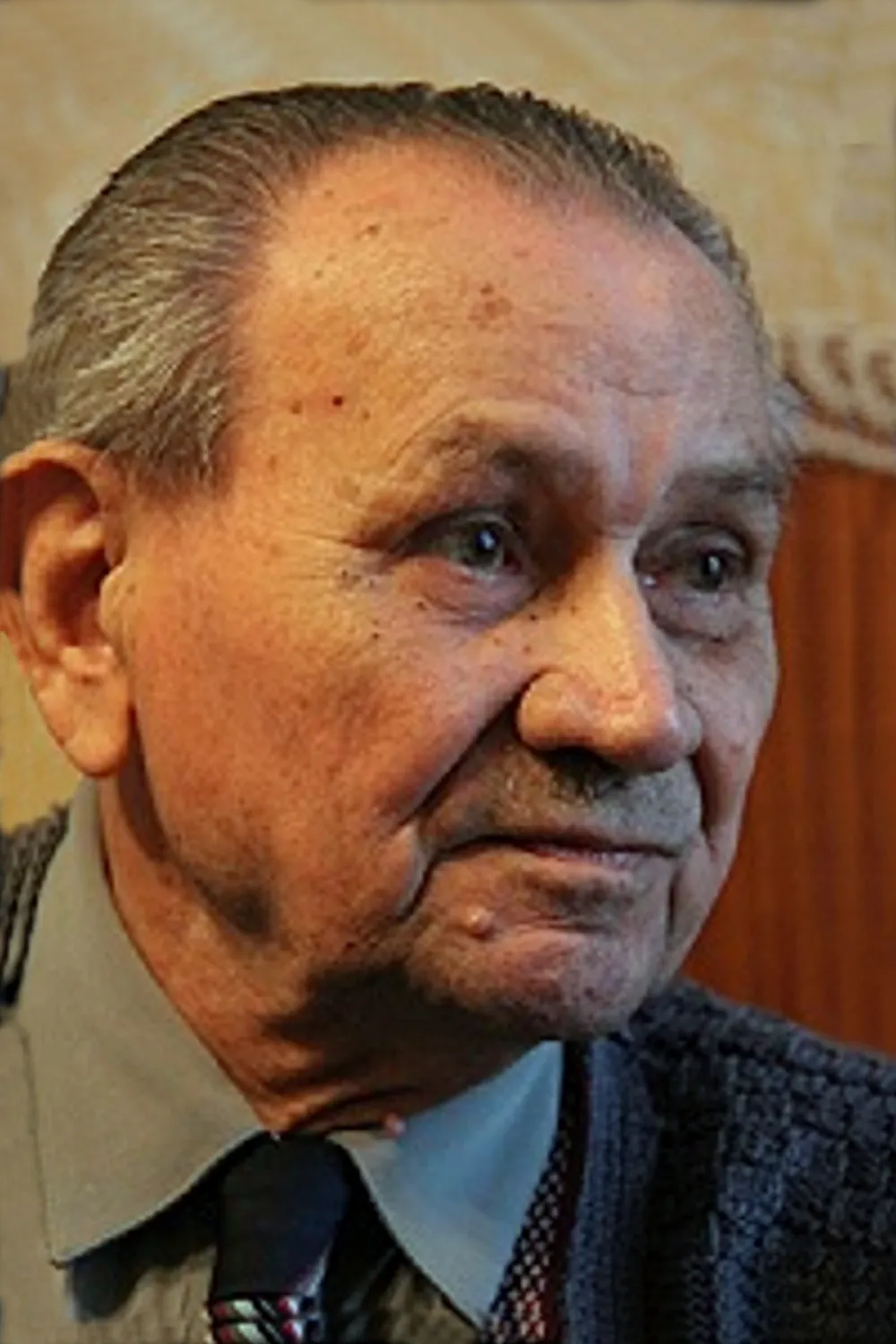
Joseph Beres
Other - Other
* March 20, 1917, Abaújszina - † February 2016, Košice / public figure ; ; His father, as a railway worker for the Hungarian Royal State Railways, did not take the oath of allegiance to Czechoslovakia, so he and his family became stateless in their homeland. Poverty accompanied his elementary school studies in his native village. He completed his civic school as a private student, because without citizenship he would only have received an elementary education. He found a job as a day laborer, then as a school servant at the Premontre Gymnasium in Košice. He wanted to continue his education, but the Slovak language of instruction prevented this. After 1938, he met László Mécs, who helped him work as a clerk in the registry office of his native village. ; He was married, lived with his wife for 71 years, and raised four children. ; At the end of the war, he was ordered to do military service. Then he became stateless again. Despite the deportation order, he was allowed to stay in his homeland. He got a job at the Košice post office. After the establishment of the Csemadok, he participated with all his might in promoting Hungarian culture and founding Hungarian schools. He became the first Košice and then district secretary of the Csemadok. Through Dr. Béla Simai, the first president of the Cultural Association, he met Zoltán Fábry, who remained his good friend and support until his death. ; In 1953, he was asked to organize the Czechoslovak Hungarian Folk Art Ensemble, Népes. He was appointed director on January 1, 1954. He initiated the Hungarian folk art movement in Slovakia with his colleagues, András Takács, Tibor Ág and two Košice residents: Olga Hemerkáné Lágler and Zsuzsa Bocsek. ; After the government closed the group down a few years later, he again worked as the district secretary of the Csemadok. From 1960 he worked in the Hungarian editorial office of the Czechoslovak Radio. In 1965 he took the lead in the efforts of Hungarian intellectuals in Košice, and the Batsányi Circle was formed, of which he became the first president. This organization initiated, among others, the Kazinczy Days. II. The restoration of memorial plaques to Ferenc Rákóczi, János Batsányi and others is also thanks to the Circle. ; Béres won over such personalities to support Hungarian culture in Košice as Gyula Illyés, Mihály Czine, Zsuzsa Erdélyi, Dezső Kereszthúry, László Németh, Edgar Balogh, Péter Veres, István Simon and others. ; In 1968-69, he reported to the Hungarians in Slovakia in the most detailed way about the Dubček period and the formation of the Thália Theatre. He conducted several in-depth interviews with Zoltán Fábry. Thanks to these, his message still resonates today. ; He officially retired in 1989, at the age of 72, but remained active until the age of 98. ; In 2014, he received the Cemadok Lifetime Achievement Award.