
Bodok vineyard and wine
Other - other
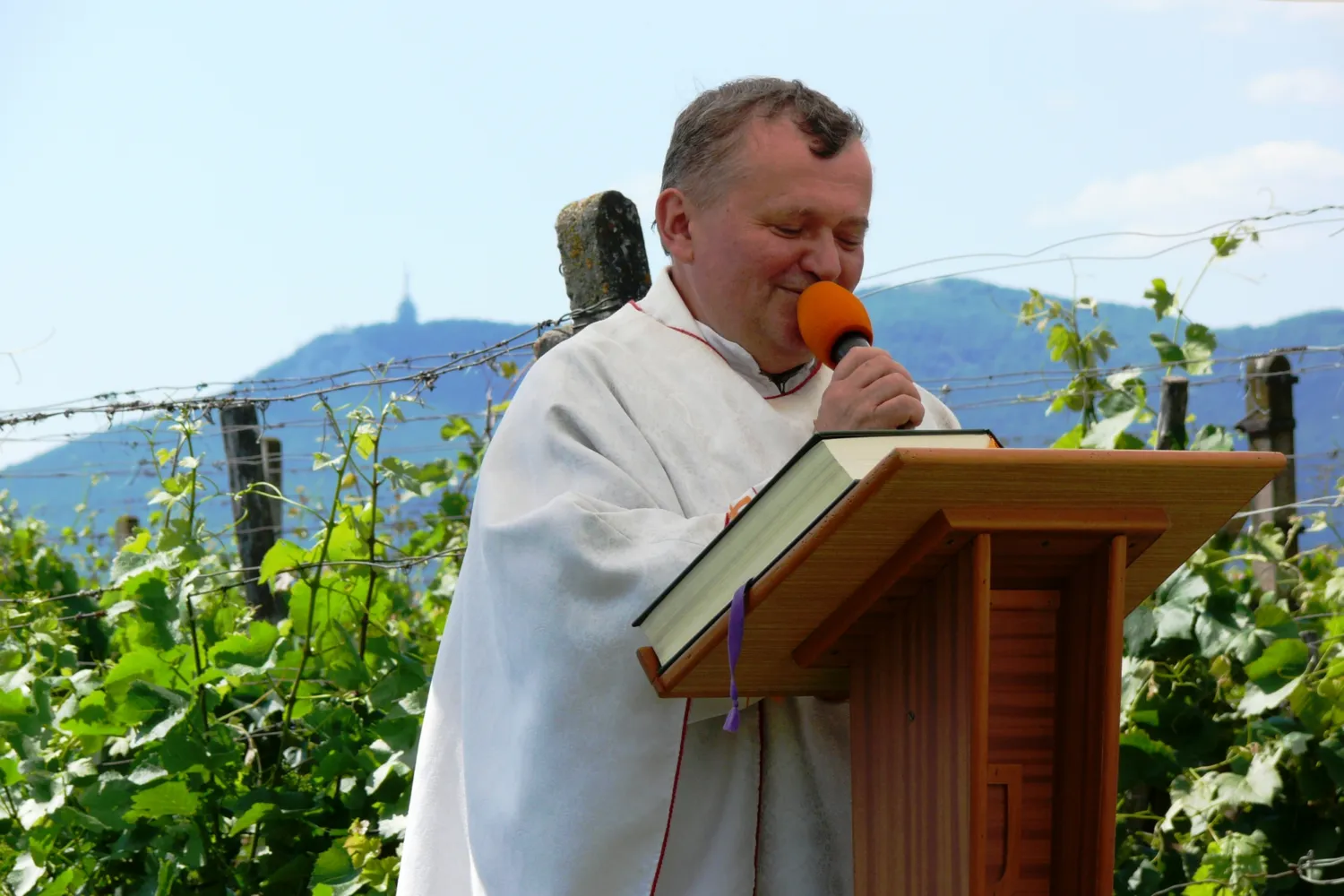
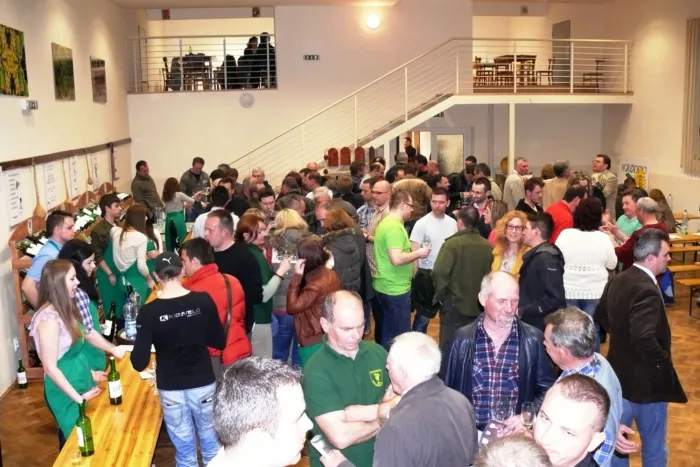
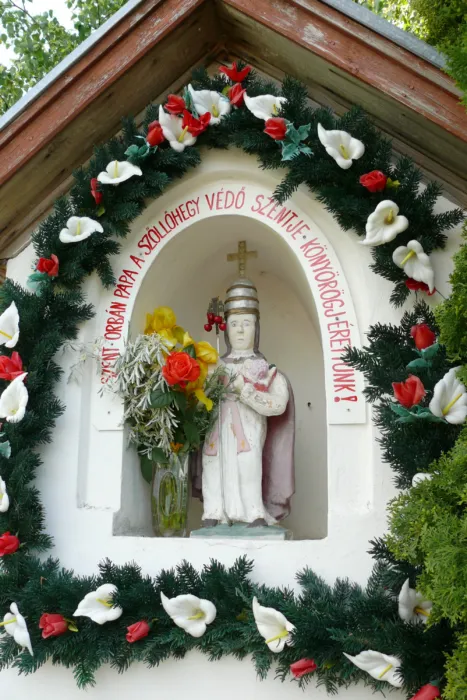
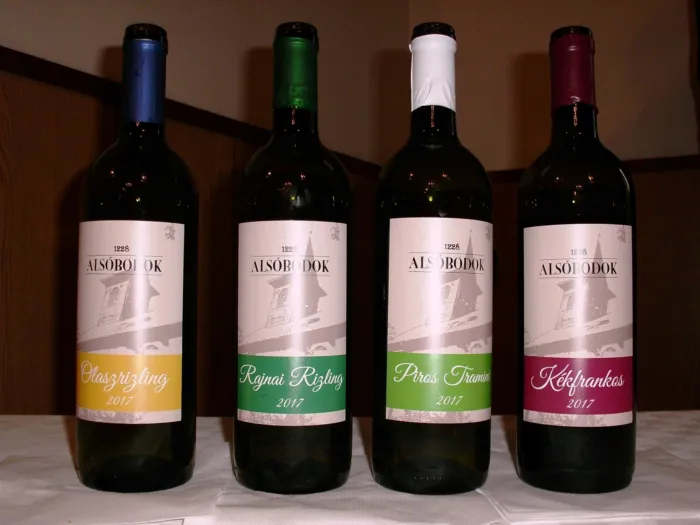
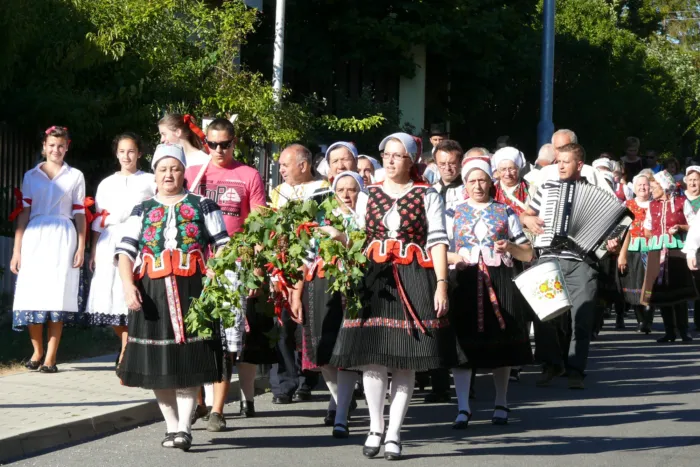
The first evidence of viticulture in Alsóbodok dates back to the early Middle Ages, with the discovery of a grape-pruning knife. The first written record dates back to a later period, but we can assume that the cultivation was continuous. Viticulture is also mentioned in the neighbouring villages at this time (11th-15th centuries). In 1626, Bodok paid tithes to the bishopric of Nitra, but Bishop János Telegdy ordered the payment of a ninth as well. During the Ottoman Empire, in 1663, the Bodokians paid a tax of 2,050 akcse for 450 pints of must (the Turks were not allowed to drink wine). In 1694, Bishop Balázs Jaklin of Nitra reaffirmed the ninth and tithes payable on wine. In 1715, the village had 46 kapas of vineyards, and in 1720, 56 kapas (a kapas is the area that a person can dig in one day). In 1731, a record harvest of 2,290 akós of wine was produced in the village. The local vineyards are also mentioned in the 1736 urbarium of the Nitra bishopric, including the vineyards of the now-disappeared Kernye settlement, from which they were also obliged to pay tithes. Ten years later, there were 199 kopás vineyards in the village, and in 1769 it reached 434 kopás. The tax census of 1828 indicated “only” 384 kopás vineyards. In 1870, the area of vineyards was 59 acres, and seven years later it was 152 classified acres. At the turn of the century, phylloxera destroyed part of the vineyards, so the inhabitants of the village received grafts from the Zobor grape propagation school (1903, 1904). In 1910, the residents learned the technique of grape grafting and in 1920 they also started growing direct-fruiting varieties, which were obtained in the villages along the Zsitva River. During the years of socialism, cooperative vineyards were planted, and then in the 1980s, the privately owned Egriparti vineyards were reduced in favor of arable land. The memory and location of the famous historical vineyards were preserved in the vineyard names (Pusztaszőlők, Kisszőlők, etc.). The vineyard is surrounded by a forest belt, the so-called “dam”, which is adorned with rich flora and mushrooms. White dry wines are typical of Alsóbod, e.g. Italian Riesling. In the past, the so-called “stake” vines dominated, but today wire supports are widespread. Traditional viticulture used many old, now almost forgotten tools (e.g. tövető, noszigla, sintölő), similarly winemaking (e.g. csomoszoló, tunka, lív etc.). The vineyard is dotted with centuries-old and newer cellar press houses, the upper part of the building is the “kamra”, the underground, stone-lined hole cellar is the so-called “merő”. In the past, the life of the mountain community was managed by the “peregemester” (from the German word “Bergmeister”), assisted by two “vine shepherds” (meaning: grapevine shepherds). The mountain community had strict rules regarding jobs and rights. The Alsóbodo Wine Lovers Association was founded in 2009, and since then it has been organizing the community life of the mountain, organizing professional performances, supporting the cult of the mountain's patron saint, the consecration of new wine, harvest festivals and balls, and local and regional wine exhibitions, which are very popular. Every year, residents express their gratitude to the patron saint of vineyards at the statue of Saint Orbán.