
Bodok folk traditions and customs
Other - other
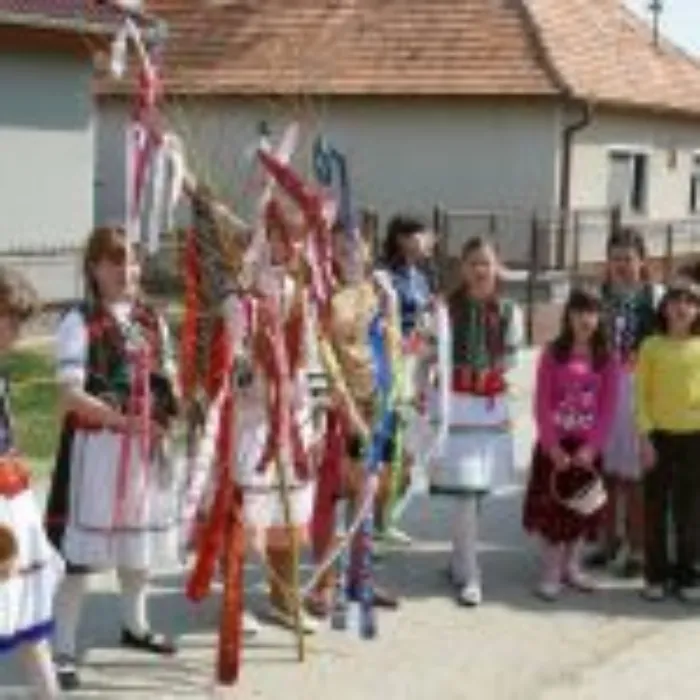
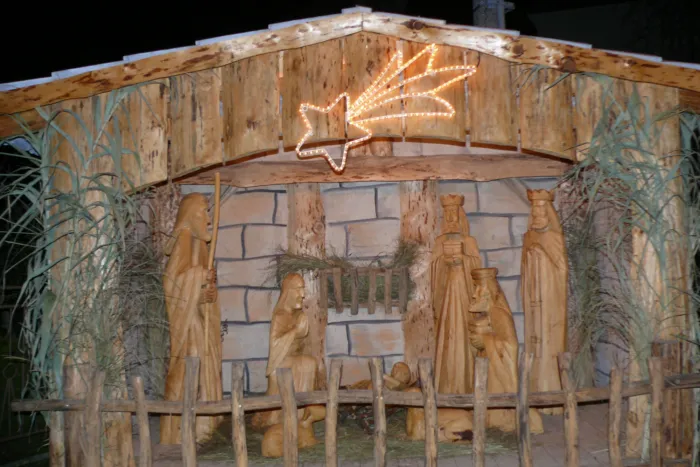
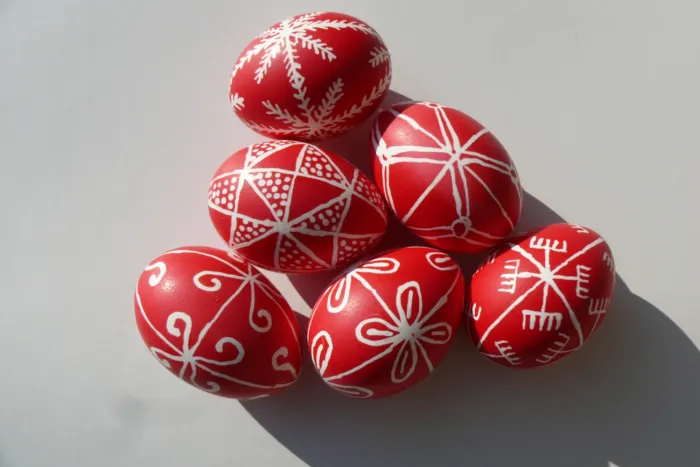
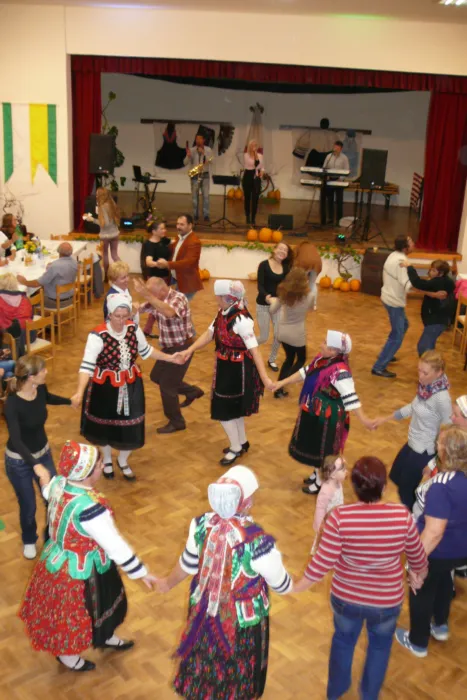
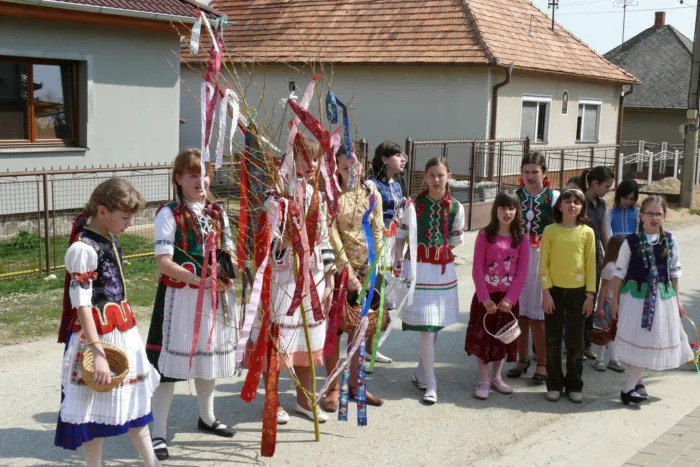
The traditional church holiday cycle began with Advent before Christmas. At the beginning of December, Santa Claus visited with Krampus, who did not distribute gifts, but collected them from relatives. On the 13th of this month, the feast of St. Luke was about witchcraft. At this time, masked girls dressed in white and with altered voices visited the houses, where they cleaned the premises with feather brooms. A lot of fortune-telling and folk magic were also associated with this day. Then came the so-called wandering days, when those returning home in the evening would get lost. The “holy family walk” is still a living tradition today. The Christmas holiday cycle took place in the spirit of religious ceremonies, the “holy night” was rich in traditions, and the next day the families were visited by nativity scene workers, so-called “csiabujások” (Kubo, bishop, etc.). At Christmas, good wishes were spoken to relatives, the so-called “embals”. The so-called Little Christmas was held on New Year's Eve. The cheerful carnival was made more solemn by a procession of young people wielding swords. In the past, girls were made to dance to the accompaniment of a trumpet, later a brass band. After the "bass funeral", came the quiet Lent, with its special, restrained dishes ("kőtís" etc.). This period was closed by the Easter holidays, with water gun sprinkling, homemade embroidered eggs (nine-piece, kantáros, pumpkin seed, etc.) and primarily religious inspiration. In the entire Hungarian-speaking area, only here, in Zoboralja, is the Palm Sunday "villőzét" (bringing in the spring "hair-tie" green branch) practiced. In Bodok, this was preceded by the "banyahurcolás" (carrying away winter, cold and plague from the village) by throwing a doll dressed in costume into the water or burning it. Villőzét is still a living tradition today. The liver tree planting, the procession on St. Urban's Day (Urbánka), the days of the cross (celebrated together by the inhabitants of Pográny, Alsóbodok and Nyitragesze) and the "bujda-járás" on Lord's Day are still a tradition, but the fire jumping in Szentivány has long since ceased. At the end of June, after the day of St. John the Baptist, there was the church farewell ("hodi"). The harvest began on the day of St. Peter and Paul (June 29), its customs and songs are still performed by the local folklore group. From then on, there was less time left for holidays. The harvests were in the fall, and these were also celebrated, with numerous songs, folk games and fun. Then came All Saints' Day and finally All Souls' Day, which ended the traditional church year. There was also a separate world of customs for the turning points of human life, such as birth and baptism (their celebration was the "pocita"), initiation into manhood ("cíhölís"), weddings ("lagzi", listed as an independent value in our value database), and finally funerals (today "only" with a vigil, in the past with mourning the life of the deceased, the so-called "wailing").