
Bodok St. John the Baptist Roman Catholic Church
Other - other
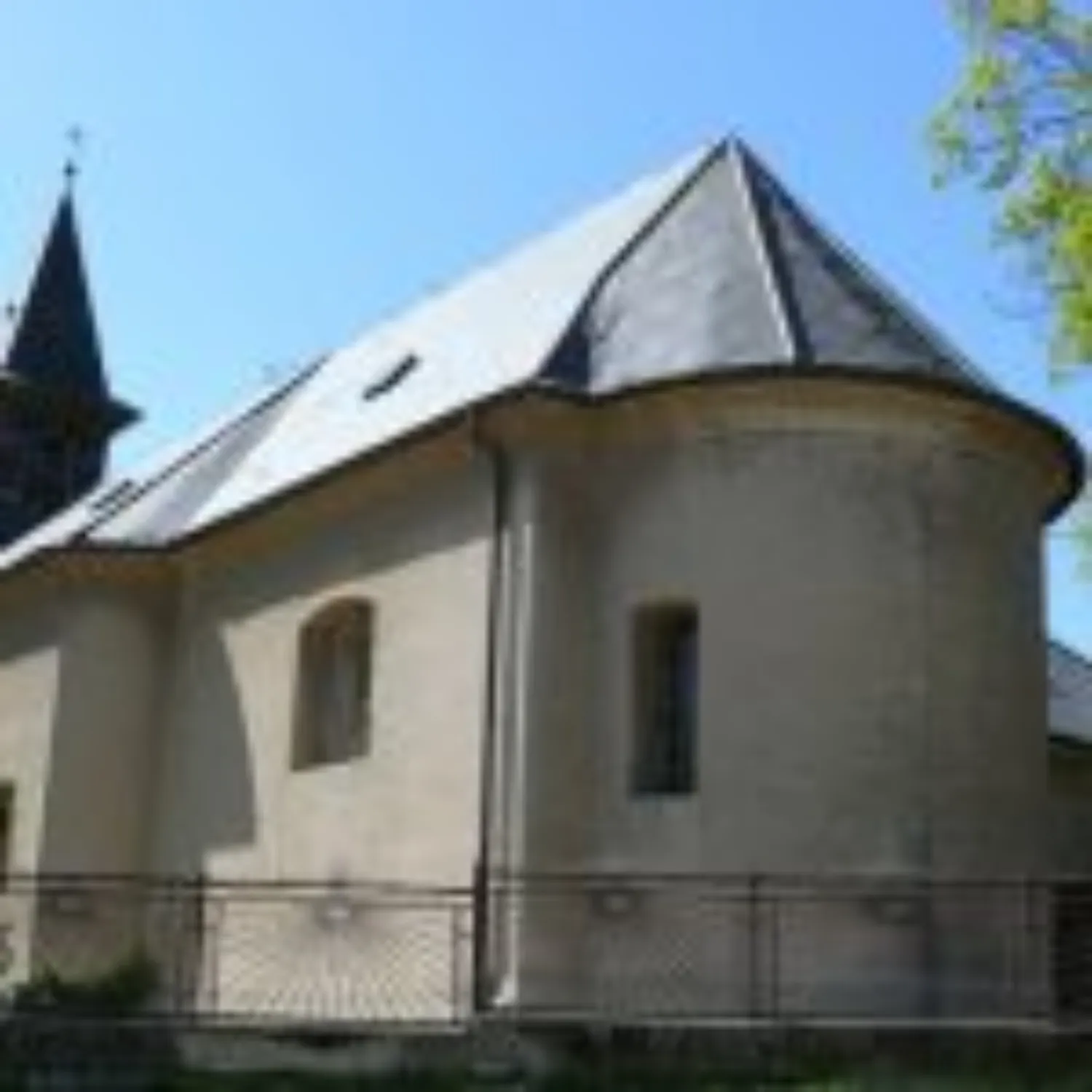
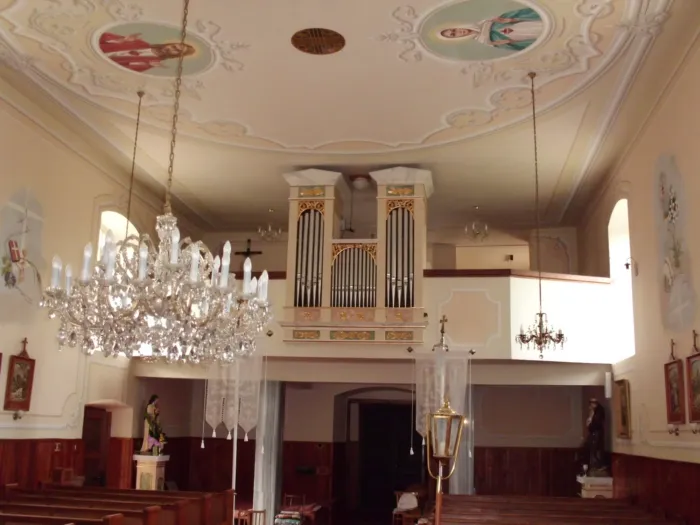
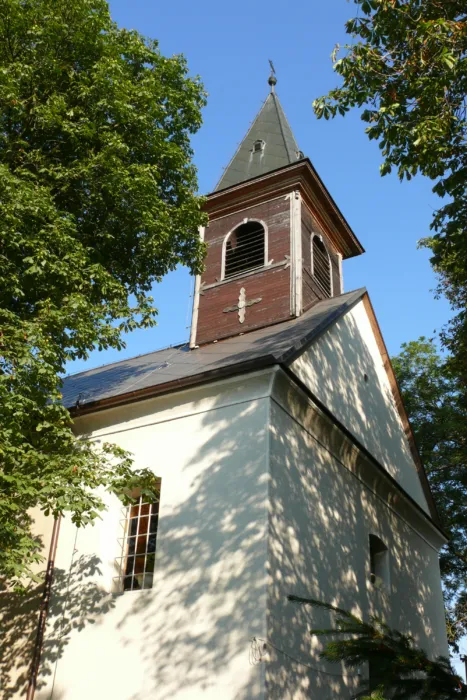
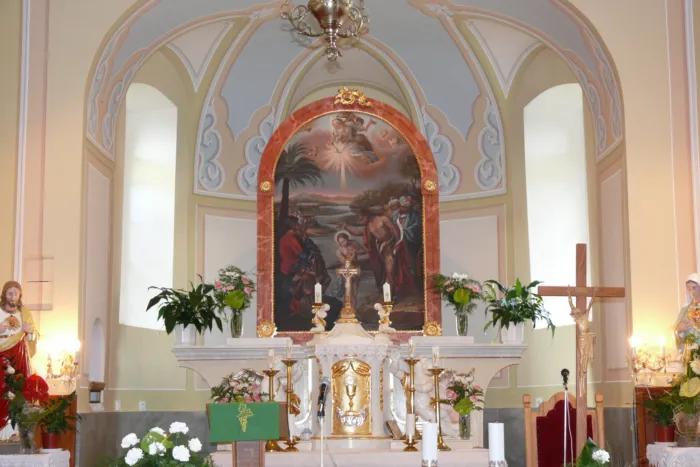
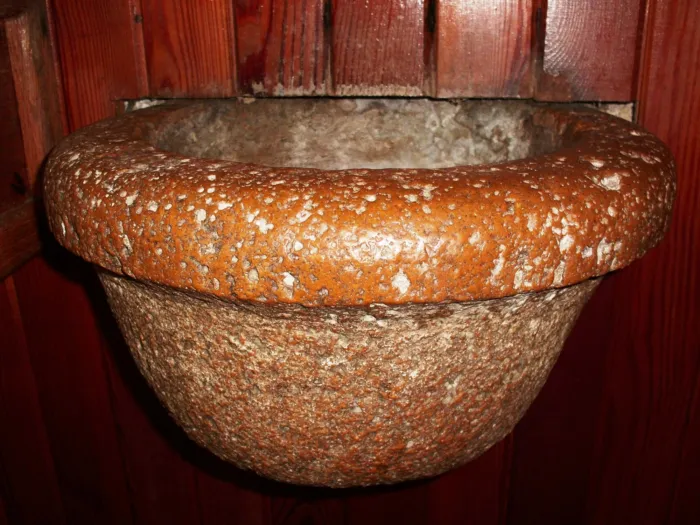
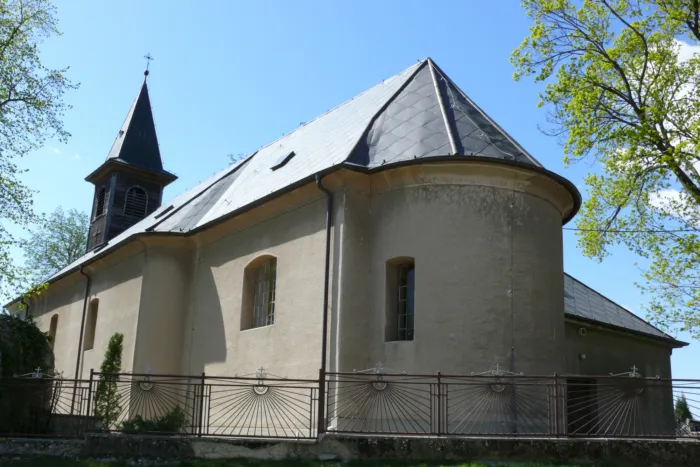
There are several Árpád-era churches in the vicinity of Nyitra, most of them dating from the 12th century (Nyitragerencsér, Pográny, Család, Kolon, Gímes, Menyhe, Zobordarázs, etc.). The church in Alsóbodok was also built in the second half of this century. The original nave of the church has a rectangular floor plan, closed by a semicircular sanctuary from the east. The cornerstones have survived from this time, which were last brought to light in 2018 (they were covered up after the Tatarization), as well as those of the old entrance portal (also covered up). The characteristic Romanesque slit window behind the altar (exposed from the inside, walled up from the outside) and the original baptismal font, which today serves as a holy water container at the southern entrance, can still be seen today. In 1796, the church was extended along its longitudinal axis, a new gallery was built and, in a unique way in Zoboralján, it was given a wooden tower. It was rebuilt several times, at the end of the 20th century the Baroque nave was extended, its old tower was replaced with a new replica. Its oldest bell was cast by Bishop Ferenc Fuchs of Nyitra in 1800, two more were made after the requisitions of the First World War by the Fischer brothers of Nagyszombat (the bells from Bodok are presented as a separate local value). The late Baroque altarpiece was made in the second half of the 18th century, depicting the patron saint of the church. Its current sacristy was made in the 20th century. We do not know who made its organ, but it was repaired by Adolf Gusztáv Molnár in 1927. An 18th-century baldachin is also preserved here, but until recently a 17th-century chalice was also used here. The church has been a branch of the Pográny parish for almost half a millennium, but this was not always the case. The parish of Bodok may have stood next to the road under the church, which is still called Pap út (Priest's Road). The first parish priest, named Sicta or Signa, is found in the papal tithe register of 1332-1337. The last parish priest known by name, Damjan (Damyanus plebanus de Bodok), is mentioned in 1542, and the last mention is from 1546, when the local priest was in arrears with taxes. After that, the Turkish raids destroyed the parish. During the Reformation, the village once belonged to the distant Velsic parish, but was later annexed to Pográny, where it still belongs today.