

Bodok's natural values
Other - other
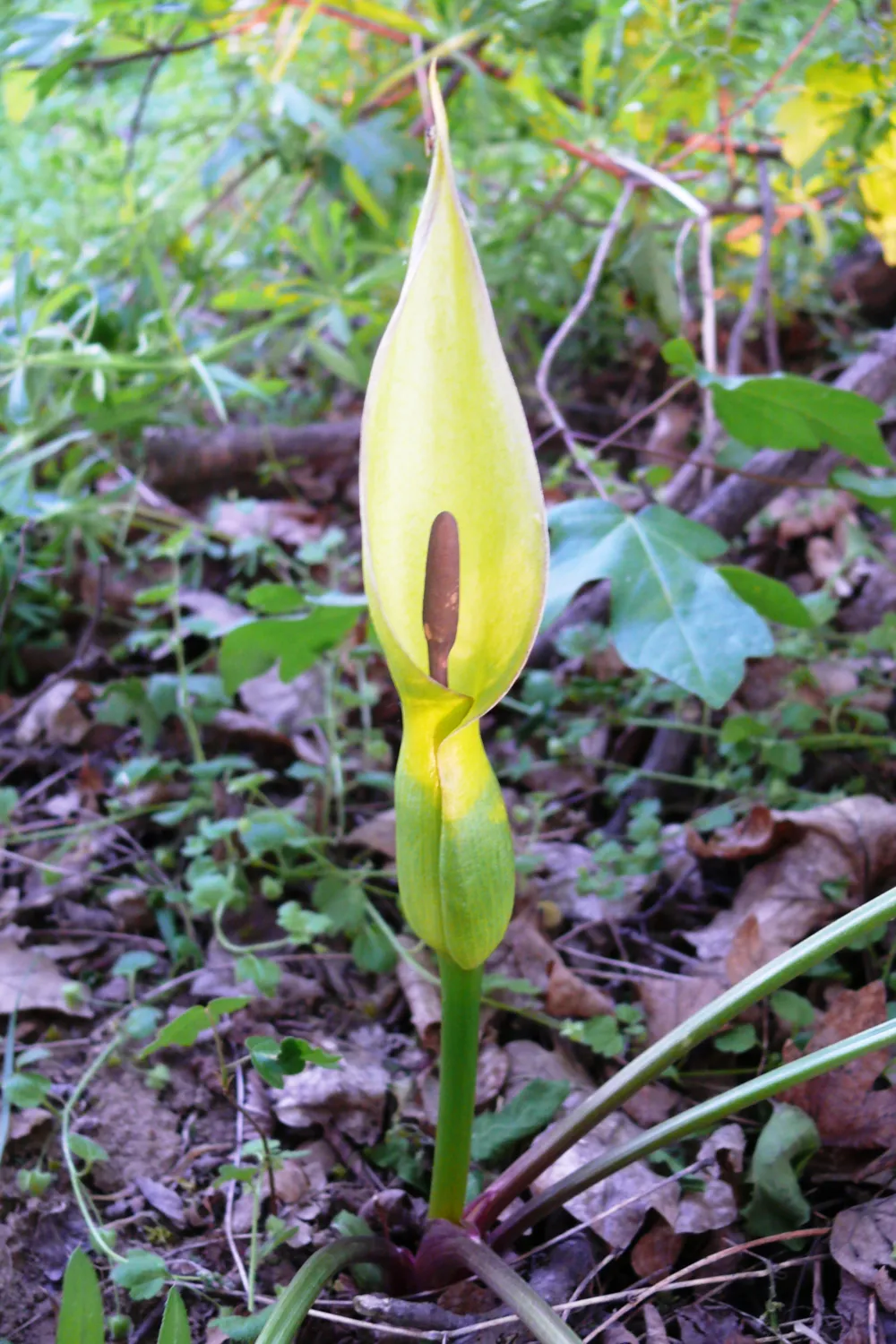
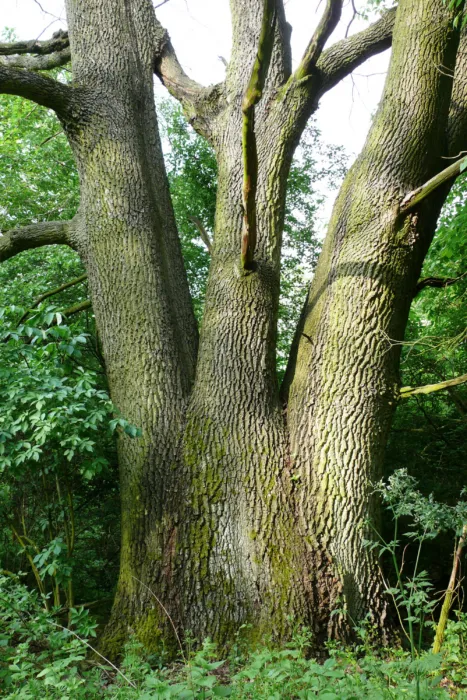
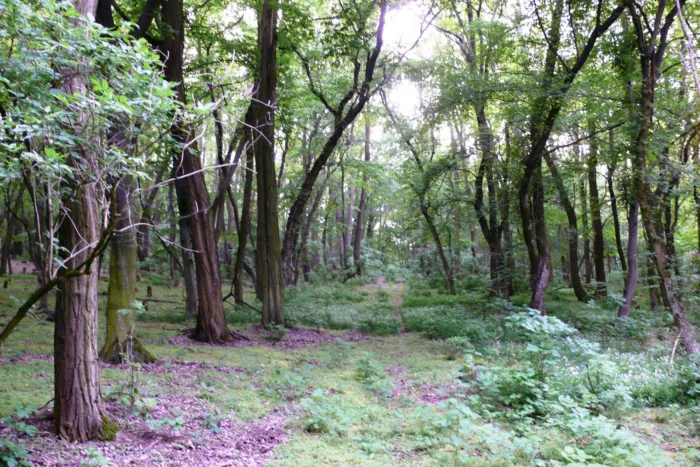
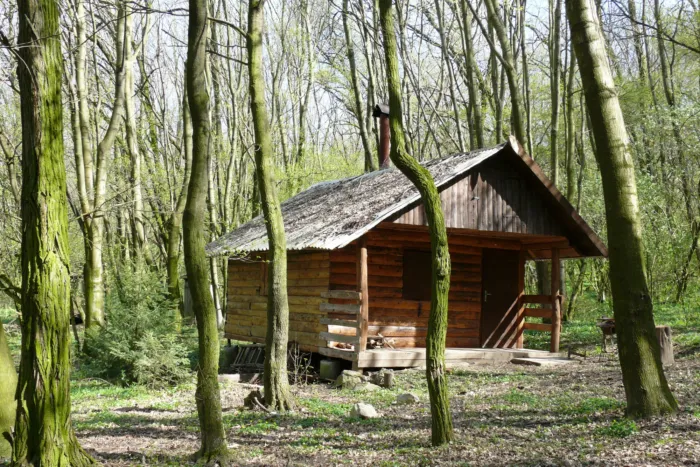
The landscape ecological character of the natural environment of Alsóbodok is formed by arable land, streams (Bodoki-patak, Gesztei-patak, Lázakai-patak, Kis-patak), vineyards and orchards, and the settlement itself. Its most valuable natural asset is the forests. In the Middle Ages, the extent of the forests was obviously greater, but agricultural production greatly reduced their extent. The last large forest was Lázak, located northwest of the village. This was completely eradicated towards the end of the 19th century, only one oak tree, the so-called heirloom tree, was preserved as a memento of the forest for posterity. Later, this too was destroyed and the name Lázak only designated the arable land. Today, there are four forests in the village. The best known is Nyárak, the stream-side part of which may have been made up of poplars, but the wetter part has been cleared long ago, and the remaining area is dominated by hornbeam-oak, which is slowly becoming a thicket. It used to be a coppice forest, in which, if it had grown strong during the decades of drought, the village's pigs were made to eat acorns. Its wood was mostly used for firewood. Not far from it lies Tilammas, which may have been the forest of the now-disappeared Kernye settlement. It has fewer acacias, is less damaged, and its species richness is more valuable. We know of an 18th-century forest management map, and its boundaries have hardly changed since then. As its name suggests, it was a high forest of the lordship, producing unstumped timber planted from seedlings grown from seeds, the cutting period was longer, and it mainly provided building timber. Even today, it is dotted with foxes and badgers' dens. Near the village of Babindál lies the Nagyerdő, which was the estate of the bishop of Nitra, part of which was cleared out during the communist years and turned into a poultry farm. In one corner, the huge Caucasian bear's foot, known as a flood plant, breeds. Not far from the Nagyerdő was the bishop's farm, Ágostonhalma, founded in the 19th century. The forest closest to the village is Agacsos, which, as its name suggests, has become a dilapidated acacia grove. It was partly transformed into a cherry orchard, which has now become thick with their scrub. There were or are other small patches of forest on the border of the village, e.g. Szalai erdőcske, Szilfák, Rákóczi Dam in Szőlőhegyi, etc. The characteristic trees of the forests are oaks (especially sessile oak and holm oak), hornbeam, field maple, ash, etc., their undergrowth contains many characteristic forest species (solomon's seal, wintergreen, forest fern, etc.). They are favorite gathering places for mushroom pickers (foalfoot, etc.), and hunters can also find red deer and wild boar in them.