
We are recruiting for Bertóké and Barátóké.
Other - other
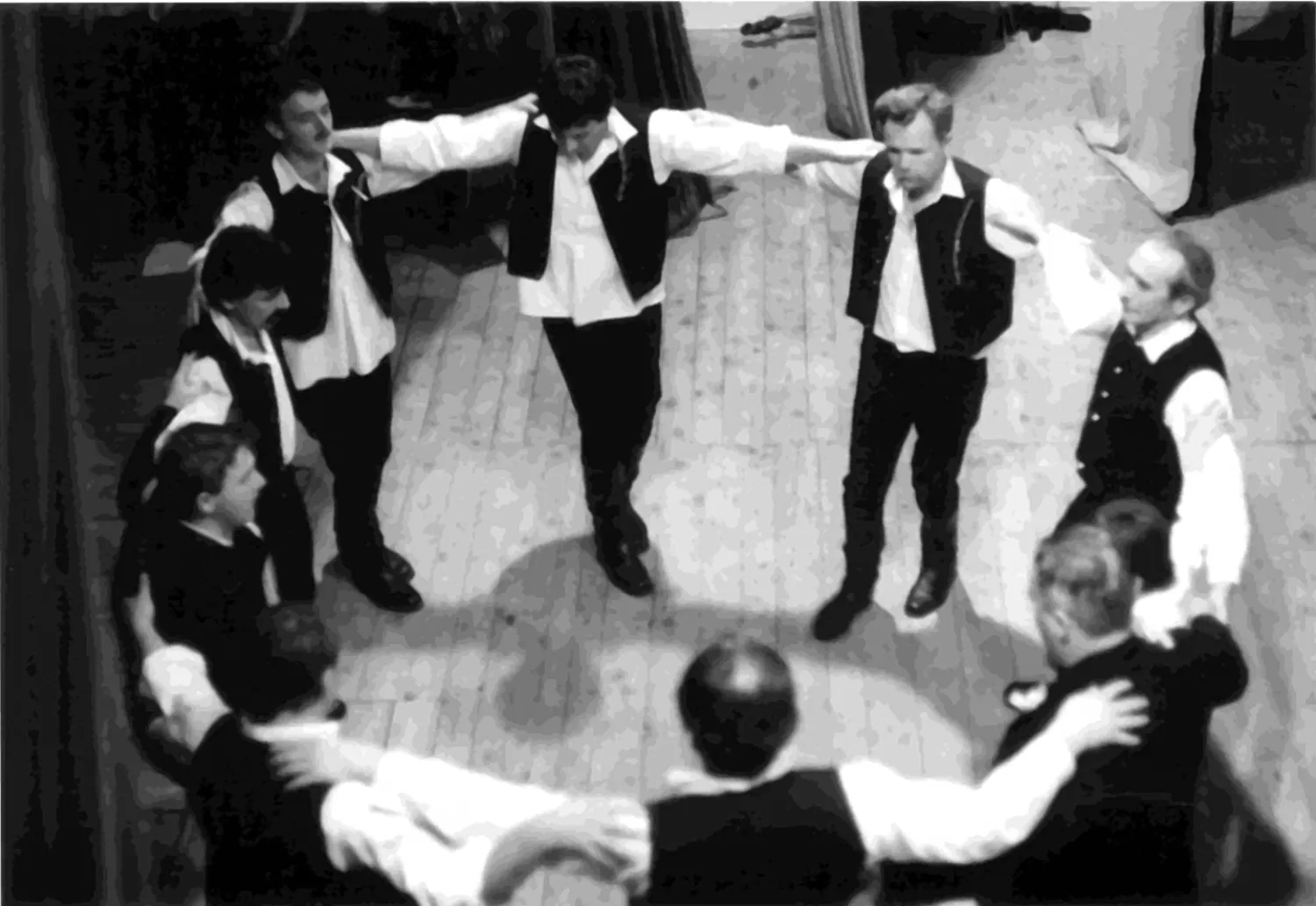
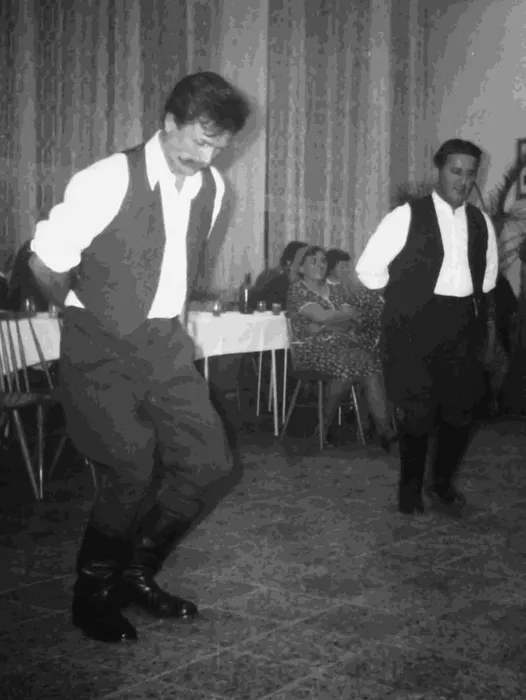
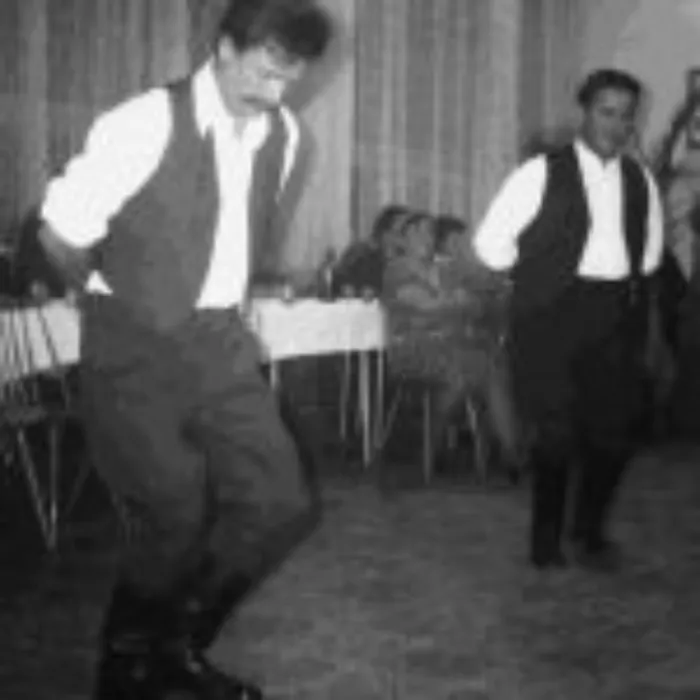
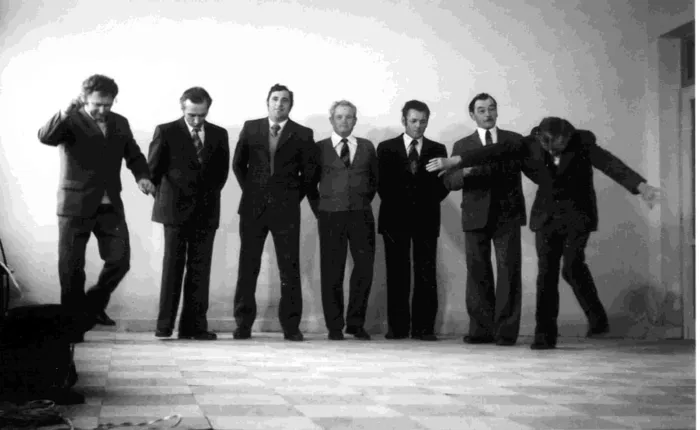
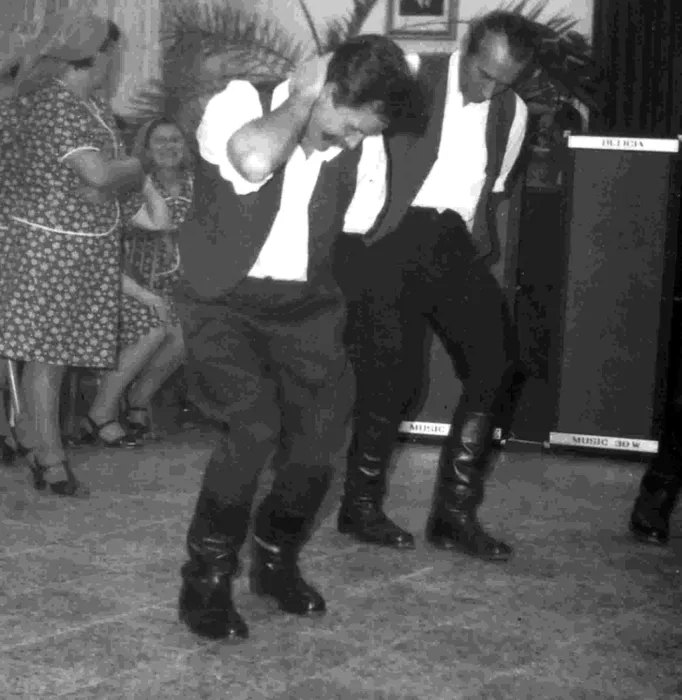
Verbunk ; ; All the traditionally held verbunk dances of the village are characterized by a certain degree of constraint. In some parts of the verbunk, only the melody was defined, the motifs were more or less freely changed in the performance of the dance, in other parts the melodic fixation was accompanied by a motivic constraint. ; ; Bertóké: The Bertóké verbunk is performed standing in a semicircle, first by dancing in place, then by combining springy knee bending with squatting. They rarely turn around their axis, then take tangential, swinging, and drumming steps with clapping motifs. It usually continues with csárdás. ; Barátoké: Another traditional dance of Jóka is the Barátoké. The verbunk, which is double in terms of dance structure, is danced standing in a closed circle with shoulder-to-shoulder contact. In the first part of the dance, they drum in place with one foot, turning their feet in and out, and in the second part, they circle right and left with two-step csárdás and running steps crossing back and forth. The tempo is constantly accelerating. Due to the increase in tempo, we can consider the Barátoké verbunk as a special type of competitive dance, which usually appeared as the closing dance of the dance cycle or the party. ; ; The collection and exploration of the village dances was initiated by Jenő Görföl in the second half of the 1970s. His activities were supported by Mária Szakál Szabóné, Julianna Szakál and Lajos Szabó. They searched for those who knew the village's dance customs and traditional dances, who still remembered the forms of movement and the accompanying dance melodies. A film was made about it in 1984, titled Jókán A Bertóké és tárári.