
The mansions of the Ordódy family in Ógyalla-Bagota
Other - other
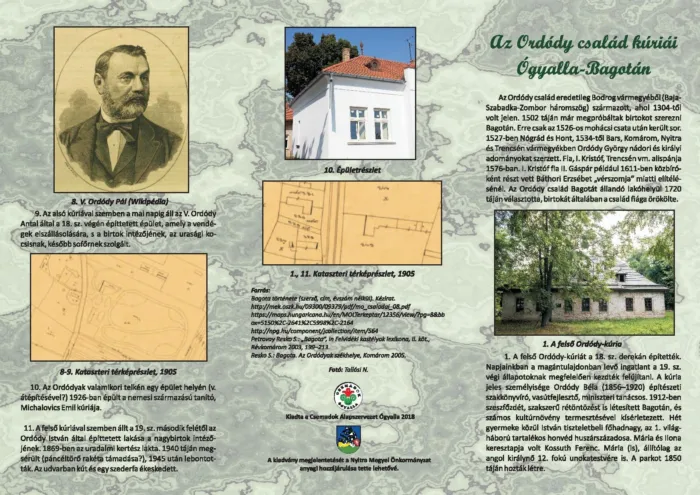
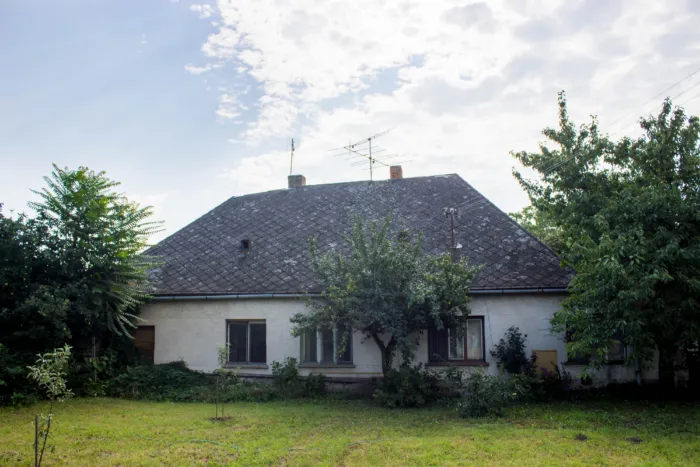
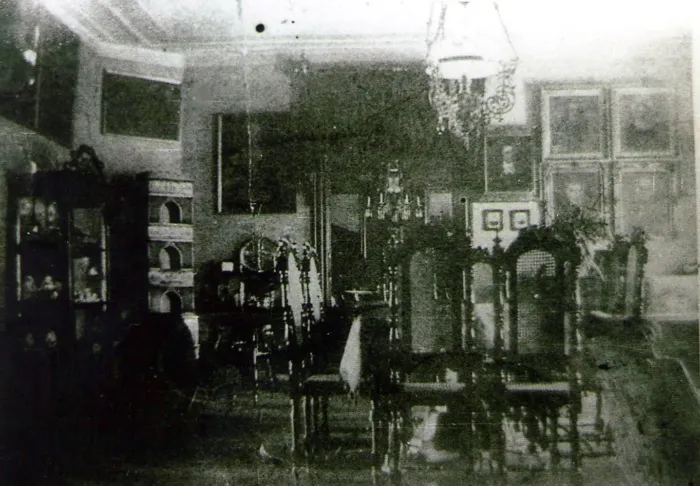
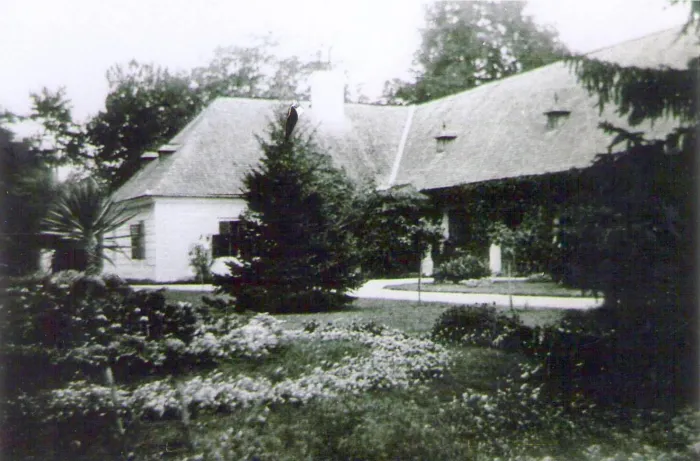
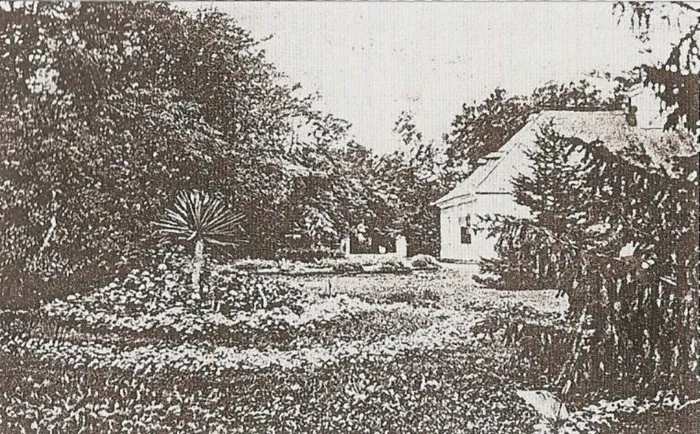
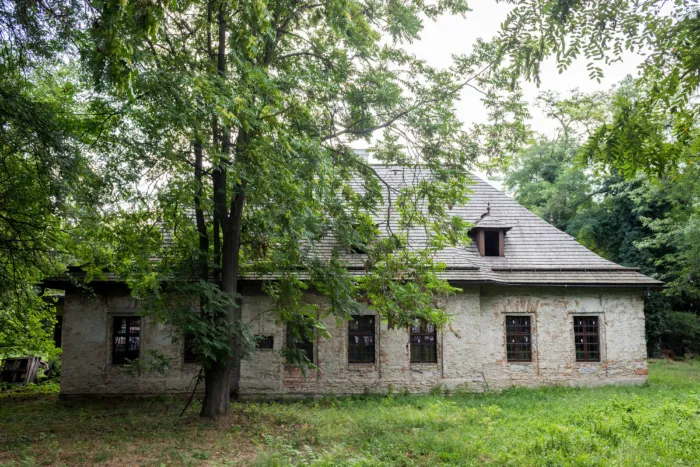
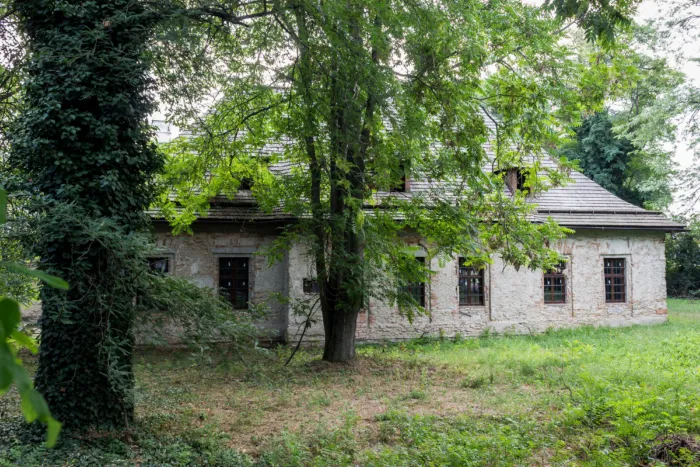
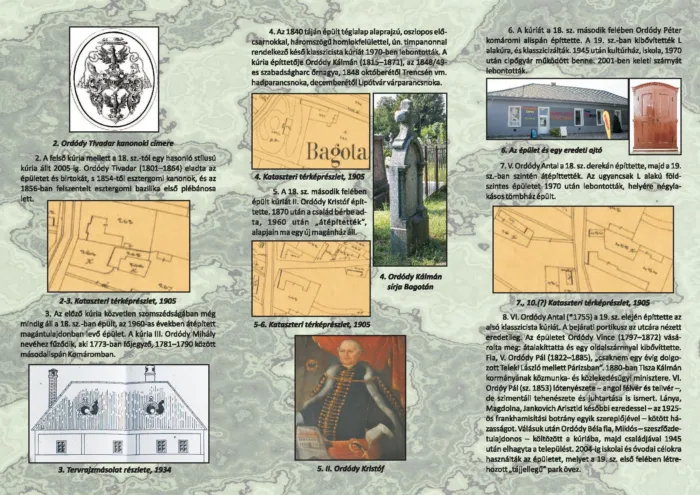
1. The upper Ordódy mansion was built in the middle of the 18th century. Today, the privately owned property has begun to be renovated according to the conditions of the late 19th century. The prominent personality of the mansion is Béla Ordódy (1856–1920), an architectural bookbinder, railway developer, and ministerial advisor. In 1912, he established a distillery, professional meadow irrigation in Bagota, and experimented with the cultivation of numerous cultivated plants. Of his seven children, István is an honorary lieutenant and a reserve hussar centurion in the Hungarian Army during World War I. Ferenc Kossuth was the godfather of Mária and Ilona. Mária (also), allegedly the 12th cousin of the Queen of England. The park was created around 1850. ; 2 Next to the upper mansion, a mansion in a similar style stood from the 18th century until 2005. Tivadar Ordódy (1801–1864) sold the building and its estate, and from 1854 he became a canon of Esztergom and the first parish priest of the Esztergom Basilica, consecrated in 1856. ; 3 In the immediate vicinity of the previous mansion, the privately owned building built in the 18th century and rebuilt in the 1960s still stands. The mansion is named after Mihály Ordódy III, who was a chief notary in 1773 and a sub-governor in Komárom between 1781 and 1790. ; 4 Built around 1840, it has a rectangular floor plan, a columned vestibule, a triangular front surface, the so-called The late classicist mansion with a tympanum was demolished in 1970. The mansion was built by Kálmán Ordódy (1815–1871), a major in the 1848/49 War of Independence, from October 1848 the commander of the Trenčín army, and from December the commander of the Lipótvár castle. ; 5. The mansion, built in the second half of the 18th century, was built by Kristóf Ordódy II. After 1870 the family rented it out, it was “rebuilt” after 1960, and a new private house now stands on its foundations. ; 6. The mansion was built in the second half of the 18th century by Péter Ordódy, the vice-governor of Komárom. In the 19th century it was expanded to an L-shape and classicized. After 1945 it housed a community center, a school, and after 1970 a shoe factory. In 2001, its eastern wing was demolished. ; 7. V. Ordódy Antal had it built in the middle of the 18th century, and then it was also rebuilt in the 19th century. The L-shaped ground-floor building was also demolished after 1970, and a four-apartment block of flats was built in its place. ; 8. VI. Ordódy Antal (*1755) had the lower classicist mansion built in the early 19th century. The entrance portico originally faced the street. The building was purchased by Vince Ordódy (1797–1872): he had it transformed and a side wing extended. His son, V. Ordódy Pál (1822–1885), “worked for almost a year with László Teleki in Paris”. In 1880, he was the Minister of Public Works and Transport in the government of Kálmán Tisza. VI. Pál Ordóy (b. 1853) is known for his horse breeding – English half-blood and thoroughbred – but also for his Simmental cattle farming and sheep farming. His daughter, Magdolna, married the later colonel Arisztid Jankovich – one of the actors in the 1925 franc counterfeiting scandal. After their divorce, Béla Ordódy’s son, Miklós – a distillery owner – moved into the mansion, and then left the settlement with his family after 1945. Until 2004, the building was used for school and kindergarten purposes, which was surrounded by a “landscape-style” park created in the first half of the 19th century. ; 9. Opposite the lower mansion, the 18th century manor house built by Antal V. Ordódy still stands today. a building built at the end of the 19th century, which served as accommodation for guests and for the estate manager, the manorial coachman, and later the driver. ; 10. The mansion of the noble-born teacher, Emil Michalovics, was built in 1926 on the site of a building on the former Ordódy plot (or with reconstruction?). ; 11. Opposite the upper mansion stood the apartment built by István Ordódy for the estate manager from the second half of the 19th century. In 1869, the manorial gardener lived in it. It was damaged around 1940 (attack by an anti-tank missile?), and was demolished after 1945. The courtyard was adorned with a well and a blackberry tree.