

The Sklabonya sour water spring
Other - other
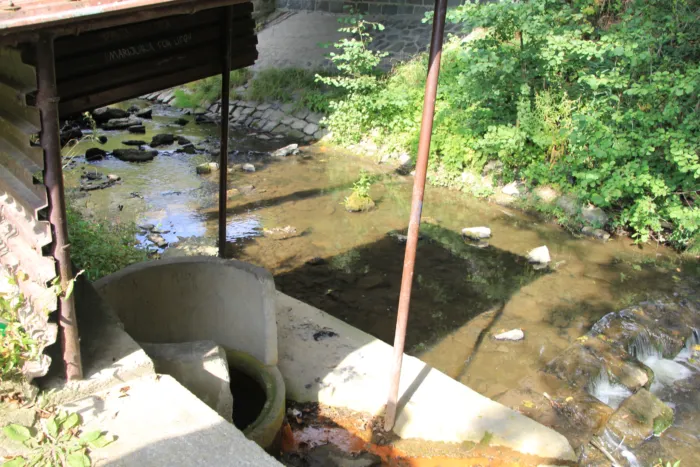
“…The people of Bodok have something to brag about with their sour water! It is true that it is strong water, it stuns sparrows and swallows if they do not fly high above it…” ; Where Did Magda Gál Go?, 1882 ; ; Bodok is the name of the quiet little village of Mikszáth, Szklabonya, in the writer’s short stories. And sour water is the local name for csevice. The people of Szklabonya love their water, and they still drink it today in the same way as they did then, with the difference that today it is not poured into clay jugs, but into plastic bottles. The spring and the story described in the short story “Where Did Magda Gál Go?” cannot be connected to any known event. However, in thought, Szklabonya, the spring, Kálmán Mikszáth and life at that time here along the Ipoly are very well connected. ; ; “Let us now stop for a moment at the aforementioned sour well, i.e. the csivice. “Kálmán particularly loved this little well - writes Ilona Mauks in her memoirs -when we got there, he sat down on the well ledge, and he could not have been happier than when I brought out my little drinking glass with a handle from my pocket. Then he drew up a bucket of water and sipped it from the glass like some heavenly nectar. What else could I do? I drank from it for his sake, but it was really very bad. “ (p. 114); However, at this sour well, not only could one take good drinking cures and gain a kind of healing, but other things also happened. Love affairs, for example, and acts that pushed the girls of Sklabonya into corruption. And this made the morality of the local white people strange. As Mikszáth writes: “The morality of the white people here is as thin as a rustling reed, its crown is bent, its roots are lost in a swamp. And I will prove to you that the only reason for this is that well. Dressed in fancy clothes, in crisp skirts, they pass by like peacocks, pointed, flirtatious, with arrows in their eyes. The devil is the one who walks this road for a year or two.” (Where did Magda Gál go?)”