
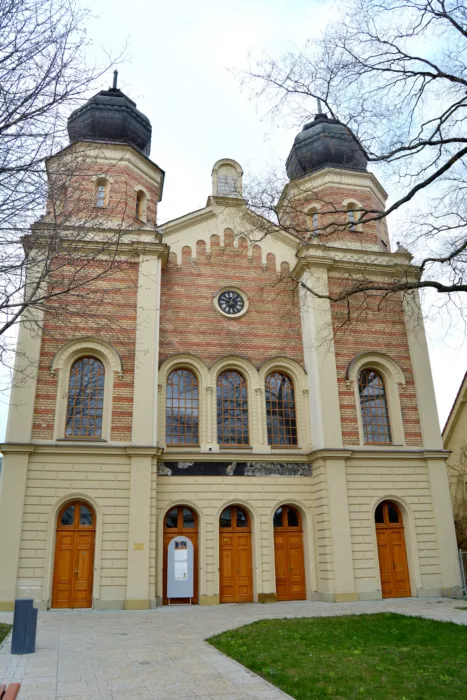
Synagogue status quo ante in Nagyszombat
Building, structure
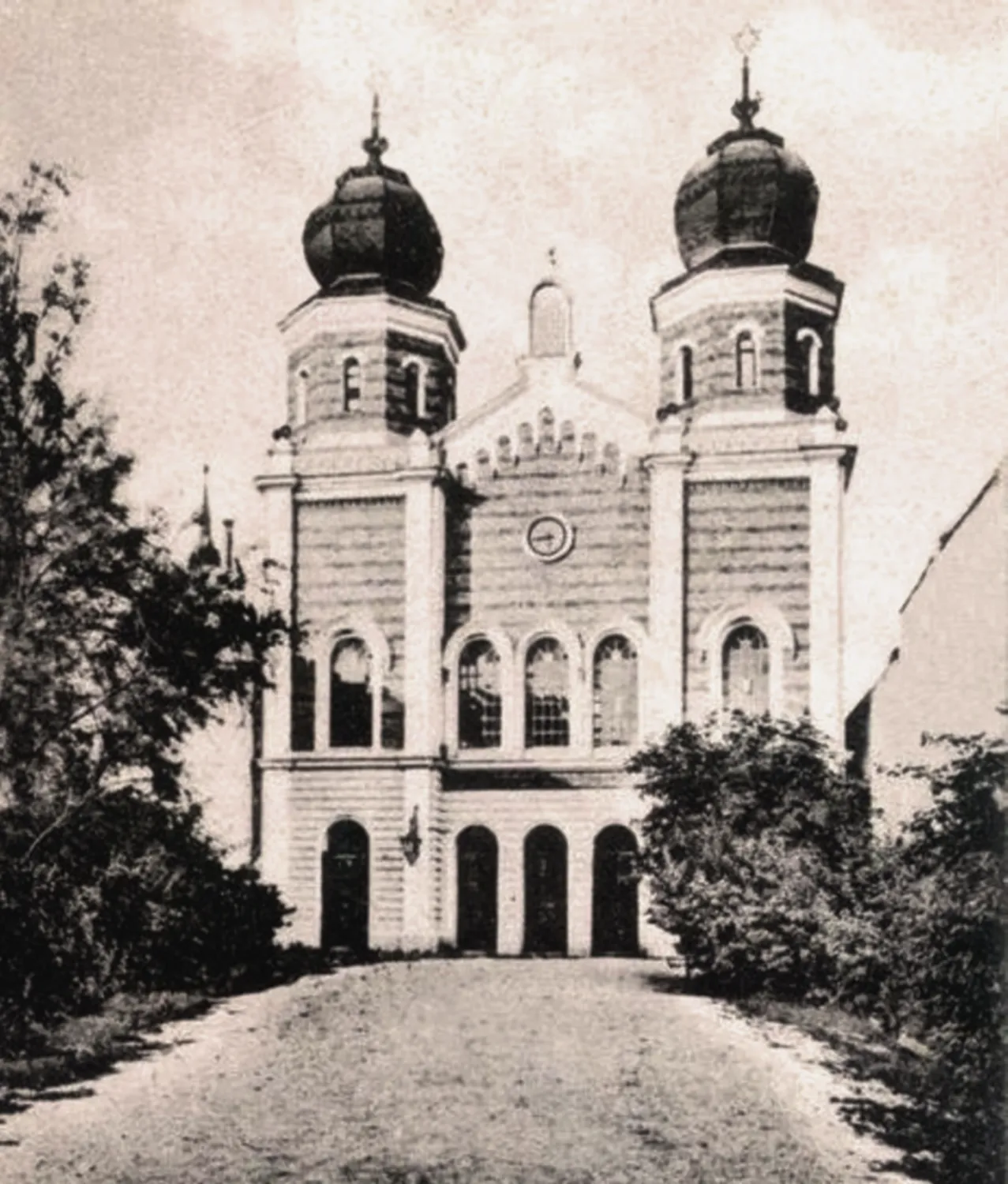
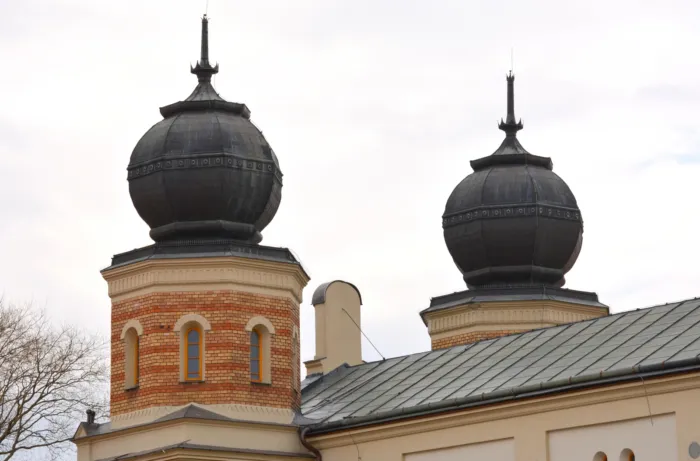
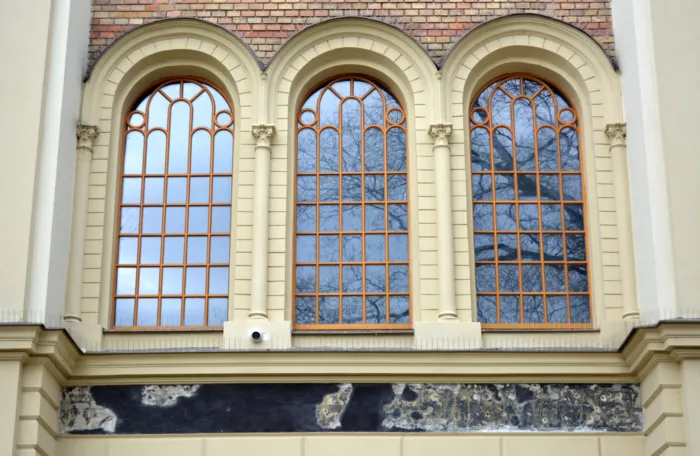
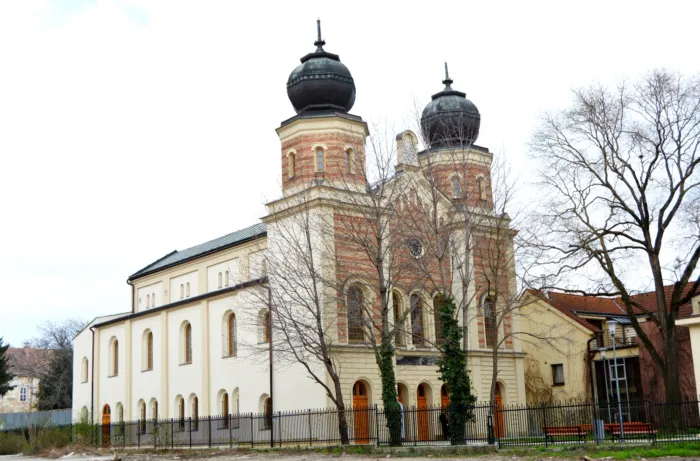
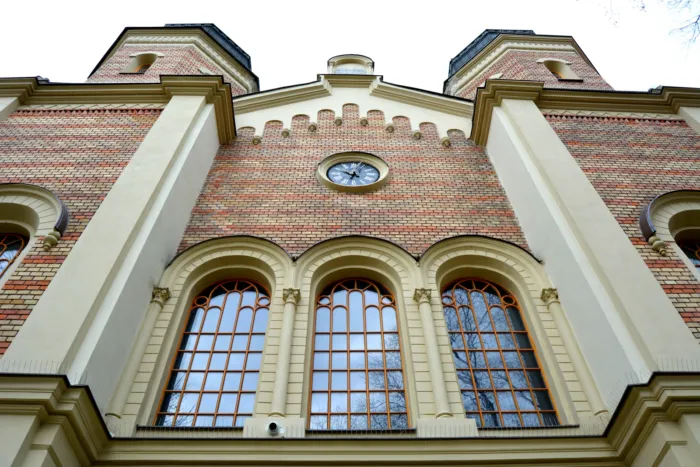
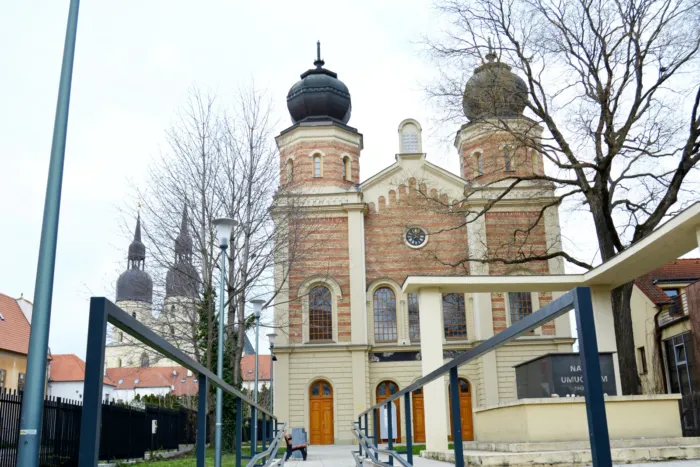
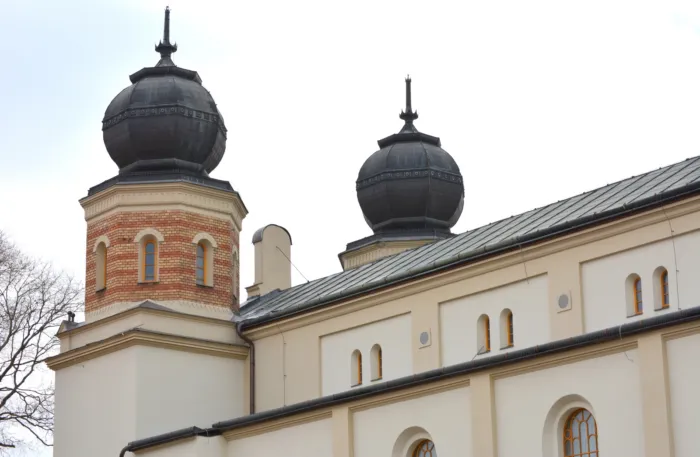
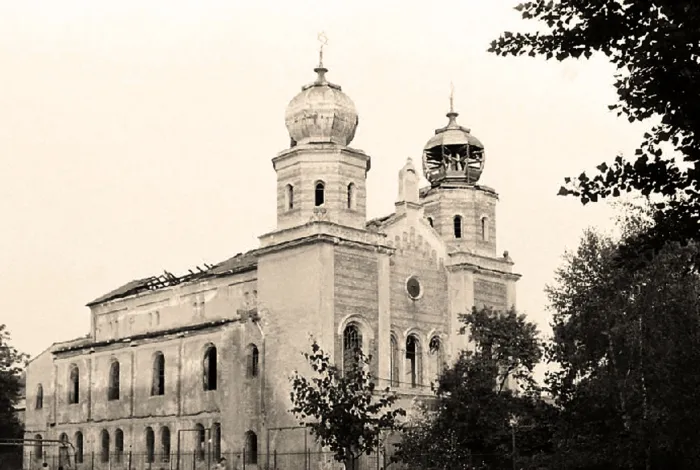
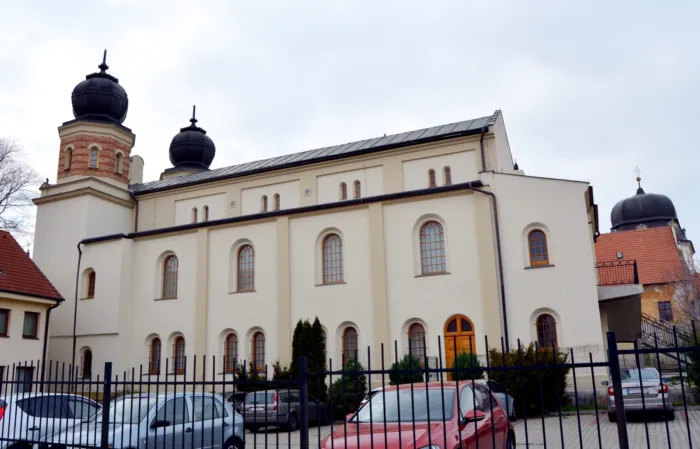
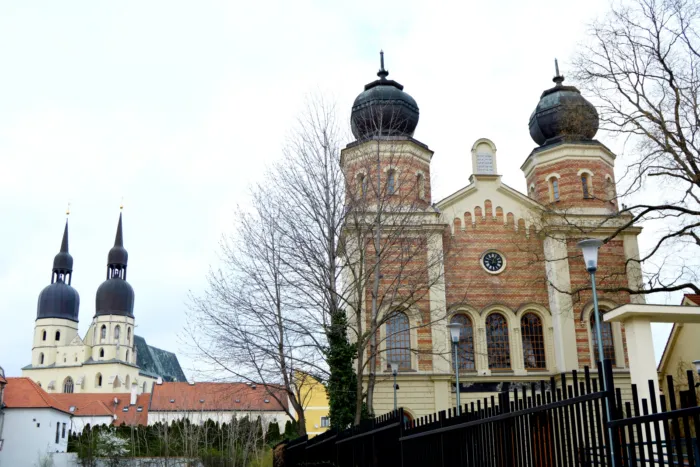
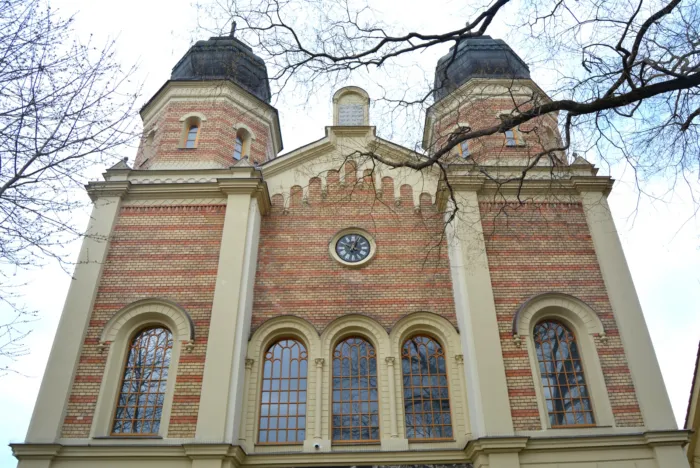
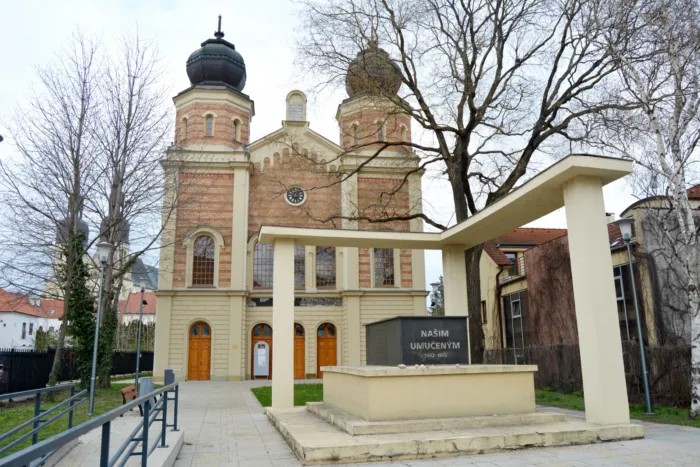
One of the oldest Jewish communities in Hungary settled in medieval Nagyszombat in the 14th century, but they were banned from the city from the 15th century and were only allowed to return in the 18th century. In the city center, there are also two synagogues built in the 19th century, right next to each other. The one to the north is larger, built by the status quo ante Jewish community in 1897, according to the plans of the Austrian architect Jakub Gärtner. The main facade of the building, built of red and yellow bricks and incorporating oriental style elements, is on the west, where the main entrance opens and which is dominated by onion-domed towers rising on two sides. Inside the building, separate upstairs galleries served to accommodate women, while men could sit on the ground floor. ; The building is now managed by the Museum of Slovak Jewish Culture of the Slovak National Museum. An exhibition presenting the history and culture of the Jews can be visited in the upstairs gallery. The building was deliberately not renovated spectacularly inside or out. Its frescoes and furnishings were only conserved in their worn state, thus enhancing the museum's memento character.