
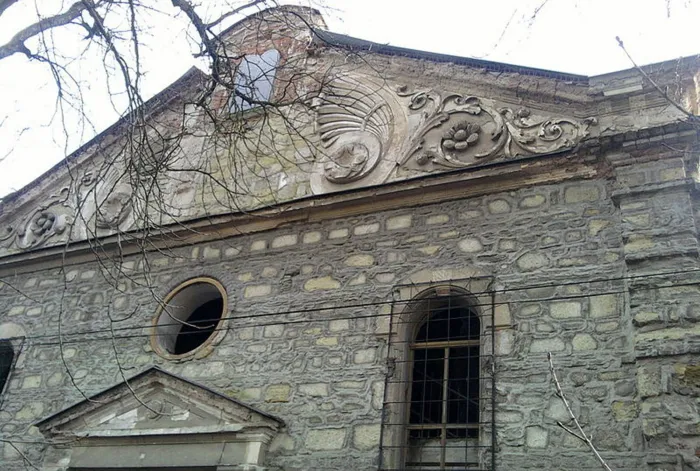
Synagogue in Levant
Building, structure
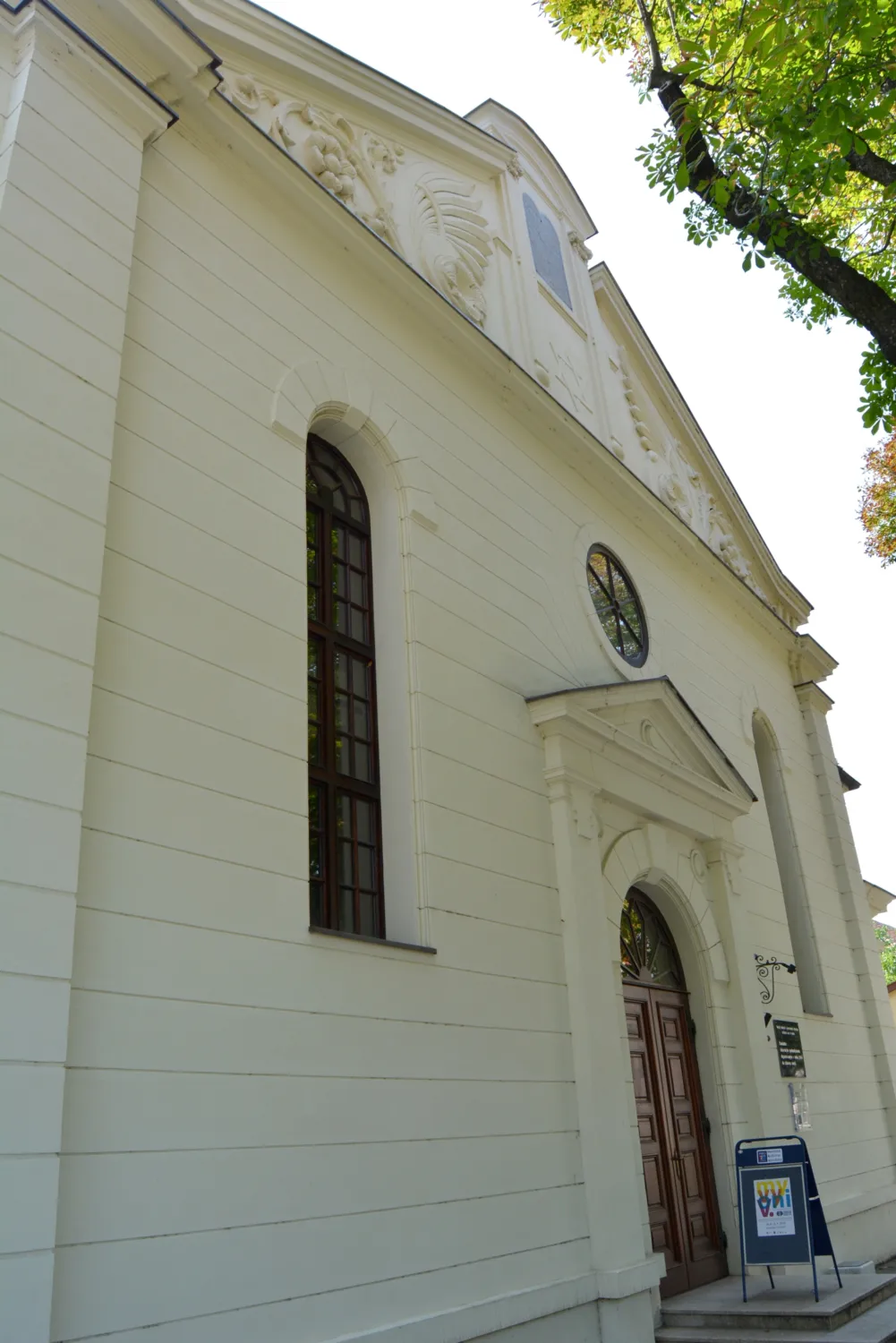
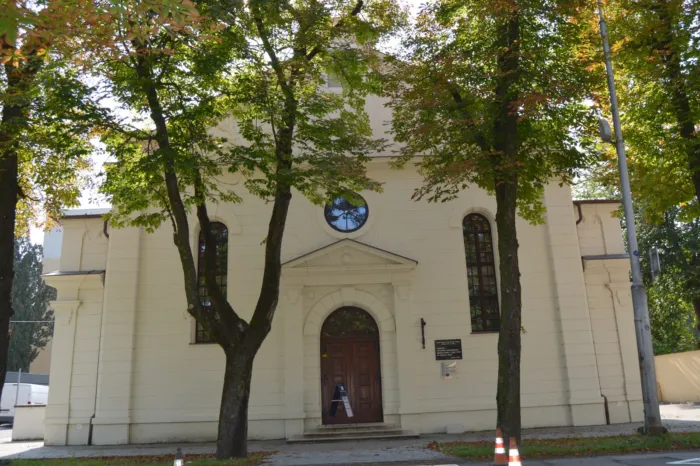
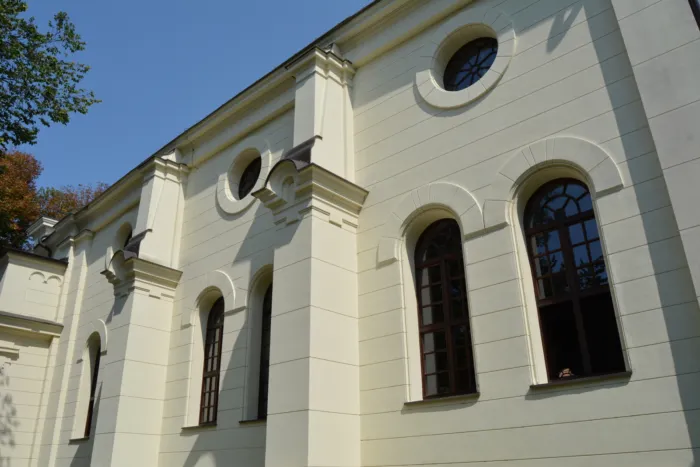
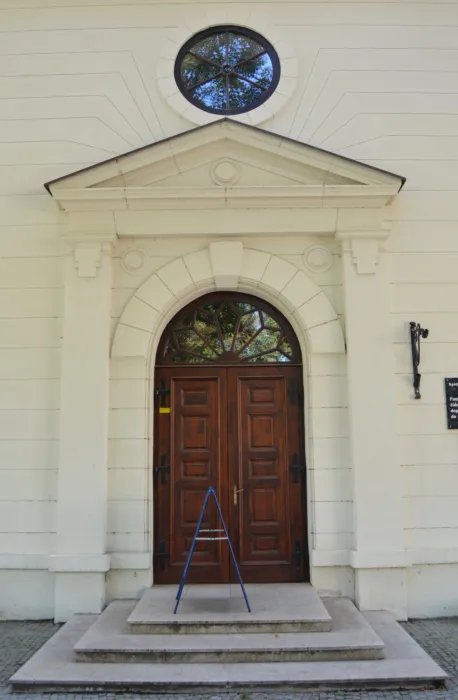
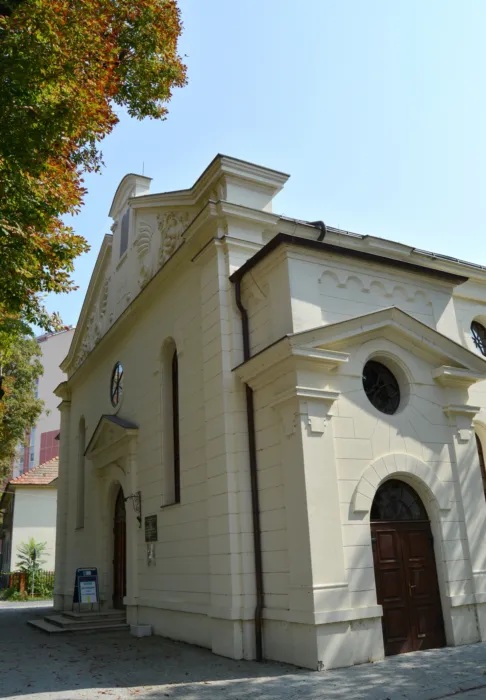
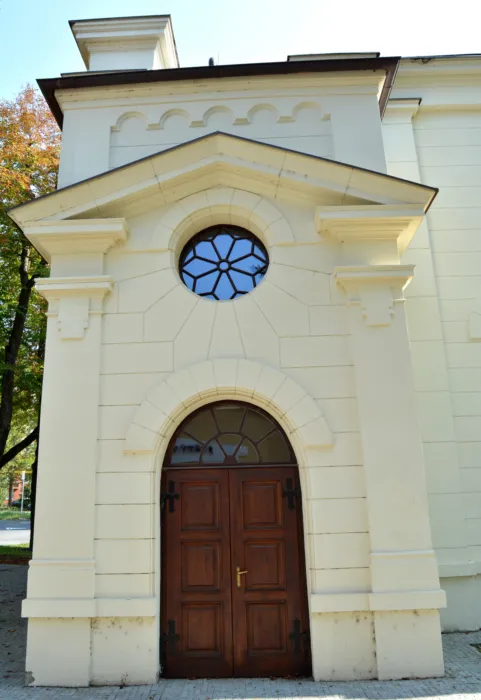
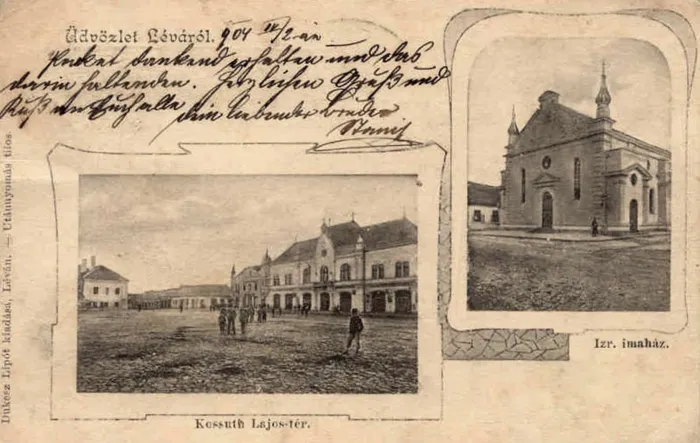
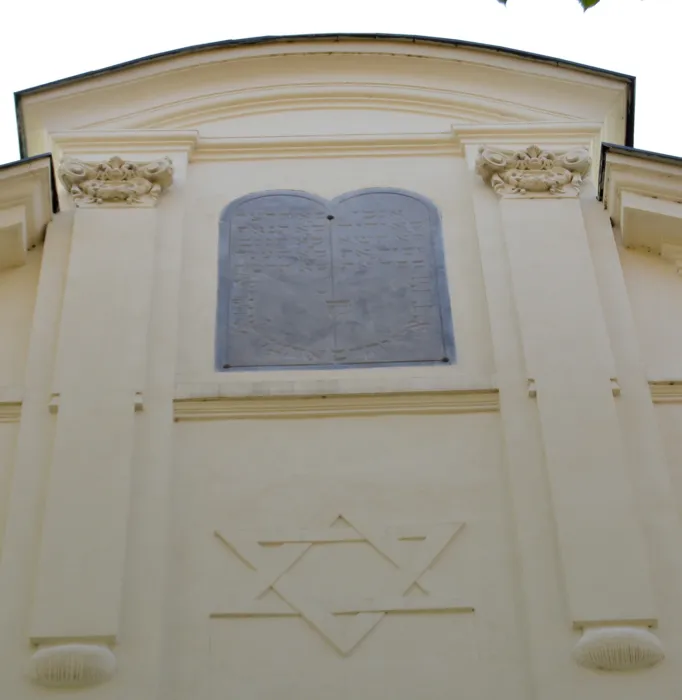
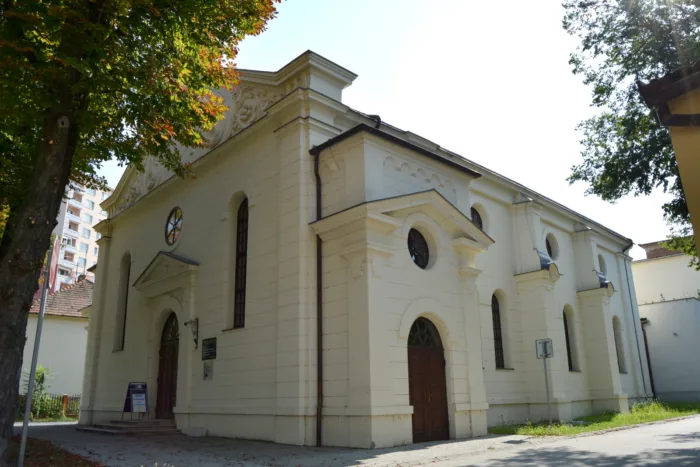
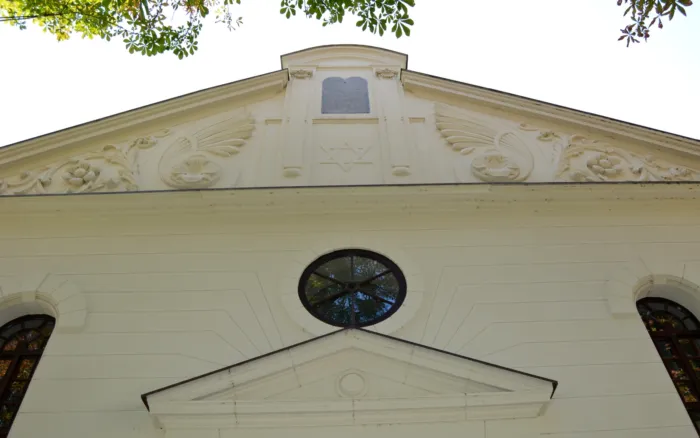
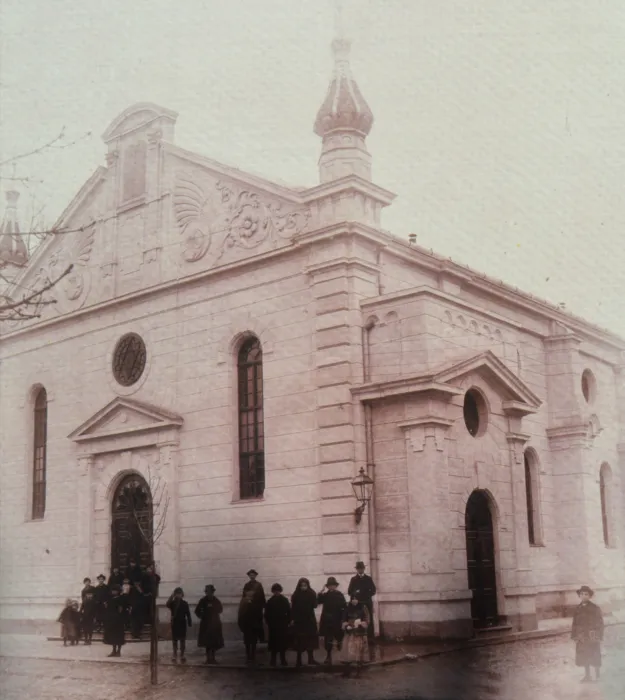
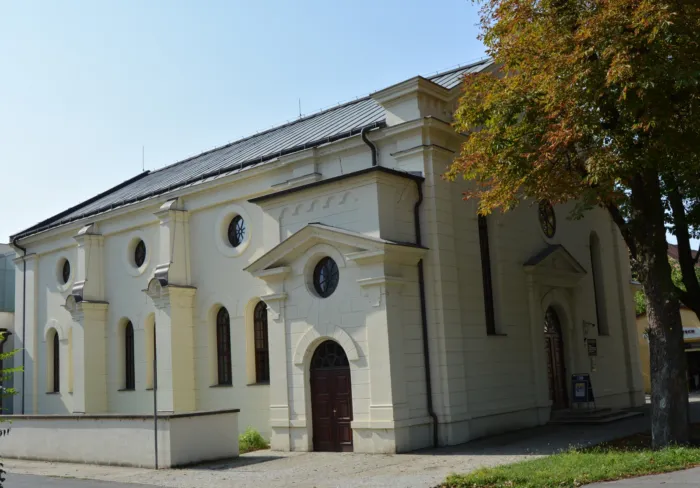
The first written mention of Jews in Levain dates back to 1713. However, the mass settlement of Jews can only be dated to the 1930s. In 1840, the first parish and Jewish school were founded. Two years later, the Jews of Levain applied to the authorities to designate a place for their cemetery. ; In 1848, there were 100 Jewish residents in Levain. At the turn of the 19th and 20th centuries, Jews made up about 15% of Levain's population (in 1880, there were 903). Nearly half of the Jews worked in trade, one-fifth were industrialists and craftsmen, the rest were excellent lawyers, officials, bankers, doctors, teachers, and artists. ; A sad chapter in the city's history was the so-called Final Solution to the Jewish Question, during World War II. After the German occupation of Hungary (Léva was also part of Hungary) in 1944, the Jews of Léva were also forced into a ghetto. They were deported to the barracks, then to the Jewish school and the tobacco factory warehouse, where they awaited the wagons transporting them to Auschwitz or other concentration camps. After the war, barely three hundred returned home, all of them sick. Most of them had nowhere to go, and were left without family or shelter. Many, fearing further trials, emigrated to Israel, the newly formed Jewish state, in the hope of a better future. Those who remained at home gradually renewed the activities of the significantly diminished religious community. ; The synagogue is a romantic-classicist building, built in 1853. The reliquary - Aron ha kodes - was placed on the eastern wall facing Jerusalem in 1857, and the Torah scrolls were placed in it. The Jewish school was built next to it. Later, it became apparent that the synagogue was not up to the growing number of the congregation, so it was enlarged and renovated. In 1854, the school also received a new, modern building, and a ritual bath (mikveh) was built for the Jews of Leva. At that time, the facade of the synagogue had two small obelisks and onion-domed towers. Later, the obelisks were removed. The facade was richly decorated with reliefs, above which a marble slab with the Hebrew text of God's commandments was placed. ; ; After the war, the synagogue, which was in a dilapidated state, served its purpose until 1967, when the community sold it to the state. After that, it held its meetings in the prayer house on Lakatos Street, but this was later demolished as well. The synagogue was used to store furniture until the change of regime, and in 1991 it became the property of the city, which renovated it in 2010-2012 with EU funds. ; Today it hosts concerts, exhibitions and similar cultural events.