
Synagogue in Gács
Building, structure
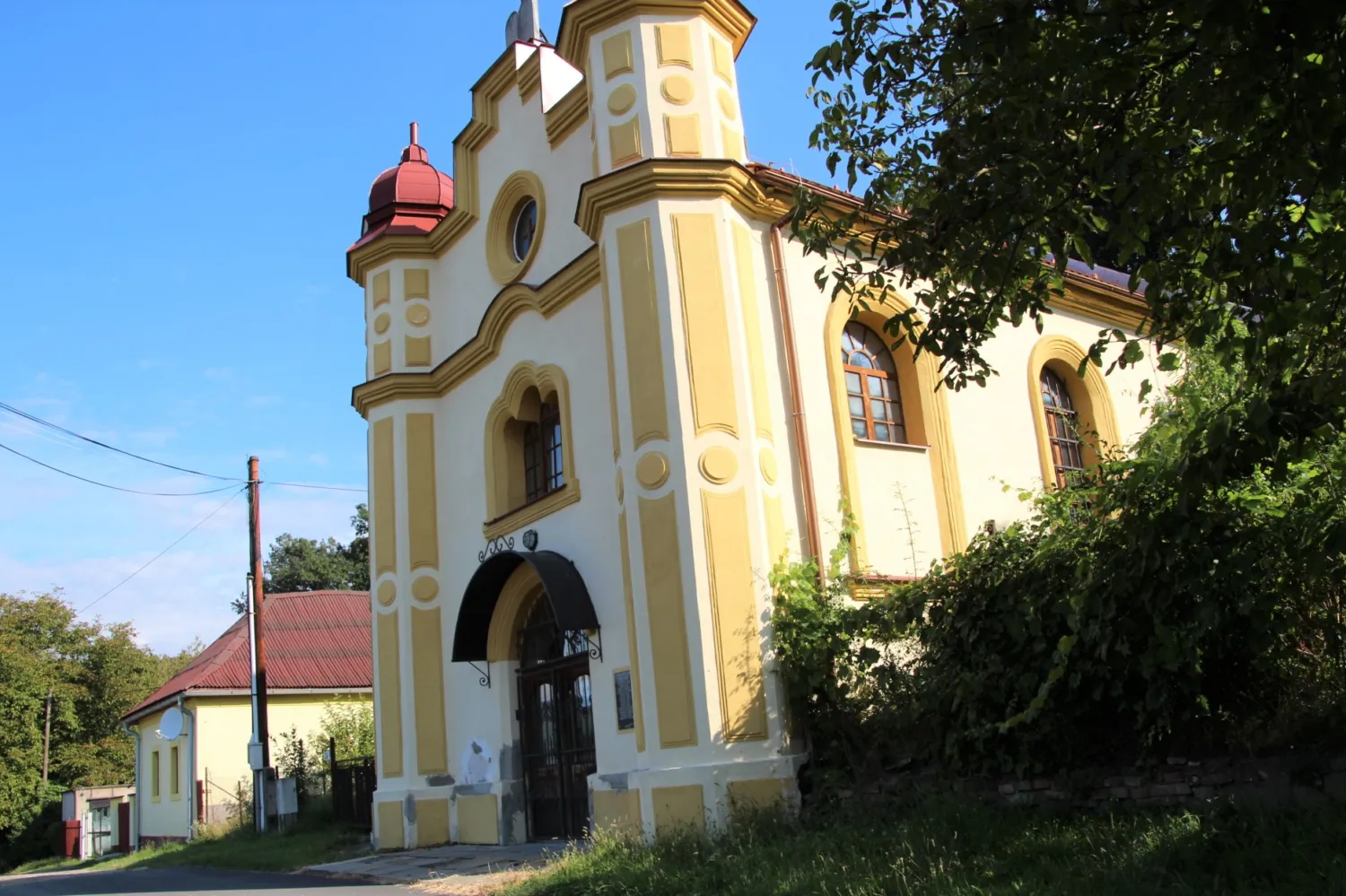
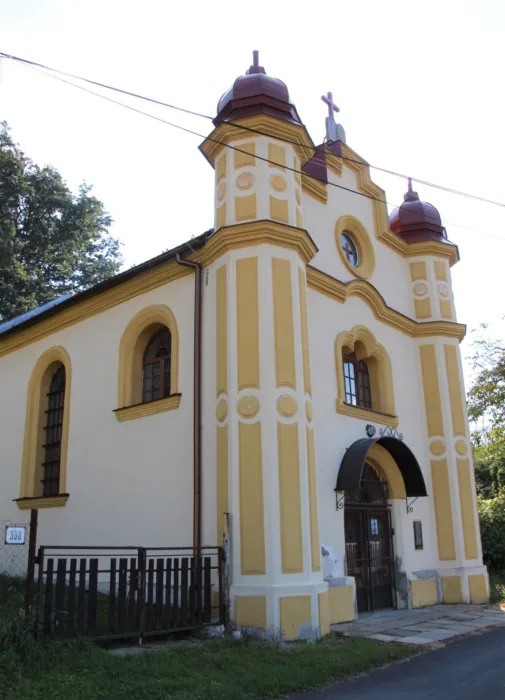
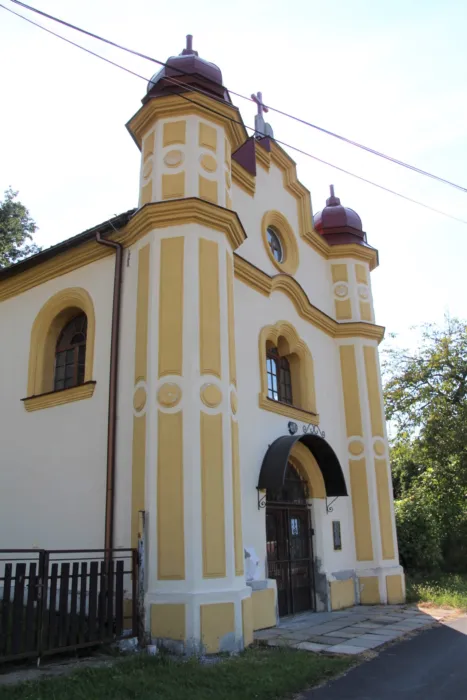
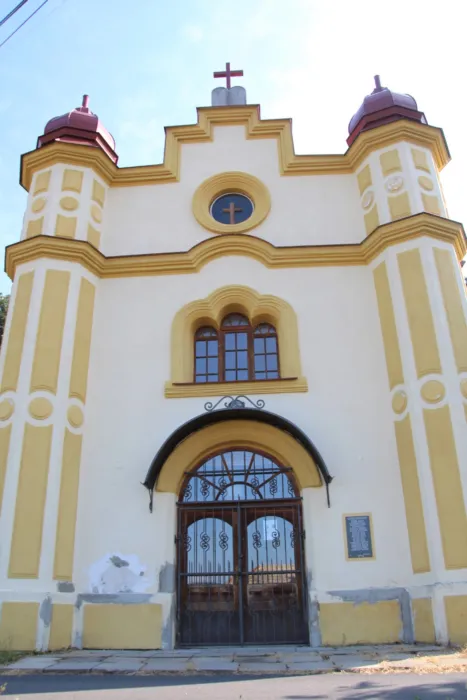
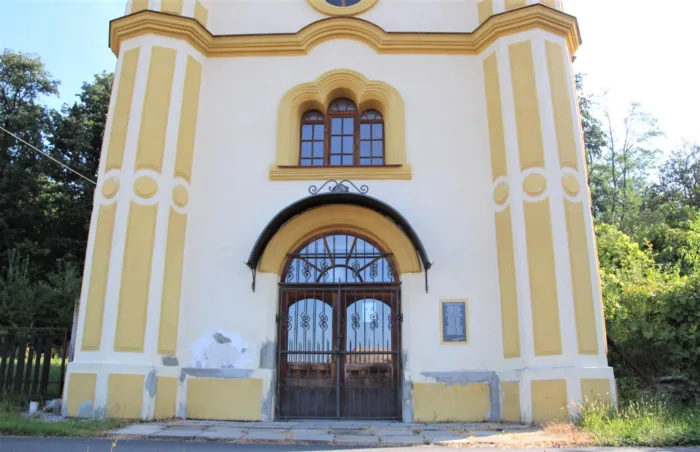
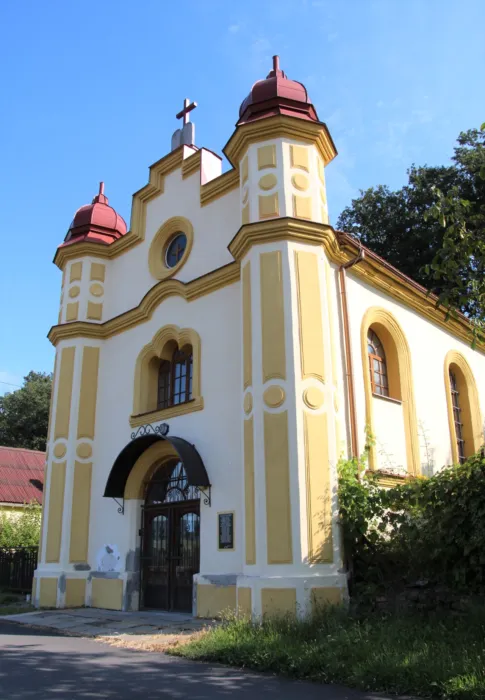
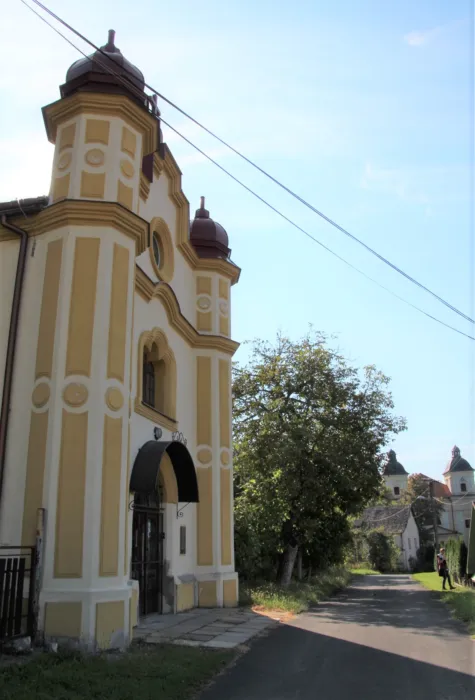
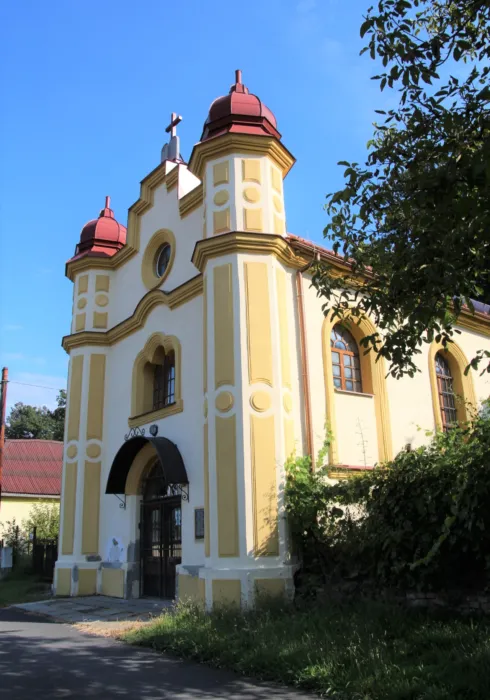
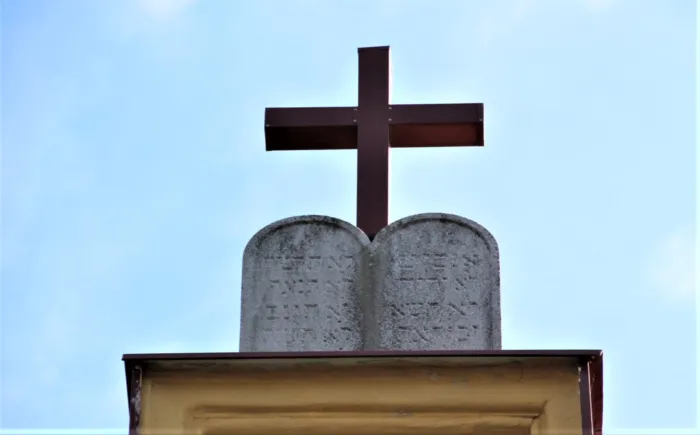
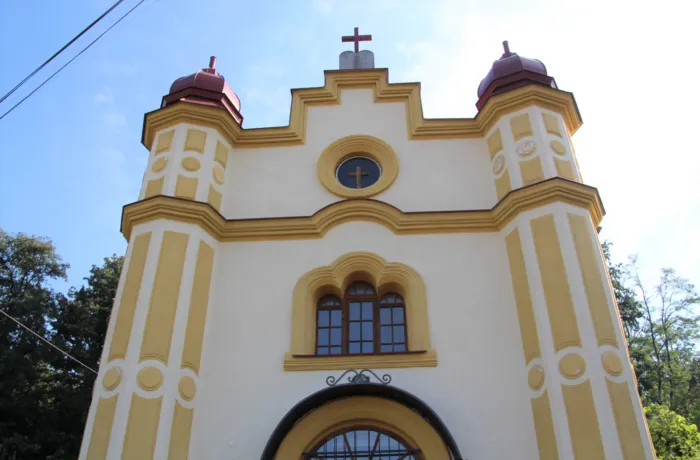
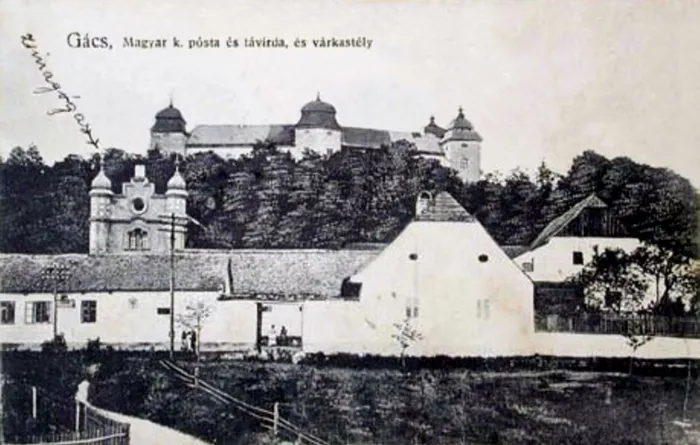
If we head from the renovated central square of Gács towards the castle park, then on the promenade under the castle hill and then on the street, a renovated building, glowing yellow from afar, catches our eye on the right. The building, with its not-too-high, decorated facade, blends in with the surrounding residential buildings. From its decorative elements, its two turrets, the open book containing the Ten Commandments placed between them, and its windows, it is obvious at first glance that it once served the local, not too large Jewish community. ; Today, strangely enough, we also see a cross on the top. After World War II, the abandoned building, which was used for everything and was cared for like its fellows, deteriorated rapidly. However, the building, which was almost crumbling and owned by the Bánya Biszterce district municipality, did not meet the usual fate: it was not demolished. The local Lutheran parish of approx. 260 people bought it for its own purposes at the beginning of this century. The German Evangelical Church helped with nearly 10 thousand EUR in its renovation, and the local government contributed 200,000 Sk. The religious community raised nearly 1 million Sk. The church was consecrated in 2009. ; The handover of the synagogue took place in an exceptionally solemn setting, which day was made a holiday and a public holiday, and the majority of the Jewish and non-Jewish religious communities in the area – including Losonc – were represented on that day. ; The consecration of the Jewish church (synagogue) on September 5, 1890 was a Gács holiday. It was built by Ede Sticker (1824-1897), the then owner of the Gács cloth factory, who celebrated the 25th anniversary of his marriage with this celebration. He is credited with introducing cloth manufacturing to Hungary. He died in Budapest on June 5, 1897 after a long illness. He is buried in the Jewish cemetery on Kerepesi Street in Budapest. In addition to the delegation of the Gács cloth factory, Zsigmond Miessl, a Catholic priest, also attended his funeral. ; The plot of land for the synagogue was provided by Károly Weisz, the Gács prefect. ; “The celebration was uplifting. The stranger coming to Gács was pleasantly surprised that the people of Gács considered it a general holiday, everyone in the village was in festive clothes, the shops were closed, the fire department was in uniform, here were girls in white dresses, there were directors in top hats and tailcoats, they already suspected that everything would go according to plan here” – Losoncz és Vidéke reported on the event. ; Nógrádi Lapok and Honti Híradó only highlighted the local Antalné Forgách, while Losoncz és Vidéke published a significantly more extensive list of names. Both newspapers noted that the event was attended by “all the intelligentsia of Gács and many from the Losonc and Gács area”. ; The ceremony was led in Hungarian by Tóbiás Rosenthal, the district rabbi. The church was opened by Count Antalné Forgách. ; The rabbi’s apartment originally stood in the back of the churchyard, but it was completely destroyed over time. ; The Jewish cemetery was established next to the main road leading to Ógács, opposite the village cemetery, which the local government restored and has been taking care of ever since. It is small in area, and burials were probably first held here in the second half of the 19th century. Traces of vandalism are noticeable. Several tombstones were stolen.