
Synagogue
Building, structure
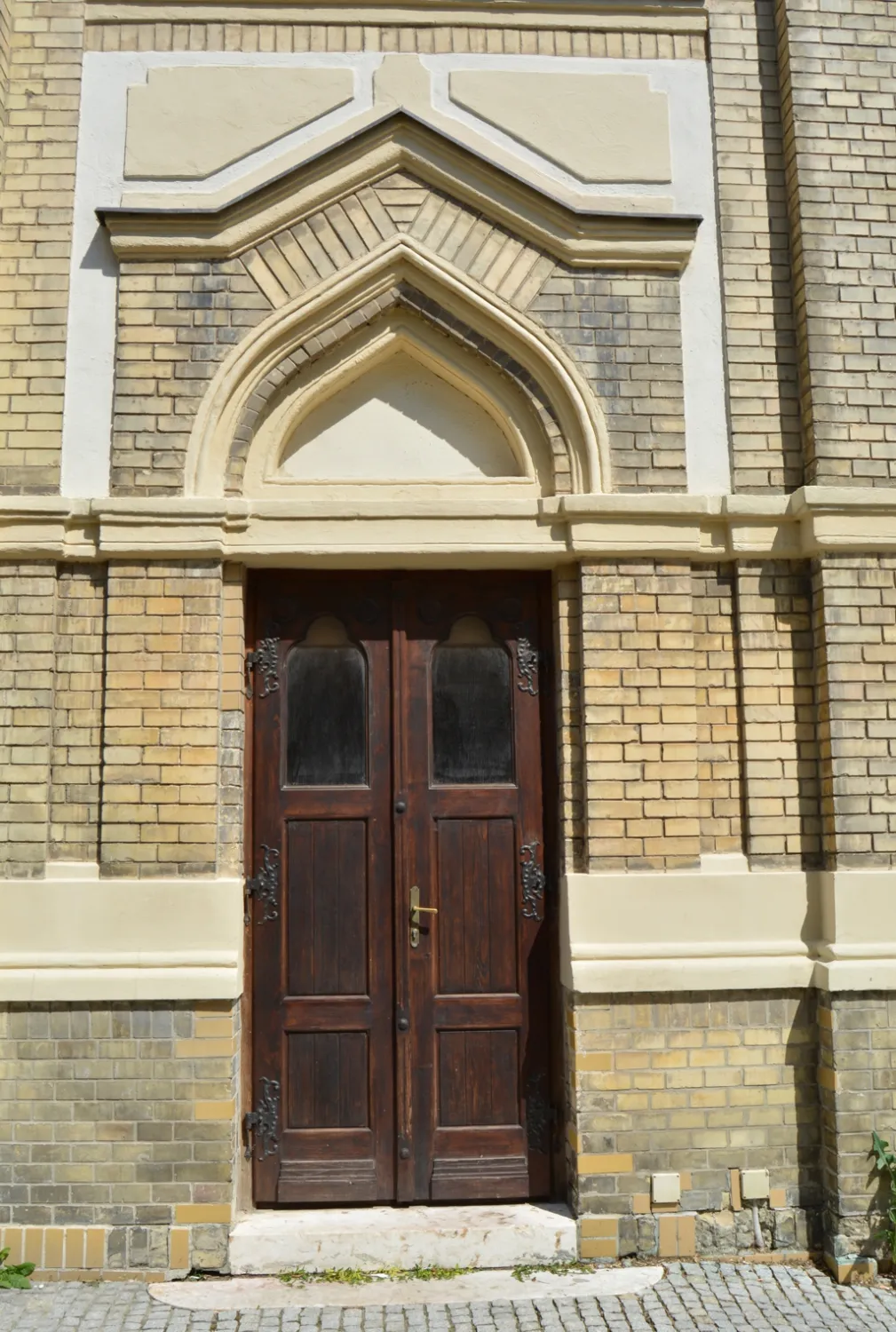
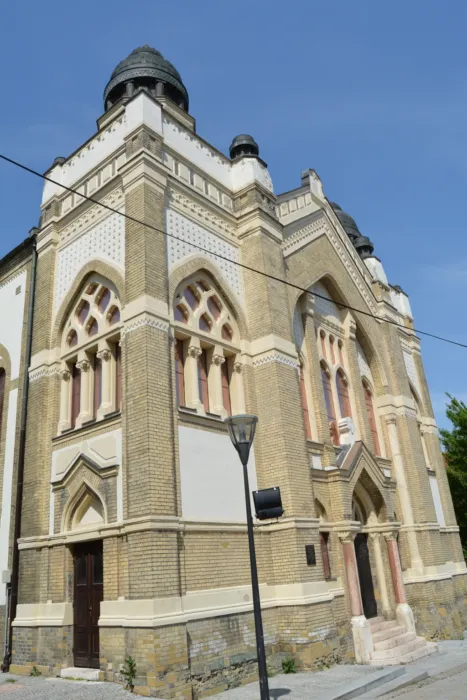
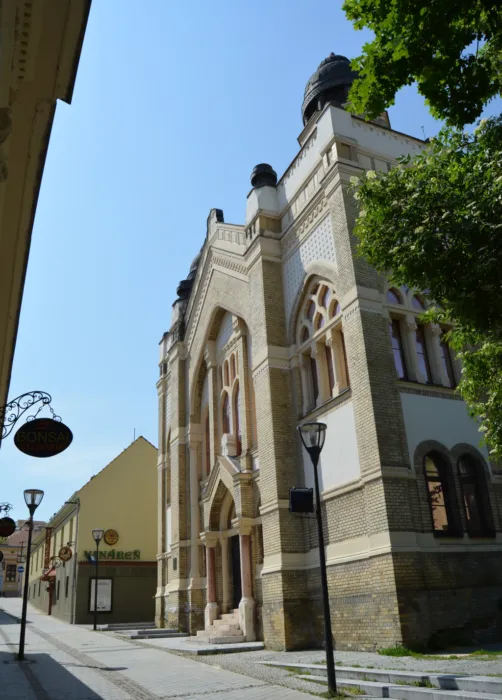
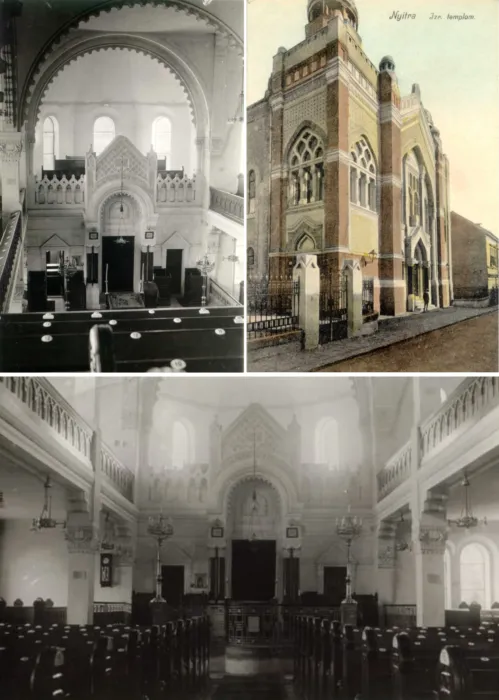
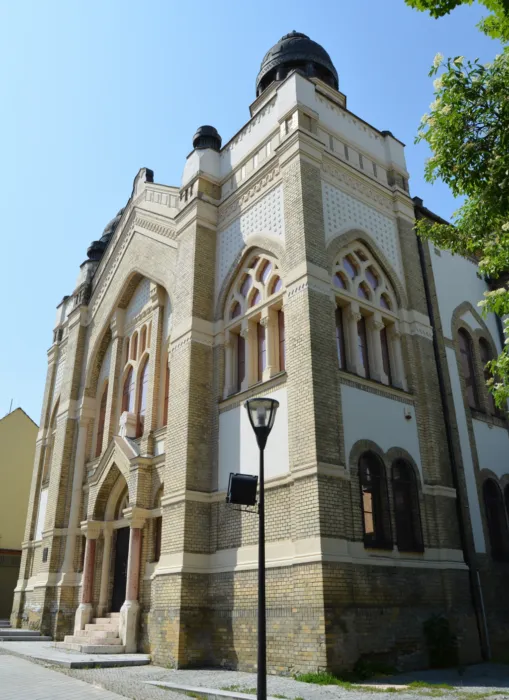
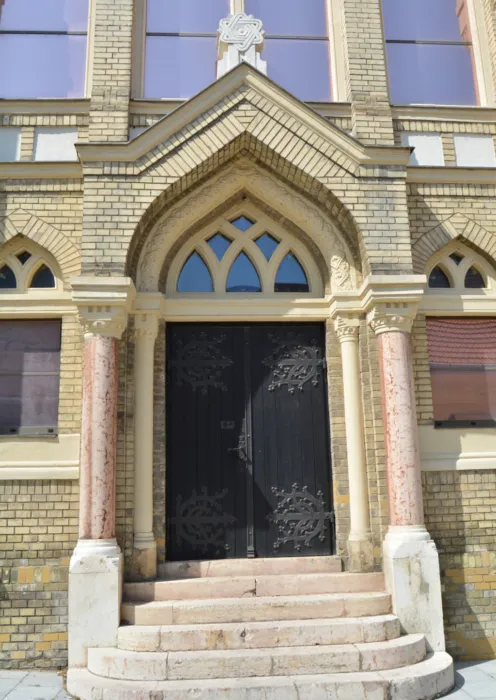
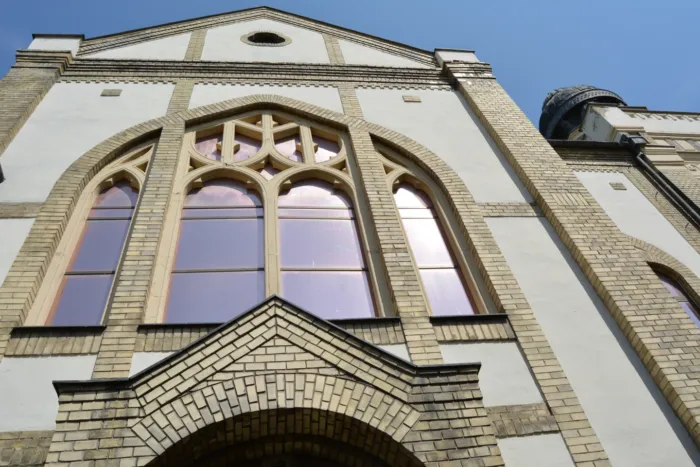
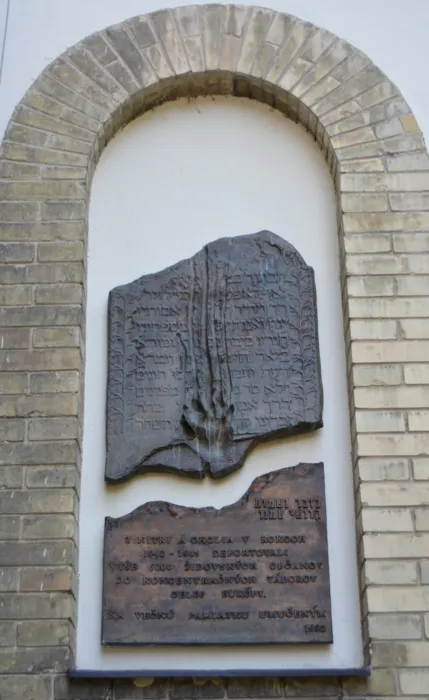
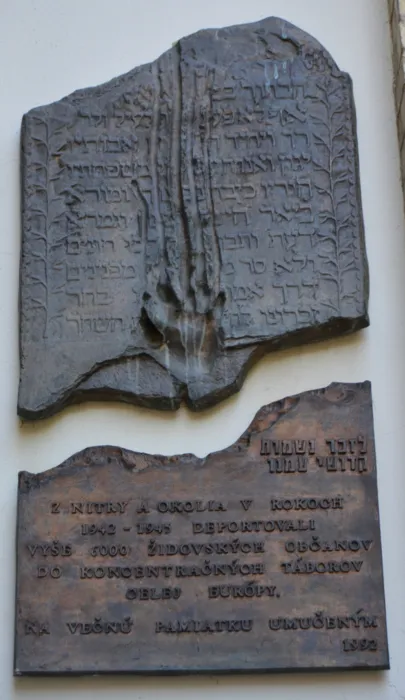
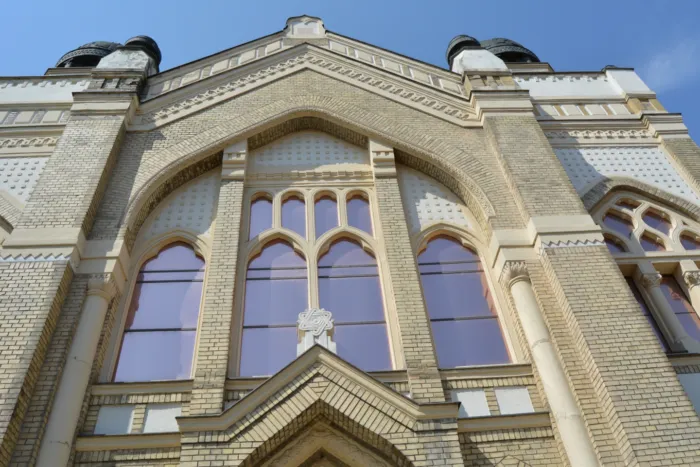
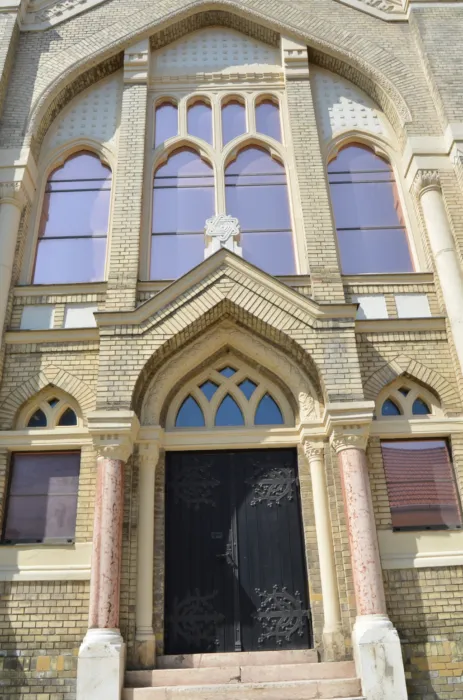
On September 19, 1911, on the Jewish New Year, the neolog synagogue in Nitra was dedicated, which was built according to the plans of the local Jewish community, Lipót Baumhorn (1860-1932). The renowned architect designed several synagogues in Hungary, his creations include the ones in Szeged and Újvidék, the Jewish prayer house in Losonc, Temesvár or Trenčín. ; When the Jewish community in Nitra had the lavishly decorated synagogue, combining Byzantine and Moorish styles, built, it already constituted twenty-two percent of the local population – the city had about 17 thousand inhabitants after the turn of the century, of which 3,600 were Jews. The social influence of the Jews was even more significant than their numerical proportion, as a significant part of them were engaged in trade. It was this stratum that urged the spread of the less strict neolog trend and the construction of the new synagogue. The foundation stone of the building was laid on July 12, 1910, and the work lasted only a year. In this sanctuary built in the center of the city, the rabbi spoke to the congregation not only in Hebrew, but also in Hungarian and German, the believers sang together and women could mingle with the men. Lipót Baumhorn designed an imposing, 16-meter-high dome for Nyitra, and the 620-square-meter building could accommodate 500 people. The construction of the church was largely financed by the large entrepreneur József Engel and his wife, but other Jewish families also contributed significantly, their names are preserved on the plaque next to the entrance. According to the understanding of the time, the synagogue was not only a house of prayer, but also a school, a community place and a place for making important decisions, where respected members of the religious community met. The Jews of Nitra only used the synagogue for six decades, the last service was held in the building in the early 1970s. By then, the community, which once numbered several thousand, had dwindled to such an extent that it could no longer maintain the house of prayer. In 1938, following the Vienna decision, there were 4,443 Jews in the city, of whom 210 members of 95 families were deported to the annexed territories, those who could not prove their Slovak residency. This was followed by the liquidation of Jewish-owned businesses, a total of 537 companies in Nitra were closed down and 269 were Aryanized – the latter had an annual turnover of 184 million Slovak crowns. The deportations to the death camps began on March 26, 1942 – 22 young men were taken away then. They were followed on March 30 by 121 women between the ages of 16 and 30, and in April, a total of 3,000 people were deported in three freight trains. Their furniture and valuables were auctioned off in the barracks under Zobor, and the Jewish quarter on Pár Street was emptied. The last wagons left the Nitra railway station in October 1942 – in the space of six months, a total of 3,457 Jews were deported from the city, and barely ten percent of them returned. ; Today, there is a Jewish community of about 25 people in Nitra, but there were years when there were not enough people to hold services or funerals without outside help. The community handed over the synagogue to the city in 1983. The renovation took twenty years and cost 780,000 euros; first the roof covering was replaced, then the interior and facade were repaired. The decoration depicting geometric and plant motifs was preserved, and the hanging chandeliers in the inner hall are also copies of the original light fixtures. It opened to the public in 2003, and today serves exclusively cultural purposes, hosting concerts and exhibitions. It houses several permanent exhibitions of the Museum of Jewish Culture: ; • The Fate of the Slovak Jews ; • Exhibition of Shrag Weil (a prominent Israeli artist, a native of Nitra, an honorary citizen of the city)