
Zsigra Holy Spirit Parish Church
Building, structure
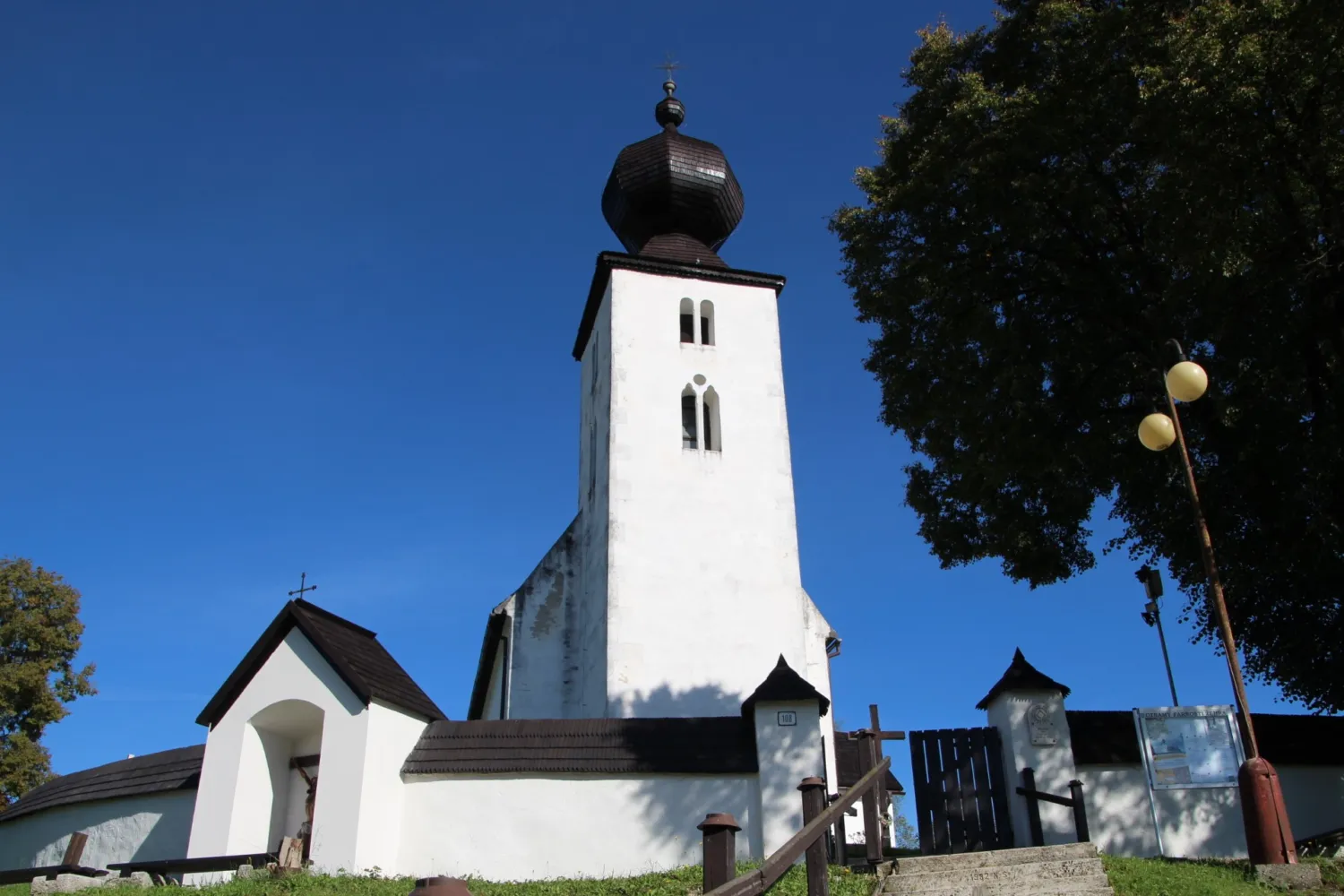
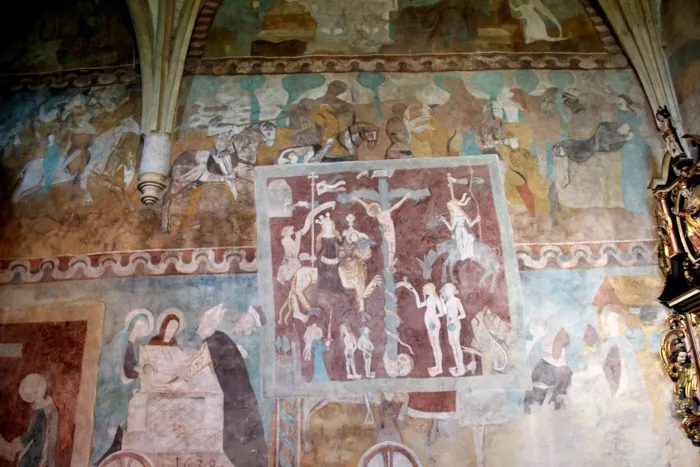
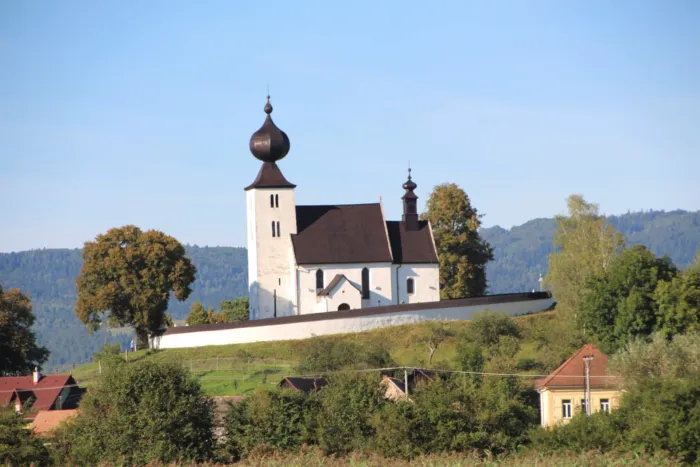
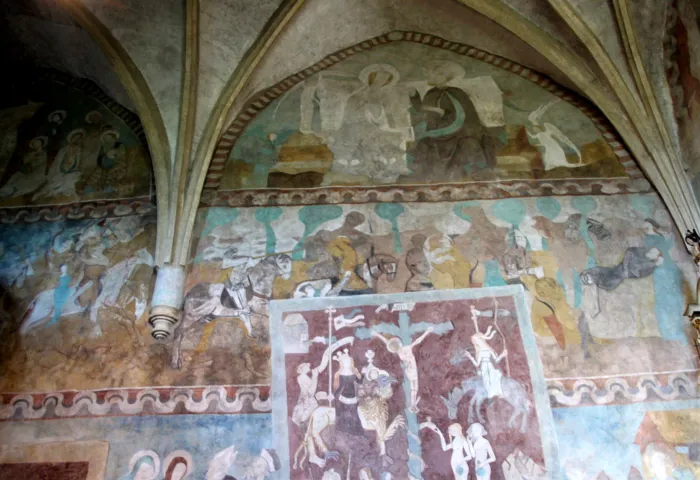
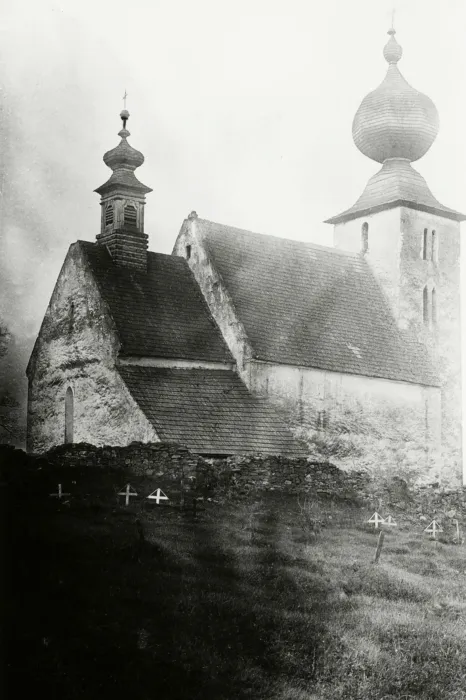
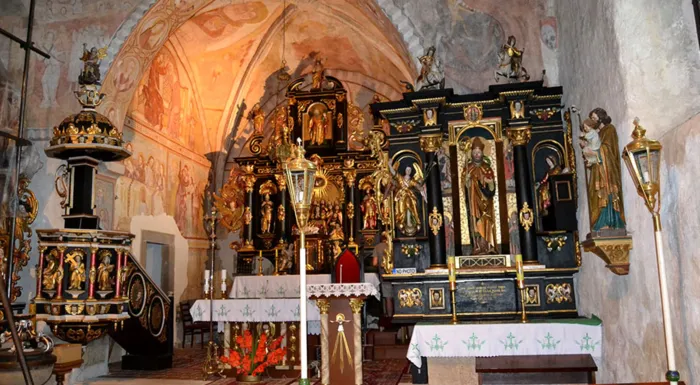
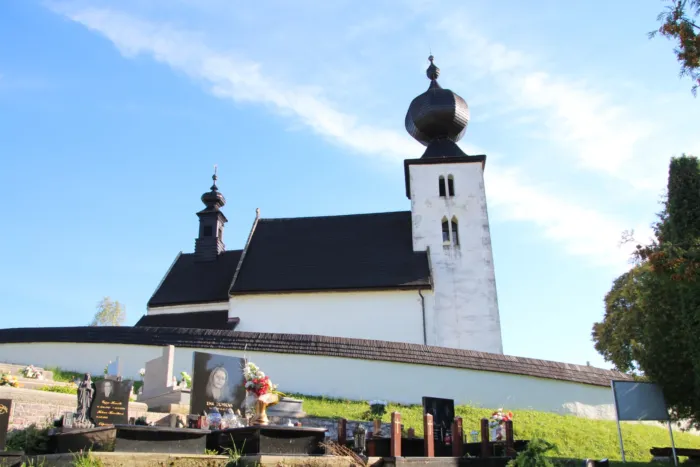
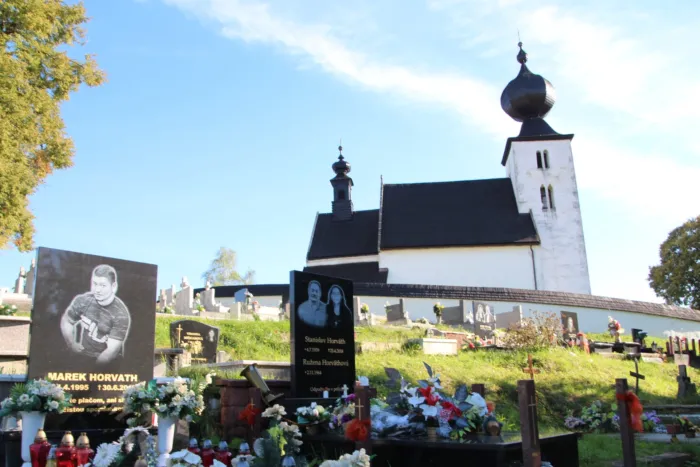
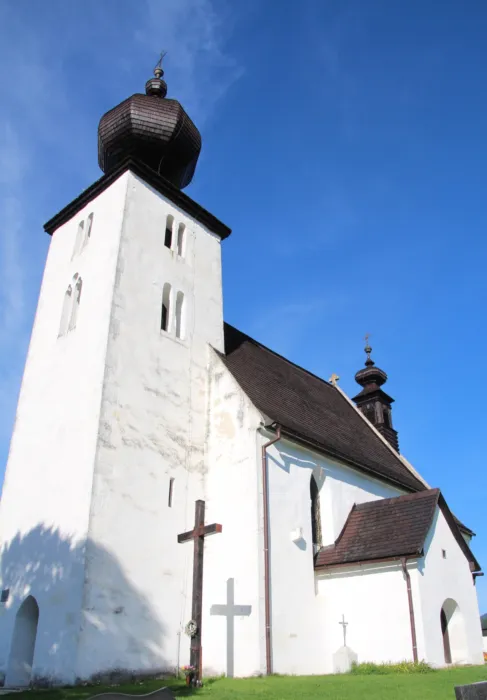
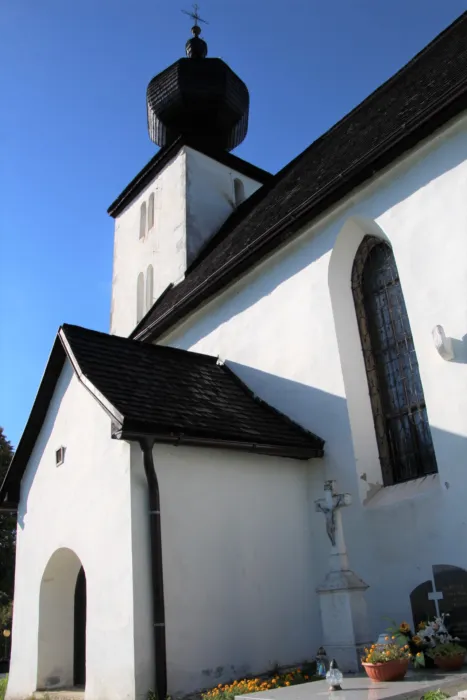
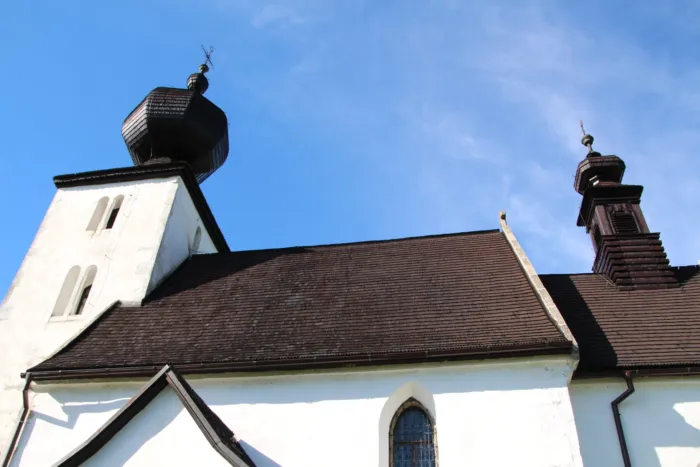
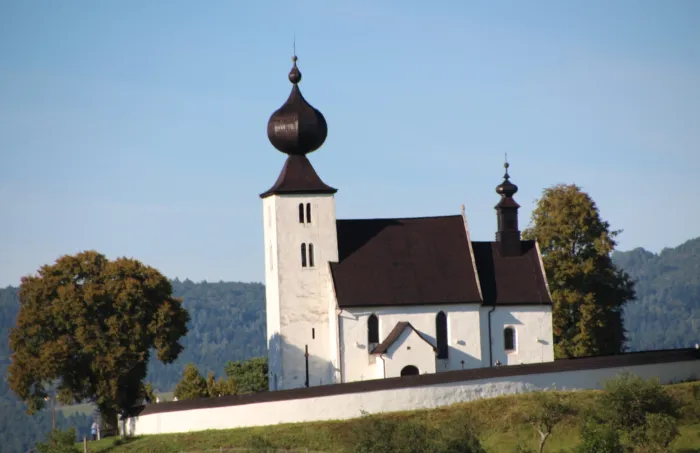
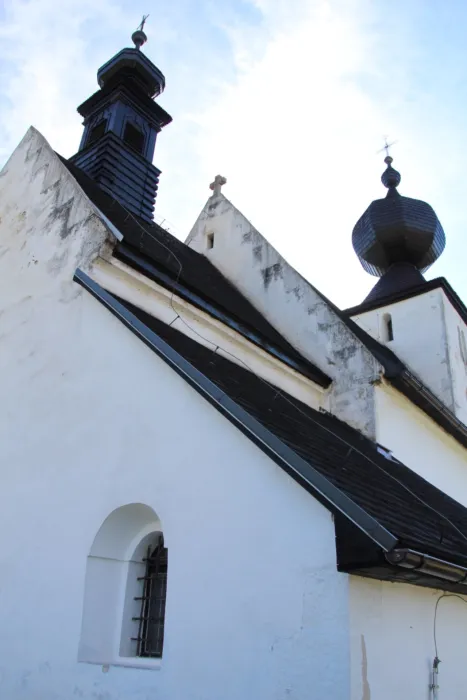
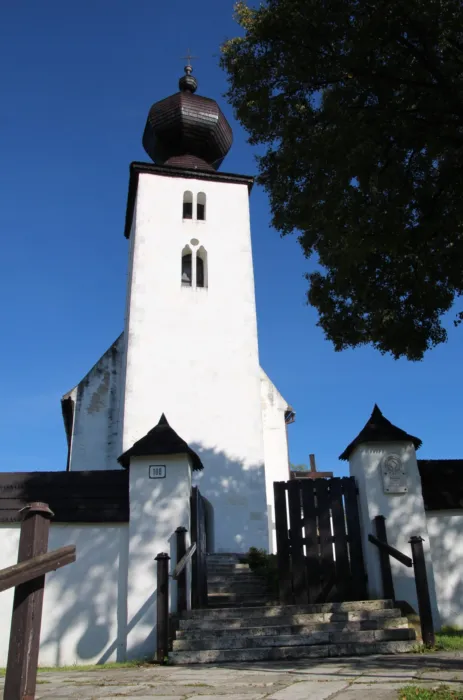
Zsigra was first mentioned in documents in 1245, under the name Sygra. Its history and development are closely linked to the history of the Spiš Castle, to which it belonged. It was most likely named after a Spiš lancer nobleman named Sigra, who owned the neighboring (Garancs) Petróc, whose sons were first mentioned in documents in 1292 and who were already present in the region before the Tatar invasion. ; The Holy Spirit Church located here was built between 1245 and 1275 by the Spiš Ispan János Sigrai, and it is certain that the church was already standing in 1280. The church, together with other monuments located in the vicinity of the Spiš Castle, was included in the UNESCO World Heritage List of Cultural and Natural Heritage Sites. The church was rebuilt in Gothic style in 1425. It was used by Lutherans from 1563, and was only returned to Catholics in 1638 (according to other sources in 1632). According to some sources, its interior was whitewashed in 1646 due to disinfection following a plague epidemic. It was remodeled in Baroque style in 1652. As a result, the Gothic frescoes in the church were forgotten for centuries and were only discovered in the 1950s. The furnishings of the church (pulpit, main and side altars) are Baroque, with a black-gold color combination, from the 17th century. Its medieval tower has a Baroque onion-shaped helmet from 1769, covered with shingles, as was the nave. The church is surrounded by a wall with an irregular circular ground plan. ; ; The church in Zsigra was first painted after construction, these frescoes did not form a coherent system. About a century later, the church was re-vaulted and painted. By then, they were already working on an iconographic plan, and the Saint Ladislaus fresco on the north wall of the nave was also painted. ; The fresco cycle has survived in poor condition, due to the aforementioned transformation. The other problem is that the original Holy Cross depiction, which was made in the 1280s, was found under the cycle depicting the legend of Saint Ladislaus. The original mural painting was lost due to the discovery of the original mural painting, “one of the very rarely depicted scenes – the pulling down of the Cumans from the horse – is only visible in fragments. An exact copy of this Saint Ladislaus cycle has survived from several sources. With the help of these, we can get a more precise idea” – László Kovács and Jenő Görföl read in their book The Depiction of Hungarian Saints in Medieval Churches in Slovakia. The Zsigra cycle, like several frescoes, begins with a depiction of the Oradea Castle. The Hungarian army, led by Saint Ladislaus, breaks out of the castle, and the small group of Cumans appears in the picture with arrows pointing backwards. On the back of the last horse – painted as very small – we can see the kidnapped girl. Despite this, the girl is very striking, her figure is clearly visible even on the fresco, which is in poor condition, she is wearing a long green dress and a turban-like green scarf. A multitude of arrows fly in the air. The body parts of those who died in the battle and the remains of animals stretch across the entire sequence of scenes, in fact all the scenes come to life above this. ; “In the next scene, Saint Ladislaus stabs the Cuman warrior in the neck with his long spear, whom the girl pulls off his horse while standing on the ground. This scene only appears here. In the presence of the men wrestling with each other, the girl, now almost of equal size, standing, hits the Cuman warrior in the leg with an ax, and then beheads the Cuman warrior caught by Saint Ladislaus with a sword swung high,” writes László Kovács. In the last scene, the girl is depicted as almost huge, holding the king’s head in her lap under the gauntlets and helmet hung from the branches of a tree. What is interesting about the Zsigra cycle is that the girl becomes more and more decisive as the scenes progress. She pulls the Cuman warrior off his horse, then she wounds him and executes him. She rewards Saint Ladislaus, who is tired from the fight, while her size grows as her release from captivity becomes more and more obvious. ; Most of the frescoes depict a battle with the Cumans. Let's learn about its history. During his reign, King Ladislaus won many battles against foreigners and expanded the borders of the country. He fought the most memorable battles against the Cumans. ; A Cuman leader named Kapolcs invaded Transylvania, plundered it, and took a lot of booty with him, as well as kidnapping the wives and children of the nobles. ; King Ladislaus was on his way home from Slavonia when he heard about the Cuman invasion and galloped after the Cumans, catching up with them near the Temes River. Under his red banner, he attacked the Cumans. God then scattered the Cumans before the Hungarians - as the legend reveals. King Ladislaus then shouted to his warriors: Do not kill the Cumans, just capture them, if they repent, let them live! ; Kapolcs, the Cuman leader, and many brave Cuman warriors were already dead by then. The others were captured by the Hungarians. Only one remained as a messenger, a Cuman named Eszembó. The Cumans learned from him what had happened and were very saddened. They sent envoys to King Ladislaus and arrogantly demanded the release of the prisoners, promising to attack if they did not. King Ladislaus only laughed at the Cuman threats. He went to the Danube to defend his homeland. The king bravely rushed at the enemy, and in the first attack he stabbed the Cuman leader, who was called Ákos. God again helped the Hungarians and scattered the Cumans. Thus the king returned home victorious again. These scenes can be seen on most of the wall paintings.